
Views: 222 Author: Tina Publish Time: 2025-11-10 Origin: Site


Content Menu
● Introduction: Why Ladder Stability Matters
● Selecting the Right Pool Ladder
>> Weight and Load-Bearing Considerations
● Assembling and Installing Your Pool Ladder
>> Positioning for Maximum Stability
>> Attaching to the Pool Deck or Wall
● DIY Methods to Stabilize a Pool Ladder
>> Using Pool Noodles and Foam
● Improving Step Traction and Safety
● Maintaining Pool Ladder Sturdiness Over Time
● Troubleshooting Common Ladder Issues
>> Ladder Feels Wobbly Even After Installation
>> Steps or Handrails Are Loose
● Advanced DIY: Building a Custom Sturdy Pool Ladder
>> Material Selection and Design
● Pool Ladder Safety: Best-Practice Tips
>> 1. What is the easiest way to stabilize a loose pool ladder?
>> 2. How can I anchor my ladder to an above-ground pool?
>> 3. What materials make the sturdiest DIY pool ladders?
>> 4. How often should I check my pool ladder hardware?
>> 5. Can I use ordinary paint or tape for step traction?
Maintaining a sturdy and dependable pool ladder is essential for both safety and convenience in any swimming pool environment. Whether your pool is in-ground or above-ground, an unstable ladder can be a source of accidents and discomfort for swimmers. This guide offers comprehensive, expert-backed tips, instructional visuals, and practical advice to help anyone achieve a securely anchored pool ladder.[1][2][3]
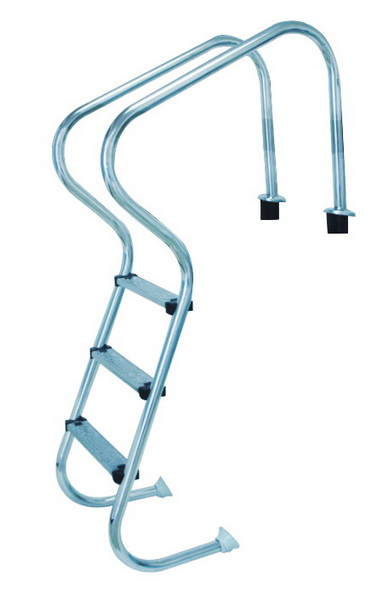
A secure ladder is integral to swimming pool safety. Unsteady ladders may cause slips, injuries, or bullying among younger swimmers. In addition to following all installation guidelines in your ladder's manual, further reinforcements can be made to ensure solid, long-term stability.[4]
- Stainless steel, heavy-duty resin, and reinforced PVC are top choices for long-term stability and corrosion resistance.[5][6][7]
- Avoid lightweight plastic for pools with heavy or frequent use, as it may be prone to bending or breaking.
- Always ensure your ladder's listed weight capacity exceeds the heaviest likely user by at least 25%.[8][7]
- For commercial or public pools, select models with oversized, anti-slip steps and double handrails.
- Read manufacturer instructions closely; improper assembly is the number one cause of instability.[1][4]
- Use power drills and torque wrenches to ensure all bolts and nuts are fastened tightly—hand-tightening is rarely enough.
- The base must be on solid, level ground—never on loose gravel, soft sand, or cracked concrete.[3][1]
- Use a 4-foot level to confirm all contact points are even, eliminating any rocking motion.
- Secure attachment to a pool deck or the rim with mounting brackets drastically improves stability.[2][10]
- For above-ground pools, use the included braces or stainless steel clamps to anchor the top platform.
- Slide cut pool noodles or foam rods under the rear ladder legs to absorb shock and boost grip.[4][1]
- This method compensates for minor ground unevenness and increases base friction.
- Fill the bottom rungs with water (if possible) or drape weighted sandbags over them to resist floating or shifting.[11][12]
- Avoid excessive weights that could stress mounting hardware.
- Drill additional stainless steel screws into main joints for extra strength, especially if your ladder supports heavier users.[2]
- For DIY PVC ladders, use specialty glue and primer for water-resistant, permanent bonding.
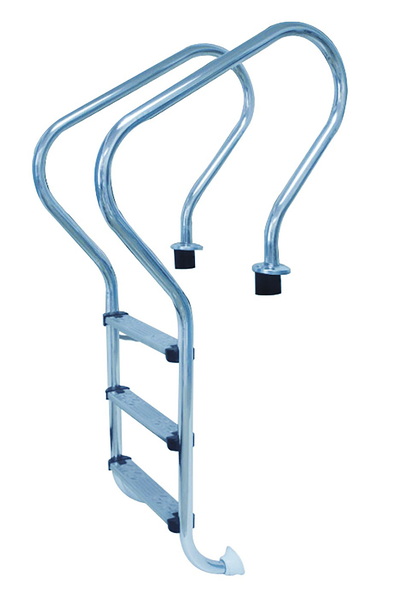
- Use adhesive non-slip tape, grip pads, or textured paint on each step to reduce the risk of slipping.[10][2]
- Regularly check the condition of these materials and replace them as needed.
- Adding an auxiliary handrail gives swimmers more confidence and stability.[6][10]
- Choose polished stainless steel or powder-coated handrails designed for wet environments.
- Inspect all bolts, joints, and handrails monthly for corrosion, rust, or looseness.[5][8]
- Replace worn mounting brackets or rusty hardware at the first sign of wear.
- After harsh weather or winter opening, always re-level and retighten the ladder.
- For removable ladders, always store out of direct sunlight to prevent UV damage to plastic/rubber components.
- Check for uneven legs or an unlevel surface and address with foam pads under feet.[1][4]
- Ensure all hardware is not only installed but also torque-checked using appropriate tools.
- Disassemble the affected area, clean it of debris, and refit with new screws, adhesive, or both as specified by the manufacturer.
- Treated lumber, premium PVC, or marine-grade stainless steel are ideal for home-built solutions.[7][2]
- Ensure steps are at least 18 inches wide and have integrated or attached anti-slip features.
- For wood, use deck screws and moisture-resistant adhesive.
- For PVC, assemble using T-joints, elbows, and ample adhesive, always reinforcing with screws at stress points.
- Double-check all stability and safety features before first use.
- Never exceed stated weight capacities.[8][7]
- Use step mats at the base to further prevent sliding and protect pool liners.
- Tighten or replace hardware at the first sign of loosening.
- Teach swimmers, especially children, proper ladder use and entry/exit etiquette.
A sturdy pool ladder is achieved through a combination of thoughtful product selection, precise assembly, and ongoing maintenance. By following the comprehensive strategies shared in this guide—tightening connections, anchoring the base, using proven DIY stabilizers like foam and sandbags, and maintaining anti-slip features—you can enjoy safe, stress-free pool access for years to come.[3][2][4][1]
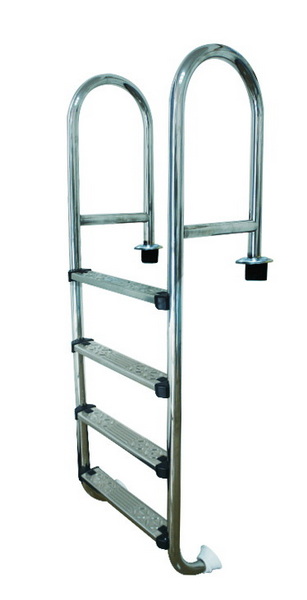
Sliding pool noodles or foam under ladder legs and adding light sandbags quickly boost friction and stability.[4][1]
Use brackets or supplied hardware to clamp the ladder top to the pool rim, and add weighted anchors if needed.[2][3]
Marine-grade stainless steel, treated lumber, and premium PVC combined with strong fasteners and anti-slip finishes offer the best results.[7][2]
Inspect hardware at least once a month, and always after extreme weather or heavy pool usage.[5][8]
For best results, use only waterproof, UV-resistant grip tape or paints designed for aquatic environments.[10][2]
[1](https://blog.watsons.com/blog/stabilize-above-ground-pool-ladder)
[2](https://www.poolkingfilter.com/how-to-make-a-pool-ladder.html)
[3](https://www.youtube.com/watch?v=UOszx5_q0s4)
[4](https://blog.watsons.com/blog/make-above-ground-pool-ladder-stable)
[5](https://www.thepoolfactory.com/blogs/equipment/scaling-new-heights-above-ground-pool-ladders)
[6](https://poolzilla.com/blogs/blog/the-simple-guide-selecting-the-right-pool-steps-and-ladders-for-your-swimming-pool)
[7](https://bonnyehome.com/blogs/news/heavy-duty-above-ground-pool-ladder-a-comprehensive-guide)
[8](https://intheswim.com/blog/above-ground-pool-step-buyers-guide.html)
[9](https://www.youtube.com/watch?v=zBgR_gj8NGg)
[10](https://poolie.com/blog/general/enhance-pool-safety-with-handrail-and-ladder-installation/)
[11](https://www.facebook.com/groups/637529959937311/posts/2626171321073155/)
[12](https://www.yahoo.com/lifestyle/weigh-down-pool-steps-simple-180052070.html)
[13](https://www.youtube.com/watch?v=AcVIHFSLCTY)
[14](https://www.youtube.com/watch?v=km3NlOGvjD0)
[15](https://www.facebook.com/groups/949201185854730/posts/1913746026066903/)
[16](https://www.youtube.com/watch?v=JJkG7vsan1E)
[17](https://www.youtube.com/watch?v=kBZZrt8Gop4)
[18](https://www.facebook.com/groups/637529959937311/posts/2621005414923079/)
[19](https://www.youtube.com/watch?v=6lg8kCHO0m0)
[20](https://reseau-mens.org/36x16-Inch-Protective-Pad-For-Above-Ground-Pools-Blue-Step-Mat-r-820539)


