
Views: 222 Author: Tina Publish Time: 2025-11-10 Origin: Site


Content Menu
● Advantages of PVC Pool Ladders
>> Measure Pool and Determine Ladder Size
● Frame Assembly: Step-by-Step
>> 2. Assembling Steps and Sides
● Upgrading Steps for Safety and Durability
● Advanced Customization and Design Options
● Poolside Installation and Testing
>> Placement
>> Weight Test
● Maintenance Tips and Seasonal Care
● Manufacturer Insights for OEM Production
>> 1. What type of PVC is best for pool ladders?
>> 2. How many pounds does a DIY PVC ladder support?
>> 3. How do I secure my ladder against floating?
>> 4. Can the ladder be disassembled and stored off-season?
>> 5. Is PVC safe in chlorinated or salty pool water?
>> 6. How to keep the steps from getting slippery over time?
Building a pool ladder with PVC pipes is a cost-effective and highly customizable alternative to commercial metal ladders, suitable for both above-ground and in-ground pools. PVC ladders are lightweight, rust-proof, and easy to assemble—even for DIY beginners. This article gives you a step-by-step guide, enriched with pro insights, maintenance strategies, safety upgrades, and visual/video learning resources. All design tips ensure your ladder fits your pool's exact specifications and user needs.[1][3]
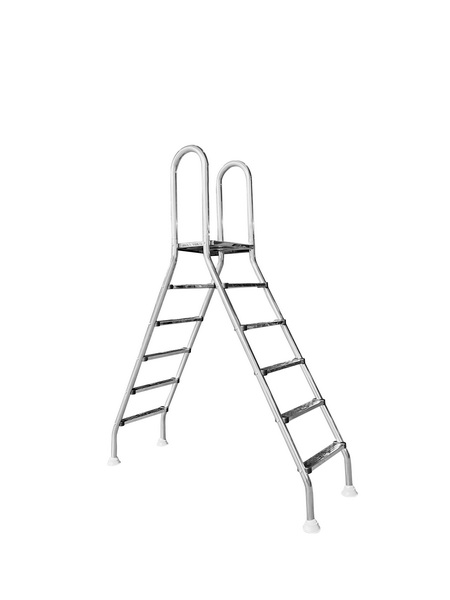
PVC is a versatile material for pool ladders thanks to its:
- Water resistance: Unlike metal, PVC will not rust or corrode even with regular exposure to chlorinated water.[1]
- Light weight: PVC ladders are easy to remove, adjust, or store, weighing far less than typical steel products.[5]
- Low cost: Standard PVC pipes and connectors are inexpensive, even in bulk, especially for manufacturers supplying international buyers.[3]
- Customization: Dimensions, shapes, and step placements are easily tailored to match pool size and user ages.[3]
- 2-inch diameter Schedule 40 PVC pipes (you'll need about twice the height of the pool plus extra for handrails)
- PVC elbows (90° and optionally 45°)
- PVC T-joints (2 per step; if 5 steps, you need at least 10)
- PVC end caps for sealing the bottom
- PVC primer and glue for waterproof joints
- Stainless steel screws for reinforcement
- Non-slip skateboard grip tape or adhesive pads
- Optional: Spray foam insulation for inside steps, sand or gravel for base weights
- Tape measure
- Permanent marker
- Handsaw or miter saw (for clean, straight cuts)
- Rubber mallet
- Sandpaper (for smoothing edges)
- Drill (for screws)
- Level (to check rung alignment)
1. Height: Use a tape measure to find the height from the ground to the top rim of the pool. If for an above-ground pool, most common heights are 36–52 inches.[3]
2. Width: Typical safe ladder width for adults and kids is 18–24 inches. This should fit most pool opening spaces.
3. Step Count: Space steps about 10–12 inches apart. For a 48-inch pool, four steps are usually comfortable.
| Pool Height (inches) | Steps Needed |
|---|---|
| 36 | 3 |
| 48 | 4 |
| 52 | 5 |
Design your ladder plan on paper first, with rough diagrams for side rails, rungs, base, and handle sections—as well as positions for grip tape and base weights.
- Side Rails: Cut two pieces per measured pool height, adding 4–6 inches for above-rim handles.
- Steps: Cut rungs to desired width (e.g., 18 inches).
- Connector Segments: For vertical spacing between rungs, cut several short segments (e.g., 12 inches).
- Dry Fit: Lay everything assembled but unglued to check alignment and fit.[5][1]
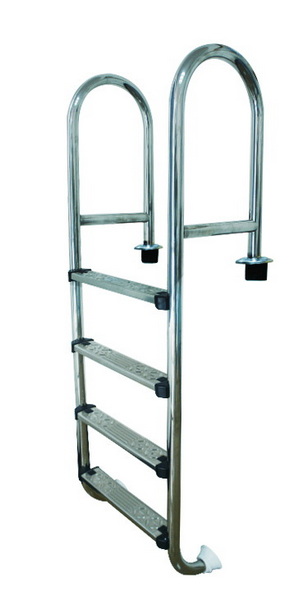
Start with two 90-degree elbows. Connect these with an 18-inch PVC pipe, which will form the ladder's bottom rung and ensure base stability. Attach two 12-inch vertical sections upward from each elbow.[3]
Add T-joints to the tops of the uprights, facing inward. Slot the next rung (18-inch pipe) across, glue securely, and repeat this alternating process (upwards and across) until you reach intended ladder height.[5]
At the top, use two 90-degree or 45-degree elbows per side to curve the ladder over the pool wall or deck, making it comfortable and secure to grip. The handles should protrude above the pool surface by several inches.[3]
Apply PVC primer to each joint end, then glue for a watertight, rigid structure. Use a mallet to tap joints together—avoid excessive force to prevent cracking. For greater rigidity, add stainless steel screws through tees and elbows after glue cures.
Adhere skateboard grip tape or marine-grade pads to each rung for secure footing, especially for wet feet. Trim tape to fit, press firmly, and check for air bubbles. Replace when tape wears thin.[3]
For extra strength, fill each step tube with spray foam insulation before assembly. This stiffens each rung and keeps shape over time.[3]
Fill bottom pipes with sand or gravel and seal tightly with PVC caps. This prevents floating and tipping, especially for larger adults or windy weather.[4]
- Wider tread design: Use broader PVC or bolt on flat panels to rungs for extra foot support—good for kids and seniors.[8]
- Double handrails: Double the top handles for more grip, or add mid-level side rails.
- Adjustable sections: Use coupler fittings to make the ladder modular, so you can extend or shorten it.
- Color coding: Use colored grip tape or paint primer for steps to help visually impaired users.
Hook the ladder securely over the pool rim or deck edge—handles should sit flush, steps should be even, and base ought to settle firmly on pool bottom.
Begin by gently testing on dry ground. Once satisfied, place in the pool and press on each rung, ensuring there is no bending or shifting.[7][3]
Check every joint, straighten steps with a level, and sand any sharp edges. Make certain all grip tape is fully attached.
- Regular Inspection: Look for loosened joints, grip tape wear, or any cracks. Tighten screws and replace tape monthly.[1]
- Cleaning: Use mild soap and water to keep PVC spotless, removing algae and buildup from pool chemicals.[5]
- Winter Storage: Remove ladder in autumn, rinse, and keep in dry, shaded space. Store flat to avoid warping.
- Repairs: Replace components as needed—PVC pipes and joints are inexpensive and easy to swap out.
Chinese factories specializing in filtration, pumping, and lighting can produce custom PVC ladder kits using computer-controlled cutting and automated joint assembly—ensuring high quality and uniformity for international OEM clients. Choose Schedule 40 or 80 PVC for heavy-duty ladders required by resorts or commercial installations. Branding, packaging, and instruction manuals can be tailored for your overseas customers.[1]
- Child Safety: Space rungs at closer intervals, use extra-grippy pads, and reinforce each joint with screws. Always supervise young swimmers.[10]
- Senior Accessibility: Widen the ladder and add rails for easy gripping.
- Anti-slip: Replace grip tape regularly and add bumpers to bottom rung to prevent wall scratches.
Making a pool ladder out of PVC is efficient, cost-effective, and endlessly adaptable for home pools. With careful measurement, reinforced assembly, and consistent safety upgrades, your custom ladder can last for years. International OEM suppliers can leverage robotized production for top-tier export quality. Always use comprehensive visual and video references to perfect each step, and revisit maintenance tips for long-term reliability—ensuring even families, kids, and seniors enjoy safe, easy pool access.
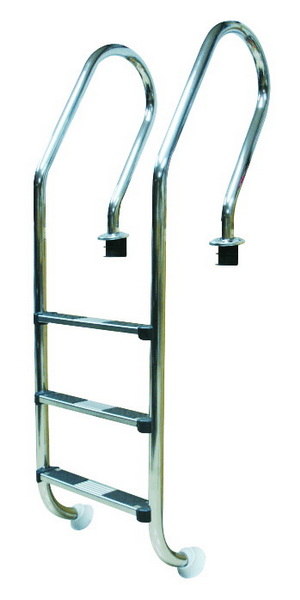
Use Schedule 40 or heavier pipe for best durability, as it resists impact, flex, and water pressure.[1][3]
Most builds comfortably support 250–300 lbs. To increase capacity, reinforce steps with interior foam and use more joints.[13]
Fill base tubes with sand, gravel, or water, then cap securely. This provides low center of gravity and stops movement.[4][5]
Yes, if modular joints are used or if you avoid glue in some sections, ladders can be broken down and stored easily.[5]
Absolutely—PVC is non-corrosive and immune to common pool chemicals, making it ideal for both pool and marine use.[1]
Use skateboard grip tape or anti-slip pads and perform monthly checks to replace worn surfaces.[10][3]
[1](https://www.poolkingfilter.com/how-to-make-a-pool-ladder.html)
[2](https://www.youtube.com/watch?v=H9LWSksoefU)
[3](https://www.budget101.com/do-it-yourself/6038-diy-pvc-pool-ladder-plans/)
[4](https://www.facebook.com/groups/949201185854730/posts/1898912867550219/)
[5](https://www.pvcfittingsonline.com/blogs/resource-center/pvc-diy-projects-for-around-the-pool)
[6](https://www.youtube.com/watch?v=h0d8-jKVffI)
[7](https://www.youtube.com/watch?v=BPzpxi47X58)
[8](https://www.facebook.com/Budget101com/posts/need-a-wider-step-ladder-for-your-above-ground-pool-check-out-these-diy-pvc-pool/10158306333235119/)
[9](https://www.facebook.com/groups/637529959937311/posts/2618391741851113/)
[10](https://www.youtube.com/watch?v=5Pmrovo8ybU)
[11](https://www.tiktok.com/discover/how-to-build-a-pvc-ladder-for-pool)
[12](https://www.tiktok.com/@krazygirl.80/video/7248810623243455790?lang=en)
[13](https://www.reddit.com/r/AboveGroundPools/comments/1dmbjtp/pool_ladder_for_fatties/)


