
Views: 222 Author: Tina Publish Time: 2025-09-01 Origin: Site


Content Menu
● Why Choose a PVC Pool Ladder?
● Essential Materials and Tools
>> Materials
>> Tools
● Planning Your Ladder Design and Dimensions
● Step-by-Step Assembly Instructions
>> Step 1: Cutting the PVC Pipes
>> Step 3: Assemble Ladder Base
>> Step 4: Attach Steps and Side Rails
>> Step 5: Create and Attach Handles
>> Step 7: Reinforcement (Optional but Recommended)
>> Step 8: Anti-Slip Treatment
● Stabilizing and Installing Your Ladder
● Troubleshooting Common Issues
>> Q1: Why does my PVC pool ladder float, and how do I fix it?
>> Q2: How can I ensure the ladder steps don't slip?
>> Q3: Can a DIY PVC ladder support heavy adults safely?
>> Q4: How do I maintain my PVC ladder for long life?
>> Q5: Is it possible to customize the appearance of my pool ladder?
Building a pool ladder out of PVC pipe is one of the most practical and cost-effective ways to add safe pool access to both above-ground and in-ground pools. PVC, or polyvinyl chloride, offers exceptional durability, resistance to water damage and corrosion, and lightweight portability all wrapped up in a material that's easy to work with for the DIY enthusiast. Through careful measurement, planning, and assembly, creating a sturdy and safe PVC ladder is within reach even for beginner project makers.
This comprehensive guide covers everything from selecting materials and cutting your pipes to detailed assembly instructions and safety enhancements. Included are tips for customizing your ladder, maintaining it, and troubleshooting common issues. Ready to build the pool ladder perfectly tailored to your pool? Let's dive in.

When considering materials for a pool ladder, PVC stands out due to several advantages:
- Waterproof and Rust-Resistant: Unlike metal alternatives, PVC never rusts or corrodes, providing a longer lifespan in wet environments.
- Lightweight and Portable: Easy to move or reposition, ideal for seasonal pool setups.
- Customizable: Build a ladder that fits your exact pool height, width, and step preferences.
- Cost-Effective: Easily sourced materials save money versus commercial ladders.
- Cool to Touch: PVC handles and steps remain cooler under the sun than metal ladders, ensuring comfortable use.
These benefits make PVC a popular choice for pool ladder construction worldwide, especially for above-ground pool owners seeking affordability without sacrificing quality.
Before you begin, assemble all the materials and tools necessary for a smooth build.
- Schedule 40 PVC Pipe (2-inch diameter recommended for strength and durability)
- PVC Fittings:
- 90-degree elbows (for ladder feet and bottom rung)
- 45-degree elbows (for handrail curves)
- T-joints (to connect step rungs to side rails)
- End caps (to seal pipe ends and prevent water ingress)
- PVC Primer and Cement for sealing joints firmly
- Stainless steel screws (for additional reinforcement)
- Anti-slip grip tape or adhesive skateboard tape for safe footing on each step
- Spray foam insulation (optional) to fill step pipes and increase rigidity
- Rubber pads or feet to protect pool liner and prevent ladder slipping
- Tape measure and marker for accuracy
- PVC pipe cutter or saw for clean cuts
- Drill and drill bits for screw holes
- Sandpaper to smooth pipe edges
- Safety gloves and goggles for protection
A precise design plan is key to a functional and attractive PVC ladder.
- Measure Pool Height: Measure from the ground or pool floor to the deck edge or pool wall top.
- Select Width: Ladder widths ranging 18–22 inches provide comfortable climbing space.
- Determine Step Number and Spacing: Typically, 4 to 6 steps spaced roughly 10-12 inches apart work well.
- Design Handrails: Include handrails that extend 8-12 inches above the pool edge for easy gripping.
- Consider Step Style: Choose between straight steps or staggered wider steps for extra safety.
Sketch your design including pipe lengths, fittings, and step placements before cutting.

Cut the required PVC pipes to size:
- Side rails: Cut two long pipes equal to measured pool height plus about 12 inches for handle angles.
- Step rungs: Cut four to six 18-inch pieces for steps.
- Handle pieces: Cut smaller pipes, approximately 12 inches, to shape curved handrails.
- Smooth the ends with sandpaper to avoid sharp edges.
Lay out your ladder pieces on a flat surface in the planned arrangement without glue. Check fitting alignment, spacing, and handle curve fit. Adjust if needed.
- Connect 90-degree elbows and end caps to form the base feet for ladder stability.
- Assemble the bottom rung with pipe and elbow joints.
- Slide each step pipe into T-joints secured on the side rails.
- Space steps evenly, keeping consistent heights for safe climbing.
- Test the structural fit before gluing.
- Use 45-degree elbows to create angled handrails extending from ladder tops.
- Ensure ergonomic hand gripping by verifying handle height and curve smoothness.
- Disassemble and reassemble one joint at a time.
- Apply PVC primer, wait a few seconds, then apply PVC cement liberally.
- Quickly press pieces together with firm rotation for a tight bond.
- Wipe off any excess cement.
- Let the entire ladder cure for 24 hours before handling.
- Remove one end cap from each step pipe.
- Fill pipes with spray foam insulation to prevent flexing.
- Replace and seal end caps securely.
- Pre-drill and fasten stainless steel screws through T-joints and pipes for extra durability.
- Clean steps thoroughly.
- Stick waterproof skateboard grip tape or anti-slip adhesive treads on each rung.
- Replace tape annually or if worn for safety.
- Place the ladder in the pool, ensuring feet rest evenly on the pool floor.
- For above-ground pools, securely hook or clamp handles over the pool edge.
- To counteract PVC buoyancy, consider filling lower leg pipes with sand or using weighted rubber feet.
- Anchor the ladder to the pool or deck with pool-safe zip ties or clamps.
- Verify stability by cautiously applying weight before general use.
Sandweight the base legs by filling hollow pipes with clean sand before sealing end caps. This reduces float and increases ladder stability.
Use quick-release pins or set screws for handles to allow easy ladder removal or storage.
Attach a lightweight PVC gate over ladder entry to prevent unsupervised access for young children.
Add pool-safe paint, smooth sanding, or vinyl decals to personalize and brighten your ladder's look.
- Inspect ladder joints and screws periodically; retighten or reglue if loose.
- Clean ladder surfaces monthly with mild soap and water.
- Replace anti-slip tape to maintain step traction.
- Store indoors or cover during off-season to avoid UV degradation.
- Avoid harsh chemicals or pool shock near ladder to prolong life.
- Ladder Floats: Add more sand ballast or use rubber feet.
- Steps Feel Wobbly: Reinforce with screws and foam fill.
- Anti-Slip Tape Wears Out: Clean and replace promptly.
- Joints Leak or Loosen: Reapply primer and cement with screws for backup.
- Handles Loosen: Check fittings and adjust hook length or screw tightness.
Constructing a pool ladder out of PVC pipe offers an excellent combination of affordability, customization, and durability. With careful planning, precise measurements, and quality materials, you can build a sea-worthy ladder that enhances pool safety and access. Advanced techniques like foam filling, screw reinforcements, weighted bases, and anti-slip treatments maximize stability and longevity. Regular inspection and maintenance ensure your DIY ladder stands strong through many seasons, providing safe enjoyment for family and guests. This project empowers pool owners to take control and craft a ladder that fits their unique pool space perfectly.
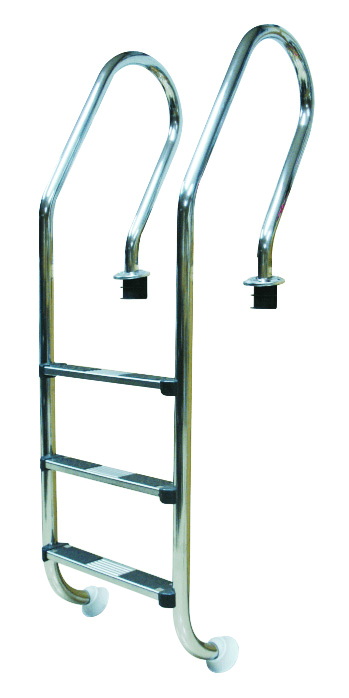
PVC pipe is buoyant by nature. Fill the lower pipe sections with sand and reseal end caps tightly to add weight and prevent floating.
Apply UV-resistant, waterproof grip tape or adhesive treads to each step for reliable traction even when wet.
Yes, if constructed using Schedule 40 or thicker PVC pipe, reinforced internally with spray foam, and secured with stainless steel screws.
Clean regularly with mild soap, inspect joints, replace grip tape yearly, and store safely during winters or off-season.
Definitely. Use pool-safe paint, decorative vinyl stickers, or smooth and sand for a personalized finish.
[1](https://www.budget101.com/do-it-yourself/6038-diy-pvc-pool-ladder-plans/)
[2](https://www.poolkingfilter.com/how-to-build-a-pool-ladder-out-of-pvc-pipe.html)
[3](https://www.poolkingfilter.com/how-to-make-a-pool-ladder.html)
[4](https://www.youtube.com/watch?v=H9LWSksoefU)
[5](https://www.pinterest.com/pin/diy-pvc-pool-ladder-plans--234961305545141150/)
[6](https://www.pinterest.com/pin/diy-pvc-pool-ladder-plans--184999497180745701/)
[7](https://www.youtube.com/watch?v=BPzpxi47X58)
[8](https://www.youtube.com/watch?v=Nb82H39bU0g)


