


Content Menu
● Why Locking Your Pool Ladder Matters
● Types of Pool Ladders and Security Concerns
● Overview of Locking Mechanisms
● Step-by-Step: Installing a Ladder Lock
>> 1. Identify Suitable Lock Points
>> 3. Secure the Ladder in Position
● Troubleshooting: Common Issues
● Extra Safety: Accessories and Upgrades
● Maintenance and Best Practices
>> 1. What is the best type of pool ladder lock?
>> 2. Can I add a lock to an existing pool ladder?
>> 3. How often should ladder locks be checked?
>> 4. Are there child-proof pool ladder locks?
>> 5. Can a locked ladder protect against pet access?
Securing your pool ladder is essential for safety, especially if you have children or pets at home. A locked pool ladder helps prevent unauthorized or accidental access, reducing the risk of drowning or injury. This detailed guide covers practical methods, tools, and troubleshooting tips for locking various types of pool ladders.
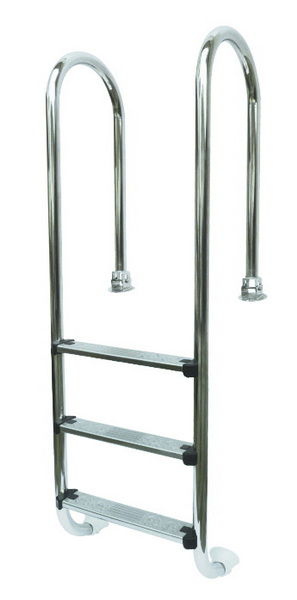
Locking a pool ladder ensures only authorized users can access your pool, greatly minimizing the risk for children, pets, and unsupervised guests. Unlocked ladders can be a safety hazard, and many municipalities now mandate child-proof pool access.[1][2]
Pool ladders come in several varieties, such as A-frame, deck-mounted, in-pool, and removable types.
- A-frame ladders often feature "slide-up" or flip-up steps that can be locked in a raised position.
- Deck-mounted ladders require secure attachment to the pool deck with bolts and may use external locks.
- In-pool ladders can include built-in locking pins or snap-locks for added safety.[3][4]
Each type presents unique security requirements and locking opportunities.[5][6]
There are several locking solutions tailored for different ladders:
- Built-in flip-up locks (common on A-frames) use cams and padlocks to prevent steps from being lowered.[7][8][9]
- Snap-lock pins secure treads or handrails to prevent disassembly or unauthorized use.[4][10][3]
- External locks and brackets may be installed at base or deck contact points.[11]
- Padlocks can secure roll-guard or sliding sections, especially on above-ground ladders.[7]
Each locking approach will involve slightly different installation steps but often includes the use of provided hardware.
Determine where your ladder mechanism provides locking provisions: flip-up steps, handrails, flanges, or custom brackets.[5][3]
Typical tools include:
- Adjustable wrench/socket set
- Phillips screwdriver
- Drill and bits
- Padlock(s) or locking pin(s)
- For A-frame: Raise the outer steps to the upright position until the locking cams engage.
- For deck ladders: Attach flanges firmly to the deck using bolts and washers.[3]
- For removable ladders: Remove and store or secure with a custom locking bracket.
- Padlock system: Insert the hasp through cam slots or locking holes and secure with a weather-resistant padlock.[8][7]
- Snap-lock pins: Insert through alignment holes in treads or handrails, ensuring they fully seat and "snap" into position.
- Custom bracket/lock: Attach base bracket to deck or ground using mounting hardware; secure ladder upright or prevent removal with provided lock.[9][11]
Once the lock is installed, tug the ladder to ensure it cannot move, lower, or be removed without unlocking.
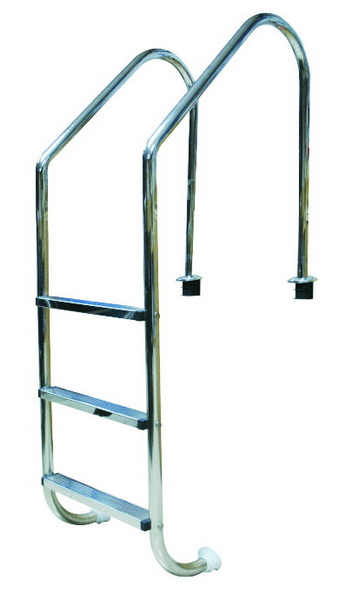
- Lock won't engage: Ensure all alignment holes and locking cams are properly positioned.
- Bracket or padlock rusts: Use marine-grade or stainless steel hardware to prevent corrosion.[5]
- Ladder feels loose: Retighten flange/deck bolts and use anti-slip treads for added stability and safety.[4][5]
- Kids still access ladder: Switch to a removable ladder or add extra locks at multiple points.
Consider additional safety features for peace of mind:
- Anti-entrapment barrier: Blocks ladder access from inside the pool.[4]
- Alarmed locks: Alert if someone tampers with the locking system.
- Removable ladder design: Allows you to take the ladder away when the pool is not in use.
- Slip-resistant treads and handrails: Reduce falls and provide extra grip.[10][5]
Routine inspection and prompt replacement of worn parts ensure continued safety.
- Lubricate padlocks and moving parts with silicone spray.
- Inspect bolts, nuts, and locking pins monthly.
- Retighten hardware and replace damaged accessories at the start of each season.
- Clean ladder steps and handrails to remove mold, algae, and slip hazards.
- Always keep the lock key in a secure but accessible location.
Locking your pool ladder is a simple but crucial step for maintaining pool safety and preventing accidents. Using the proper locking mechanisms—whether built-in, aftermarket, or custom—ensures that only authorized users can access your swimming pool. Regularly check, maintain, and upgrade your locking systems and hardware for best results. By following the steps and safety tips outlined here, pool owners can enjoy peace of mind, safeguard their loved ones, and comply with regulations.
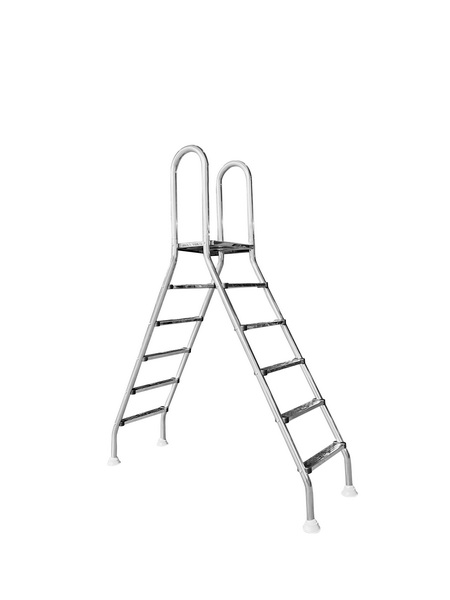
The safest locks are built-in flip-up or slide-up locks with padlocks, or snap-lock pins designed by the manufacturer. These prevent unauthorized use and remain reliable if maintained.[9][7][3]
Yes, many ladders can be retrofitted with universal locking brackets or external lock systems. Always use weather-resistant hardware and consult your ladder's manufacturer for compatible solutions.[11][5]
Inspect locks, pins, and hardware monthly and before each pool season for corrosion, wear, or looseness. Lubricate padlocks and tighten bolts as part of routine pool maintenance.[5][4]
Yes, several products are marketed specifically as child-resistant, featuring self-locking cams, anti-entrapment barriers, or double-lock mechanisms to deter children.[1][13][7]
While most pool ladder locks are designed for child safety, they also deter pets from climbing into the pool. Keep pets supervised and consider removable ladders when not in use for extra safety.[9][5]
[1](https://www.youtube.com/watch?v=-RhXtGcrd6I)
[2](https://www.poolfencediy.com/blogs/blog/pool-ladder-safety)
[3](https://www.clubpiscine.ca/index.php?dispatch=attachments.getfile&attachment_id=9185)
[4](https://www.vinylworkscanada.com/wp-content/uploads/2025/03/Model-SLA-Installation-Instruction-2024.pdf)
[5](https://www.poolkingfilter.com/how-to-secure-a-pool-ladder.html)
[6](https://www.srsmith.com/en-us/products/ladders-and-rails/snap-lok-ladder/)
[7](https://www.royalswimmingpools.com/NE1162manual.pdf)
[8](https://www.youtube.com/watch?v=AFV-SL-k_yM)
[9](https://www.familypoolfun.com/pdf/ne1222_manual.pdf)
[10](https://bluewaveproducts.com/products/snap-lock-deck-ladder-for-above-ground-pools-white)
[11](https://www.facebook.com/groups/637529959937311/posts/2605822479774706/)
[12](https://www.youtube.com/watch?v=UOszx5_q0s4)
[13](https://www.youtube.com/watch?v=NhDcZIq5-iU)
[14](https://www.tiktok.com/@methodstothemadness/video/7508928961515408686)
[15](https://www.propools.com/Manuals/63043_20211268342.pdf)
[16](https://www.youtube.com/watch?v=AsN8AiEYSI8)
[17](https://www.intexdevelopment.com/support/downloadmnl?filename=331PO_R1_1912_EN.pdf)
[18](https://www.youtube.com/watch?v=z2tjyznDJek)
[19](https://www.youtube.com/watch?v=uDbSNO5Bl_8)
[20](https://www.thepoolfactory.com/products/vinyl-works-sld-snap-lock-resin-in-pool-deck-ladder-grey)


