


Content Menu
● Planning Before You Hide the Filter
● Hiding a Pool Filter With Landscaping
● Using Privacy Screens and Fences
● Storage Benches, Cabinets, and Pool Houses
● Faux Rock Covers and Decorative Elements
● Building a Ventilated Equipment Enclosure
● Noise Reduction When Hiding a Pump and Filter
● Best Practices for Different Filter Types
● Step‑by‑Step: A Simple DIY Hiding Project
● FAQs About Hiding a Pool Filter
>> 1. Can I completely box in my pool filter and pump?
>> 2. What is the cheapest way to hide pool equipment?
>> 3. Will hiding the filter make my pump louder?
>> 4. Is it safe to store pool chemicals with the filter and pump?
>> 5. How far from the pool can I move the filter to hide it better?
>> 6. Do fake rock covers work in cold or hot climates?
A pool filter, pump, and plumbing manifold are usually installed in a practical spot, not a beautiful one, so they often clash with the rest of the backyard design. Concealing them correctly improves curb appeal and property value, and it also helps protect equipment from direct sun, rain, and debris, which can extend service life.
Homeowners also want a quieter, more relaxing pool area. An exposed pump can be noisy, while well‑designed enclosures and thoughtful placement reduce sound levels and make it easier to enjoy the pool without constant humming in the background.
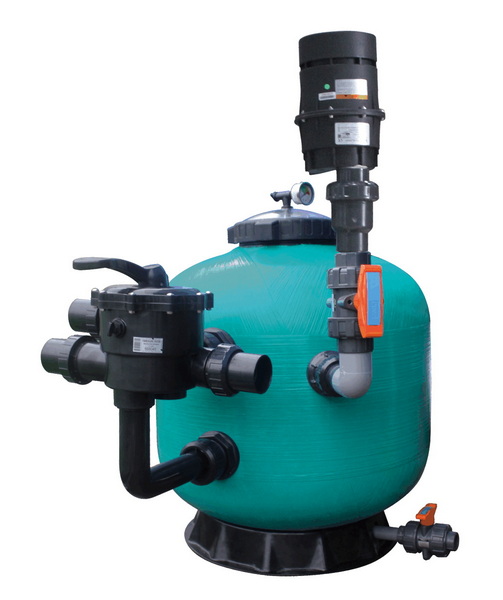
Before building anything around the filter, pool owners must consider space, airflow, and safety requirements. Most pros recommend at least 24 inches (about 60 cm) of clearance around equipment so technicians can reach valves, lids, and unions for service.
Ventilation is equally important, especially if a solid shed, wall, or cabinet is used. Enclosures need ample openings or louvered panels so the pump and motor do not overheat and so chemical fumes do not build up.
- Keep doors or removable panels wide enough to remove pump lids, filter cartridges, or sand filter multiport valves easily.
- Avoid blocking electrical panels or bonding points; electrical and building codes often require clear working space in front of control boxes and disconnects.
Landscaping is one of the most natural‑looking ways to hide a pool filter while softening the entire equipment area. Shrubs, ornamental grasses, and small trees can be arranged to form a living screen that breaks up the view of the pad from main seating areas.
When using plants, it is important to leave enough distance so roots and branches do not damage pipes or restrict airflow. Many landscape designers keep dense planting at least 24 inches away from the filter and pump and choose species that drop minimal leaves to reduce clogging of skimmer baskets.
Suggested planting ideas:
- Tall, narrow evergreens or clumping bamboo to form a vertical screen that hides equipment but fits in tight spaces.
- Ornamental grasses that sway in the wind and blur the outline of the equipment pad.
Decorative privacy screens and short fences are very popular ways to hide pool equipment quickly. These structures can be built from wood lattice, vinyl panels, metal slats, or composite boards that match the existing deck or house style.
Screens should be tall enough to block the equipment from common sight lines but not so tight that air cannot circulate. Lattice, slatted designs, and spaced boards let heat escape and allow for easy hose‑down cleaning after storms.
Common layout options:
- An L‑shaped or U‑shaped screen that hides the filter from main viewing angles while leaving the back open for service.
- A low fence combined with taller plants to create a layered, soft barrier instead of a heavy wall.
Some homeowners prefer solutions that double as storage or seating. Storage benches, outdoor cabinets, and compact pool houses can hide parts of the system or nearby accessories like hoses and chemicals, making the deck look clean and organized.
A full pool house or shed can completely enclose the filter, heater, and pump. This gives strong weather protection and extra space but requires careful ventilation and, in many cases, a permit.
- Storage benches often work best for small pumps, robotic cleaners, or accessories, while the main filter may still sit just outside.
- Outdoor cabinets with louvered doors and side vents can conceal the filter tank itself, as long as installation instructions and clearances are respected.
Where a natural look is desired, faux rock covers and sculptural elements help the equipment blend into the landscape. These molded shells are designed to look like boulders or stone outcrops and can hide smaller filters, pumps, and valves when paired with ground cover and gravel.
The key is to choose covers sized correctly for the specific filter and motor, with internal vents or gaps that let hot air escape. In hot climates, a small shade sail or nearby tree can reduce direct sun load on both the cover and the machinery underneath.
Other decorative strategies:
- Trellises with climbing vines positioned so they mask equipment without wrapping around pipes.
- Garden statues, water features, or large planters that draw the eye away from the equipment corner.
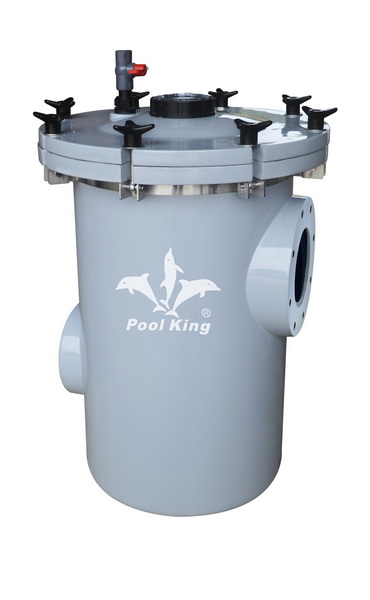
A custom enclosure is one of the most complete ways to hide a pool filter and pump. These can be simple three‑sided boxes with a hinged top, or full mini‑rooms with doors and roofs that match the home architecture.
Good enclosures balance concealment, structure, and airflow. Many builders use dense materials like timber or masonry for the walls to help reduce pump noise, and then add vents, louvers, or mesh panels high and low on opposite sides to create cross‑ventilation.
Design tips:
- Leave at least 24 inches of clearance between the filter and the walls on service sides and around valves.
- Use weather‑resistant hinges and latches so doors stay square and easy to open after years of sun and rain.
- Install lighting or a small battery‑powered lamp inside to make nighttime maintenance easier.
Whenever a filter is enclosed, noise is another consideration. A good design can both hide and quiet the equipment, but a poorly vented box can trap heat or amplify sound instead of blocking it.
Sound‑control strategies include:
- Using dense materials like plywood or masonry for the enclosure walls and sealing air gaps to prevent noise leaks.
- Lining the inside of the box with weather‑resistant acoustic foam or composite panels that absorb pump noise while still allowing ventilation paths.
- Mounting the pump on a rubber pad or isolation feet to reduce vibration transmitted into the slab and walls.
Any solution that hides a pool filter must respect local safety rules and manufacturer instructions. Many codes require minimum working space in front of electrical service and shutoff switches, as well as specific clearances for barriers or fences near pools.
Pool owners should also keep the following in mind:
- Good access for emergencies: valves, shutoff switches, and breakers should not be blocked by locked or crowded structures.
- Drainage: avoid enclosing equipment where rainwater or backwash can collect around the pump motor or electrical conduits.
- Chemical storage: place chlorine and other chemicals in a separate, ventilated area away from metal parts and electronics to reduce corrosion risk.
Although the goal is always to hide the equipment, different filter types impose slightly different practical needs. The enclosure or landscape design should make regular maintenance tasks easy so homeowners actually keep the system clean.
- Sand filters: Ensure enough overhead space to open or remove the multiport valve and to lift out internal components if needed.
- DE filters: Plan room to open the tank, pull out the grid assembly, and hose it off without banging into walls or fences.
- Cartridge filters: Leave simple front or top access to remove cartridges and carry them out for cleaning.
If a heater is installed near the filter, follow the heater manual for minimum clearances and vent distance from walls or overhangs. Gas and electric heaters often have specific requirements for exhaust and intake air that must not be compromised by screens or sheds.
Pool owners who prefer a straightforward, DIY approach can combine landscaping and screens for a balanced solution. A common project is to build a low L‑shaped fence and then plant shrubs in front to hide gaps and integrate everything into the yard.
Basic steps:
1. Measure the equipment pad, noting filter height, pipe layout, and service access directions.
2. Mark a layout on the ground for an L‑shaped or U‑shaped screen that hides the pad from main viewing angles but allows entry from one side.
3. Set posts in concrete, then attach lattice or slatted panels, leaving at least a few inches at the bottom for airflow and drainage.
4. Add a simple gate or removable panel for access and seal exposed wood with outdoor paint or stain for durability.
5. Plant shrubs and grasses 24–36 inches away so they have room to grow without crowding the equipment.
Hiding a pool filter successfully means treating the equipment pad as part of the overall backyard design instead of an afterthought. By combining landscaping, privacy screens, benches, faux rocks, or ventilated enclosures—and by respecting airflow, access, and safety rules—homeowners can keep their filtration system efficient, quiet, and discreet for many years.
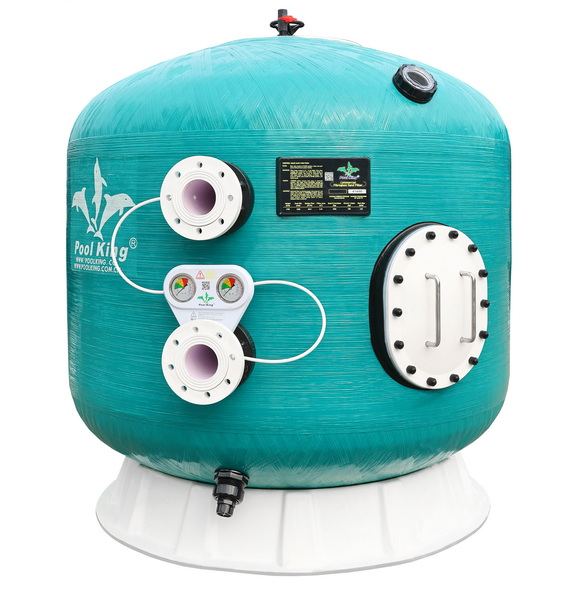
Yes, but the enclosure must be ventilated and sized correctly, with at least 24 inches of access space around key components and openings for airflow to prevent overheating. Solid, air‑tight boxes without vents are not recommended because they trap heat and moisture.
In many backyards, the most budget‑friendly method is a short section of fencing or a decorative privacy screen combined with a few strategic plants. Simple lattice panels, prefabricated screens, or even a painted plywood wall can work if they are weather‑protected and installed with enough clearance.
A thin, hollow enclosure can sometimes reflect sound back toward the house or seating areas. To reduce noise, use denser materials and consider acoustic lining inside the enclosure, while still maintaining open vents for airflow.
Storing chemicals in the same tight, enclosed space as metals, electronics, and pumps can accelerate corrosion and increase fume exposure. Most professionals recommend separate, ventilated storage for chlorine and acids, away from open flames, heaters, and electrical gear.
Filters and pumps can often be installed several meters from the pool, but longer plumbing runs may require upsized pipe or a stronger pump to maintain good flow. Local codes, elevation changes, and manufacturer limits should be checked before relocating equipment to a new hiding spot.
Quality faux rock covers are made from UV‑resistant resins that withstand a wide temperature range, but they still need internal ventilation and enough room around the pump to avoid overheating in hot regions. In cold climates, owners should ensure drains and winterizing valves remain accessible under the cover.
1. https://majestic-pools.com/how-to-hide-pool-equipment-creative-ways-ideas/
2. https://taylormade-pools.com/blog/how-to-hide-pool-equipment/
3. https://www.homesandgardens.com/gardens/how-to-hide-pool-equipment
4. https://www.houzz.com/photos/query/hide-pool-equipment
5. https://schillerpools.com/pool-equipment-enclosures-guide/
6. https://www.soniflex.com/en/silencing-a-pool-pump
7. https://www.secondskinaudio.com/soundproofing/pool-pump-quiet-box/
8. https://noisypool.com
9. https://www.talkofthevillages.com/forums/villages-florida-general-discussion-73/hide-pool-equipment-fence-landscaping-349071/
10. https://www.nyeia.com/wp-content/uploads/2024/04/2017-National-Electrical-Code-Article-680-Swimming-Pools-Fountains-and-Similar-Installations.pdf
11. https://codes.iccsafe.org/content/ISPSC2024P1/chapter-3-general-compliance
12. https://www.desert-aire.com/resources/indoor-pool-ventilation-system-requirements-tb05/


