
Views: 222 Author: Tina Publish Time: 2025-08-21 Origin: Site


Content Menu
● Why Pool Ladders Fill with Water
>> Common Causes of Trapped Water:
>> Problems Caused by Trapped Water:
● Tools and Materials You'll Need
● Step-by-Step Methods: How to Get Water Out of Pool Ladder
>> Method 2: Wet/Dry Vacuum Extraction
>> Method 3: Compressed Air Blow-Out
>> Method 4: Drill a Permanent Drain Hole
>> Method 5: Sun-Drying and Gravity Drainage
● Prevention: Keeping Water Out of Ladders in the First Place
● Real-World Seasonal Considerations
>> Year-Round Pools (Warm Regions)
● Safety Precautions During Ladder Maintenance
● Professional Service vs DIY: Which Is Right for You?
>> Professional Service May Be Needed If:
● FAQs About Pool Ladder Water Problems
>> Q1. Why does my pool ladder keep filling with water?
>> Q2. Can water inside the ladder cause rust?
>> Q3. What is the fastest method to drain water?
>> Q4. Should I drill a hole in my pool ladder?
>> Q5. How often should I perform ladder maintenance?
>> Q6. How do I know if it's time to replace my ladder instead of draining it?
Swimming pools are an investment in both property value and personal enjoyment. Whether you use your pool for relaxation, fitness, or family fun, proper maintenance is essential for ensuring a safe and long-lasting swimming environment. While most pool owners pay close attention to balancing chemicals, skimming debris, and cleaning filters, some small but critical details are often overlooked. One of these details is water trapped inside the pool ladder.
At first, it might not seem like a big problem. After all, pool ladders are meant to be in the water, right? However, the water that seeps inside the hollow tubes or steps of a ladder can create a series of hidden issues that compromise both safety and durability. Rust, algae growth, freezing damage, and even instability can result from trapped water that cannot drain properly. If you have ever struggled with removing your ladder at the end of the season, noticed rusty drips from the bottom of ladder legs, or felt that the ladder was heavier than expected, the culprit is likely trapped water.
This comprehensive guide will explain how to get water out of a pool ladder, what tools you need, safety and seasonal concerns, preventative measures, and professional tips. By the end, you'll be able to confidently deal with this common but overlooked pool maintenance challenge.
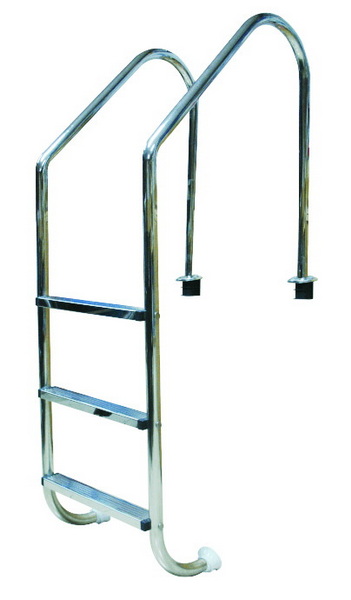
Most pool ladders are made of hollow metal (like stainless steel) or reinforced plastic tubes. The design allows for strength without excessive weight and also helps accommodate bolts and steps. Unfortunately, this structure also creates cavities where water can enter.
- Cap wear and tear: Over time, the rubber or plastic end caps that protect ladder tubes loosen, crack, or go missing. These gaps become entry points for water.
- Screw and bolt holes: Small openings created for assembly are rarely water-sealed.
- Cracks: Plastic ladders especially develop small fractures over time, letting water sneak inside.
- Condensation: In humid climates, moisture naturally collects in hollow tubes.
1. Corrosion & Rust – Even stainless-steel ladders can corrode inside if the protective outer layer is breached.
2. Algae & Mold Growth – Trapped water is stagnant, warm, and dark, creating the perfect breeding ground for bacteria and algae.
3. Freezing Damage – In cold climates, trapped water expands when it freezes, creating pressure inside tubes that can bend or crack the ladder.
4. Increased Weight – A water-filled ladder can be much heavier than intended, making it harder to remove or reinstall each season.
Before starting, gather tools commonly used for draining and cleaning:
- Rubber mallet – helps dislodge trapped water.
- Wet/dry vacuum (shop vac) – the fastest, most effective method.
- Air compressor or leaf blower – to push water out with pressure.
- Screwdrivers & wrenches – for removing caps or loosening bolts.
- Towels & absorbent rags – to keep your work area dry.
- Garden hose adapter – for flushing ladder tubes.
- Silicone sealant or epoxy – repairs and seals future leaks.
This low-tech approach works when only small amounts of water are inside:
1. Remove ladder completely from the pool.
2. Position the ladder upside down vertically.
3. Gently move or tap the ladder to encourage drainage.
4. Stand the ladder at an angle on towels to catch drips.
Probably the most reliable method for homeowners.
1. Fit shop vac hose tightly onto ladder opening.
2. If gaps exist, wrap duct tape around to create a seal.
3. Turn vacuum on and let it suck out residual water.
4. Rotate ladder multiple times to ensure every tube is clear.
An especially useful method if you also use compressors for pool plumbing lines.
1. Insert air nozzle into ladder's open tube.
2. Blow compressed air to force water out of opposite end.
3. Rotate ladder to squeeze water from tricky angles.
If trapped water is a recurring issue, a small drain modification can be an effective permanent solution.
1. Drill a ⅛-inch hole at the lowest point on the underside of the ladder's tube.
2. Allow water to escape.
3. Apply rust-proof sealant on exposed metal edges to prevent corrosion.
A low-tech but useful backup option.
1. Remove ladder and place it outdoors in direct sunlight.
2. Position ladder at a downward angle.
3. Leave for several hours to let heat evaporate water while gravity helps drainage.

Draining water is helpful, but prevention saves headaches. Here are proactive steps:
1. Check end caps seasonally – Replace cracked or missing caps quickly.
2. Seal all tube openings with silicone or marine-grade sealant.
3. Routine ladder inspections – When balancing pool chemicals, also scan the ladder for early leaks.
4. Rust-proofing – Apply stainless steel polish or spray to prolong ladder life.
5. Winter storage inside – Store ladders indoors during freezing months to avoid expansion damage.
If you close your pool for winter, draining the ladder is a must. Even a small volume of water becomes destructive when frozen. Store the ladder in a dry basement or garage, not outdoors.
In areas prone to algae blooms, water inside ladders can stink and discolor quickly. Inspect ladders monthly and avoid leaving them submerged for extended weeks without checkups.
Although freezing isn't a concern, long exposure to chlorinated or salty water speeds up ladder material fatigue. Preventative sealing becomes the key protection here.
- Always wear gloves when removing or tilting ladders: hidden sharp edges may cut skin.
- Don't lean a heavy ladder dangerously upright — stabilize it properly first.
- Avoid over-pressurizing with compressors as excessive PSI can damage joints.
- For children's safety, keep ladders away from play areas during maintenance.
- If a ladder develops severe rust or bending, replace it instead of repairing.
- You have the tools (shop vac, compressor, sealant).
- There are no severe rust patches.
- You want to prevent minor water issues affordably.
- You notice reddish streaks indicating internal corrosion.
- Ladder steps wobble or feel unstable.
- Ladder is commercial grade (used in public or hotel pools subject to strict safety compliance).
Pool maintenance companies bring industrial-strength vacuums, anti-corrosion treatments, and inspection expertise — worthwhile especially for commercial venues.
Though pool ladders often appear to be minor pieces of pool equipment, they play a major role in safety and user convenience. Unfortunately, their hollow design makes them prone to filling with water, leading to hidden rust, algae, freezing cracks, and unnecessary weight gain.
The good news is that multiple methods exist to solve this problem: tilting and draining, vacuuming, blowing with compressed air, drilling drain holes, and sun-drying. Even better, combining preventative strategies such as sealing end caps, replacing worn components, and properly storing ladders during off-seasons ensures long-term functionality.
With regular attention, your pool ladder will remain safe, lightweight, and long-lasting — letting you enjoy your swimming pool without unexpected maintenance surprises.

A: Because ladders are hollow, water sneaks through openings like bolt holes, cracked caps, or minor fractures.
A: Yes. Internal rust forms when moisture remains trapped for extended periods, especially if ladder steel isn't fully protected by its anti-corrosive layer.
A: Using a wet/dry vacuum is the quickest, safest, and cleanest method for most pool owners.
A: It's safe if you do it carefully and treat the exposed metal edges with rust-proof coating. This modification allows water to always drain automatically.
A: Check ladders every pool season. In cold climates, drain and store ladders before winter. In warm climates, monthly checks are advisable.
A: If ladder steps wobble, corrosion spreads significantly, or rust already compromises structure, replacement is safer than repair.


