
Views: 222 Author: Tina Publish Time: 2026-01-24 Origin: Site


Content Menu
● Safety First Before Any Pool Pump Repair
● Tools and Materials You May Need
● Step 1: Locate the Source of the Pool Pump Leak
● Step 2: Fix Leaks at the Pump Lid and O‑Ring
● Step 3: Tighten or Repair Plumbing Connections
● Step 4: Inspect and Replace the Drain Plug Seal
● Step 5: Diagnosing a Mechanical Shaft Seal Leak
● Step 6: Removing the Motor and Accessing the Shaft Seal
● Step 7: Replacing the Mechanical Shaft Seal
● Step 8: Reassembly, Priming, and Leak Check
● Step 9: Checking the Pump Housing for Cracks
● Preventive Maintenance for a Healthy Pool Pump
● Choosing Between Repairing and Replacing a Pool Pump
● FAQ
>> 1. What is the most common cause of a leaking pool pump?
>> 2. Can I run my pool pump if it is leaking?
>> 3. How do I know if my pool pump shaft seal is bad?
>> 4. How often should pool pump seals and O‑rings be replaced?
>> 5. Is it worth upgrading to a new pool pump instead of fixing leaks?
Fixing a leaking pool pump is usually possible at home if you can work safely with basic tools and follow a systematic process. A careful inspection of seals, fittings, and the pool pump housing eliminates most leaks and extends the life of the entire circulation system.
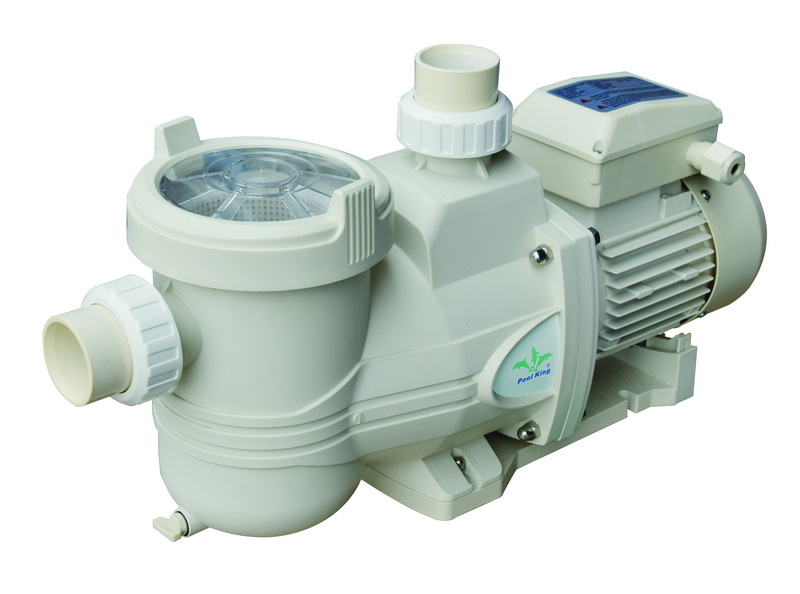
A leaking pool pump wastes water and chemicals, raises operating costs, and can destroy the motor if ignored. Over time, even a small leak can rust the motor, damage the bearings, and cause premature pump failure.
Common leak points on a pool pump include:
- The pump lid and O‑ring on the strainer housing
- The mechanical shaft seal between the motor and wet end
- Suction and discharge pipe connections to the pool pump
- The drain plug and the pump housing body
- Cracked PVC pipes or valves around the pool pump
Working on a pool pump involves electricity, water, and pressurized plumbing, so safety always comes first. Before touching the pool pump or opening any part of the system, take time to eliminate risk.
Basic safety steps:
- Turn off power at the breaker and any timer feeding the pool pump.
- Verify the pool pump cannot start automatically while you work.
- Use a non‑contact voltage tester if available to confirm power is off.
- Close suction and return valves to prevent flooding the pad when you open the pool pump.
- Keep the work area dry, and never work with wet hands near electrical components.
If you are uncomfortable with electrical wiring or local code requirements, hire a licensed professional to handle the electrical side of your pool pump system.
Having the right tools and parts ready makes pool pump leak repair easier and safer. Many leaks can be fixed with a modest set of hand tools and a few inexpensive replacement components.
Common tools and supplies:
- Standard screwdrivers and nut drivers for pool pump housing screws
- Open‑end or socket wrenches for motor shaft and bolts
- Pliers and a soft rubber mallet
- Silicone‑based lubricant for O‑rings on the pool pump lid and unions
- Teflon tape for threaded fittings and the drain plug on the pool pump
- Replacement pump lid O‑ring and drain plug O‑ring or gasket
- Replacement mechanical shaft seal matched to your pool pump model
- PVC primer and cement if plumbing fittings near the pool pump need replacement
- Clean rags, a small brush, and a bucket to control residual water
The fastest way to fix a leaking pool pump is to pinpoint exactly where water is escaping. Start with a clean, dry equipment area so new moisture is easy to see.
Basic inspection process:
- Dry the area around the pool pump, plumbing, and pad with rags or towels.
- Run the pool pump and watch carefully for new drips or seepage.
- Check the top of the pump lid, the sides of the housing, and the underside of the motor.
- Look closely at threaded fittings, unions, and valves connected to the pool pump.
- For slow leaks, you can place dry paper towels under different sections to see where they get wet first.
Typical clues:
- Water on top of the strainer lid suggests a bad pump lid O‑ring or loose lid.
- Water at pipe joints indicates loose or cracked plumbing near the pool pump.
- Water at the bottom center of the pump or under the motor often points to a failed shaft seal.
- Water near the very bottom of the housing may be a loose drain plug or damaged plug seal.
The pump lid and its O‑ring are among the most common leak sources on any pool pump. Heat, UV radiation, and chemicals eventually flatten, crack, or dry out the O‑ring, allowing air and water to bypass the seal.
Step‑by‑step process:
1. Turn off the pool pump and shut off power at the breaker.
2. Open any air relief on the filter to release system pressure if present.
3. Remove the pump lid by loosening the clamp or unscrewing the locking mechanism.
4. Lift out the O‑ring and inspect it for cracks, cuts, or a flattened profile.
5. Clean the lid groove and O‑ring with a cloth to remove grit and debris that can prevent proper sealing.
6. Apply a thin, even coat of silicone‑based lubricant to the O‑ring—do not use petroleum products.
7. Reinstall the O‑ring, making sure it lies flat and is not twisted.
8. Refit the lid onto the pool pump, align properly, and tighten the clamp or locking ring by hand until snug.
If the O‑ring is damaged, brittle, or permanently flattened, replace it with a new one designed for your specific pool pump model. After reassembly, prime and restart the pool pump, and then check for leaks around the lid again.
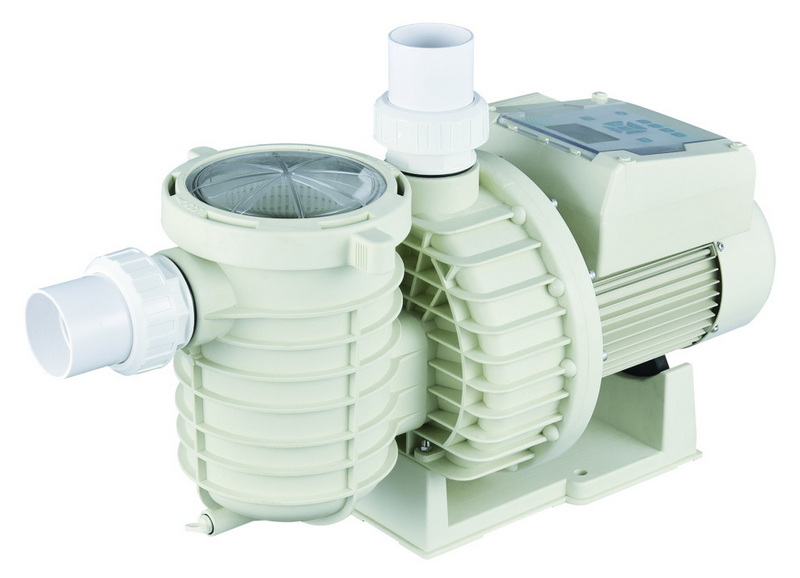
Loose or cracked plumbing fittings around the pool pump suction and discharge ports are another frequent cause of leaks. Vibration from the pool pump, shifting soil, or poor installation techniques can loosen threaded adapters, unions, or valves.
How to address plumbing leaks:
- Inspect all visible PVC pipes, elbows, and valves near the pool pump for drips or salt or scale deposits.
- Gently tighten threaded fittings using a wrench, being careful not to overtighten and crack the plastic.
- If a threaded fitting was installed without Teflon tape or thread sealant, you may need to disconnect, wrap, and reinstall it.
- Replace visibly cracked fittings or valves; cut out the damaged section and glue in new parts using PVC primer and cement.
- Check union fittings for worn or pinched O‑rings and replace or lubricate them if you notice weeping around the collar.
For air leaks on the suction side of a pool pump, you may see bubbles in the pump lid instead of visible water dripping. Eliminating these leaks improves pool pump performance and protects the motor from running dry.
Many pool pump designs incorporate one or two drain plugs on the underside of the housing so you can drain the pump for maintenance or winterization. A worn gasket, missing O‑ring, or loose plug can cause constant dampness under the pool pump.
Service steps for the drain plug:
1. Turn off the pool pump and ensure water flow is isolated by closing valves if possible.
2. Place a small tray or towel under the plug to catch any residual water.
3. Unscrew the drain plug from the pool pump housing.
4. Inspect the threads and the small washer or O‑ring that seals the plug.
5. Wrap the plug threads with fresh Teflon tape if the design calls for it.
6. Replace a hardened or damaged washer or O‑ring with a new one.
7. Reinstall the plug snugly, but do not overtighten and strip the threads or crack the housing.
After reassembly, refill and prime the pool pump, then check the plug area for any new signs of moisture.
If the leak appears where the motor attaches to the wet end of the pool pump, the mechanical shaft seal is the prime suspect. This seal keeps water from traveling along the motor shaft and flooding the motor housing.
Common signs of shaft seal failure:
- Water dripping from the joint between the motor and the seal plate of the pool pump.
- Visible moisture, rust, or scale underneath the motor.
- A consistent centerline drip even after lid, drain plug, and plumbing leaks have been fixed.
- Noisy bearings or grinding sounds after weeks of leaking.
Once a shaft seal begins to leak, it will not reseal itself. The only reliable fix is to replace the mechanical seal with a new part compatible with your pool pump.
Replacing the shaft seal on a pool pump is more advanced than changing an O‑ring, but many homeowners can handle it carefully. Because designs vary, always refer to the manufacturer's instructions for your exact pool pump model.
Typical removal steps:
1. Turn off power at the breaker and lock it out if possible.
2. Confirm the pool pump is fully depressurized by opening any air relief.
3. Close valves on suction and return lines and disconnect unions or plumbing if needed to remove the pump.
4. Remove the bolts or clamp band connecting the motor and seal plate to the pool pump housing.
5. Pull the motor and seal plate assembly straight back from the housing.
6. Access the rear of the motor and locate the flat area on the shaft where a wrench can hold it.
7. Remove the impeller by turning it counter‑clockwise while holding the shaft steady.
Once the impeller is off, you will see one half of the mechanical shaft seal in the impeller and the other half pressed into the seal plate of the pool pump.
Proper handling of the new mechanical shaft seal is critical because the polished faces must remain clean and undamaged. Oils, dirt, or scratches can ruin the seal and cause the pool pump to leak again immediately.
General replacement process:
- Carefully remove the spring‑loaded half of the old seal from the back of the impeller.
- Gently pry the ceramic seat from the seal plate of the pool pump, taking care not to gouge the plastic.
- Clean the seal plate cavity and impeller bore with a soft cloth.
- Lightly lubricate the rubber outer surface of the new ceramic seat and press it squarely into the seal plate, polished ceramic facing out.
- Press the new spring‑loaded seal half into the impeller, with the polished carbon face oriented toward the ceramic when assembled.
- Avoid touching the polished faces with your fingers; hold by the sides or use a clean tissue.
After installing both seal halves, reinstall the impeller on the pool pump shaft, reattach the diffuser if present, and bolt the seal plate and motor back to the pump housing.
Once the new seal is installed and the pool pump is back together, it is time to prime and test the system under real operating conditions.
Final start‑up checklist:
- Confirm that the pool pump housing, lid, and all bolts or clamps are properly aligned and tight.
- Reconnect any unions or plumbing that were removed.
- Open suction and return valves to restore water flow to the pool pump.
- Fill the pump strainer housing with water from a hose to prime the pool pump.
- Reinstall the pump lid and ensure its O‑ring is lubricated and correctly seated.
- Restore power at the breaker and start the pool pump while observing it closely.
- Check all suspected leak points: pump lid, drain plug, housing joint, and plumbing connections.
Allow the pool pump to run for several minutes and confirm there is no new dripping. If everything remains dry, the leak repair is complete.
If you still see leaks or find moisture on the exterior of the housing after routine seal replacements, the pool pump body itself might be cracked. Freezing water, overtightened fittings, or long‑term stress can split the plastic.
What to look for:
- Hairline fractures around the suction and discharge ports of the pool pump.
- Cracks along molded seams or bolt bosses on the housing.
- Leaks that appear only when the pool pump is running and under pressure.
In some cases, small external cracks may be temporarily patched with specialty products, but these fixes rarely last long on a pressurized pool pump. If the housing is seriously damaged, replacing the entire wet end or upgrading to a new, more efficient pool pump is usually the best choice.
Once your leaking pool pump is repaired, regular maintenance helps prevent new problems and protects your investment. A consistent schedule also keeps water quality stable and reduces energy use.
Recommended maintenance habits:
- Inspect the pump lid O‑ring and union O‑rings monthly and lubricate with silicone as needed.
- Clean the strainer basket weekly to reduce strain on the pool pump and improve flow.
- Check for unusual noises, vibration, or heat around the motor housing.
- Keep the equipment pad clean and dry so any new pool pump leak is easy to notice early.
- Avoid running the pool pump dry; always prime it before starting after maintenance.
- Maintain proper water balance to reduce corrosion and scale inside the pool pump and piping.
By combining good maintenance with quick response to small leaks, you can significantly extend the life of your pool pump and reduce costly repairs.
When your pool pump is leaking, you must decide whether a simple repair is enough or a full replacement makes more sense. The right choice depends on the age, efficiency, and overall condition of the pump.
Situations where repair usually makes sense:
- The pool pump is relatively new and only the lid O‑ring or shaft seal has failed.
- The motor runs quietly and shows no signs of heavy rust or overheating.
- The housing and plumbing are in good condition and leaks are localized to one component.
Situations where replacement is often better:
- The pool pump is many years old and has recurring leaks in multiple places.
- The housing is cracked, or the motor is noisy, rusted, or frequently trips the breaker.
- You want to upgrade to an energy‑efficient variable‑speed pool pump to reduce power bills.
In many cases, a targeted repair can buy several more years of service, while a full replacement provides better long‑term savings and reliability.
A leaking pool pump almost always traces back to a small group of wear parts, fittings, or cracks, and most of these problems can be solved with careful inspection and step‑by‑step repair. By focusing on the pump lid O‑ring, drain plug, plumbing connections, mechanical shaft seal, and housing condition, you can stop leaks, protect the motor, and keep your circulation system running smoothly. With the right tools, attention to safety, and a simple maintenance routine, your pool pump will deliver reliable performance, clear water, and lower operating costs season after season.
Contact us to get more information!
The most common cause of a leaking pool pump is a worn or poorly seated lid O‑ring on the strainer housing. Over time, this O‑ring dries out, flattens, or cracks so it can no longer form a watertight seal. Regular inspection and lubrication—or timely replacement—usually solves this type of pool pump leak.
Running a pool pump while it is leaking is not recommended. Water can travel into the motor, rust the bearings, and create electrical hazards, especially if the leak comes from the shaft seal area. In addition, leaks waste water and chemicals and may lead to more severe damage to the pool pump and equipment pad.
If water drips from where the motor meets the wet end of the pool pump, or if you see moisture and rust under the motor, the mechanical shaft seal is probably failing. A constant leak from the center of the pump—even after you fix the lid and drain plug—almost always indicates a bad shaft seal that must be replaced.
There is no exact schedule, but many pool pump seals and O‑rings last several seasons under normal conditions. However, harsh sunlight, heat, and aggressive water chemistry can shorten their life. Inspect all O‑rings and seals at least once per swimming season, and replace any that look cracked, flattened, or brittle to prevent leaks before they start.
If your pool pump is old, inefficient, or suffering from multiple leaks and motor problems, upgrading can be a smart investment. A modern, energy‑efficient pool pump often uses much less electricity and runs more quietly while providing better circulation. If repairs start to add up or the housing and motor show heavy wear, replacement may offer better long‑term value than repeated fixes.
1. https://manningpoolservice.com/fix-leaking-pool-pump-guide/
2. https://executivebluepools.com/common-causes-of-swimming-pool-leaks-what-every-frisco-pool-owner-should-know/
3. https://mrpoolman.com.au/blogs/news/how-to-replace-a-mechanical-seal-on-your-pool-pump
4. https://www.youtube.com/watch?v=ZYx6sGC8apU
5. https://www.claffeypools.com/help-advice/4-common-causes-of-pool-leaks/
6. https://www.youtube.com/watch?v=Moy34mj_7To
7. https://www.youtube.com/watch?v=wxdoPCXSauQ
8. https://www.poolleakrescue.com/dive-deeper-blog/pool-pump-leaking
9. https://intheswim.com/blog/pool-pump-shaft-seal-replacement.html
10. https://www.youtube.com/watch?v=VU7dCbXmFJg
11. https://lesliespool.com/blog/the-ultimate-pool-pump-maintenance-guide.html
12. https://parkinelectric.com/essential-steps-for-safe-pool-pump-wiring-installation/
13. https://beatbot.com/blogs/pool-cleaning-kits/pool-pump-circulation-pipe-leak-troubleshooting-and-repair
14. https://sqone.com/blogs/news/pool-pump-maintenance-guide
15. https://www.tingfire.com/blog/electrial-pool-safety/
16. https://intheswim.com/blog/leaking-pool-pump.html
17. https://lesliespool.com/blog/pool-pump-troubleshooting-guide.html


