
Views: 222 Author: Poolking Filter Equipment Publish Time: 2026-06-17 Origin: Site


Content Menu
● What Is a Salt Water Pool (And What It Is Not)?
● Key Benefits of Converting to a Salt Water Pool
● Before You Convert: Key Checks and Planning
● Recommended Water Chemistry for Salt Pools
● Step‑By‑Step: How to Convert a Chlorine Pool to Salt Water
>> Step 1 – Balance and Clean the Pool
>> Step 2 – Size and Install the Salt Chlorinator
>> Step 3 – Add Pool‑Grade Salt Correctly
>> Step 4 – Circulate, Test, and Fine‑Tune Salinity
>> Step 5 – Power Up and Dial In the Chlorinator
● Ongoing Maintenance: Filters, Pumps, and Salt Cells
● Choosing the Right Filter for a Salt Water Pool
>> Sand Filters
>> Integrating Pumps, LED Lights, and Fittings
● Cost, Lifespan, and When a Salt System Makes Sense
● Practical Pros and Cons Overview
● Common Mistakes to Avoid When Converting
● Clear Call to Action: Plan Your Salt Water Upgrade
● Frequently Asked Questions (FAQ)
Converting a traditional chlorine pool to a salt water system is a straightforward upgrade, but doing it right means thinking beyond the 8 basic steps and planning for long‑term water quality, equipment protection, and swimmer comfort. Drawing on more than 20 years of commercial filtration manufacturing experience at Guangdong Poolking, this guide walks you through the process with practical insights from the equipment side, so you know not just what to do, but why it matters for your pool's health and your maintenance budget. [poolking.en.made-in-china]
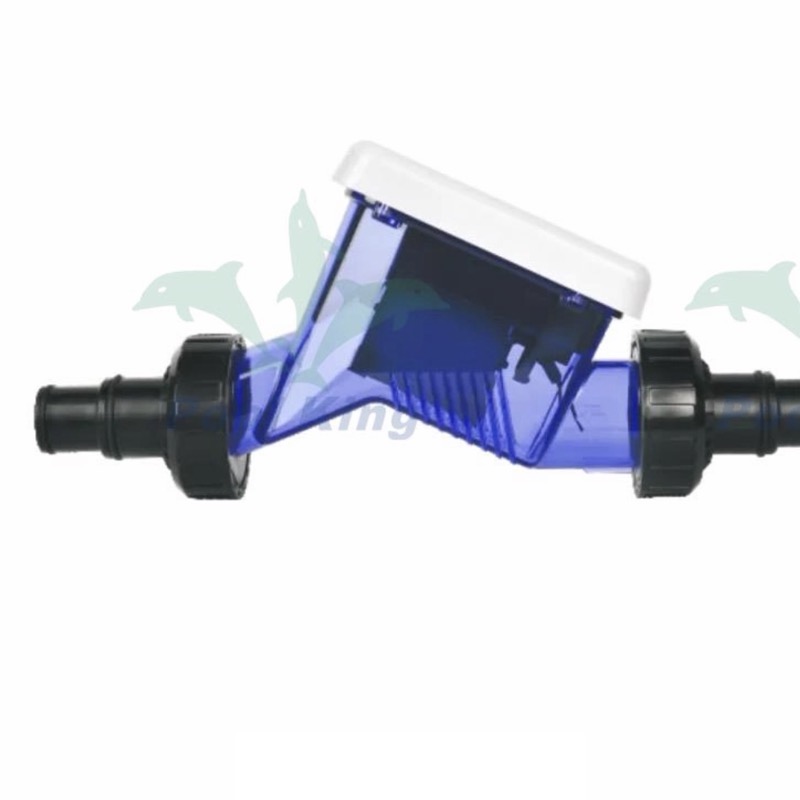
Many pool owners still think a salt water pool is "chlorine‑free," but that's not accurate. A salt system is simply a smarter way to generate chlorine from dissolved salt instead of adding tablets or liquid manually. [diy.inyopools]
In a salt water pool, a device called a salt chlorinator (or salt chlorine generator) uses an electrical reaction in a cell installed in your plumbing line to convert salt (sodium chloride) into chlorine as water passes through. The result is sanitized water that usually feels softer on the skin and eyes, with more stable chlorine levels and fewer harsh chemical spikes. [lesliespool]
From a filtration standpoint, you still need a properly sized filter (sand, DE, or cartridge), a reliable pump, and good circulation to keep the water clear; the salt system only replaces how chlorine is produced, not how dirt, oils, and debris are removed. [lesliespool]
For most pool owners, the decision to convert is usually driven by three things: swimmer comfort, ongoing cost, and day‑to‑day maintenance effort. [hayward]
- Softer, more comfortable water
Many users report less eye irritation and fewer "chlorine smell" complaints because the system maintains a steadier chlorine level and reduces the need for frequent shock dosing. [diy.inyopools]
- Lower long‑term chemical hassle
Once salinity is in the recommended range (typically around 2,700–3,400 ppm for many residential systems), the chlorinator continuously generates chlorine as water circulates, so you add far fewer pucks and liquid chlorine over time. [poolking]
- More consistent sanitation
A properly sized salt system can run automatically with your pump schedule, avoiding peaks and valleys that are common when chlorine is added manually in large doses. [lesliespool]
- Potential operating cost savings
Industry and retailer guidance suggests that while a new system typically costs around 1,000–1,500 USD in equipment for DIY installs, chemical savings over several seasons can offset part of that investment, especially in warmer climates with long swimming seasons. [troublefreepool]
For commercial or semi‑commercial applications, pairing salt systems with high‑performance fiberglass sand filters or large commercial sand filters ensures that the water quality gains from more stable chlorination are fully supported by robust mechanical filtration capacity. [poolking.en.made-in-china]
A successful conversion begins before any salt is poured into the pool. [aquaclearpoolcare]
1. Confirm your existing equipment setup
To run a salt water pool you need three core components: a pump, a filter, and a salt chlorinator sized correctly for your pool volume. If you are using older filters, this may be the right time to upgrade to a modern sand filter or cartridge filter designed to handle continuous operation with stable flow and lower pressure loss. [poolking]
2. Calculate your pool volume accurately
Your salt dose depends directly on pool volume, so take time to measure length, width, and average depth and calculate total gallons or cubic meters. Several online pool calculators and manufacturer manuals provide quick formulas to convert dimensions into volume, helping you avoid over‑salting or under‑salting the pool. [youtube]
3. Inspect surfaces and fittings
Before converting, check for existing issues such as cracks, leaks, or failing fittings, since they are easier to repair prior to installing new equipment and adjusting water chemistry. Using corrosion‑resistant components (e.g., fiberglass filter tanks, plastic fittings, and appropriately coated metal parts) is especially important in salt environments to protect long‑term performance. [supersharkpools]
When converting, your first task is to balance the water within the manufacturer's recommended ranges so the salt system can operate efficiently and protect equipment. [poolking]
Typical starting targets include: [diy.inyopools]
- Free chlorine: 1–3 ppm
- Salt: around 2,700–3,400 ppm for many systems
- pH: 7.2–7.8
- Total alkalinity: 80–120 ppm
- Calcium hardness: 200–400 ppm
Some brands specify salinity levels as low as about 2,500 ppm or as high as around 5,000 ppm, so always check your particular chlorinator's manual. Keeping salt too low reduces chlorine output; too high can trigger system alarms or, in extreme cases, increase corrosion risks on incompatible metals. [pools]
Below is a field‑tested sequence that aligns closely with leading manufacturers' guidance while adding practical details from the filtration side. [aquaclearpoolcare]
You do not need to drain the pool for a normal conversion. Instead, start by testing and adjusting core parameters to the ranges listed above. Make sure the water is clear, with no visible algae, and the pool shell and tile are brushed and vacuumed clean. [hayward]
At this stage, it is also wise to backwash your sand filter or clean your cartridge or DE elements, so water can circulate freely once you add salt and start the chlorinator. Properly maintained filters help salt dissolve evenly and reduce the risk of "dead spots" where chemistry becomes unbalanced. [lesliespool]
Choosing the right chlorinator is critical. Many professionals recommend sizing the salt cell for at least 1.5–2 times your actual pool volume to provide enough production capacity during hot weather and heavy bather loads. Larger cells can usually run at lower output settings, which often extends cell life and reduces maintenance. [reddit]
Installation generally involves three key actions: [youtube]
1. Mount the controller on a wall or post near the equipment pad, following the manufacturer's clearance and ventilation requirements.
2. Provide power to the controller according to the manual, often tying it into your pump's circuit so they operate in sync (this should be done by a qualified electrician where required by local codes).
3. Plumb the salt cell into the return line after the filter and typically after any heater or other treatment equipment, ensuring proper flow direction and adequate straight pipe length on both sides where specified. [hayward]
Most manuals specify that the cell be the last device before water returns to the pool, which helps protect upstream equipment and ensures accurate salinity and temperature readings. [poolking]
Once the system is mounted and plumbing is complete, you are ready to introduce salt. [pools]
- Verify current salinity using a reliable test strip or meter to understand your starting point. [youtube]
- Use the chlorinator manual's salinity table or the general formula provided by many pool resources to calculate how many kilograms or pounds of salt you need to reach the target ppm for your pool volume. [pools]
- Use pool‑grade, high‑purity salt, not table salt with additives, to avoid staining or foaming issues. [diy.inyopools]
The correct application method is to broadcast salt across the pool surface while the pump is running, walking around the perimeter to distribute it evenly. Avoid dumping salt directly into skimmers or floor drains because dense piles of undissolved salt can stress or damage equipment if pulled through too quickly. [poolking]
After adding salt, run the pump continuously for up to 24 hours to ensure it dissolves and disperses evenly throughout the pool. Brushing the pool surface helps break up any remaining salt pockets on the floor. [hayward]
Once circulation is complete, test salinity again. If readings are below your system's recommended range (for many, near 3,000–3,500 ppm), add salt in small increments and retest after circulation; if salinity is slightly high, allow splash‑out, backwashing, or partial dilution with fresh water to bring levels back into range. Staying within the manufacturer's band is essential for both cell performance and warranty protection. [pools]
With balanced water and confirmed salinity in‑range, you can now turn on the salt chlorinator. [lesliespool]
A common expert recommendation is: [troublefreepool]
- Start with the chlorinator output at about 50% and run it with your normal pump schedule for 24 hours.
- Test free chlorine; if it is below 1 ppm, increase the output in 10% steps, and if it is above 3 ppm, reduce output in 10% steps, retesting after 24 hours each time until you consistently fall in the 1–3 ppm range. [diy.inyopools]
During the first week, monitor pH daily because salt systems often cause a gradual pH drift upward, requiring periodic acid additions or automated pH control for precise management. [aquaclearpoolcare]
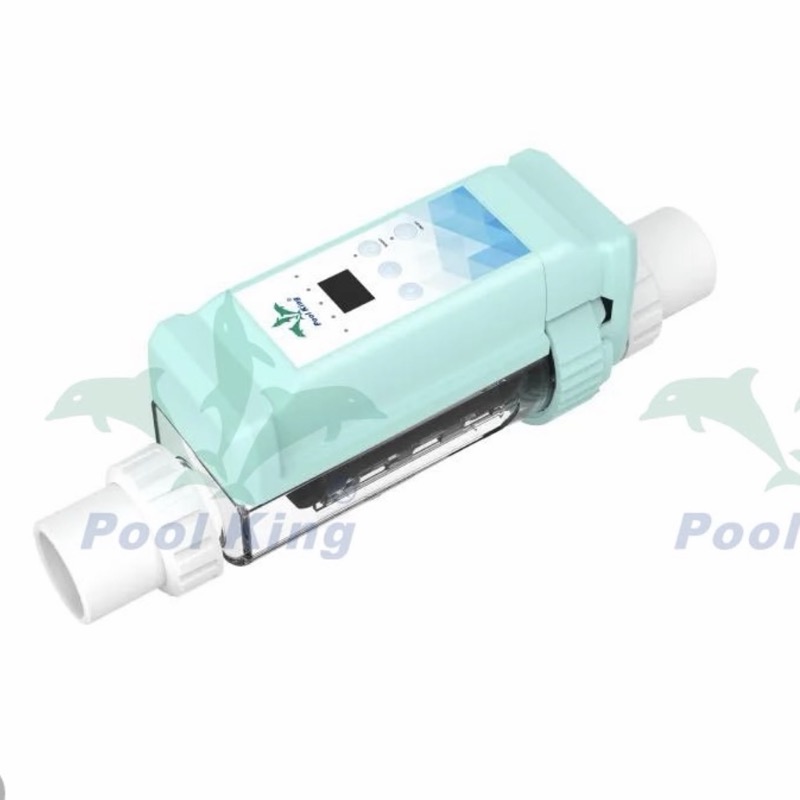
Once converted, you maintain a salt pool much like a standard chlorine pool, but with a few extra checkpoints. [aquaclearpoolcare]
- Filter care remains essential
Regular backwashing of sand filters or cleaning of cartridge/DE elements maintains flow and allows the chlorinator to operate within its designed pressure and flow range. High‑performance commercial sand filters and fiberglass vessels are particularly well suited to the continuous operation typical of salt systems. [poolking.en.made-in-china]
- Salt cell inspection and cleaning
Over time, minerals can scale on the cell plates, reducing output. Most modern cells are self‑cleaning, but periodic visual inspections and manufacturer‑recommended cleaning (often using a mild acid solution when necessary) keep efficiency high and extend the cell's life. [lesliespool]
- Routine water testing
Continue to test free chlorine, pH, alkalinity, stabilizer (CYA), and salt levels regularly with a quality kit. Many owners find that once the system is dialed in, small adjustments keep the pool consistently clear and comfortable. [aquaclearpoolcare]
From the equipment manufacturer perspective, running a well‑balanced salt water pool with properly sized sand or cartridge filtration, energy‑efficient pumps, and corrosion‑resistant pool fittings significantly extends the operating life of the entire system, especially in commercial or high‑bather‑load environments. [poolking.en.made-in-china]
Although the widely shared "8 steps" focus on chemistry and the chlorinator, your filtration system is what actually removes suspended dirt and contaminants from the water. Selecting and maintaining the right filter ensures that the clarity benefits of more stable chlorination are fully realized. [poolking]
Sand filters are popular for both residential and commercial pools because they are robust, easy to operate, and handle high flow rates well. For salt pools, high‑quality fiberglass or plastic sand filter tanks offer strong resistance to corrosion and pressure fluctuations, making them ideal companions for salt systems. [poolking.en.made-in-china]
A typical maintenance pattern includes backwashing when pressure rises 0.7–1.0 bar (10–15 psi) above clean pressure, and performing periodic deep washes or sand changes according to manufacturer recommendations and bather load. [diy.inyopools]
Cartridge filters provide fine filtration with lower water waste because they do not require regular backwashing. In salt pools where water conservation is a priority, cartridge systems can be paired with salt chlorination to reduce both chemical usage and backwash discharge. [lesliespool]
Cleaning cartridges periodically with a hose (and occasionally a cartridge cleaner) keeps flow strong and chlorine production consistent, while the absence of frequent backwashing can help keep salinity more stable between top‑ups. [diy.inyopools]
Beyond the filter and chlorinator, modern salt pools often incorporate high‑efficiency pumps, LED underwater lighting, and corrosion‑resistant fittings that can withstand long‑term exposure to slightly saline water. Selecting equipment made from UV‑stable plastics, marine‑grade metals, and glass‑fiber reinforced vessels helps preserve both performance and appearance over years of operation in salt conditions. [poolking.en.made-in-china]
From a strategic ownership perspective, it is helpful to weigh the upfront investment and long‑term operating profile. [troublefreepool]
- Upfront cost
DIY equipment packages for many residential pools typically run around 1,000–1,500 USD, with professional installation often costing more depending on electrical work and plumbing complexity. [troublefreepool]
- Cell lifespan
Most residential‑grade cells are designed to last several years under normal operating conditions, with lifespan influenced by total chlorine output, scaling, and how often the system runs at maximum capacity. Oversizing the cell and maintaining good filtration and balanced water can help extend service life. [troublefreepool]
- Best‑fit scenarios
Salt systems are particularly attractive for pools with long swimming seasons, frequent use, or owners who want to reduce manual chemical handling and provide a more spa‑like experience for family or guests. They are also well suited to commercial facilities that already operate high‑performance sand filters and pumps and want more consistent sanitation with less daily manual dosing. [aquaclearpoolcare]
To help you evaluate whether conversion aligns with your goals, here is a concise overview.
| Aspect | Salt water pool | Traditional chlorine |
|---|---|---|
| Day‑to‑day dosing | Mostly automated via chlorinator once set up. (lesliespool) | Manual addition of tablets, liquid, or granular chlorine. (lesliespool) |
| Water feel | Typically softer, with fewer strong odors. (lesliespool) | Can feel harsher if levels swing or shocking is frequent. (lesliespool) |
| Upfront cost | Higher initial equipment and installation investment. (lesliespool) | Lower entry cost with basic chlorination tools. (lesliespool) |
| Long‑term chemical usage | Reduced external chlorine purchases once system is running. (lesliespool) | Ongoing purchase of chlorine products season after season. (lesliespool) |
| Equipment considerations | Best with corrosion‑resistant filters, pumps, and fittings. (poolking.en.made-in-china) | Broader compatibility, but still needs proper material selection. (lesliespool) |
Even though the steps are simple, a few recurring mistakes create most of the problems that pool owners and service professionals see after conversion. [youtube]
- Adding too much salt too quickly
Without accurate pool volume calculations and staged dosing, salinity can easily overshoot the target, forcing partial draining or dilution. [youtube]
- Neglecting filter and pump condition
Installing a new salt system onto an undersized or heavily clogged filter leads to poor circulation, uneven chlorine distribution, and frustrated owners who blame the chlorinator rather than the hydraulic limitations. [lesliespool]
- Ignoring manufacturer manuals
Every salt system has specific requirements for wiring, flow direction, and cell orientation. Skipping these details can void warranties and reduce performance. [hayward]
- Assuming "set and forget"
While salt systems reduce manual dosing, they still require regular testing, occasional cell cleaning, and periodic review of pump run times as seasons and bather load change. [aquaclearpoolcare]
By planning the conversion carefully and ensuring that your filters, pumps, and fittings are matched to a salt environment, you position your pool for years of reliable, low‑stress operation. [poolking.en.made-in-china]
If you are ready to enjoy softer water, more stable sanitation, and a simpler daily routine, now is the time to map out your salt water conversion. Start by confirming your pool volume, assessing your existing filter and pump condition, and selecting a salt chlorinator sized at or above your actual pool capacity. [reddit]
For owners and facility managers who want a fully integrated solution, working with a specialized manufacturer of commercial sand filters, fiberglass tanks, plastic filters, cartridge systems, pumps, LED pool lights, and salt‑compatible fittings ensures that every component is designed to perform together in a salt environment. Once your system is in place and dialed in, your main job becomes simple: enjoy the water. [poolking]
1. Do I need to drain my pool to convert to salt water?
In most cases you do not need to drain the pool; you simply balance existing water, add the correct amount of salt, and install the chlorinator according to the manual. [hayward]
2. Will my pool still use chlorine after conversion?
Yes. A salt water pool still uses chlorine for sanitation; the difference is that the chlorinator converts dissolved salt into chlorine automatically instead of you adding chlorine products by hand. [hayward]
3. How much salt will I need to add?
The exact amount depends on your pool volume and the desired salinity, but many systems operate around 2,700–3,400 ppm, and manufacturer tables or online calculators help you determine the total kilograms or pounds required. [pools]
4. Is a sand filter compatible with a salt water pool?
Yes. Sand filters, especially fiberglass or plastic‑bodied designs, work very well with salt systems when properly sized and maintained, and they remain a standard choice for residential and commercial installations. [poolking.en.made-in-china]
5. How often should I clean or replace the salt cell?
Frequency depends on water balance and usage, but manufacturers typically recommend periodic inspections and cleanings when scale is visible, which can range from several times per season to annually in well‑balanced pools. [diy.inyopools]
1. Hayward. "Convert to a Salt Water Pool – Hayward Pool Products." May 22, 2023. [https://www.hayward.com/blog/post/how-to-convert-a-salt-water-pool] [poolking]
2. Leslie's Pool Supplies. "Saltwater Pool Conversion: A DIY Guide." May 9, 2022. [https://lesliespool.com/blog/saltwater-pool-conversion-a-diy-guide.html] [lesliespool]
3. Aqua Clear Pool Care. "How to Convert a Chlorine Pool to Salt Water: A Step-by-Step Guide." 2025. [https://aquaclearpoolcare.com/how-to-convert-a-chlorine-pool-to-salt-water-step-by-step-guide/] [aquaclearpoolcare]
4. Inyo Pools. "Converting Your Pool to Saltwater – DIY Pool Resources." [https://diy.inyopools.com/article/converting-your-pool-to-saltwater/] [diy.inyopools]
5. Pools.shop Magazine. "Salt Water Systems – Converting Standard Pools to Salt Water Pools." [https://www.pools.shop/en/info/magazine/salt-water-systems-converting-standard-pools-to-salt-water] [pools]
6. Guangdong Poolking Filtration Equipment Manufacturing Co., Ltd. "Commercial Sand Filters for Swimming Pools." [https://poolking.en.made-in-china.com/product/IKyJwvFMcBcV/China-Commercial-Sand-Filters-for-Swimming-Pools.html] [poolking.en.made-in-china]
7. Poolking. "Swimming Pool Sand Filters Suppliers & Manufacturers." [https://www.poolking.co/pool-sand-filter.html] [poolking]
8. Trouble Free Pool. "Converting to Salt Water" and "Should I convert my pool to a saltwater system?" 2024. [https://www.troublefreepool.com/] [troublefreepool]
9. Reddit r/pools. "Converting Pool to Saltwater?" 2023. [https://www.reddit.com/r/pools/comments/123oi36/converting_pool_to_saltwater/] [reddit]


