
Views: 222 Author: Poolking Filter Equipment Publish Time: 2026-06-16 Origin: Site


Content Menu
● Understanding How Saltwater Pools Work
● What Is the Ideal Salt Level?
● How to Calculate How Much Salt to Add
>> Quick Reference Table: Approximate Salt Needed from 0 ppm
● Step‑by‑Step: How to Test and Add Salt Safely
>> 1. Test Your Current Salt Level
>> 2. Balance Key Water Parameters First
>> 3. Calculate the Exact Dose
>> 4. Add Pool‑Grade Salt the Right Way
>> 5. Turn the Chlorinator Back On and Monitor
● What Happens If You Add Too Much Salt?
● How Often Should You Add Salt?
● Expert Insight: Salt Management and Filtration Systems
>> Why Stable Salt Supports Better Filtration
● Real‑World Example – 20,000‑Gallon Commercial Pool Start‑Up
● Common User Mistakes (and How to Avoid Them)
● How Manufacturer‑Grade Filtration Supports Saltwater Pools
● Quick Checklist: Before You Add Salt
● Call to Action: Optimize Your Saltwater Pool Filtration
● FAQs: Salt Levels in Saltwater Pools
If you own a saltwater pool, getting the right amount of salt in the water is one of the most important steps to keep your water clear, comfortable, and safe. As a commercial pool filtration manufacturer with over 20 years of experience in sand filters, cartridge filters, and complete circulation systems, we see first‑hand what happens when salt levels are either too low or too high—both to the swimmers and to the equipment. [poolking]
In this guide, we will walk through how much salt to add, how to calculate the exact amount for your pool, how to actually add it, and how to avoid the most common mistakes that lead to cloudy water, corroded parts, and unhappy swimmers. [swimuniversity]
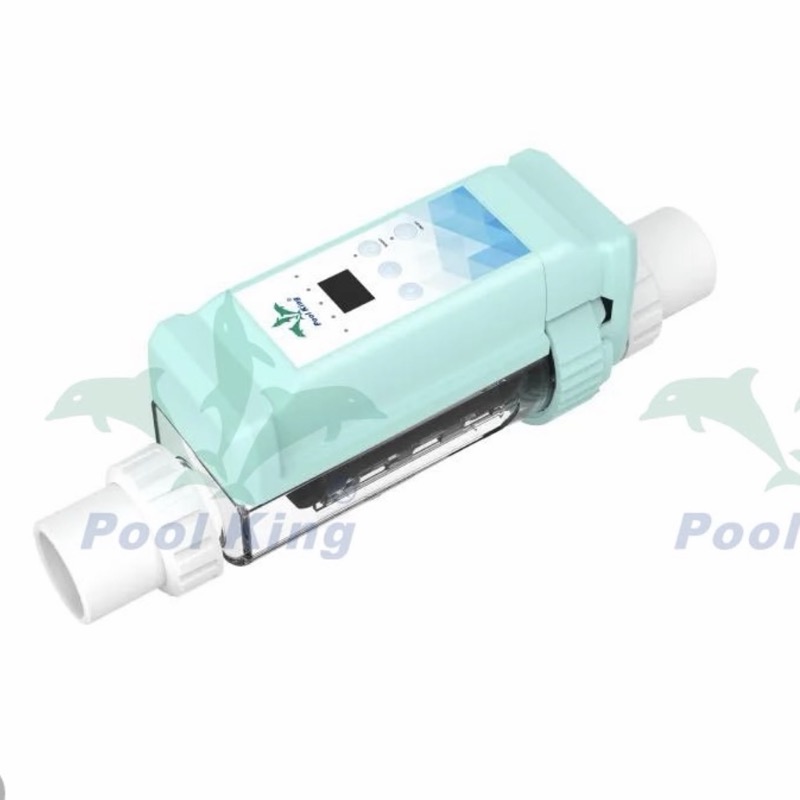
A saltwater pool is not "ocean water." It is a regular pool that uses a salt chlorinator cell to convert dissolved salt into chlorine through electrolysis. [ca.hayward]
- The salt stays in the water and is continuously reused by the cell. [hayward-pool.co]
- The chlorinator needs a specific salt range to operate efficiently, usually between 2,700 and 3,400 ppm, with 3,200 ppm being the typical ideal. [swimuniversity]
- If salt is too low, the cell stops producing enough chlorine; if it is too high, it can stress components and void warranties. [hayward]
From the equipment side, stable salt levels combined with proper filtration (through sand, DE, or cartridge filters) help keep water balanced and circulation efficient. [poolking]
Most mainstream salt systems—such as many Hayward salt chlorinators—recommend an operating range of 2,700–3,400 ppm, with 3,200 ppm as the "sweet spot." [troublefreepool]
- Below 2,700 ppm: The system may show low‑salt errors, produce less chlorine, and your pool can quickly become unsanitized. [hayward]
- Above 3,400–4,000 ppm: You may notice a salty taste, your system can trigger high‑salt alarms, and over time, poorly protected metal parts can face increased corrosion risk. [homeadvisor]
Always confirm the exact recommended range in your chlorinator's manual, as some models are "low‑salt" systems with slightly different targets. [troublefreepool]
To avoid guesswork, use a simple formula used across the industry to calculate how many pounds of salt you need to reach your target. [floridasbestpools]
Most expert resources express it like this: [homeadvisor]
Salt to Add (lbs)=[(Target ppm−Current ppm)×Pool gallons]/120,000
For example, if you have: [floridasbestpools]
- A 10,000‑gallon pool,
- Current salt: 0 ppm (fresh water start‑up),
- Target salt: 3,200 ppm,
then:
Salt to Add=[(3200−0)×10,000]/120,000≈267 lbs of salt
That is about six to seven 40‑lb bags of pool‑grade salt. [swimuniversity]
Assuming a 3,200 ppm target and starting from 0 ppm: [homeadvisor]
| Pool Size (gallons) | Approx. Salt Needed (lbs) | 40‑lb Bags (approx.) |
|---|---|---|
| 8,000 | 213 lbs | 5–6 |
| 10,000 | 267 lbs | 6–7 |
| 15,000 | 400 lbs | 10 |
| 20,000 | 533 lbs | 13–14 |
These numbers are rounded; always confirm with a reliable salt test after dosing. [floridasbestpools]
From both a homeowner and manufacturer perspective, adding salt should be deliberate, not rushed.
Do not rely only on the chlorinator's display. Industry guidance strongly recommends using an independent salt test—either test strips or a drop‑based kit. [hayward-pool.co]
- Test your water and note the current ppm reading.
- If you are starting up a new pool or converting from a traditional chlorine pool, your reading may be very low or near 0. [ca.hayward]
Before you add large amounts of salt, ensure that:
- pH, total alkalinity, and calcium hardness are within recommended ranges. [youtube]
- Your filtration system (sand, DE, or cartridge) is clean and operating correctly, so it can circulate and dissolve the salt effectively. [poolking]
Unbalanced water combined with fresh salt can accelerate scale formation on the cell plates and in your sand filter head. [youtube]
Use the formula above or an online pool salt calculator. [swimuniversity]
- Base the calculation on your tested salt level, not an estimate.
- Aim for the lower end of your system's range; you can always add a bit more later. [floridasbestpools]
Best‑practice recommendations from seasoned pool experts include: [facebook]
1. Turn off the salt chlorinator, but keep your pump and filter running.
2. Broadcast the salt around the perimeter of the pool. Do not pour it directly into the skimmer or over the main drain.
3. Use pool‑grade, non‑iodized, high‑purity sodium chloride, typically sold in 40‑lb bags for pools.
4. Brush any salt piles off the floor to help them dissolve faster.
5. Allow the pool to circulate for 12–24 hours to fully dissolve the salt. [youtube]
6. Retest your salt level before switching the chlorinator back on. [youtube]
When your test shows you are within the target range (for example, 3,200 ppm): [ca.hayward]
- Turn on the salt chlorinator and check for any error codes.
- Over the next few days, monitor chlorine production, water clarity, and any system alerts. [hayward]
One common concern seen in user comments is overshooting the salt level because of adding "one more bag for luck." [facebook]
If your salt reading is significantly above your system's recommended range: [troublefreepool]
- The chlorinator may show a high‑salt error and shut down or limit output.
- Swimmers might notice a salty taste and increased eye irritation.
- Over years, overly saline water can contribute to corrosion on unprotected metallic fixtures or sub‑standard components.
Unfortunately, the only real way to lower salt levels is to dilute: partially drain the pool and refill with fresh water, then test and repeat as needed. [hayward]
To avoid this, many experienced pool owners now dose conservatively, adding fewer bags, testing after 12–24 hours, and adjusting gradually. [facebook]
Salt does not evaporate or get "used up" in the chlorination process. However, you will lose salt when: [hayward-pool.co]
- You backwash a sand or DE filter. [homeadvisor]
- You drain a portion of the pool after heavy rain or for maintenance. [ca.hayward]
- You have frequent splash‑out or overflow. [swimuniversity]
In a well‑managed pool, you generally only need to top up salt a few times per season, depending on climate and backwashing frequency. [homeadvisor]
From a filtration manufacturer's perspective, salt levels are not just a chemistry number—they directly interact with how your filter, pump, and circulation system perform over time. [poolking]
When salt levels and overall water balance are stable:
- Sand filters maintain their media performance longer and backwashing is more predictable. [poolking]
- Cartridge filters are less prone to rapid fouling from algae or organic blooms caused by low chlorine episodes. [poolking]
- Pumps and fittings see less scaling, reducing pressure spikes and improving energy efficiency. [troublefreepool]
Guangdong Poolking designs commercial sand filters, fiberglass sand filters, plastic sand filters, and cartridge filters to handle heavy bather loads and the continuous circulation required in modern saltwater pools. When integrated with a properly sized salt chlorination system, they create a stable, low‑maintenance environment for operators and homeowners alike. [swimuniversity]
To make this more tangible, here is a typical scenario we encounter in commercial facilities such as hotel pools or water parks.
Scenario
- Pool type: Outdoor commercial pool
- Volume: 20,000 gallons
- System: Commercial sand filter, variable‑speed pump, salt chlorinator with 3,200 ppm target [poolking]
- Current salt: 500 ppm (after partial refill)
Step 1 – Calculate Salt Dose
Salt to Add=[(3200−500)×20,000]/120,000≈450 lbs
That is around 11–12 bags of 40‑lb pool‑grade salt. [floridasbestpools]
Step 2 – Operational Practice
- The facility adds 8 bags first, broadcasts evenly, and circulates for 24 hours. [facebook]
- After retesting, salt is at 2,700 ppm.
- They add 3 more bags, circulate again, and retest, landing at 3,100–3,200 ppm. [floridasbestpools]
This phased approach avoids overshooting and eliminates the need to drain water to correct a mistake. [facebook]
Based on industry feedback and user comments from pool communities, several recurring mistakes stand out. [youtube]
1. Trusting only the cell's reading
Many owners rely solely on the salt chlorinator display, which can be off due to sensor drift or water temperature. Always verify with a separate test. [troublefreepool]
2. Adding salt without testing first
Guessing your salt level can easily push you over the recommended range, forcing a partial drain. [hayward]
3. Pouring salt into the skimmer or over the main drain
This can send high‑concentration brine directly through your pump and filter head, stressing seals and fittings. Instead, broadcast around the pool. [youtube]
4. Adding too many bags at once
"Just one more bag" is one of the most expensive habits in salt pool care. Add in stages, retest, and move slowly. [facebook]
5. Ignoring filtration maintenance
Salt levels alone cannot fix a dirty sand filter or clogged cartridge. Poor circulation leads to uneven salt distribution and persistent cloudy water. [troublefreepool]
Because your pool's filtration backbone directly affects how salt and chemicals behave, investing in a robust system can dramatically reduce long‑term headaches. [swimuniversity]
Guangdong Poolking operates two modern production bases in Guangzhou and Taishan, covering 60,000 m², and specializes in: [poolking.en.made-in-china]
- Commercial pool sand filters (fiberglass and plastic)
- Cartridge filters for fine particle removal
- Pool pumps, LED lights, and pool fittings
For saltwater pools specifically, we focus on: [poolking]
- Corrosion‑resistant materials in filter tanks and fittings.
- Carefully engineered internal hydraulics to ensure even distribution of salt and chemicals.
- Solutions sized for both residential and large commercial projects, from hotels to aquatic centers.
When you pair accurate salt dosing with high‑quality filtration equipment, you create a system that is easier to maintain, more energy‑efficient, and far more reliable over the long term. [troublefreepool]
Use this simple checklist before your next salt adjustment:
1. Test salt with an independent kit (do not guess). [floridasbestpools]
2. Confirm your chlorinator's ideal salt range from the manual. [hayward-pool.co]
3. Ensure pH, alkalinity, and calcium are in range. [youtube]
4. Check that your filter and pump are clean and running properly. [swimuniversity]
5. Use the standard salt formula or a trusted calculator. [homeadvisor]
6. Add salt in stages, circulating for 12–24 hours between adjustments. [facebook]
7. Retest, then switch on the salt system and monitor. [ca.hayward]
If you are planning a new saltwater pool project—or upgrading an existing facility—getting the salt level right is only half the story.
For long‑term clarity, comfort, and equipment protection, you also need a filtration system engineered for continuous, high‑salinity operation. Guangdong Poolking offers: [poolkingfilter]
- Commercial and residential sand filters (fiberglass and plastic)
- Cartridge filters for high‑clarity demands
- Integrated pump, filter, and lighting solutions tailored to saltwater applications
Reach out to our engineering team to discuss a complete filtration and circulation package for your saltwater pool, designed to keep your salt levels stable and your water crystal clear season after season. [poolking]
1. Can I use regular table salt in my pool?
You should use pool‑grade, high‑purity sodium chloride, not iodized kitchen salt. Pool salt is designed to dissolve cleanly and avoid additives that can affect water balance. [homeadvisor]
2. How long after adding salt can I swim?
Once the salt is fully dissolved and your chlorine and pH are in the recommended ranges, it is generally safe to swim—usually after 12–24 hours of circulation. Always confirm your sanitizer level first. [hayward-pool.co]
3. Do I need to add salt every week?
No. Salt is only lost through water loss (drain, backwash, splash‑out). In a stable pool, you may only need occasional top‑ups each season. [homeadvisor]
4. My system shows a different salt level than my test strips. Which is right?
Independent test kits are often more reliable than the chlorinator's built‑in sensor, which can drift over time. If in doubt, retest with a high‑quality drop‑based kit and consider recalibrating or servicing the cell. [troublefreepool]
5. Can high salt levels damage my pool equipment?
Running consistently above the recommended range can contribute to corrosion of poorly protected metals and may shorten the life of some components. Staying within the manufacturer's specified range and using corrosion‑resistant equipment—such as fiberglass or plastic sand filters—helps minimize risk. [homeadvisor]
1. Hayward. "Salt Concentration Computer."
<https://www.hayward-pool.co.uk/article/configurators/salt-concentration-computer> [hayward-pool.co]
2. Swim University. "Pool Salt Calculator: How Much Salt to Add to Your Pool."
<https://www.swimuniversity.com/pool-salt-calculator/> [swimuniversity]
3. Hayward. "How to Lower Salt Levels Within Swimming Pool."
<https://www.hayward.com/blog/post/how-to-lower-salt-levels-within-swimming-pool> [hayward]
4. HomeAdvisor. "Pool Salt Calculator."
<https://www.homeadvisor.com/r/pool-salt-calculator> [homeadvisor]
5. Trouble Free Pool. "Recommended Salt Levels for Salt water Pools."
<https://www.troublefreepool.com/threads/recommended-salt-levels-for-salt-water-pools.289972/> [troublefreepool]
6. Florida's Best Pools. "How Much Salt to Add to Your Pool."
<https://floridasbestpools.com/blog/how-much-salt-to-add-to-pool> [floridasbestpools]
7. YouTube – Swim University. "How Much SALT to Add to a SALT WATER POOL."
<https://www.youtube.com/watch?v=SwjjgKibDVg> [youtube]
8. Poolking. "Swimming Pool Sand Filters Suppliers & Manufacturers."
<https://www.poolking.co/pool-sand-filter.html> [poolking]
9. Poolking. "Top 10 Pool Filter Manufacturers in China."
<https://www.poolkingfilter.com/top-10-pool-filter-manufacturers-in-china.html> [poolkingfilter]
10. Made‑in‑China – Poolking Product Listing.
<https://poolking.en.made-in-china.com/product/IKyJwvFMcBcV/China-Commercial-Sand-Filters-for-Swimming-Pools.html> [poolking.en.made-in-china]


