
Views: 222 Author: Poolking Filter Equipment Publish Time: 2026-06-11 Origin: Site


Content Menu
● Pool Chiller vs Pool Cooler: Key Differences
● When You Should Buy a Pool Chiller
● When a Pool Cooler Is the Better Buy
● How Pool Chillers and Coolers Work with Your Filtration System
● Expert Buying Framework: How to Decide in 5 Steps
● Maintenance Tips from the Field
● Why a Strong Filtration Partner Matters (Poolking Perspective)
● FAQs: Pool Chillers vs Pool Coolers
A pool chiller is a refrigerant‑based machine that actively removes heat from your pool water, while a pool cooler is typically a fan‑driven evaporative system that cools water more gently and usually at a lower cost. Which one you should buy depends mainly on your climate, pool size, and how precisely you want to control water temperature. [aquaclearpoolcare]
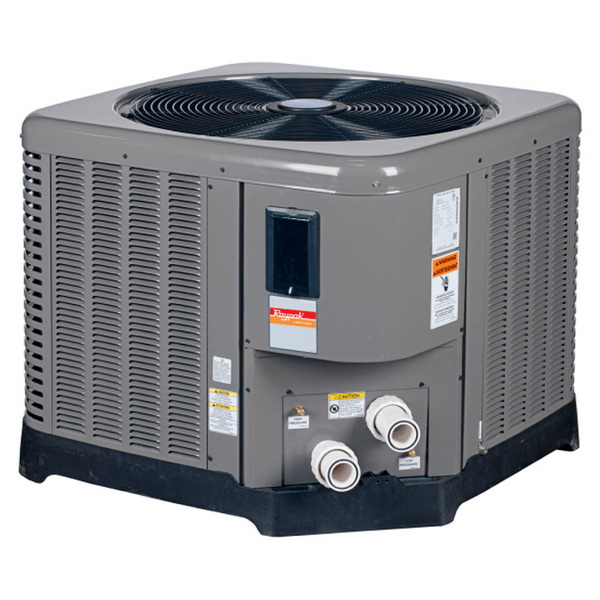
A pool chiller is a dedicated cooling system that uses a compressor and refrigerant loop (similar to an AC unit) to pull heat out of your pool water and exhaust it to the surrounding air. Water is pumped from the pool through the chiller's heat exchanger, cooled to your target temperature, and then returned to the pool. [arcticheatpumps]
Pool chillers can typically drop water temperature by 10–15 °F (5–8 °C) or more, even in very hot, humid climates where simple evaporative cooling is less effective. They usually run during the day, when outdoor temperatures and UV exposure are highest, and can be sized for small residential pools or large commercial installations. [aquaclearpoolcare]
From a pool‑owner perspective, a chiller is ideal when:
- You have extreme summer heat and water regularly exceeds 88–90 °F (31–32 °C). [pinchapenny]
- You want precise digital control of water temperature for sports, rehab, or hospitality use. [arcticheatpumps]
- You are considering a heat‑and‑chill combo unit, which can both heat in shoulder seasons and cool in peak summer. [nonstopswim]
A pool cooler (often sold under brands such as Glacier or similar) is usually an evaporative cooling system that sprays or cascades pool water through air while a large fan blows across it. As part of the water evaporates, it carries away heat, and the cooled water returns to the pool. [vitafilters]
Unlike chillers, many coolers are designed to run overnight using the main circulation pump, taking advantage of lower ambient temperatures to gradually pull the pool back into a comfortable range. They can also be simpler mechanically because they do not use refrigerant or a compressor. [aquaclearpoolcare]
Pool coolers are a good fit when:
- You want a budget‑friendly way to take the "bathwater" edge off your pool. [vitafilters]
- Nighttime temperatures in your region drop enough for evaporative cooling to be effective. [aquaclearpoolcare]
- You do not need ultra‑precise set‑point control and are happy with a comfort‑range temperature. [pinchapenny]
The table below summarizes the main practical differences between pool chillers and pool coolers.
| Factor | Pool Chiller | Pool Cooler |
|---|---|---|
| Cooling method | Refrigerant/compressor system removes heat directly. (aquaclearpoolcare) | Evaporative cooling using fan and airflow across water. (aquaclearpoolcare) |
| Typical temperature drop | Larger drops, can reach much lower temps (even cold plunge range). (aquaclearpoolcare) | Moderate drops, mainly into a comfortable swim range. (aquaclearpoolcare) |
| Operating times | Often runs during the day; sized like HVAC equipment. (aquaclearpoolcare) | Often runs at night with main pump. (aquaclearpoolcare) |
| Climate suitability | Works well even in hot, humid climates. (aquaclearpoolcare) | Works best where evenings are cooler and humidity is moderate. (aquaclearpoolcare) |
| Energy use | Higher power draw, especially for large pools. (aquaclearpoolcare) | Typically lower electrical demand but may require longer run times. (aquaclearpoolcare) |
| Installation | Requires proper electrical subpanel capacity (e.g., 50A) and professional setup. (aquaclearpoolcare) | Usually lighter electrical load (e.g., 20A) but still needs correct wiring and plumbing. (aquaclearpoolcare) |
| Control | Precise digital temperature control and integration with automation. (aquaclearpoolcare) | Often simpler controls; sometimes just on/off or basic settings. (aquaclearpoolcare) |
| Upfront cost | Higher purchase and install cost; often similar to or more than a heat pump. (youtube) | Lower initial cost; popular for residential retrofits. (aquaclearpoolcare) |
From an industry standpoint, chillers are positioned as high‑performance solutions for demanding applications (resorts, hotels, sports, therapy pools), while coolers target everyday residential comfort and value. [pinchapenny]
From my experience working with commercial pool operators and serious residential owners, you should strongly consider a pool chiller if any of the following apply:
1. You have a large or heavily used pool
Commercial pools, hotel pools, and competition pools tend to absorb more heat because of surface area, bather load, and long operating hours. A chiller gives facility managers tighter control over temperature and guest experience. [riverpoolsandspas]
2. You need specific temperatures for performance or therapy
Athletic training pools, lap pools, and hydrotherapy installations often target narrower temperature bands (for example, 78–82 °F for performance swimming or slightly cooler for recovery). A chiller offers the repeatability and stability needed to maintain these ranges day after day. [riverpoolsandspas]
3. You operate in consistently hot and humid climates
In places where summer nights stay warm and humidity is high, evaporative coolers become less effective. A refrigerant‑based chiller maintains cooling capacity even when the air offers minimal natural relief. [arcticheatpumps]
4. You need dual‑season flexibility with heat‑and‑chill units
Many modern pool heat pumps are available with an integrated chiller function, allowing the same unit to heat in spring/fall and cool in summer. This "all‑in‑one" approach is attractive for homeowners and facilities that want year‑round pool usability. [youtube]
For Poolking as a manufacturer of commercial sand filters, fiberglass sand filters, plastic sand filters and cartridge filters, this segment is particularly relevant because chiller installations often go hand‑in‑hand with robust filtration and circulation systems to maintain water clarity while the chiller is operating. [poolking]
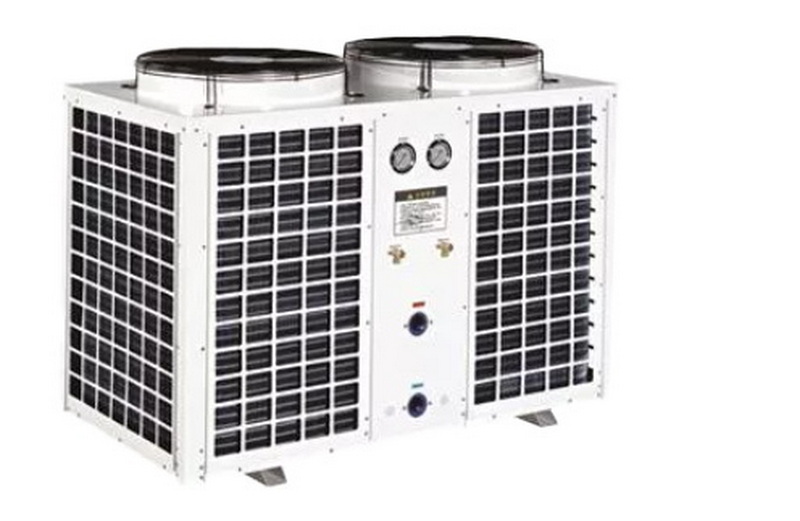
On the other hand, a pool cooler can be the smart choice for many residential buyers and light‑use commercial environments:
1. You mainly want comfort, not precision
If your goal is simply to avoid "too warm" water in afternoon swims, a cooler that knocks off several degrees is often enough. Most owners in this situation do not need tightly calibrated temperatures. [pinchapenny]
2. You live where nights are cooler and humidity is moderate
In regions with significant day‑night temperature swings, overnight cooling through an evaporative system can be both effective and efficient. This lets you use less energy without sacrificing comfort. [aquaclearpoolcare]
3. You want lower upfront cost and simpler installation
Coolers generally cost less to purchase and often require smaller breakers and simpler electrical work. Many come as add‑ons to existing filtration systems, connecting to the same pump and plumbing. [aquaclearpoolcare]
4. You prioritize low running costs
Because they rely on fans and evaporation rather than a compressor, coolers typically consume less power per hour. The trade‑off is that they may need to run longer, especially during heat waves. [aquaclearpoolcare]
From a customer‑review perspective, many homeowners report that a properly sized cooler can make a 10–15 °F perceived difference in comfort on hot days, even if the absolute number on the thermometer does not drop as far as with a chiller. This supports recommending coolers as a strong mid‑range solution for casual swimmers. [pinchapenny]
Both chillers and coolers depend on reliable circulation and filtration to perform as designed. If water is not moving consistently through the system, cooling efficiency, water clarity, and overall user experience will suffer. [arcticheatpumps]
For manufacturers like Poolking that specialize in pool sand filters, DE filters, cartridge filters, and supporting pumps and fittings, there are three practical integration points:
- Flow rate and head loss: The filter and pump combination must deliver the flow required by the chiller or cooler without excessive head loss, otherwise cooling capacity drops and equipment can be stressed. [arcticheatpumps]
- Filtration quality: Clear, well‑filtered water transfers heat more efficiently through heat exchangers or evaporative media and helps protect the internals of the cooling equipment. [arcticheatpumps]
- System modularity: Commercial customers increasingly expect modular packages—filters, pumps, chillers/coolers, and LED lighting—engineered to work together with consistent hydraulics and control logic. [poolkingfilter]
To guide pool owners, facility managers, and builders, you can structure the decision process as a simple, expert‑level framework:
1. Define your target water temperature range
- Recreational pools: often 80–86 °F (27–30 °C). [pinchapenny]
- Lap/fitness pools: often slightly cooler for performance. [riverpoolsandspas]
- Therapy or special‑use pools: customized ranges depending on medical guidance. [riverpoolsandspas]
2. Map your local climate and seasonality
Look at peak summer highs, nighttime lows, and humidity levels. Where hot, humid nights are common, prioritize chillers or heat‑and‑chill units. In drier or more temperate regions, coolers can be very cost‑effective. [arcticheatpumps]
3. Assess pool size, depth, and exposure
Larger surface area, shallow depth, dark finishes, and full sun exposure raise water temperature faster and demand more cooling capacity. This is where properly sized commercial equipment and optimized filtration hydraulics become critical. [riverpoolsandspas]
4. Balance upfront budget against long‑term operating cost
Chillers cost more initially but may provide better control and efficiency in extreme conditions. Coolers cost less and may be ideal when only moderate cooling is required. [vitafilters]
5. Plan for future upgrades and integration
Consider how the cooling solution will integrate with automation systems, smart controls, and future filtration or pump upgrades. Specifying compatible filters and pumps at the beginning avoids costly redesign later. [aquaclearpoolcare]
Whether your customer chooses a chiller or cooler, simple maintenance habits dramatically extend service life and preserve performance:
- Keep the unit clear of debris so fans and coils can "breathe" properly. [aquaclearpoolcare]
- Check airflow and fan blades every couple of weeks for obstructions. [aquaclearpoolcare]
- Inspect refrigerant and electrical connections annually on compressor‑based units, ideally with a qualified technician. [aquaclearpoolcare]
- Winterize in cold climates by draining water from the unit and protecting exposed pipes from freezing. [aquaclearpoolcare]
- Schedule pro servicing every 1–2 years, similar to an HVAC tune‑up. [aquaclearpoolcare]
For filtration systems, emphasize routine backwashing for sand filters, periodic media replacement, and consistent pressure‑gauge monitoring, because any restriction on the filtration side can undermine cooling performance. [poolking]
From a supplier perspective, buyers evaluating a pool chiller or cooler are often simultaneously considering upgrades or replacements for their filters and pumps. This creates a natural opportunity for manufacturers like Poolking to differentiate on engineering and reliability. [arcticheatpumps]
Key points to highlight:
- 20+ years of manufacturing experience in commercial pool sand filters and cartridge filters, with large‑scale production capacity in Guangzhou and Taishan. [poolking.en.made-in-china]
- Comprehensive product portfolio: fiberglass sand filters, plastic sand filters, DE and cartridge filtration, circulation pumps, LED lights, and fittings that integrate seamlessly with cooling and heating systems. [poolking.en.made-in-china]
- Engineering support for commercial projects, helping designers specify the right filter size, flow rate, and head loss parameters to match chillers or coolers in hotels, waterparks, and competition pools. [poolkingfilter]
1. Do I really need a chiller, or will a cooler be enough?
If your pool regularly climbs above 88–90 °F (31–32 °C) and you live in a hot, humid region, a chiller will give more reliable and noticeable cooling. If your evenings are cooler and you mainly want to improve comfort a bit, a pool cooler is often sufficient. [pinchapenny]
2. Will a chiller or cooler reduce my chemical usage?
Cooler water generally slows chlorine loss and can reduce the demand for sanitizers compared to very warm water. Many owners report improved water balance stability after installing a cooling system, especially during peak summer months. [pinchapenny]
3. Can I use my existing pump and sand filter with a new chiller or cooler?
In many cases, yes—provided your existing pump and filter can deliver the required flow rate and pressure. However, older or undersized filtration systems may need upgrading to avoid restricting the cooling unit and to maintain clear, clean water. [poolking]
4. How noisy are pool chillers and coolers?
Both types use fans, and chillers also run compressors, so some operational noise is normal. Modern units are designed to keep sound levels comparable to typical outdoor HVAC equipment, and proper placement can minimize disturbance. [arcticheatpumps]
5. How long does it take to cool my pool?
Cooling time depends on pool volume, starting temperature, target temperature, and unit capacity. As a general rule, oversizing slightly and ensuring strong filtration flow will shorten the time it takes to reach your desired water temperature. [arcticheatpumps]
1. AquaClear Pool Care. "Beat the Heat: Your Guide to Pool Chillers and Coolers." [Link] [aquaclearpoolcare]
2. Arctic Heat Pumps. "Pool Chiller Guide: How It Works, Costs & Installation." [Link] [arcticheatpumps]
3. Pinch A Penny. "Why Do I Need a Pool Chiller?" [Link] [pinchapenny]
4. River Pools. "Should My Swimming Pool Have a Cooler/Chiller?" [Link] [youtube]
5. Non Stop Swim. "What is the Difference Between a Heat Pump and a Chiller for a Pool?" [Link] [nonstopswim]
6. Vita Pool Supply. "Comparing Residential Pool Coolers by Brand: Glacier, Raypak, AquaCal." [Link] [vitafilters]
7. Poolking. "Swimming Pool Sand Filters Suppliers & Manufacturers." [Link] [poolking]
8. Poolking Filter. "Top 10 Pool Filter Manufacturers in China." [Link] [poolkingfilter]
9. Made‑in‑China. "Commercial Sand Filters for Swimming Pools – Guangdong Poolking Filtration Equipment Manufacturing Co., Ltd." [Link] [poolking.en.made-in-china]


