
Views: 222 Author: Poolking Filter Equipment Publish Time: 2026-06-07 Origin: Site


Content Menu
● Understanding Pool Pump Horsepower
● 1.5 HP vs 2 HP: Quick Comparison
● When a 1.5 HP Pump Is the Better Choice
● When a 2 HP Pump Truly Makes Sense
● Real‑World Performance: Flow, Turnover, and Head Loss
● Energy Efficiency and Operating Cost
● Noise, Comfort, and User Experience
● Matching Pump HP with Filter Type (Sand, DE, Cartridge)
● Professional Case Insight: Residential vs Commercial Pools
● Step‑by‑Step: How to Choose Between 1.5 HP and 2 HP
● Why Manufacturer‑Backed Systems Matter (Poolking Perspective)
● Expert Tips for Upgrading Your Pump
● Clear Action Steps: What to Do Next
● Frequently Asked Questions (FAQ)
A 1.5 HP pool pump is usually the smarter, more efficient choice for standard residential pools, while a 2 HP pump fits larger, complex, or heavily accessorized pools where higher flow is genuinely required. The real "best" option depends on your pool volume, plumbing, filter size, and how you balance energy costs, noise, and water clarity. [vitafilters]
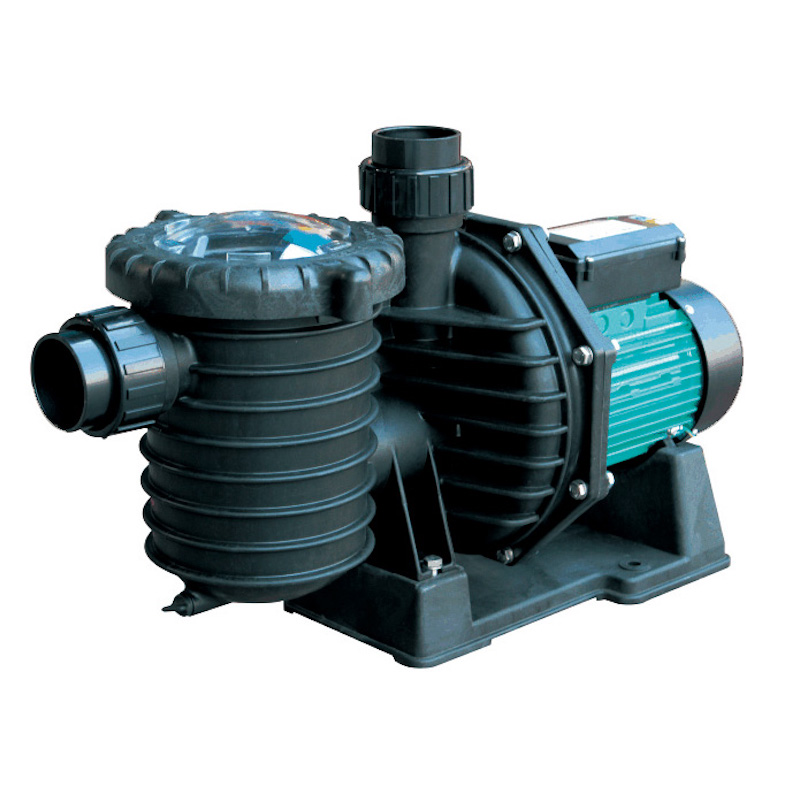
Horsepower (HP) is a measure of the motor's power output, not a guarantee of better filtration on its own. In pool systems, horsepower interacts with impeller design, flow rate, and plumbing resistance (head) to determine how much water your pump can circulate per hour. [poolpartstogo]
From an engineer's perspective:
- A 1.5 HP pump is designed to move enough water for small-to-medium inground pools with relatively simple plumbing. [poolzoom]
- A 2 HP pump can push higher flow for larger pools, long pipe runs, many fittings, water features, and complex filtration systems. [vitafilters]
The key: more horsepower is not automatically better—it must match your pool's hydraulic design and filter capacity. [thepoolnerd]
Below is a practical, at-a-glance comparison for typical inground pool scenarios based on industry guidance and common manufacturer recommendations. [poolpartstogo]
| Factor | 1.5 HP Pool Pump | 2 HP Pool Pump |
|---|---|---|
| Typical pool size | Up to ~30,000 gallons (simple plumbing) (vitafilters) | Often 30,000+ gallons or complex layouts (vitafilters) |
| Flow & turnover | Adequate turnover in 8–12 hours for standard pools (poolpartstogo) | Higher flow for faster turnover or heavy-demand systems (poolpartstogo) |
| Energy consumption | Lower daily energy use and bills (poolpartstogo) | Higher potential energy use if run at full speed (poolpartstogo) |
| Noise level | Generally quieter in real use (poolpartstogo) | Can be noticeably louder at high speed (poolpartstogo) |
| Fit with common residential filters | Matches many residential sand/cartridge filters well (vitafilters) | Easy to oversize relative to filter if not calculated (poolzoom) |
| Best use cases | Standard backyard pools, moderate plumbing, cost focus (vitafilters) | Large pools, attached spas, waterfalls, long pipe runs (vitafilters) |
For most homeowners with a typical inground pool, a 1.5 HP pump is more than sufficient when properly paired with the right filter and plumbing. [poolzoom]
A 1.5 HP pump is often ideal if:
- Your pool is under ~30,000 gallons with a straightforward shape and layout. [vitafilters]
- You don't have multiple large water features or long elevated plumbing runs.
- Your current sand or cartridge filter is sized for moderate flow rather than high industrial rates. [thepoolnerd]
- You want lower energy bills and quieter operation. [poolpartstogo]
Industry testing and buyer guides repeatedly note that a well‑designed 1.5 HP pump can outperform cheap 2 HP models in real circulation efficiency because it runs closer to the filter's optimal flow range rather than blasting water too fast through the media. [thepoolnerd]
A 2 HP pump is a powerful tool—but it should be treated as such: something you choose for specific technical reasons, not simply to "upgrade." [poolzoom]
A 2 HP pump is worth considering if:
- Your pool volume is large (often 30,000+ gallons) or unusually deep. [vitafilters]
- Plumbing is long, elevated, or full of fittings that create high total dynamic head (TDH). [poolpartstogo]
- You run a spa, multiple waterfalls, deck jets, or in-floor cleaning off the same pump. [poolzoom]
- You use large commercial filters (for example, fiberglass or steel commercial sand filters from manufacturers such as Guangdong Poolking) that are engineered for high flow. [poolking]
However, from a system design perspective, installing a 2 HP pump on a small residential filter can:
- Drive water too fast through the filter media, reducing filtration quality.
- Increase backwash frequency and wear on filter components.
- Raise energy consumption significantly with very limited real-world benefit. [thepoolnerd]
This is why professional manufacturers and system integrators look at pump, filter, and plumbing as one hydraulic system, not isolated parts. [poolking.en.made-in-china]
The original Vita Pool Supply guide emphasizes pool size compatibility—1.5 HP for pools up to ~30,000 gallons and 2 HP for larger or irregular pools. That rule-of-thumb is useful, but as an engineer or advanced pool owner, you'll get better results by also considering head loss and target turnover. [vitafilters]
Key technical concepts:
- Turnover time: How long it takes for the pump to circulate a full pool volume once. Common residential targets are 8–12 hours. [poolpartstogo]
- Flow rate (GPM): How many gallons per minute your pump actually moves at your system's total dynamic head.
- Total dynamic head (TDH): Resistance created by pipe length, bends, elevation, heater, filter, and fittings.
For example, two 25,000‑gallon pools can require different horsepower:
- A compact backyard pool with short, straight plumbing might work perfectly with 1.5 HP at modest speed.
- A large, multi-level pool-spa combo with long runs and features may justify 2 HP to achieve the same turnover within reasonable run times. [poolzoom]
As a manufacturer of commercial pool sand filters and complete filtration systems, Poolking's engineering teams routinely run these hydraulic calculations before specifying pump horsepower, especially for hotels, water parks, and training facilities. [poolking]
The original comparison guide points out that 2 HP pumps consume more electricity than 1.5 HP units, which directly impacts operating costs. That's accurate—but there are nuances that matter for owners and facility managers. [vitafilters]
From an energy and cost perspective:
- A 1.5 HP single‑speed pump typically draws less power and is cheaper to run daily than a 2 HP single‑speed running the same number of hours. [poolpartstogo]
- A 2 HP variable‑speed (VS) pump, however, can run at lower RPM for everyday filtration, dramatically cutting power consumption, then ramp up only when you need extra flow for vacuuming or features. [forum.mavaquadoc]
In other words, if you need 2 HP capacity, pairing it with variable‑speed technology and a properly matched commercial‑grade filter can offset the raw horsepower penalty and even improve efficiency. [swimmingpoolsteve]
For residential users focused on budget and simplicity, a correctly matched 1.5 HP pump + sand or cartridge filter remains an excellent, energy‑aware baseline. [poolzoom]
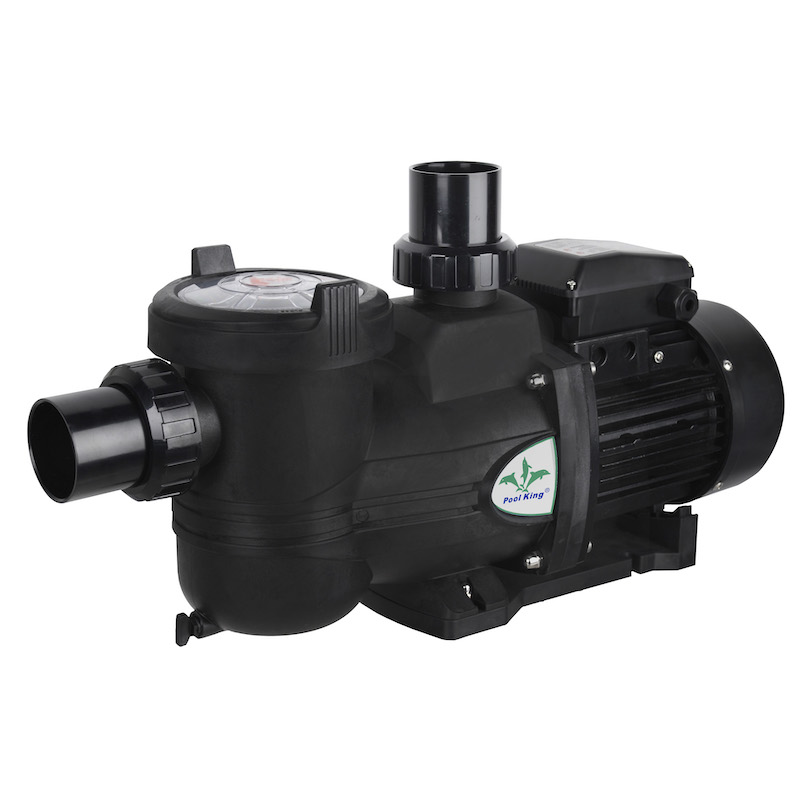
Power is not the only thing that matters—sound and comfort are increasingly important to homeowners and high‑end commercial facilities alike.
Based on industry guides and user feedback:
- 1.5 HP pumps generally operate quieter than 2 HP units at comparable technology levels. [poolpartstogo]
- 2 HP pumps at full speed can be noticeably louder, which matters if equipment is close to living or lounging areas. [poolzoom]
- Variable‑speed units, regardless of horsepower, tend to be much quieter at low to medium RPM, which is where they run most of the time. [pentair]
For hotels, resorts, or public pools, pairing low‑noise pumps with well‑designed commercial filters helps create a more comfortable poolside experience without sacrificing water quality, something manufacturers like Poolking take into account when designing complete filtration systems. [poolking.en.made-in-china]
One of the biggest gaps in many online comparison articles is the relationship between pump horsepower and filter type. Your filter has a maximum recommended flow rate—exceed it, and performance actually gets worse. [thepoolnerd]
Typical patterns:
- Sand filters (including fiberglass and plastic sand filters from commercial manufacturers):
- Handle relatively high flow rates and are forgiving, making them a common match with 1.5 HP and some 2 HP pumps.
- Oversizing the pump can still cause channeling in the sand bed and less effective filtration. [thepoolnerd]
- Cartridge filters:
- Often designed for moderate flow with high surface area.
- Too much flow from an oversized pump can cause premature cartridge wear and higher pressure. [thepoolnerd]
- DE (diatomaceous earth) filters:
- Provide very fine filtration and usually have specific flow limits.
- Need careful pump selection to avoid forcing DE off the grids or plates.
As a manufacturer deeply involved in commercial pool sand filters, fiberglass sand filters, plastic sand filters, and cartridge filters, Poolking's engineering teams typically start with the required filtration rate, then select pump horsepower to stay within each filter's designed operating envelope. [poolking]
To illustrate how professionals think about 1.5 HP vs 2 HP pumps, consider two simplified cases.
Case 1 – Standard Residential Pool (1.5 HP)
- 15,000–25,000 gallon backyard inground pool
- Simple plumbing, one skimmer, one main drain, short equipment pad run
- Medium‑size fiberglass sand filter or cartridge filter
- Goal: Reliable clarity, low cost, quiet operation
In this scenario, a 1.5 HP pump is often optimal when combined with a correctly sized filter and 8–12 hour daily turnover. A 2 HP single‑speed pump would likely be overkill, raising energy costs without visible water quality gains. [vitafilters]
Case 2 – Commercial/Resort Pool (2 HP and Above)
- Large hotel or resort pool with connected spa
- Long plumbing runs, multiple returns, water features
- Commercial‑grade fiberglass sand filters in large diameters
- Goal: Strict health code compliance, fast recovery after heavy use, robust redundancy
Here, 2 HP or higher‑rated pumps, often in multipump configurations, are common, especially when paired with filtration systems from specialized manufacturers like Poolking that are engineered to handle high flow safely and efficiently. The design is based on flow calculations, turnover mandates, and safety margins—not just a simple "bigger HP is better" mindset. [poolking.en.made-in-china]
To help homeowners and facility managers make a decision, here is a practical framework you can follow before speaking to an installer or supplier:
1. Confirm your pool volume
- Calculate or estimate total gallons (length × width × average depth × 7.5 for rectangular pools).
- Note whether you have attached spas or significant features.
2. Check your plumbing and equipment layout
- Measure approximate pipe run length from pool to equipment pad.
- Note pipe diameter, number of elbows, tees, and elevation changes.
- Record whether you have a heater, solar array, or in-floor cleaner in the loop.
3. Identify your filter type and model
- Sand, cartridge, or DE, plus manufacturer and model.
- Look up the maximum flow rate in the manual or on the label. [poolzoom]
4. Decide on your priorities
- Lowest operating cost and quietness → lean toward 1.5 HP where feasible.
- High performance for large pools and complex systems → consider 2 HP, preferably variable‑speed. [forum.mavaquadoc]
5. Consult with a specialist manufacturer or dealer
- Share your pool specs and goals with an experienced supplier.
- Companies like Guangdong Poolking, with over 20 years in commercial pool filtration and full system manufacturing, can recommend pump–filter combinations that balance performance, cost, and longevity. [poolking]
When you buy a pump and filter as isolated components, you often rely on generic horsepower rules and retailer advice. In contrast, integrated systems from professional manufacturers are:
- Engineered as a complete hydraulic package—pump, filter (sand, cartridge, or DE), valves, and sometimes LED lighting and fittings are matched for compatible flow and pressure. [poolking.en.made-in-china]
- Tested under real operating conditions for reliability, priming, and noise.
- Supported by technical teams who can advise on upgrades, retrofits, or commercial-scale designs.
Guangdong Poolking operates two advanced production bases in Guangzhou and Taishan (totaling around 60,000 m²) and specializes in commercial pool sand filters, fiberglass and plastic sand filters, cartridge filters, pumps, LED lights, and fittings. This manufacturing depth allows them to suggest whether a 1.5 HP or 2 HP pump is the right match not only for your pool, but for the specific filter tank size, internal distribution system, and application scenario. [poolking]
Drawing on both the Vita Pool Supply comparison and broader industry experience, here are some expert-level tips:
- Do not upgrade HP without checking the impeller and filter. Simply swapping a 1.5 HP motor to 2 HP without changing the impeller does not automatically increase flow and may create electrical load issues. [reddit]
- Avoid oversizing "just in case." Many pool owners who jump to 2 HP find that their filter runs at higher pressure, with little visible benefit compared to a properly matched 1.5 HP pump. [thepoolnerd]
- Consider variable‑speed if your budget allows. If you truly need 2 HP capability, a variable‑speed model lets you harvest energy savings while still having high‑flow "on demand." [swimmingpoolsteve]
- Think long‑term serviceability. Work with established manufacturers and suppliers that can support parts, warranty, and expert advice across pump, filter, and accessories. [trustpilot]
If you are currently deciding between a 1.5 HP and 2 HP pool pump, here's a simple plan:
- For standard residential pools (≤ ~30,000 gallons, simple plumbing), shortlist a high‑quality 1.5 HP pump and ensure it matches your existing sand or cartridge filter. [vitafilters]
- For large, complex, or commercial-style pools, consult with a system manufacturer like Guangdong Poolking or a specialist dealer to model flow, head, and filter capacity before committing to 2 HP. [poolking.en.made-in-china]
- If you are already running a 2 HP single‑speed and your energy bills are high, discuss moving to a variable‑speed unit and potentially optimizing filter size/type at the same time. [pentair]
When you are ready to design or upgrade a complete system—pump, filter, and fittings—it is worth engaging a manufacturer-backed solution that can deliver commercial-grade filters and tailored pump recommendations rather than relying on horsepower alone. [poolking]
1. Is a 2 HP pump always better than a 1.5 HP pump?
No. A 2 HP pump only outperforms a 1.5 HP pump when your pool volume, plumbing complexity, and filter capacity genuinely require higher flow; otherwise, it often just costs more to run and can be noisier. [poolpartstogo]
2. What pool size is best for a 1.5 HP pump?
A 1.5 HP pump is commonly recommended for inground pools up to around 30,000 gallons with relatively simple plumbing, assuming it is paired with a correctly sized filter. [vitafilters]
3. Will a 2 HP pump clean my pool faster?
It can, because higher horsepower can support higher flow and faster turnover—but only if your filter and plumbing are sized to handle that flow without excessive pressure or reduced filtration efficiency. [poolpartstogo]
4. Can I just swap my 1.5 HP pump for 2 HP on the same filter?
Not safely by default. You must verify your filter's maximum flow rating, existing plumbing, and electrical capacity, and in many cases also change the impeller to maintain proper performance and amp draw. [reddit]
5. How do professional manufacturers choose between 1.5 HP and 2 HP?
Manufacturers like Guangdong Poolking look at pool volume, required turnover time, TDH, and filter specifications, then select pump horsepower and model that deliver the needed flow while protecting the filter and optimizing energy use. [poolking.en.made-in-china]
1. Vita Pool Supply – "1.5 HP vs. 2 HP Pool Pump Comparison Guide" (original article context and sizing guidelines).
https://www.vitafilters.com/blogs/news/1-5-hp-vs-2-hp-pool-pump-comparison-guide [vitafilters]
2. Pool Parts To Go – "Choosing the Right Pool Pump: 1.5 HP vs 2 HP".
https://poolpartstogo.com/blogs/articles/1-5-hp-vs-2-hp [poolpartstogo]
3. Pool Zoom – "1.5 HP vs 2 HP Pool Pump: Which One is Right for Your Pool?".
https://www.poolzoom.com/15-hp-vs-2-hp-pool-pump-which-one-is-right-for-your-pool.html [poolzoom]
4. The Pool Nerd – "Best Swimming Pool Pumps: The Complete Guide".
https://www.thepoolnerd.com/best-pool-pumps [thepoolnerd]
5. Guangdong Poolking – "Swimming Pool Sand Filters Suppliers & Manufacturers".
https://www.poolking.co/pool-sand-filter.html [poolking]
6. Guangdong Poolking – Commercial Sand Filters for Swimming Pools (manufacturer profile and product scope).
https://poolking.en.made-in-china.com/product/IKyJwvFMcBcV/China-Commercial-Sand-Filters-for-Swimming-Pools.html [poolking.en.made-in-china]
7. Beatbot / other industry blogs and forums – Additional insights on horsepower, variable-speed usage, and practical sizing discussions.
https://beatbot.com/blogs/pool-design-construction/1hp-vs-1-5hp-pool-pump [beatbot]
https://www.troublefreepool.com/threads/1-5-hp-or-2-hp-pool-pump-27000-gal-pool.111538 [troublefreepool]
https://www.reddit.com/r/swimmingpools/comments/1bap6w9/15_hp_to_2hp [reddit]
https://forum.mavaquadoc.com/index.php [forum.mavaquadoc]
8. Pentair – Variable Speed Pool Pumps Comparison Flyer (reference for variable-speed behavior).
https://www.pentair.com [pentair]
9. Vita Pool Supply – Blog sitemap and user review references.
https://www.vitafilters.com/apps/sitemap [vitafilters]
https://www.trustpilot.com/review/vitafilters.com [trustpilot]


