
Views: 222 Author: Poolking Filter Equipment Publish Time: 2026-06-12 Origin: Site


Content Menu
● Pool Heat Pump vs Gas Heater – Cost Breakdown
>> Upfront Purchase and Installation Costs
● Heating Speed and Performance in Real Conditions
>> Heating Speed – How Fast Will My Pool Warm Up?
>> Climate and Seasonal Performance
● Efficiency, Environmental Impact, and Lifespan
● Real-World Usage Scenarios (User Insight Perspective)
● How Poolking's Filtration Expertise Fits into the Decision
● Practical Steps to Choose Between a Pool Heat Pump and Gas Heater
>> Step 1 – Define Your Climate and Season
>> Step 2 – Map Your Usage Pattern
>> Step 3 – Estimate Operational Costs
● Table – Pool Heat Pump vs Gas Heater at a Glance
● Expert Tips for Maximizing Any Pool Heater's Efficiency
● When a Hybrid or Future-Ready Strategy Makes Sense
● FAQ – Pool Heat Pump vs Gas Heater
A pool heat pump is usually the best long-term choice for most residential pools because it offers lower operating costs and higher energy efficiency, while a gas heater excels when you need faster, more powerful heating in colder conditions or for spas. The right solution often blends both performance and budget: many homeowners choose a heat pump for everyday heating and consider gas only if they need rapid temperature boosts or all-weather reliability. [turbro]
When you compare a pool heat pump vs gas heater, you are really deciding between lower monthly cost and high efficiency (heat pump) versus faster, all-weather heating (gas). Instead of asking "Which technology is best?", it is more useful to ask, "Which pool heater matches my climate, usage habits, and budget?" [vitafilters]
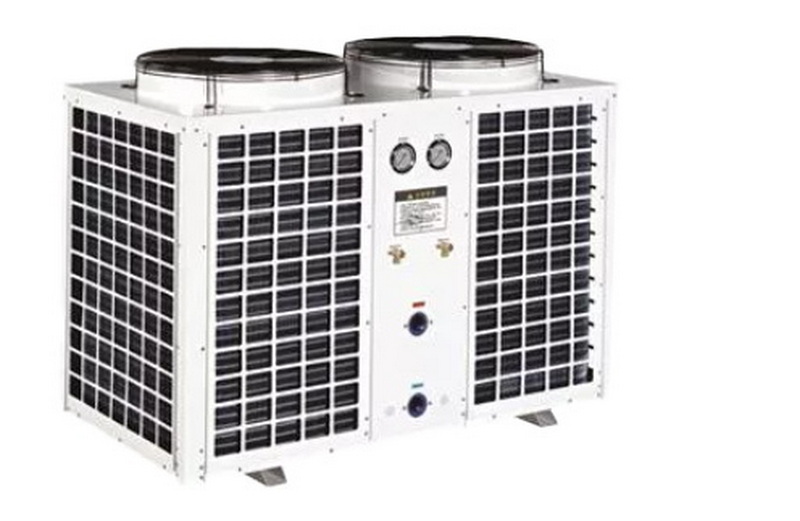
A pool heat pump does not burn fuel to create heat; it works more like an air conditioner in reverse. The unit pulls in outside air, uses refrigerant and a compressor to capture heat from that air, and then transfers that heat into your pool water. [turbro]
Because heat pumps move heat instead of generating it, they achieve very high efficiency: many models reach a Coefficient of Performance (COP) of around 5 to 6.5, which means 1 unit of electricity in can deliver 5–6.5 units of heat output. In practical terms, that is why electric pool heat pumps are often dramatically cheaper to run than gas heaters over an entire season. [shastapoolsupply]
Key advantages of heat pumps:
- Very high efficiency and lower monthly energy bills in mild to warm climates. [pinchapenny]
- Ideal for maintaining a steady temperature when the pool is used most days. [beltwaypools]
- Typically longer lifespan, often around 10–15 years, when properly installed and maintained. [turbro]
Limitations:
- Heating is slower; most heat pumps are designed to hold temperature, not to rapidly heat very cold water. [shastapoolsupply]
- Performance drops in cold weather; most units are optimized for air temperatures above about 50°F. [beltwaypools]
A gas pool heater burns natural gas or propane in a combustion chamber and uses the flame to heat a copper or alloy heat exchanger. Pool water passes through that exchanger and returns to the pool significantly warmer. [turbro]
This design makes gas heaters powerful and fast; they can raise pool water temperature more quickly than heat pumps and perform reliably even when the air temperature is low. [shastapoolsupply]
Key advantages of gas heaters:
- Fast heating speed – often around 2°F per hour under typical conditions, depending on pool size and heater output. [reddit]
- Work well in colder climates and shoulder seasons, even when air temperatures drop close to freezing. [energy]
- Ideal for spas and for owners who use the pool only on weekends and want fast, on‑demand heat. [beltwaypools]
Limitations:
- Lower efficiency: typical gas heaters achieve around 0.8–0.95 COP (80–95% efficiency), meaning some of the fuel's energy is lost as exhaust. [energy]
- Higher monthly energy costs, especially with rising natural gas or propane prices. [vitafilters]
Most buyers focus on two questions:
1. How much will the heater cost to buy and install?
2. How much will it cost to run every month?
Recent homeowner guidance shows typical ranges for residential systems: [shastapoolsupply]
- Pool heat pump:
- Equipment: about 800 USD to 6,500 USD depending on brand and capacity. [turbro]
- Many guides quote 2,000–7,000 USD as a common range for full-size residential heat pumps. [shastapoolsupply]
- Installation: about 500–1,000 USD, depending on electrical access and site complexity. [shastapoolsupply]
- Gas pool heater (natural gas or propane):
- Equipment: typically around 1,500–6,000 USD, depending on BTU rating and brand. [turbro]
- Installation: around 500–1,500 USD, reflecting gas line, venting, and code requirements. [shastapoolsupply]
In many projects, gas heaters appear slightly cheaper to purchase, but the gap has shrunk as heat pump technology matures and more mid-range models become available. [turbro]
Where the pool heat pump vs gas heater decision really separates is monthly operating costs.
Several expert sources and field data indicate: [vitafilters]
- Heat pump monthly operating cost: often around 50–150 USD per month for residential pools in warm climates, depending on electricity rates, run time, and target temperature. [turbro]
- Gas heater monthly operating cost: typically 300–500 USD, and for high-output propane systems, some users report up to 850 USD per month for heavy use. [shastapoolsupply]
One comparison breaks it down further: [shastapoolsupply]
- Heat pump: about 0.63 USD per hour of run time.
- Gas heater: roughly 3–9 USD per hour, depending on fuel price and heater size.
This is why many serious swimmers and year-round pool owners find that a heat pump, despite higher upfront cost, pays for itself through lower monthly bills over several seasons. [vitafilters]
Gas pool heaters typically deliver faster heating than heat pumps. Practical homeowner reports indicate that a high-output gas heater (for example, a 400,000 BTU unit) can raise water temperature around 1–2°F per hour, depending on pool size, wind, and cover use. [reddit]
Heat pumps, by contrast, often warm water at around 1–1.5°F per hour in favorable conditions and are best used to maintain a set temperature rather than "rescue" a cold pool in a couple of hours. [beltwaypools]
- Heat pumps perform best when air temperature stays above about 50°F. In warm regions, they can extend the swimming season by 2–3 months with reasonable operating costs. [beltwaypools]
- Gas heaters maintain output across a broader temperature range, making them suitable for cold climates, shoulder seasons, and spas that need high temperatures regardless of weather. [energy]
A practical homeowner rule of thumb from regional experts is: [pinchapenny]
- Choose a heat pump if you want efficient, steady heating during the main swim season.
- Choose gas if speed, spa performance, or cold-weather use matters more than your monthly energy bill.
From an energy and sustainability standpoint, heat pumps are typically the efficiency champions. Their high COP values mean they use much less energy to provide the same heating effect compared to gas or electric resistance heaters. [pinchapenny]
Gas heaters still have a place: they provide reliable, controllable heat in all weather and can be paired with renewable electricity for circulation and filtration systems to offset some environmental impact. However, if your priority is lower carbon footprint and long-term efficiency, a heat pump is usually the better choice. [pinchapenny]
In terms of component life:
- Heat pumps often deliver around 10–15 years of service with proper maintenance. [turbro]
- Gas heaters commonly last about 5–10 years, depending on water chemistry, maintenance, and installation quality. [turbro]
Based on homeowner feedback and regional installer guidance, some patterns emerge: [reddit]
- Daily swimmers in warm climates: Heat pumps are favored because they hold temperature efficiently, keeping the water comfortable with relatively low monthly bills.
- Weekend-only or occasional users: Gas heaters are often chosen to allow fast heating from cold, especially when running the pool only for special events.
- Large pools with attached spas: Some owners run a mixed strategy, using a heat pump for the main pool and a gas heater for the spa and rapid boosts in shoulder seasons.
These observations align with the performance characteristics of each technology and reinforce the importance of matching the heater to usage patterns, not just price tags. [beltwaypools]
As a manufacturer with over 20 years of experience in commercial pool sand filters, fiberglass sand filters, plastic sand filters, cartridge filters, and other pool filtration equipment, Poolking understands that heating and filtration are part of the same system. Efficient heating depends on a well-designed circulation and filtration setup, including properly sized filters, pumps, and plumbing. [poolking]
Operating out of two advanced production bases totaling around 60,000 square meters in Guangzhou and Taishan City, Poolking manufactures filtration systems (sand, DE, cartridge filters), pumps, LED lights, and fittings, supplying both commercial facilities and residential pools. This system-level approach helps ensure that whatever heater you choose, the rest of your pool equipment supports clean, well-circulated water, improving energy efficiency and user comfort. [poolking.en.made-in-china]
1. Check your typical air temperature during the months you want to swim.
2. If your average swim-season temperatures are above 50°F, a heat pump will generally be efficient and reliable. [beltwaypools]
3. If you often swim when air temperatures fall near or below that level, a gas heater or hybrid approach may be more practical. [energy]
Ask yourself:
- Do you swim most days during the season?
- Or do you use the pool only on weekends or special occasions?
Daily swimmers usually benefit from a heat pump that holds the water at a comfortable, steady temperature. Occasional users, especially those who want to "turn on" the pool for a weekend, may find a gas heater more convenient despite the higher fuel cost. [pinchapenny]
Use the ranges above as a starting point:
- For a moderate-size residential pool, assume 50–150 USD/month for a heat pump vs 300–500 USD/month for a gas heater under similar usage. [shastapoolsupply]
- Multiply the higher monthly cost of gas by your typical number of months of use to estimate total seasonal cost.
If you run your pool 6 months per year, the difference in seasonal operating cost can reach several hundred dollars or more, in favor of the heat pump. [vitafilters]
Below is a concise comparison of heat pumps vs gas pool heaters based on recent expert guidance. [pinchapenny]
| Factor | Pool Heat Pump | Gas Pool Heater |
|---|---|---|
| Upfront equipment cost | Around 800–6,500 USD for residential units, often 2,000–7,000 USD installed. (shastapoolsupply) | Typically 1,500–6,000 USD for equipment plus 500–1,500 USD installation. (shastapoolsupply) |
| Monthly operating cost | About 50–150 USD in many warm climates, roughly 0.63 USD/hour. (shastapoolsupply) | Often 300–500 USD/month; up to 850 USD/month for heavy propane use, around 3–9 USD/hour. (shastapoolsupply) |
| Heating speed | Slower; around 1–1.5°F per hour under favorable conditions. (shastapoolsupply) | Faster; around 2°F per hour for many setups. (shastapoolsupply) |
| Efficiency (COP) | High; often around 5.0–6.5. (turbro) | Lower; around 0.8–0.95. (turbro) |
| Climate suitability | Best above about 50°F; great for extended seasons in mild regions. (shastapoolsupply) | Works in a wide range of temperatures, including colder climates. (turbro) |
| Typical lifespan | Roughly 10–15 years with good maintenance. (turbro) | Often around 5–10 years. (turbro) |
| Best for | Daily or frequent swimmers focused on efficiency and sustainability. (shastapoolsupply) | Weekend use, spas, or colder climates needing fast, flexible heating. (shastapoolsupply) |
Regardless of whether you choose a heat pump or gas heater, several best practices can dramatically improve efficiency and comfort: [energy]
- Use a high-quality pool cover to reduce heat loss, especially at night.
- Optimize your filtration system with properly sized sand or cartridge filters and energy-efficient pumps to ensure good circulation and reduce run time. [poolking]
- Maintain correct water chemistry to protect heat exchanger surfaces and prolong equipment life. [pinchapenny]
- Set realistic target temperatures; every degree higher can significantly increase energy consumption.
For commercial or larger pools, working with a manufacturer like Poolking that provides integrated filtration and equipment solutions can help you design a system that balances heating, filtration, lighting, and hydraulic performance for long-term reliability. [poolking.en.made-in-china]
In some projects, especially in larger residential or light-commercial pools, a hybrid approach can deliver the best of both worlds:
- A heat pump handles day-to-day heating efficiently during the main season.
- A gas heater (or future gas-ready connection) provides backup or rapid heating for spa zones and off-season usage.
As regulatory and market trends continue to favor higher efficiency and lower emissions, many owners choose to invest in heat pump-ready plumbing and electrical infrastructure even if they initially install gas. This future-proofing makes it easier to switch or complement systems later as energy prices and regulations evolve. [energy]
If you are planning a new pool project or upgrading your existing system and want a balanced, efficient solution:
- Start by defining your climate, usage pattern, and target season length.
- Shortlist a heat pump vs gas heater option using the cost and performance guidelines above.
- Then consult with a qualified pool equipment specialist or Poolking partner to ensure your filter system, pumps, and heater are correctly sized and integrated. [poolking]
A well-designed system will not just heat your pool—it will deliver clear water, stable temperatures, and predictable running costs season after season. [poolking.en.made-in-china]
Q1. Is a pool heat pump really cheaper to run than a gas heater?
Yes. In many modern case studies, heat pumps cost about 50–150 USD per month to run, compared with 300–500 USD for gas heaters under similar conditions, largely due to their higher efficiency and lower energy waste. [vitafilters]
Q2. Can a heat pump keep my pool warm all year?
If you live in a mild or warm climate where air temperatures stay reasonably high, a heat pump can maintain comfortable water temperatures for most of the year, especially when paired with a cover. In colder regions, its performance drops in winter, and a gas heater or hybrid solution may be necessary. [pinchapenny]
Q3. How do I know what size gas heater I need?
Official guidance suggests calculating the required BTU output from pool surface area and desired temperature rise, using formulas such as Pool Area × Temperature Rise × 12, adjusted for wind and desired heating rate. A professional installer can apply this formula with your local conditions to recommend a precise heater size. [energy]
Q4. Which is better for an attached spa – heat pump or gas?
For attached spas that need to reach high temperatures quickly, gas heaters often perform better because they can raise water temperature much faster than heat pumps and handle higher output demands in colder air. Some owners use a heat pump for the main pool and gas for the spa to balance cost and performance. [beltwaypools]
Q5. How does filtration equipment affect pool heating efficiency?
A properly sized sand or cartridge filter, combined with an efficient pump, ensures good water circulation through the heater, reducing run time and improving energy efficiency. Manufacturers like Poolking, with more than 20 years in pool filtration systems, emphasize system-level design so that heating, filtration, and hydraulics work together. [poolking]
1. Shasta Pools – "Heat Pump vs Gas Pool Heater: Which Saves More Money?" (cost and operating ranges). [shastapoolsupply]
2. Turbro – "Pool Heat Pump vs. Gas Heater vs Electric Resistance" (COP, cost, and efficiency comparisons). [turbro]
3. Vita Filters – "Pool Heat Pump vs. Gas Heater Costs" (cost overview for residential pools). [vitafilters]
4. Beltway Pools – "Heat Pump vs Gas Pool Heater: DMV Homeowner Guide" (usage patterns and regional advice). [beltwaypools]
5. Pinch A Penny – "What Type of Pool Heater is Right for You?" (heater types and practical considerations). [pinchapenny]
6. U.S. Department of Energy – "Gas Pool Heaters" (sizing formula and efficiency considerations). [energy]
7. Reddit – "Can I get a rough idea on what you guys are paying to heat…" (real-world user cost experiences). [reddit]
8. Poolking – "Swimming Pool Sand Filters Suppliers & Manufacturers" and related company sources (company capabilities and system perspective). [poolking.en.made-in-china]
Would you like a version of this article tailored specifically for commercial pools and hotels, focusing on lifecycle costs and multi-pool systems?


