
Views: 222 Author: Tina Publish Time: 2025-12-23 Origin: Site


Content Menu
● What a Cartridge Filter Does
● When to Clean Pool Filter Cartridges
● Step‑by‑Step: Basic Cartridge Cleaning
>> Step 1: Turn Off Power and Pump
>> Step 3: Open the Filter Housing
>> Step 4: Remove the Cartridges
>> Step 5: Rinse with a Garden Hose
>> Step 7: Reinstall Cartridges and Close Tank
>> Step 8: Restart and Check Pressure
● Deep Cleaning with Cartridge Cleaner
>> Degreasing Soak (Alkaline Cleaner)
>> Descaling Soak (Acid Cleaner, Optional)
● When to Replace a Cartridge Instead of Cleaning
● OEM and Professional Cartridge Solutions
● FAQs About Cleaning Pool Filter Cartridges
>> 1. How often should I clean my pool filter cartridges?
>> 2. Can I use a pressure washer to clean cartridges?
>> 3. What chemicals are safe for deep cleaning?
>> 4. How long do pool filter cartridges last?
>> 5. What are the signs my cartridge needs replacement, not just cleaning?
>> 6. Does a bigger cartridge filter mean less cleaning?
Keeping pool filter cartridges clean is essential for clear water, lower chemical consumption, and long equipment life. Regular cleaning restores normal pressure, improves circulation, and protects the pump and heater from strain.[1][2]
As a professional Chinese manufacturer of sand filters, DE filters, cartridge filters, pool pumps, LED pool lights, and accessories offering OEM services to global brands and wholesalers, this guide is written to help both end users and professional partners maintain cartridge systems correctly.
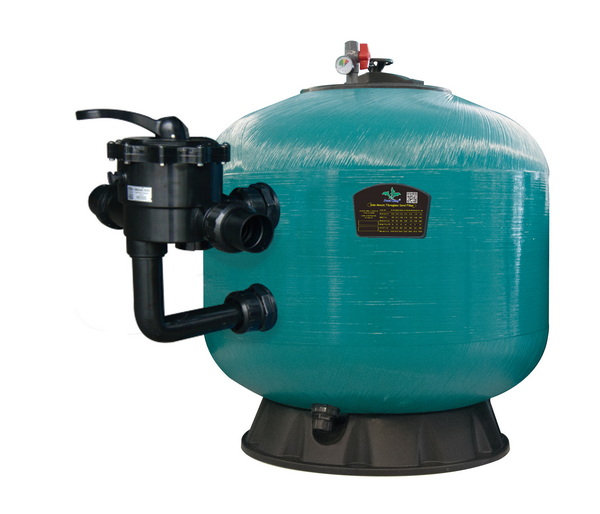
A pool cartridge filter forces water through pleated polyester media that traps dirt, body oils, sunscreen, pollen, fine particles, and algae before clean water returns to the pool.[3]
Unlike sand or DE filters, cartridge filters have more surface area in a compact body, which makes them highly efficient, energy-friendly, and suitable for both residential and commercial pools.[4][3]
Most technicians clean cartridge filters whenever the pressure gauge rises about 8–10 psi above the normal “clean” starting pressure.[5][1]
Under typical conditions, that can mean cleaning every 4–6 weeks during the swimming season, but heavy debris, trees, or frequent pool use may require more frequent cleaning.[6][2]
- Clean when:
- Pressure is 8–10 psi above baseline (for example, from 10 psi up to 18–20 psi).[5]
- Water looks cloudy or circulation is weak even with correct chemistry.[7]
- You see visible dirt or algae on the cartridge surface during inspection.[6]
Before working on any pool filtration system, the power and pressure must be safely controlled to avoid injury or equipment damage.[8][9]
Many manufacturers also recommend wearing gloves and safety glasses, especially when using chemical cleaners or acid soaks.[10][11]
Tools and supplies:
- Flat surface near equipment pad
- Garden hose with spray nozzle (no pressure washer)[10][7]
- Soft nylon brush for pleats (optional)[10]
- Bucket or plastic trash can for soaking[10]
- Commercial cartridge cleaner or mild detergent[12][13]
- Optional: approved acid cleaner for scale (muriatic acid at proper dilution)[11][10]
- Silicone lubricant for tank o‑rings[14]
This is the standard procedure most pool owners follow several times per season. The exact clamp, lid, and drain details will vary depending on the filter brand and size.[12][14]
- Shut off the pool pump at the timer or control panel, then switch off the circuit breaker so the system cannot turn on while open.[9][8]
- Verify the pump will not start automatically (for example, from a scheduled program or smart controller).
- Open the air relief valve on top of the filter tank until the pressure gauge drops to zero and air stops hissing.[9][12]
- If your model has a bottom drain plug, remove it to let water drain out of the tank; this further de-pressurizes the housing and makes it safer to open.[14][8]
- Loosen the clamp band or locking ring according to the manufacturer's instructions.[12][14]
- Carefully lift off the filter lid and set the o‑ring aside in a clean place, avoiding sand or grit that could cause leaks later.[14]
- Lift out the cartridge elements (single or multiple) and note their orientation; many cartridges are marked “Top” to prevent incorrect installation.[12][14]
- Place cartridges on a clean surface away from soil or loose gravel that could embed in the pleats.
- Using a regular garden hose with moderate pressure, rinse each cartridge from top to bottom, working in between the pleats to flush out debris.[3][10]
- Do not use a pressure washer, as high pressure can tear the fabric and permanently damage the media.[7][10]
- Check the end caps for cracks, look for tears in the fabric, and inspect the bands that hold pleats together.[6][14]
- If pleats are collapsed, fabric is fraying, or the core is broken, the cartridge should be replaced rather than reused.[1][6]
- After rinsing, allow cartridges to drain briefly, then seat them back on the support stand in the same orientation as removed.[12]
- Clean the tank o‑ring groove, apply a thin layer of silicone lubricant, reinstall the o‑ring, and secure the lid and clamp evenly according to torque recommendations.[14]
- Close the air relief valve, turn on the pump, then slowly open the air relief until water flows steadily to purge trapped air.[7][9]
- Confirm the pressure gauge returns to normal “clean” baseline and check for leaks around the clamp, drain plug, and unions.[5][6]
Over time, body oils, sunscreen, and fine debris form a film that plain water cannot fully remove. Using a dedicated cartridge cleaner or mild detergent helps restore performance.[13][3]
Alkaline-based cleaners are designed to break down oils and organic contaminants, while acid-based products are used later to remove scale and minerals.[13][10]
- Mix a commercial cartridge cleaner or mild detergent with water in a bucket or plastic trash can, following label instructions.[10][12]
- Soak the cartridges for the recommended time (often several hours) to dissolve oils and organic build-up, then rinse thoroughly with a hose to remove all residue.[10][12]
- If you see white crusty deposits or heavy scaling, use a diluted muriatic acid solution in a plastic container; for example, 1 part acid to about 20 parts water, always adding acid to water, not water to acid.[10]
- Only perform an acid bath after all oils have been removed, otherwise the acid can bake oils into the media and cause permanent damage.[11][10]
Important safety note:
- Wear gloves, goggles, and old clothing, and rinse the cartridges and any splashed surfaces thoroughly after soaking.[11][10]
Many cartridge failures come from improper cleaning, which shortens service life and increases costs unnecessarily.[4][5]
Avoid the following common errors:
- Using a pressure washer or very narrow, high-pressure nozzle that cuts the fabric.[7][10]
- Skipping pressure checks and only cleaning on a fixed calendar schedule, which can lead to overloading or unnecessary cleaning.[2][1]
- Mixing strong detergents and acid in the same soak or not rinsing thoroughly between steps.[11][10]
- Reassembling the tank with a dirty or twisted o‑ring, risking leaks or clamp failures.[9][14]
Even with perfect maintenance, cartridges do not last forever. Most residential cartridges last around 3–5 years, depending on usage, water balance, and cleaning practices.[4][6]
More frequent replacement may be needed for heavily used commercial pools, spas, or pools exposed to heavy debris and fine dust.
Replace cartridges if:
- The fabric has tears, holes, or worn spots that allow dirt to bypass.[6]
- Pleats are permanently flattened or separating from the end caps.[1][6]
- The filter quickly rises back to high pressure even after a thorough cleaning and chemical soak.[5][6]
For brands, wholesalers, and pool equipment manufacturers, choosing a reliable cartridge and filter OEM partner is critical for performance and warranty reputation.
A professional factory with automated production lines, quality control on pleat depth and media weight, and compatible housings for sand, DE, and cartridge systems can deliver consistent, private-label products for global markets.
Cleaning pool filter cartridges correctly and at the right time keeps water crystal clear, reduces chemical consumption, and extends the life of pumps, heaters, and other equipment.[2][1]
By combining a pressure-based schedule, safe disassembly and rinsing, periodic chemical soaks, and timely replacement, both residential pool owners and professional operators can maintain efficient, reliable filtration systems supplied by high-quality OEM manufacturers.[4][6]
Most experts recommend cleaning cartridges whenever the pressure gauge rises about 8–10 psi above the clean starting pressure, which often works out to every 4–6 weeks in the swimming season.[2][1]
Very dirty environments, heavy bather loads, or nearby trees may require more frequent cleaning, while oversized filters may need less.[15][6]
No; pressure washers are too aggressive and can tear the polyester fabric or distort the pleats, permanently reducing filtration efficiency.[7][10]
A regular garden hose with moderate pressure and a fan or focused spray pattern is sufficient and much safer for the media.[3][10]
Alkaline cartridge cleaners or mild detergents are commonly used to break down oils and organic debris in a soaking solution.[13][10]
For scale and mineral deposits, a diluted muriatic acid bath in a plastic container can be used carefully after degreasing, following label safety instructions.[11][10]
With proper cleaning and balanced water, many residential cartridges last around 3–5 years before needing replacement.[4][6]
Shorter life is common in commercial pools, spas, or systems exposed to heavy debris, very fine dust, or constant high bather load.[6]
If pressure quickly rises again after a full cleaning and soak, or if you see tears, cracked end caps, collapsed pleats, or persistent cloudy water, it is usually time to replace the cartridge.[1][6]
Regular inspection during each cleaning session helps you catch these signs early and maintain stable filtration performance.[5][14]
Yes; larger filters have more surface area, so they trap dirt with lower pressure rise and often go longer between cleanings.[2][1]
Many professionals intentionally oversize cartridge filters to reduce maintenance and improve overall water clarity for their clients.[6]
[1](https://poolscouts.com/when-to-clean-your-pool-filter-cartridge-vs-when-to-replace-it/)
[2](https://primepoolmarket.com/pool-filter-cleaner/)
[3](https://atomicfilters.com/blogs/news/how-to-clean-pool-filter)
[4](https://lesliespool.com/blog/how-to-clean-pool-cartridge-filter.html)
[5](https://lesliespool.com/blog/pro-tips-cartridge-filters-clean-replace.html)
[6](https://www.pioneerfamilypools.ca/advice/how-often-should-you-clean-your-pools-cartridge-filter/)
[7](https://www.youtube.com/watch?v=B_HHnHpN9C0)
[8](https://www.youtube.com/watch?v=YHt247GVMVQ)
[9](https://www.youtube.com/watch?v=OYWA07UVMwY)
[10](https://www.instructables.com/How-to-Clean-a-Pool-Cartridge-Filter-System/)
[11](https://www.thepoolfactory.com/blogs/pool-care/how-to-clean-a-pool-filter-cartridge)
[12](https://jeffspoolspa.com/learn/2024/5/23/a-step-by-step-guide-how-to-clean-your-pool-cartridge-filter-system)
[13](https://staging.massdevelopment.com/archive-library-602/pdf?dataid=Dwq33-7569&title=pool-filter-cartridge-cleaning-solution.pdf)
[14](https://www.youtube.com/watch?v=hIchNEEb3To)
[15](https://www.reddit.com/r/swimmingpools/comments/1by988d/how_often_do_you_clean_the_cartridge_filters/)
[16](https://www.reddit.com/r/pools/comments/16l58mb/anyone_deep_clean_their_own_pool_filter/)
[17](https://www.reddit.com/r/PoolPros/comments/1frqizi/filter_clean_chemicals/)
[18](https://www.reddit.com/r/pools/comments/16nj90r/what_are_you_guys_using_to_clean_cartridge_filters/)
[19](https://www.reddit.com/r/swimmingpools/comments/65vkg8/help_cleaning_pool_cartridge_filter/)
[20](https://www.reddit.com/r/pools/comments/pw6y13/sharky_poolshow_i_clean_pool_filter_cartridges/)


