
Views: 222 Author: Tina Publish Time: 2025-12-09 Origin: Site


Content Menu
● Understanding Bestway pool filters
● Safety steps before any cleaning
● How to clean a Bestway cartridge filter (step by step)
>> Step 1: Isolate and open the filter
>> Step 2: Remove and inspect the cartridge
>> Step 3: Rinse the cartridge with a garden hose
>> Step 4: Deep‑cleaning options (for oily or heavily soiled cartridges)
>> Step 5: Reassemble the pump and purge air
● How often to clean a Bestway pool filter
● When to replace the Bestway filter cartridge
● How to clean a Bestway sand filter pump
>> Backwashing the sand filter
● Extra tips to keep your Bestway filter clean longer
● FAQs about cleaning Bestway pool filters
>> 1: How often should I clean my Bestway pool filter cartridge?
>> 2: Can I pressure‑wash a Bestway filter cartridge?
>> 3: How do I know when to replace my Bestway filter cartridge?
>> 4: How often should I backwash a Bestway Flowclear sand filter?
>> 5: Do I need special chemicals to clean my Bestway cartridge?
How to clean a Bestway pool filter depends on your pump model, but in all cases you must switch off and unplug the pump, open the housing, rinse or replace the cartridge, then reassemble and purge air before restarting. Cleaning the filter regularly keeps water clear, reduces chemical use, and extends pump life.[1][2][3][4]
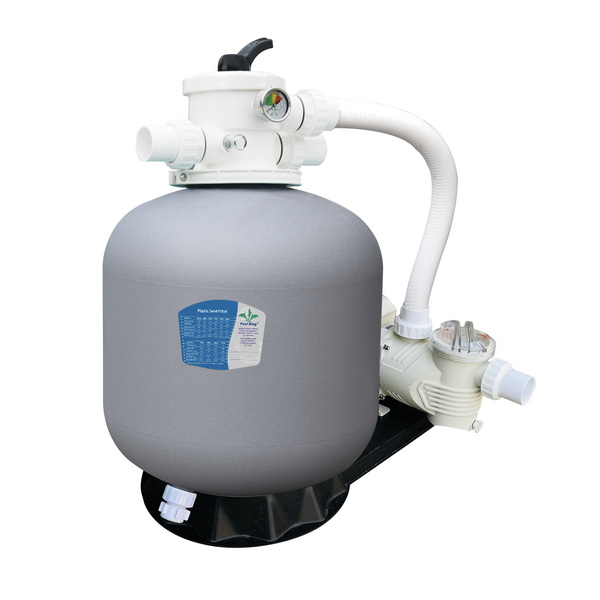
Most entry‑level Bestway pools include a small cartridge filter pump that uses a disposable paper cartridge (Type I/II/III, etc.) inside a plastic housing. Some larger Bestway pools use Flowclear sand filter pumps, which clean water by passing it through a bed of filter sand instead of a cartridge.[4][6][2][5]
- Cartridge filter pumps trap dirt in the pleated paper surface; they are cleaned by rinsing or replaced when discolored and clogged.[7][4]
- Sand filter pumps trap debris in silica sand and are cleaned by switching the multiport valve to “Backwash” and “Rinse.”[6][5]
Before touching the pump or opening the filter housing, always cut the power and relieve pressure.[8][2]
1. Turn off the pump and unplug it from the power outlet or RCD device.[9][2]
2. Close the pool inlet and outlet valves or insert Bestway stopper plugs to prevent water flow from the pool.[2][4]
3. Open the air purge / pressure relief valve on top of the filter housing to release trapped air and let the pressure gauge drop to zero if present.[8][2]
These steps prevent electrical shock risks, avoid accidental pump start‑up, and make it safe to open the pump housing.[9][2]
For Bestway cartridge filter pumps, the pump housing is usually secured by a threaded cap.[4][2]
- Make sure the pump is switched off and unplugged, and the inlet/outlet are blocked by valves or stopper plugs.[2][4]
- Unscrew the filter cap retainer and remove the cap to access the cartridge inside the pump.[4][2]
Gently lift the cartridge element out of the housing.[2][4]
- Check for heavy discoloration, collapsed pleats, tears, or brittle paper; if present, plan to replace rather than reuse.[12][7]
- If the cartridge is only dusty with normal dirt, it can usually be rinsed and reused.[7][4]
Bestway recommends rinsing the cartridge with a garden hose and reusing it if it is not permanently soiled.[4][2]
- Use moderate pressure from a regular hose nozzle, not a pressure washer, to avoid damaging the pleats.[13][7]
- Hold the nozzle at a shallow angle and work between each pleat from top to bottom until debris and cloudy water stop flowing out.[13][7]
Some pool owners use specialized cartridge cleaning nozzles to speed up rinsing, but a standard hose works if you are thorough.[7][8]
Over time, sunscreen, body oils, and fine particles can clog the cartridge, even after simple rinsing.[13][7]
- For oily or greasy buildup, soak the cartridge in a dedicated cartridge cleaner or a mild detergent solution as directed on the product label, then rinse thoroughly.[12][7]
- For mineral or scale deposits, use a filter cleaner designed for scale removal and follow the recommended soak time, then rinse well before reuse.[12][13]
Avoid using strong household acids or harsh chemicals not intended for pool cartridges, as they can weaken the media and shorten service life.[13][12]
Once the cartridge is clean and rinsed:
- Place the cartridge back into the housing, ensuring it is centered and seated properly.[2][4]
- Reinstall and tighten the filter cap retainer, making sure the O‑ring is clean and in good condition to prevent leaks.[8][2]
- Remove the stopper plugs or reopen the inlet/outlet valves to restore water flow, then open the purge valve until water flows out steadily and close it.[4][2]
Finally, plug in the pump and check for leaks and normal flow. If the pump sounds normal and there are no leaks, the cleaning job is complete.[9][2]
Bestway's own maintenance guides recommend cleaning or replacing the filter cartridge every 1–2 weeks for cartridge filter pumps. In practice, heavy debris, pollen, or cloudy water may require even more frequent rinsing, while light use can allow longer intervals.[3][14][1][4]
- Check the cartridge at least weekly during the swimming season and rinse whenever it looks dirty or flow has visibly decreased.[15][1]
- If your pump has a pressure gauge, clean the cartridge when pressure rises 8–10 psi above normal.[1][12]
Replacing cartridges periodically (not just cleaning) ensures the pump can maintain proper circulation and filtration.[1][12]
Even with careful cleaning, Bestway cartridges eventually lose performance.[1][12]
Replace the cartridge when:
- The pleats remain brown or gray after rinsing and soaking, or smell strongly even after cleaning.[7][12]
- The paper is frayed, torn, or softened, or the end caps are cracked or deformed.[12][7]
- The flow remains poor or the pressure increases quickly after cleaning, indicating the media is permanently clogged.[1][12]
Bestway notes that if the cartridge remains soiled or discolored after hose cleaning, it should be replaced with a new, compatible model.[4][2]
Larger Bestway pools may use a Flowclear sand filter pump with a multiport valve (Filter, Backwash, Rinse, etc.).[5][6]
Backwashing reverses water flow through the sand bed to flush out trapped dirt.[6][5]
1. Turn off and unplug the pump.[16][5]
2. Press down on the control valve handle and rotate to the “Backwash” position.[5]
3. Plug in and run the sand filter for about 3–5 minutes, or until the waste line water runs clear.[6][5]
After backwashing, a short rinse cycle helps resettle the sand and prevent dust from returning to the pool.[5][6]
1. Turn off the pump and set the control valve to “Rinse.”[5]
2. Turn on the pump and run it for about 1 minute, then turn it off and set the valve back to “Filter.”[6][5]
Backwashing is usually done every 1–2 weeks depending on debris load and when the pressure gauge rises about 8–10 psi above normal.[6][1]
Good housekeeping around the pool can dramatically reduce how hard your Bestway filter has to work.[3][1]
- Skim leaves and debris from the water surface and brush walls regularly so the filter deals mainly with small particles.[3][1]
- Maintain proper water chemistry; balanced pH and sanitizer levels help prevent algae and biofilm that quickly clog the cartridge or sand bed.[14][1]
- Clean the pump's strainer covers and baskets weekly to prevent large debris from reaching the cartridge or sand filter.[3][1]
Using a pool cover when the pool is not in use also reduces dust and leaves, extending filter‑cleaning intervals.[3][1]
Cleaning a Bestway pool filter is straightforward: cut the power, isolate the pool, open the housing, rinse or replace the cartridge (or backwash/rinse the sand filter), then reassemble and purge air before restarting the pump. Following Bestway's recommendation to clean or change the cartridge every 1–2 weeks (or to backwash the sand filter regularly when the pressure rises) keeps your pool water clear and protects the pump from premature wear.[1][3][2][5]
For brands, wholesalers, and pool equipment manufacturers, offering clear cleaning instructions together with high‑quality OEM cartridges, sand filters, and pumps helps end users succeed with their Bestway‑style pools and builds long‑term loyalty to your filtration solutions.[12][1]
Bestway suggests cleaning or replacing cartridge filter elements every 1–2 weeks, especially during active swimming season. In pools with high debris loads or frequent use, you may need to rinse the cartridge weekly or whenever you notice reduced flow or cloudy water.[14][3][1][4]
Using a pressure washer is not recommended because the high pressure can tear or deform the pleated paper, reducing filtration efficiency and shortening cartridge life. Instead, use a regular garden hose with moderate pressure and work carefully between the pleats.[13][7][8]
Replace the cartridge if the pleats remain dark or stained after cleaning, if there are tears or softened paper, or if water flow stays poor even after thorough rinsing and soaking. As a general rule, many residential cartridges are replaced at least once per season, or sooner under heavy use.[7][12][1]
Backwash the sand filter every 1–2 weeks or whenever the pressure gauge rises about 8–10 psi above the normal operating level. After backwashing, always run a short “Rinse” cycle (about 1 minute) before returning the valve to “Filter” to prevent cloudy water from returning to the pool.[6][1][5]
You can clean lightly dirty cartridges with just a garden hose, but dedicated cartridge cleaners are useful for removing oils, sunscreen, and fine debris that water alone cannot remove. Always follow the cleaner manufacturer's instructions and rinse thoroughly before reinstalling the cartridge in your Bestway pump.[13][7][12]
[1](https://pool.dreametech.com/blogs/blog/how-often-to-clean-pool-filter-complete-guide)
[2](https://manuals.plus/bestway/flowclear-filter-pump-manual)
[3](https://bestwayusa.com/blog/what-regular-maintenance-should-be-done-on-a-pool.html)
[4](https://m.bestwaycorp.com/Product/Item?id=1058386XXX21)
[5](https://bestwayusa.com/media/pdf_files/58496E_1000GAL_Filter_Pump_2018.pdf)
[6](https://www.youtube.com/watch?v=Zy4vtQoF22M)
[7](https://www.youtube.com/watch?v=B_HHnHpN9C0)
[8](https://www.youtube.com/watch?v=hIchNEEb3To)
[9](https://www.youtube.com/watch?v=YHt247GVMVQ)
[10](https://www.youtube.com/watch?v=84juomyFFqY)
[11](https://www.youtube.com/watch?v=Ej5lRX1gv_g)
[12](https://intheswim.com/blog/pool-filter-cartridges-when-to-clean-and-when-to-replace.html)
[13](https://www.instructables.com/How-to-Clean-a-Pool-Cartridge-Filter-System/)
[14](https://www.youtube.com/watch?v=Ij9aG42snyA)
[15](https://www.reddit.com/r/pools/comments/16xwrd4/how_often_should_the_pool_filter_be_cleaned_do/)
[16](https://www.youtube.com/watch?v=l2SG82837P8)
[17](https://www.youtube.com/watch?v=gntbF1w7u6E)
[18](https://www.youtube.com/watch?v=2cx4u3bKErg)
[19](https://www.reddit.com/r/pools/comments/16nj90r/what_are_you_guys_using_to_clean_cartridge_filters/)
[20](https://www.reddit.com/r/pools/comments/17ogtbf/best_way_to_clean_filter_folds/)


