
Views: 222 Author: Tina Publish Time: 2025-12-20 Origin: Site


Content Menu
● Why Cartridge Filter Cleaning Matters
● When to Clean a Pool Filter Cartridge
● Safety Precautions Before You Start
● Tools and Materials You Will Need
● Step‑by‑Step: How to Clean a Pool Filter Cartridge
>> 1. Turn Off and Depressurize the System
>> 3. Remove the Cartridges Carefully
>> 5. Deep‑Clean With a Cartridge Cleaner or Detergent
>> 6. Remove Scale and Mineral Deposits (If Needed)
>> 7. Inspect the Cartridge for Damage
>> 8. Reassemble the Filter and Restart the System
● How Often Should You Clean and Replace Cartridges?
● Recommended Chemicals and What to Avoid
● FAQ: Pool Filter Cartridge Cleaning
>> Q1: How often should I clean my pool filter cartridge?
>> Q2: How long does a pool filter cartridge last?
>> Q3: Can I use a pressure washer on my cartridge?
>> Q4: What chemicals are safe for cleaning cartridges?
>> Q5: How do I know if my cartridge needs to be replaced instead of cleaned?
>> Q6: Can I put a pool filter cartridge in the washing machine or dishwasher?
>> Q7: Does cleaning the cartridge reduce my chemical use?
Keeping a pool filter cartridge clean is essential for clear water, lower chemical use, and longer equipment life. A properly cleaned cartridge restores normal filter pressure, improves circulation, and protects your pump and heater from damage.[1][2][3][4]
As a professional Chinese manufacturer of sand filters, DE filters, cartridge filters, pool pumps, LED pool lights, and accessories, this guide is designed for both end users and international OEM partners who want practical, clear instructions they can trust.
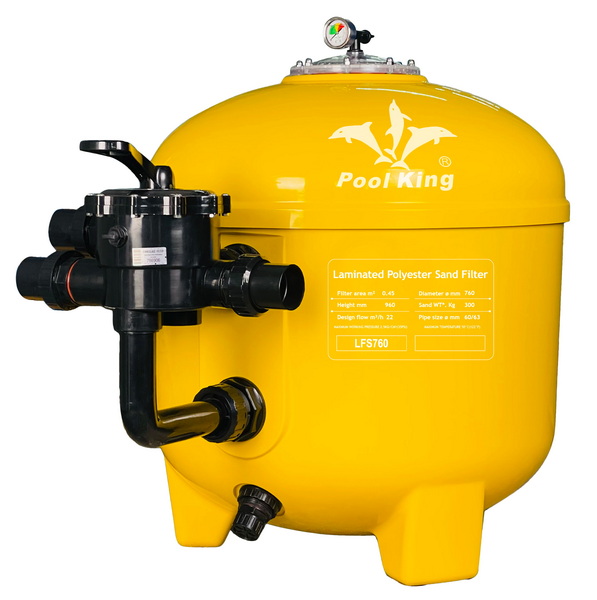
A cartridge filter traps fine debris, body oils, sunscreen, pollen, and algae that would otherwise circulate in the water. Over time, these contaminants clog the pleats, raise filter pressure, and reduce flow, which can make the pool cloudy even if the chemistry is correct.[3][4][1]
- A clogged cartridge forces the pump to work harder, increasing energy consumption and wear on the motor.[1]
- Regular cleaning keeps the cartridge media efficient and can extend its service life before replacement is necessary.[5][1]
There are several practical ways to decide when a cartridge needs cleaning.[3][1]
- Clean whenever the pressure gauge rises about 8–10 psi above the normal starting pressure after a fresh cleaning.[1][3]
- As a general schedule, many professionals recommend rinsing cartridges every 4–6 weeks in regular conditions, and more often after storms, algae, or heavy use.[2][6]
Other warning signs include:
- Cloudy or dull water even with balanced chemicals.[7][4]
- Weaker return jet flow, or poor skimmer suction compared to normal operation.[4]
Working safely around pressurized filter tanks and electrical equipment is critical.[8][9]
- Always turn off power to the pool pump at the switch and the circuit breaker to prevent accidental start‑up while the filter is open.[9][8]
- Release pressure by opening the air relief valve on top of the filter tank and/or removing the drain plug so the pressure gauge drops to zero.[10][9]
Wear basic protection:
- Use safety goggles and gloves when handling chemical cleaners or acidic solutions.[11][12]
- Ensure the filter area is well ventilated and never mix different chemicals in the same container.[13][11]
Most cartridge cleaning jobs use simple household tools plus a suitable cleaner.[11][7]
- Garden hose with standard or high‑pressure nozzle (not a pressure washer).[7][11]
- Soft‑bristle brush or dedicated cartridge cleaning wand.[9][11]
- Large plastic bucket or trash can for soaking.[10][11]
- Commercial cartridge cleaner or mild detergent; optionally a mild acid cleaner for scale.[12][11][10]
- Silicone lubricant for tank O‑rings and lid gaskets.[8][7]
Our factory can also supply OEM‑branded cartridge cleaning accessories and replacement elements to match your pool system.
Safe shutdown prevents accidents and tank damage.[8][9]
1. Switch off the pool pump at the control box and trip the circuit breaker feeding the pump.[8]
2. Open the air relief valve on top of the filter tank until you hear air escape and the pressure gauge drops to zero.[9][10]
3. If your filter has a bottom drain plug, remove it to let water and remaining pressure out of the housing.[9]
Once the system is depressurized, you can safely access the cartridges.[11][10]
- Loosen the clamp band or locking ring using the appropriate socket or hand lever, depending on the filter model.[11][9]
- Gently tap the clamp with a rubber mallet if it is stuck, then lift off the top half of the filter tank.[11]
- Allow residual water to drain back into the tank or out of the bottom drain as you remove the lid.[10][11]
Proper handling prevents damage and helps with reassembly later.[10][8]
- Grasp each cartridge by the top and pull straight up from the manifold or base plate.[14][8]
- Note their orientation; many elements are marked “Top” to avoid installing them upside‑down.[8]
- Set the cartridges on a clean surface away from dirt and direct sunlight.[10][8]
A thorough hose‑down removes most visible dirt and fine particles.[7][11]
- Using a garden hose with a moderate‑pressure nozzle, rinse from top to bottom, working between each pleat to flush out debris.[7][11]
- Hold the nozzle at about a 45‑degree angle to avoid cutting the fabric and to drive dirt out of the folds.[11]
- Rotate the cartridge slowly until every pleat has been flushed clean.[7][11]
Avoid these mistakes:
- Do not use a pressure washer, which can tear the pleats or open the fibers.[13][7]
- Do not use a washing machine or dishwasher for cartridges.[13]
If oils, sunscreen, or fine films remain, use a degreasing soak.[12][7][11]
- Fill a large plastic bucket or trash can with water and add a commercial cartridge cleaner following label directions.[7][10]
- Alternatively, use a mild, non‑foaming detergent recommended for pool filter cleaning; avoid strong household detergents that may leave residue.[12][13]
- Submerge the cartridges fully and let them soak for several hours or as directed to dissolve oils and grease.[12][10]
After soaking:
- Gently brush the pleats with a soft‑bristle brush to dislodge any loosened deposits.[10]
- Rinse thoroughly again with a garden hose until all cleaner or foam is gone.[7][10]
When cartridges show white crust, rough surfaces, or heavy mineral buildup, an acid treatment may be necessary.[15][11]
- Only use acid after degreasing, because acid can “set” oils permanently into the media if they are not removed first.[11]
- Mix a dilute solution of muriatic acid in water in a plastic container; typical instructions range from 1:10 to 1:20 acid‑to‑water for cartridge soaking.[15][11]
- Submerge the cartridges until bubbling from calcium deposits slows, then remove and rinse very thoroughly.[15][11]
Always add acid to water, never water to acid, and wear gloves, goggles, and protective clothing. For customers who prefer less aggressive chemicals, non‑toxic cleaners such as certain biodegradable all‑purpose products are available and recommended by some manufacturers.[12][11]
Cleaning is the perfect time to evaluate whether the cartridge should be replaced.[3][1]
Check for:
- Tears, cracks, or holes in the fabric that could allow debris to bypass the filter.[13][8]
- Cracked end caps, broken cores, or separated glue joints around the collars.[1]
- Flattened pleats that will not spread open even after cleaning, which reduces effective surface area.[5][1]
If any of these are present, replacement is recommended rather than continued cleaning. Many pool owners replace cartridges every 2–4 years depending on usage, water quality, and cleaning frequency.[5][3][1]
Correct reassembly ensures leak‑free and safe operation.[10][8]
1. Reinstall the clean cartridges into the tank in the same orientation as removed, making sure they seat fully on the base and manifold.[8][10]
2. Inspect the tank O‑ring, clean it, and apply a thin layer of silicone lubricant before reinstalling the lid.[8][7]
3. Refit and tighten the clamp band or locking ring according to the manufacturer's torque or alignment instructions.[9][11]
4. Close the drain plug, but leave the air relief valve open.[9]
Then:
- Turn the pump power back on and start the system; allow the tank to fill and air to escape until a solid stream of water appears at the relief valve, then close it.[9][8]
- Check for leaks around the clamp, drain plug, and unions, and verify that the pressure gauge shows a new “clean filter” baseline.[4][10]
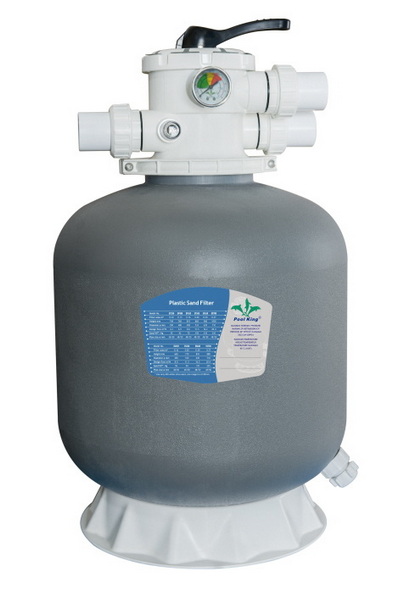
Cleaning frequency depends on pool size, usage, environment, and equipment.[2][1]
- Many service professionals recommend a quick rinse every 4–6 weeks in swimming season and after major contamination events such as storms or algae blooms.[6][2]
- A deeper soak with cleaner is often done several times a year, or whenever pressure remains high after a simple rinse.[4][1]
Replacement guidelines:
- Cartridges typically last around 2–4 years when properly maintained, although heavy commercial use may shorten this.[5][1]
- Replace if you see structural damage, permanently high pressure even after cleaning, or persistent water quality problems.[1][3]
Our factory can design and produce OEM cartridge filters to match different regional standards, dimensions, and media specifications for global brands and distributors.
Using the right cleaners protects the cartridge media and your pool water.[13][12]
Recommended:
- Dedicated cartridge cleaning products formulated for pool filters and used at the labeled dilution.[13][7]
- Mild acids like properly diluted muriatic acid or similar solutions specifically designed to remove scale, used with strict safety precautions.[15][11]
Avoid:
- Bleach or strong oxidizers, which can break down filter fibers and shorten cartridge life.[13]
- Laundry detergents and dishwashing detergents, which can leave residues and cause foaming or water chemistry problems.[12][13]
- High‑pressure washers and mechanical devices that physically damage pleats.[13][7]
Cleaning a pool filter cartridge is a straightforward maintenance task that dramatically improves water clarity, filtration efficiency, and equipment life when done regularly and correctly. By safely shutting down the system, removing and rinsing the cartridges, performing periodic deep cleans and descaling, and inspecting for wear, pool owners and professionals can keep filtration systems operating at peak performance and avoid unnecessary replacements.[3][4][1][10][11]
As a Chinese factory specializing in high‑end cartridge filters, sand filters, DE filters, pumps, LED pool lights, and accessories, tailored OEM support can be provided to brands, wholesalers, and manufacturers who want reliable, easy‑to‑maintain filtration solutions for global markets.
Most experts recommend cleaning whenever the pressure gauge rises about 8–10 psi above the clean starting pressure, which often equals a cleaning interval of 4–6 weeks during the swimming season.[6][2][1]
With proper maintenance, cartridges can often last around 2–4 years, but heavy bather loads, poor water balance, or infrequent cleaning can reduce this lifespan.[1][5]
No, a pressure washer can tear or open the pleats and permanently damage the filter media; a garden hose with moderate pressure is recommended instead.[11][7][13]
Use commercial cartridge cleaners or mild, non‑foaming detergents for degreasing, and, if needed, a properly diluted muriatic acid solution for scale removal, following all safety guidelines.[15][12][10][11]
Replace cartridges that have torn fabric, cracked end caps, broken cores, or that still cause high pressure and poor water quality even after thorough cleaning.[3][5][1]
No, washing machines and dishwashers can physically damage the cartridge and leave detergent residues that interfere with pool water chemistry; always clean by hand as directed.[13]
Yes, effective filtration removes debris and contaminants so sanitizers work more efficiently, often lowering chlorine demand and improving overall water balance.[4][1]
[1](https://opulentpools.com/clean-cartridge-filters/)
[2](https://mrpoolman.com.au/blogs/news/how-often-should-i-clean-my-pool-filter-cartridge)
[3](https://poolscouts.com/when-to-clean-your-pool-filter-cartridge-vs-when-to-replace-it/)
[4](https://www.youtube.com/watch?v=7P3EtQOUDHU)
[5](https://lesliespool.com/blog/how-to-clean-pool-cartridge-filter.html)
[6](https://swpoolsfl.com/how-often-should-pool-filters-be-cleaned/)
[7](https://www.youtube.com/watch?v=B_HHnHpN9C0)
[8](https://www.youtube.com/watch?v=hIchNEEb3To)
[9](https://www.youtube.com/watch?v=YHt247GVMVQ)
[10](https://jeffspoolspa.com/learn/2024/5/23/a-step-by-step-guide-how-to-clean-your-pool-cartridge-filter-system)
[11](https://www.instructables.com/How-to-Clean-a-Pool-Cartridge-Filter-System/)
[12](https://simplegreen.com/cleaning-tips/outdoors/pool-filters/)
[13](https://atomicfilters.com/blogs/news/how-to-clean-pool-filter)
[14](https://www.youtube.com/watch?v=y0fSgzlZDoY)
[15](https://www.thepoolfactory.com/blogs/pool-care/how-to-clean-a-pool-filter-cartridge)
[16](https://www.facebook.com/groups/273395260599363/posts/1424420905496787/)
[17](https://www.reddit.com/r/pools/comments/z11x5e/how_often_do_you_clean_your_pool_filter/)
[18](https://www.reddit.com/r/swimmingpools/comments/1by988d/how_often_do_you_clean_the_cartridge_filters/)
[19](https://www.pioneerfamilypools.ca/advice/how-often-should-you-clean-your-pools-cartridge-filter/)
[20](https://www.youtube.com/watch?v=4ykLEwcbRnU)


