
Views: 222 Author: Tina Publish Time: 2025-12-25 Origin: Site


Content Menu
● Safety first before any work
● Tools, parts and information you need
● Step 1 – Confirm your Hayward pump model and motor specs
● Step 2 – Shut down the system and access the pump
● Step 3 – Separate the motor assembly from the pump housing
● Step 4 – Remove the diffuser, impeller and old shaft seal
● Step 5 – Remove the seal plate and old motor
● Step 6 – Install the new shaft seal correctly
● Step 7 – Mount the seal plate on the new motor
● Step 8 – Reinstall the impeller, diffuser and motor end
● Step 9 – Wire the new Hayward motor
● Step 10 – Prime, test and check for leaks
● OEM and upgrade considerations for brands and wholesalers
>> 1. How do I know when my Hayward pool pump motor needs to be replaced?<
>> 2. Do I have to replace the shaft seal when I change the motor?
>> 3. Can I upgrade to a different horsepower motor on my Hayward pump?
>> 4. Is it safe for a homeowner to wire a Hayward pool pump motor?
>> 5. How long does a Hayward pool pump motor normally last?
>> 6. Can I use a third‑party replacement motor with my Hayward pump?
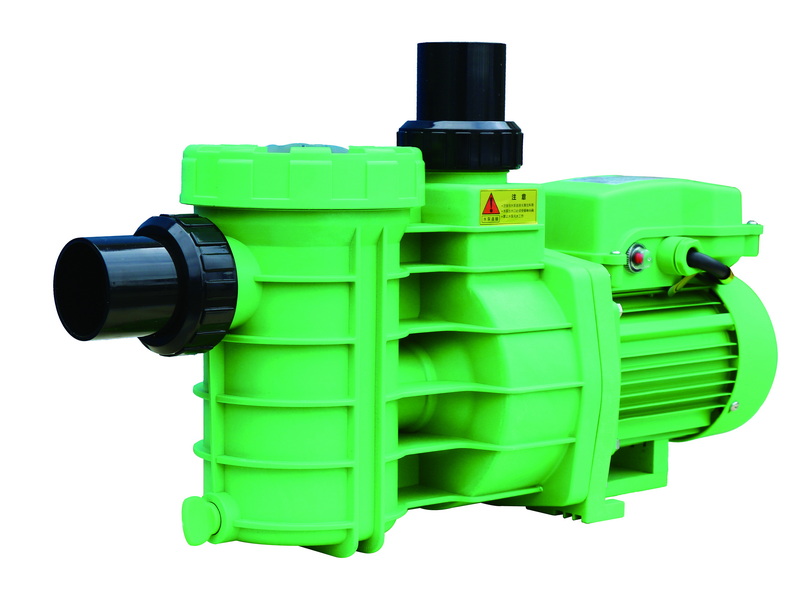
Changing a Hayward pool pump motor is a manageable project for experienced DIY pool owners who are comfortable with basic tools and electrical safety rules. Done correctly, it restores strong circulation, reduces noise, and can improve the overall efficiency and lifespan of the filtration system.[1][2][3]
As a professional Chinese factory manufacturing premium sand filters, DE filters, cartridge filters, pool pumps, LED lights, and accessories, this guide also helps brands, wholesalers, and OEM buyers understand the key points of motor replacement to reduce after‑sales issues and extend equipment life. The steps below focus on popular Hayward models such as Super Pump and Super II, but the general procedure is similar for most Hayward inground pumps.[4][5]
- Safety and preparation before changing a Hayward pump motor.[2][6]
- How to remove the old motor, impeller, and shaft seal step by step.[4][1]
- How to install and wire the new motor safely and correctly.[7][8]
- Priming, leak checks, and troubleshooting after installation.[3][2]
- Recommended images and videos to add into your article for better user experience.[9][10]
Working on a pool pump means working around water and mains voltage, so safety is the single most important point.[6][2]
- Turn off the circuit breaker supplying the pump and use a lock‑out tag or clear label so nobody switches it back on.[11][2]
- Use a non‑contact voltage tester or multimeter at the motor wiring terminals to confirm there is no power present before touching any wires.[8][7]
- Work on a dry surface, keep hands and tools dry, and always keep the motor housing properly grounded according to the Hayward manual and local electrical codes.[2][6]
For many homeowners, hiring a licensed electrician or pool professional is the safest choice, especially for final wiring and inspection.[12][5]
Before you start, collect all required tools and parts and confirm the exact Hayward pump model and motor specifications.[1][3]
- Basic tools: Phillips and flat screwdrivers, 9/16 inch socket or wrench, adjustable wrench, pliers, rubber mallet, and nut drivers for motor rear cover.[13][4]
- Electrical tools: Multimeter or non‑contact tester, suitable screwdrivers for terminal screws, wire strippers if conductors need to be trimmed.[7][8]
- Replacement parts: Correct replacement motor, matching Hayward mechanical shaft seal, diffuser and housing gaskets or O‑rings, and new lid O‑ring if worn.[3][1]
From an OEM perspective, a high‑quality, correctly matched motor and seal kit greatly reduce leakage complaints and premature failures, which is especially important for overseas brand owners and wholesale distributors.
Correct identification of the pump and motor ensures that the new motor and seal kit will fit and perform correctly.[1][3]
- Locate the data label on the pump housing (Super Pump, Super II, Max‑Flo, etc.) and the motor nameplate that lists horsepower (HP), voltage (115/230), service factor, frame type, and rotation.[6][1]
- Match these details to the replacement motor and verify whether it is single‑speed, dual‑speed, or variable‑speed, and whether it is wired for 115 V or 230 V input by default.[8][7]
For Hayward Super Pump, many installers choose a Century replacement motor with the same HP rating and frame style, which allows direct mounting to the existing seal plate.[10][3]
Once the model is confirmed, fully shut down the system and prepare the pump for disassembly.[2][6]
- Turn off the pool pump at the timer, control panel, and main breaker, then confirm zero voltage at the motor terminals.[7][2]
- Close suction and return valves (if installed) to minimize water draining from the pool and to avoid flooding the equipment pad while the pump is open.[3][2]
Next, remove the pump lid and drain plugs so that the housing can empty and reduce pressure inside the system.[2][6]
The next stage is to remove the “power end” (motor and wet end components) from the fixed plumbing.[4][1]
- Remove the clamp band or the 4–6 9/16 inch bolts joining the motor end to the pump housing, depending on the Hayward model.[4][2]
- Carefully pull the motor straight back while supporting its weight, keeping the housing gasket in place if it will be reused or noting its orientation for replacement.[4][6]
On many Super Pump and Super II units, the diffuser will remain attached to the motor side and will be removed in the next step.[5][4]
Removing the diffuser and impeller gives access to the mechanical shaft seal, which must be replaced whenever the motor is changed.[3][1]
- Gently pry the diffuser off the seal plate, taking care not to crack the plastic and paying attention to alignment tabs for later reassembly.[15][4]
- Hold the motor shaft at the rear with a wrench and unscrew the impeller from the shaft, typically counter‑clockwise, removing any small impeller‑lock screw first if present.[1][4]
Once the impeller is removed, you will see one half of the shaft seal pressed into the impeller and the other half seated in the seal plate.[1][4]
The seal plate forms the interface between the wet end of the pump and the motor; it must be transferred to the new motor.[4][1]
- Remove the 4 bolts that attach the seal plate and mounting ring to the motor face, using penetrating oil or gentle tapping if bolts are corroded.[2][4]
- Slide the seal plate and mounting ring off the motor shaft and set them aside, then remove the old motor from the work area for recycling or disposal.[6][4]
Examine the seal plate for cracks, warping, or damage; replace it if it shows signs of overheating or heavy wear.[3][1]
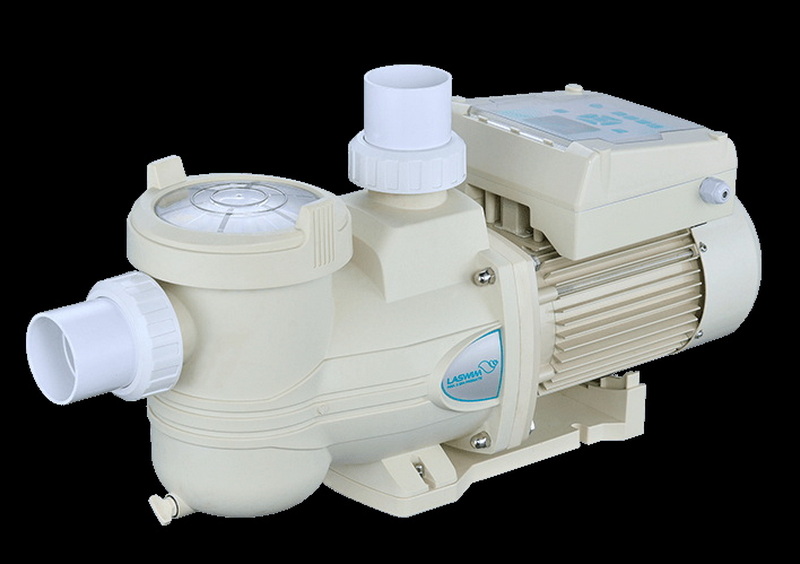
Installing the mechanical shaft seal correctly is critical to prevent leaks that can damage the new motor.[17][1]
- Remove the old seal halves from the impeller and seal plate, making sure all ceramic and rubber pieces are fully removed so the new seal can seat correctly.[1][4]
- Press the new ceramic “donut” into the clean seal plate with the polished ceramic face pointing toward the impeller side, using only clean hands or a cardboard‑covered tube to avoid scratching.[3][1]
Next, press the mating spring‑loaded seal half onto the impeller shaft shoulder, again keeping the polished face clean and oriented toward the ceramic side in the seal plate.[18][1]
With the new seal installed, the seal plate can be bolted onto the replacement motor.[3][1]
- Align the seal plate and mounting ring with the new motor face, making sure the shaft passes cleanly through the seal and that the plate sits flat against the motor.[1][4]
- Install the four motor‑to‑seal‑plate bolts and tighten them evenly in a criss‑cross pattern to avoid distortion of the plate or seal.[2][4]
If the pump model uses an alignment tab or specific “TOP” marking, make sure it matches the original orientation so that the plumbing lines up with the housing correctly.[6][4]
Now the wet‑end components can be reassembled on the new motor.[1][4]
- Holding the motor shaft at the rear with a wrench, thread the impeller clockwise onto the shaft until it is hand‑tight, reinstalling any small impeller screw if your model uses one.[1][4]
- Reinstall the diffuser over the impeller, making sure all alignment tabs are fully seated, and replace any diffuser gasket that appears flattened or cracked.[19][4]
Finally, bring the motor assembly back to the pump housing and reattach it with the clamp or bolts, tightening evenly to compress the housing gasket without over‑stressing the plastic.[2][4]
Wiring must follow the motor label and Hayward manual carefully to avoid electrical hazards or motor damage.[7][2]
- Open the motor's rear wiring compartment and compare the internal jumper or selector position to the required supply voltage (115 V or 230 V) shown on the wiring diagram.[8][7]
- Connect the line wires to the correct terminals (L1, L2, etc.) and attach the ground wire securely to the green grounding screw or designated ground point inside the motor.[7][6]
If there is any doubt about voltage or wiring methods, consult a licensed electrician or pool professional before powering the motor.[11][7]
With mechanical and electrical work completed, the pump must be primed and tested.[3][2]
- Open suction and return valves, fill the pump strainer housing completely with water, lubricate and reinstall the lid O‑ring, and close the lid firmly.[2][3]
- Turn the breaker and timer back on, briefly start the pump, and listen for unusual noises while watching for water leaks around the seal plate, housing gasket, and plumbing connections.[6][2]
A normal Hayward pump should pull a prime within a few minutes, with a steady water flow and no air bubbles after initial purge; any persistent leaks may indicate a seal or gasket issue that must be corrected.[17][2]
Changing a Hayward pump motor is also a good opportunity to standardize and upgrade equipment for OEM and B2B customers.
- Many distributors specify high‑efficiency or variable‑speed motors to meet local energy regulations and reduce running costs for end users.[3]
- Offering complete kits (motor, seal, gaskets, unions, and matching sand or cartridge filters) helps foreign brand owners and installers provide consistent, reliable systems under their own labels.
As a Chinese factory with modern intelligent equipment, supplying matched motors, filters, pumps, and LED pool lights under OEM arrangements can strengthen your customers' brands and simplify their after‑sales service.
Changing a Hayward pool pump motor involves careful preparation, correct part selection, and methodical work on both the mechanical and electrical sides of the pump. By shutting off power, disassembling the wet end, replacing the shaft seal, mounting and wiring the new motor correctly, and then priming and testing the system, pool owners and professionals can restore reliable circulation and extend the life of the entire filtration system.[3][2][4][1]
For overseas brands, wholesalers, and OEM partners, choosing a factory that supplies high‑quality sand filters, DE filters, cartridge filters, pumps, motors, LED lights, and accessories helps ensure that every replacement or upgrade meets international standards and supports long‑term business growth.
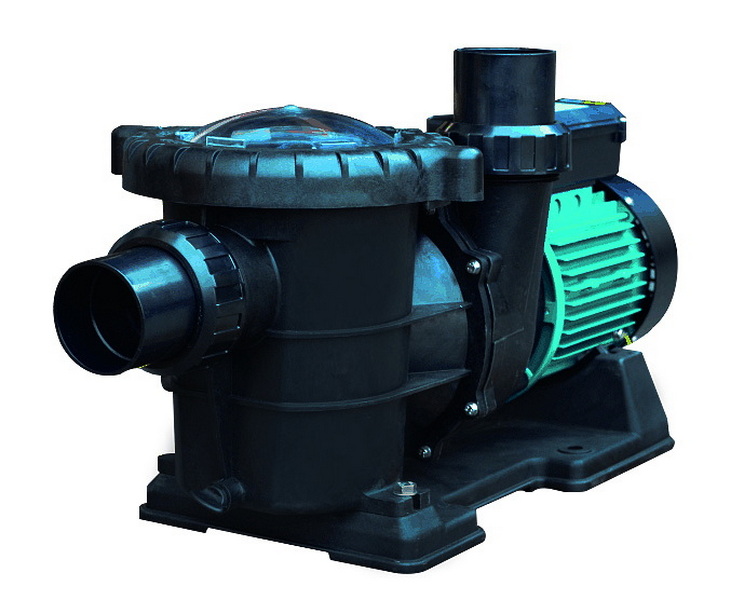
Common signs include loud grinding or screeching noises, motor tripping the breaker repeatedly, failure to start, or very high operating temperatures even after cleaning and lubrication. If the winding insulation is damaged or the bearings are badly worn, replacing the motor is usually more economical than repairing it.[20][10][3][1]
Yes, the mechanical shaft seal should always be replaced whenever the motor is changed, even if it appears to be in good condition. Reusing an old seal greatly increases the risk of leaks that can quickly damage the new motor and void warranties.[17][2][1]
In many cases you must match the original horsepower and service factor because the impeller and pump housing are designed around a specific power range. Installing a larger HP motor without changing the impeller and verifying electrical capacity can overload plumbing and wiring, while a smaller motor may not prime or circulate properly.[6][3][1]
Local codes vary, but pool equipment wiring often has strict requirements for grounding, bonding, and GFCI protection. If the homeowner is not experienced with electrical work and does not fully understand the motor's wiring diagram, it is much safer to hire a licensed electrician.[11][7][2]
With correct sizing, good ventilation, clean filters, and a dry, protected installation, many pool pump motors run 5–10 years or more. High temperatures, poor ventilation, frequent dry‑running, and persistent leaks around the shaft seal significantly shorten motor life.[17][3][1]
Yes, many compatible motors from brands such as Century are designed to fit Hayward pumps as long as frame type, HP, service factor, and voltage match. Always follow both the motor manufacturer's wiring diagram and the Hayward pump manual to ensure safe operation and maintain performance.[10][7][6][3]
[1](https://intheswim.com/blog/replacing-a-hayward-pump-motor.html)
[2](https://www.pooltek.com/wp-content/uploads/2017/02/Pump-HaywardSuperpump.pdf)
[3](https://intheswim.com/blog/replacing-a-hayward-pump-motor.html?srsltid=AfmBOoon-ZnMnwmYDjHYFDlE_PfSkfs8hiS_ZbHeYQm_kCWyQ_D1eoaN)
[4](http://coralspringspumprepair.com/cshowtochangemotoronsuper2.html)
[5](https://www.inyopools.com/HowToPage/how-to-replace-a-hayward-super-ii-pool-pump-motor.aspx?CommentPage=1)
[6](https://hayward.com/media/akeneo_connector/asset_files/I/S/IS26002_RevA_286d.pdf)
[7](https://aichat.physics.ucla.edu/index_htm_files/papersCollection/VXrHwx/HaywardSuperPumpWiring.pdf)
[8](https://www.ec-undp-electoralassistance.org/filedownload.ashx/primo-explore/N6un5H/HaywardSuperPumpWiring.pdf)
[9](https://www.youtube.com/watch?v=yThGfgov7gA)
[10](https://www.youtube.com/watch?v=xnsxZpTl2cU)
[11](https://news.betzone.co.uk/_pdfs/libweb/3sF06z/Hayward_Super_Pump_Wiring.pdf)
[12](https://www.youtube.com/watch?v=JifZC6tmFWA)
[13](https://www.youtube.com/watch?v=5nxtb-c8xRU)
[14](https://www.youtube.com/watch?v=15HLRNJWmg4)
[15](https://www.youtube.com/watch?v=Hy1meV5Y4iQ)
[16](https://www.youtube.com/watch?v=7QsApy5WMm0)
[17](https://www.youtube.com/watch?v=dj8nVFspt4Y)
[18](https://www.youtube.com/watch?v=QRxFbmMKAqY)
[19](https://www.youtube.com/watch?v=mgGzgBUOUJk)
[20](https://www.reddit.com/r/pools/comments/17e0vhf/replacing_pool_pump_motor/)


