
Views: 222 Author: Tina Publish Time: 2025-10-21 Origin: Site


Content Menu
● Introduction to Intex Pool Ladders
>> Step 1: Unbox and Inspect All Parts
>> Step 2: Assemble the Ladder Frame
>> Step 3: Attach the Top Platform and Handrails
>> Step 4: Final Tightening and Inspection
● Additional Safety Enhancements
● Troubleshooting Common Issues
>> Problem: Ladder feels unstable or wobbly
>> Problem: Steps are slippery when wet
>> Problem: Ladder does not fit the pool correctly
>> Problem: Rust appearing on metal parts
● Frequently Asked Questions (FAQs)
>> 1. How do I know if the Intex ladder fits my pool?
>> 2. Can I use an Intex ladder with a pool of a different brand?
>> 3. What should I do if a step becomes loose or damaged?
>> 4. How often should I clean and inspect my pool ladder?
>> 5. Is it safe to leave the ladder attached when the pool is unattended?
Building an Intex pool ladder is an essential step to enhance the safety, accessibility, and convenience of your above ground pool. Proper installation allows swimmers to enter and exit the pool easily, reducing the risk of accidents. This guide provides detailed instructions, useful tips, and multimedia support to help you assemble and install your Intex pool ladder with confidence.
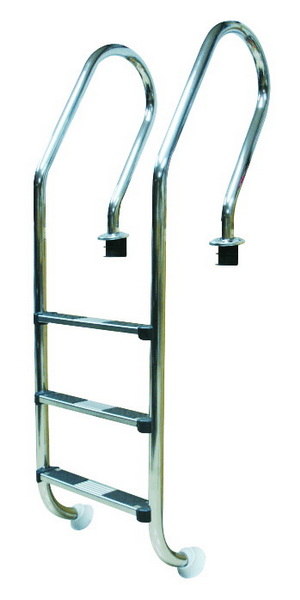
Intex pool ladders are specially designed for above ground pools. Their strong, rust-resistant steel or plastic frame ensures long-lasting durability even in damp conditions. Most Intex ladders come with non-slip steps and safety rails, which promote secure use and prevent slipping when climbing in and out of the pool.
Choosing a high-quality ladder compatible with your pool's size helps maintain safety standards and guarantees smoother installation. Intex offers several ladder models that can accommodate various pool wall thicknesses, sizes, and weight capacities.
Before starting your ladder assembly, ensure you have all necessary tools and the kit's parts ready:
- Intex pool ladder kit (side rails, steps, platform, bolts, safety caps, and accessories)
- Phillips screwdriver for screws
- Adjustable wrench for tightening nuts and bolts
- Rubber mallet (optional, for easier fitting of parts)
- Measuring tape
- Gloves to protect your hands
- Instruction manual (usually included in the box)
Having everything on hand before you begin helps reduce interruptions and ensures each step progresses smoothly.
Open the ladder package carefully. Lay out all components on a clean, flat surface. Use the instruction manual's parts checklist to identify each piece. Look for any damage or missing components, as this can affect assembly and overall ladder safety.
Begin by connecting the two side rails:
- Align the holes on the rails and fasten them using the included bolts.
- Follow the manual's guidance on which bolts to use at each connection point for maximum stability.
Next, insert the steps:
- Slide or snap each step into position along the frame. The steps often feature molded brackets or slots for secure attachment.
Check that the steps sit firmly and evenly between the rails to prevent wobbling.
The top platform usually sits on the pool wall, providing a flat surface for stepping in and out comfortably:
- Secure the platform onto the ladder frame using the supplied screws or clips.
- Attach the handrails to offer support and increase safety while ascending or descending.
Proper installation of these parts is crucial to a safe pool entry and exit.
Use your screwdriver and wrench to tighten all bolts, nuts, and screws:
- Avoid over-tightening, which can damage plastic parts or strip threads.
- Ensure all connections feel solid and that no parts move independently.
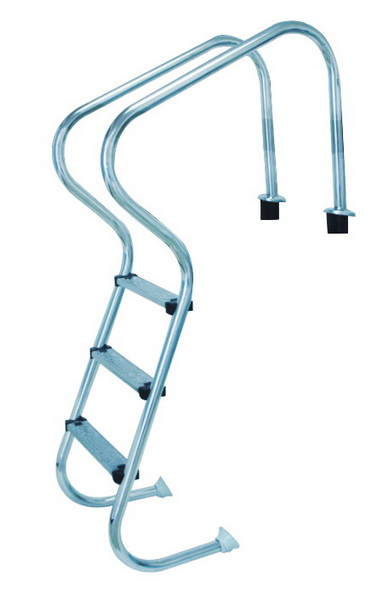
Place the ladder near the pool edge so the upper platform firmly rests on the pool sidewall without tipping. Confirm the base feet of the ladder rest flat and evenly on the ground surface near the pool — uneven ground may require leveling or placement on a solid rubber mat to avoid instability.
Depending on your ladder model, you may have included stabilizing bars or locking mechanisms to secure the ladder's bottom:
- Attach any base stabilizer bars or rubber feet designed to grip surfaces.
- Check manufacturer instructions for any locking or securing hardware to prevent unwanted movement.
- Remove or lock the ladder when the pool is not in use to reduce the risk of unauthorized or unsupervised access, especially for children.
- Consider additional pool safety measures such as fences, alarms, or covers to complement ladder safety.
Proper care of your Intex pool ladder maintains its appearance, functionality, and safety for years:
- Inspect ladder bolts and fasteners monthly for looseness or corrosion. Tighten or replace any compromised parts immediately.
- Wipe down the ladder regularly to clear away dirt, algae, or pool chemicals that might make surfaces slippery or degrade materials.
- Store the ladder indoors during off-season or harsh weather to prevent exposure-related damage.
- Always instruct users to climb carefully and avoid jumping from the ladder to prevent falls or damage.
While Intex ladders come with standard safety features, you can improve safety by adding accessories or taking extra precautions:
- Install anti-slip adhesive strips on steps where extra traction is needed.
- Add a hand grip near the pool edge to assist swimmers further when entering or exiting.
- Use pool ladder locks or covers when not in use to prevent access by small children or pets.
- Install soft padding on ladder feet if placing on hard concrete to reduce wear.
- Solution: Ensure all bolts are snugly tightened. Check ground level where the ladder lands and place a firm mat or support if needed.
- Solution: Clean steps thoroughly and consider applying anti-slip tape or surface treatment.
- Solution: Double-check ladder model compatibility with your pool's wall thickness and diameter. Consider contacting Intex support for guidance or replacement parts.
- Solution: Clean affected areas and apply rust-inhibiting spray or paint. Store ladder indoors to prevent further rusting.
Building and installing your Intex pool ladder is a manageable and rewarding project that can improve your swimming experience significantly. By carefully following the detailed assembly and installation steps while adhering to safety and maintenance guidelines, you can enjoy years of safe and easy pool access. Keep your ladder well-maintained and secure, and ensure users follow proper safety habits for a worry-free pool season.
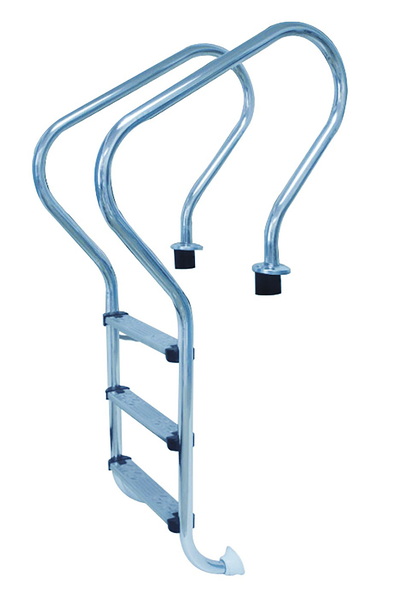
Check your pool's size and wall thickness against the ladder's specifications in the manual or on the retail packaging. Intex provides compatibility charts for their ladder models.
Yes, as long as the dimensions, weight limits, and pool wall thickness are compatible. Always verify with the product manual or manufacturer.
Immediately stop using the ladder. Tighten any loose bolts or replace damaged components with official parts to maintain safety.
Clean monthly or more often in humid or algae-prone environments. Inspect bolts and structural components at the same frequency.
For safety, remove, lock, or secure the ladder to prevent unauthorized or accidental pool access, especially by children.


