
Views: 222 Author: Tina Publish Time: 2025-12-07 Origin: Site


Content Menu
● What Backwashing Actually Does
● When You Should Backwash a Sand Filter
● Safety Checks Before You Start
● Step‑by‑Step: How to Backwash a Sand Pool Filter
>> Step 2: Attach and Position the Backwash Hose
>> Step 3: Set the Multiport Valve to “Backwash”
>> Step 4: Turn On the Pump and Backwash
>> Step 5: Turn Off the Pump Again
>> Step 6: Set the Valve to “Rinse”
>> Step 8: Return the Valve to “Filter”
>> Step 9: Check Water Level and Rebalance Chemistry
● How Often to Backwash Different Filters
>> Typical Cleaning / Backwash Intervals
● Common Backwashing Mistakes to Avoid
● Signs Your Sand May Need Replacement
● Enhancing Your System with Quality Sand Filters and Pumps
● FAQs About Backwashing a Sand Pool Filter
>> 1. How long should I backwash my sand filter?
>> 2. How often should I backwash my pool's sand filter?
>> 3. Do I really need to use the rinse setting after backwashing?
>> 4. Why is sand coming back into my pool after backwashing?
>> 5. Can I backwash a DE or cartridge filter the same way as a sand filter?
>> 6. Will backwashing fix cloudy water on its own?
Backwashing a sand pool filter is one of the most important routine tasks to keep pool water clear, safe, and comfortable. Proper backwashing extends the life of the filter, protects the pump, and reduces the need for expensive chemical corrections. This guide explains step by step how to backwash a sand pool filter, how often to do it, common mistakes to avoid, and expert tips to protect your equipment and water quality.[1][2][3]
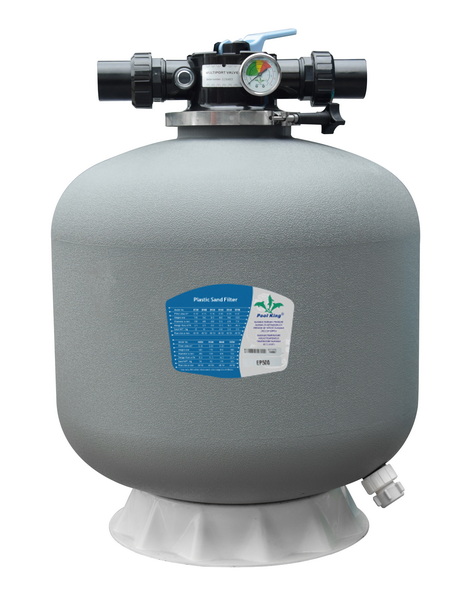
Backwashing reverses the flow of water through the sand filter to flush out trapped dirt, oils, algae, and debris that have accumulated in the sand bed. Instead of flowing from top to bottom through the sand and back to the pool, water flows backward and out to waste or a drain.[2][1]
During normal filtration, dirt becomes lodged between the sand grains and builds a “dirt cake” that increases resistance to flow, which you see as a rising pressure on the filter's gauge. Backwashing removes this buildup and restores the filter's normal operating pressure and efficiency.[4][5]
The most reliable way to know when to backwash is to watch the pressure gauge on the filter tank. As a rule of thumb, backwash when the pressure rises 8–10 psi above the clean starting pressure noted right after you install new sand or fully clean the filter.[5]
Many pool professionals also recommend:
- Backwashing every 1–2 weeks during the swimming season, especially for heavily used pools or after storms.[3]
- Backwashing more often when there is heavy debris, nearby construction, or frequent dust and pollen.[6]
However, backwashing too often can slightly reduce filtration performance because a sand filter actually works best when it is just a bit dirty, as the fine dirt particles help trap even finer debris.[4]
Before touching the filter valve, always turn off the pool pump and ensure that power to the pump is disconnected if you are doing any extended work. Changing valve positions with the pump running can tear the multiport valve gasket and cause internal leaks, short-cycling, or water bypass.[2]
Also confirm:
- The backwash hose is securely attached to the waste port and routed to a legal drainage area that can handle the water flow.[7]
- All valves on the suction and return lines are in their normal open positions unless the manufacturer specifies otherwise for backwashing.[1]
If your system includes a heater, check that the heater is off or bypassed according to the manufacturer's instructions before starting the backwash process.[2]
Turn off the pump at the control panel or timer and verify that the pressure gauge drops to zero before turning the multiport valve. Never move the valve handle while water is flowing, as this can damage internal seals and cause leaks or channeling in the sand.[1][2]
If your filter has a waste port or backwash port, attach a flexible backwash hose and unroll it completely to prevent kinks and back pressure. Lead the hose to a suitable disposal area such as a storm drain or landscaped area where local codes allow, making sure the discharged water will not flood neighboring properties.[7][6]
Press the valve handle down fully and rotate it to the “Backwash” position until it locks. Ensuring the handle is seated correctly prevents water bypass and avoids wear to the spider gasket inside the multiport.[8][1]
Turn the pump back on to start the backwash cycle. Watch the sight glass on the valve or visually observe the discharge at the hose; the water will usually start off dark or cloudy and gradually turn clear as debris is flushed out.[8][2]
Most experts recommend backwashing for about 2–3 minutes, or until the water runs completely clear, whichever comes first. There is usually no benefit to running a sand filter backwash for 5–10 minutes, and doing so can waste water and may disturb the sand bed unnecessarily.[9][8]
Once the water is clear, switch the pump off before changing the valve position. Allow the water in the filter to stop moving completely; this protects the internal components of the multiport valve.[1][2]
Push down on the handle and rotate it to the “Rinse” setting. The rinse cycle sends water through the sand bed in the normal direction but routes the effluent to waste, which helps settle the sand back into place and flushes remaining dirty water from the valve and lines.[10][2]
Turn the pump back on and run the rinse cycle for about 30–60 seconds, or until the sight glass water runs clean again. This step prevents a burst of cloudy water from returning to the pool immediately after backwashing.[10][2]
After rinsing, switch the pump off and move the valve handle to the standard “Filter” position, making sure it is fully locked. Then turn the pump back on and verify that water is returning to the pool normally and that there are no leaks around the valve or unions.[11][1]
Backwashing discharges a significant amount of pool water, so check the pool level and top up as needed. After refilling, test and adjust sanitizer, pH, alkalinity, and other water parameters, because the dilution effect can change chemical balance.[2]
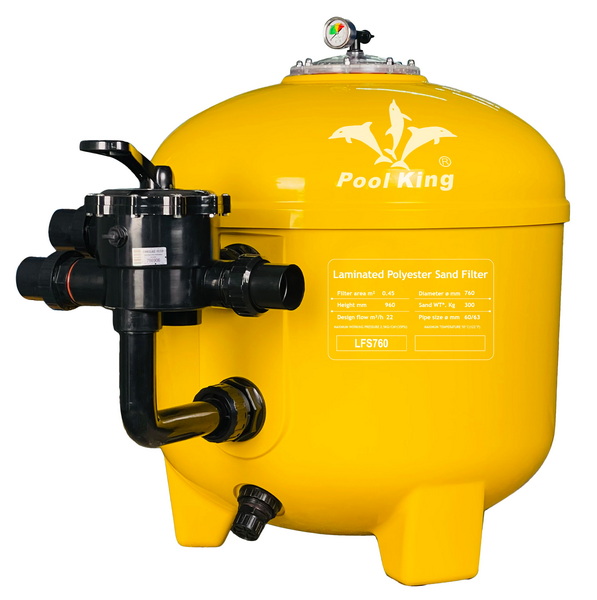
While this guide focuses on sand filters, many pools also use DE (diatomaceous earth) or cartridge filters, which follow different maintenance patterns. Mixing up maintenance schedules or methods can damage the filter or reduce water quality.[3][7]
Below is a quick reference for typical backwash or cleaning intervals for common pool filter types.[7][3]
| Filter type | Typical maintenance frequency | Notes |
|---|---|---|
| Sand filter | Backwash every 1–4 weeks, or when pressure is 8–10 psi above clean baseline. beatbot+1 | Do not backwash daily; slightly dirty sand filters better. intheswim |
| DE filter | Backwash every 1–3 months, or when pressure is 8–10 psi above normal. beatbot | Always recharge with fresh DE powder after backwashing. royalswimmingpools |
| Cartridge filter | Clean cartridges every 2–6 weeks, depending on use and debris. beatbot+1 | Cartridges are not backwashed; remove and hose off or chemically soak. beatbot |
Several frequent errors can reduce filter performance, shorten equipment life, or send sand and debris back into the pool.[4]
Key mistakes include:
- Backwashing too often, which prevents the sand bed from developing the slightly dirty condition that improves filtration.[4]
- Forgetting the rinse step, which can send a puff of dirty water back into the pool right after switching to filter.[10]
- Moving the multiport handle while the pump is running or the water is flowing, which can tear the internal gasket and cause bypass or leaks.[2]
Another issue is backwashing for too long in the hope of making the water “extra clean,” which wastes water and may stir up the sand bed more than necessary. Also, if you see sand entering the pool after backwashing, this may indicate broken laterals or a damaged stand pipe inside the filter, not simply an over-aggressive backwash.[12][9]
Backwashing maintains sand performance, but sand does not last forever. Over time, the sharp edges of filter sand become rounded and less effective at capturing particles, and the bed can develop clumping or channels.[13][4]
Possible indicators that sand replacement is approaching include:
- Needing to backwash much more frequently than in previous seasons for the same level of pool use.[13]
- Persistent cloudy water or poor clarity even when chemistry is correct and backwashing has been done properly.[13]
Many service companies recommend checking the sand every few years and replacing it roughly every 5–7 years depending on usage, water chemistry, and debris load.[13]
A well-designed sand filter system paired with a properly sized pump delivers stable flow, efficient filtration, and easy backwashing. Modern filter tanks, valves, and laterals are engineered to distribute flow evenly during both filtration and backwash cycles, reducing channeling and improving dirt removal.[7][4]
High‑quality pool equipment manufacturers now use precision molding, automated fabrication, and upgraded plastics or composites to build sand filters, multiport valves, and pumps that withstand long‑term pressure cycling and chemical exposure. LED pool lighting and smart controls can be integrated alongside the filtration system to help owners visually monitor water clarity and automate pump run times around backwashing schedules.[3][7]
Backwashing a sand pool filter is a straightforward but essential maintenance routine that keeps pool water clean and the system running efficiently. By waiting until the pressure gauge rises 8–10 psi over clean pressure, following the proper backwash–rinse–filter sequence, and avoiding common mistakes, pool owners can protect their equipment, save water, and maintain sparkling water all season. Periodically checking the condition of the sand and understanding how often to service each type of filter ensures long‑term reliability and comfort for swimmers.[5][1][7][13][2]
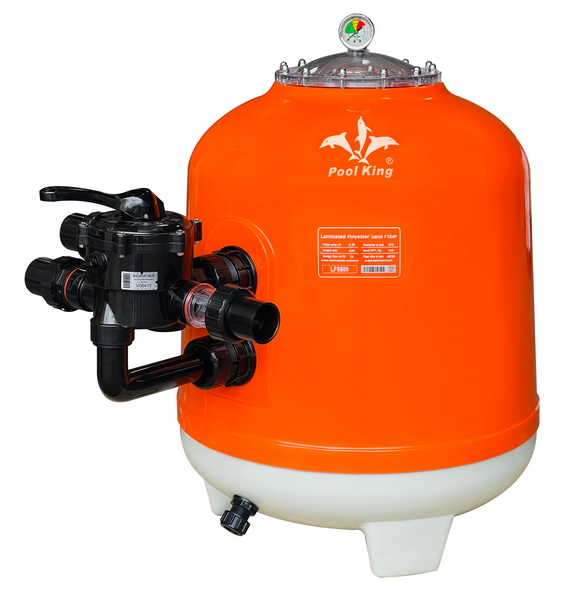
Most experts recommend backwashing for about 2–3 minutes, or until the water in the sight glass or discharge hose runs clear. Running the backwash significantly longer usually just wastes water without providing extra cleaning benefits.[9][8]
Backwash whenever the pressure gauge reads 8–10 psi higher than the clean starting pressure, which often works out to every 1–2 weeks during the swimming season. Heavily used pools, those in dusty environments, or pools recovering from algae may require more frequent backwashing.[6][5][3]
Yes, a short rinse of about 30–60 seconds helps settle the sand bed and flush dirty water from the valve and pipes to waste instead of back into the pool. Skipping the rinse step can cause a burst of cloudy or dirty water to return through the return jets right after you resume filtration.[10][2]
If noticeable amounts of sand appear in the pool, the issue is often damaged laterals or a cracked stand pipe inside the filter, not just a backwash mistake. In this case, the filter usually must be opened, the sand removed, the internal components replaced, and then the filter refilled with clean filter‑grade sand.[12]
DE filters can be backwashed, but they require different procedures and always need fresh DE powder added after each backwash cycle. Cartridge filters are not backwashed at all; instead, the cartridges are removed, rinsed, or soaked and then reinstalled.[7][3]
Backwashing helps remove accumulated debris from the filter, which can improve clarity, but it will not solve all cloudy water issues by itself. Balanced water chemistry, proper sanitizer levels, adequate circulation time, and occasional brushing and vacuuming are all necessary to restore and maintain clear water.[2][7]
[1](https://www.hornsbypoolcare.com.au/how-to-backwash-a-pool-sand-filter)
[2](https://www.swimuniversity.com/backwash-sand-filter/)
[3](https://blog.royalswimmingpools.com/how-to-backwash-pool-filter-guide)
[4](https://intheswim.com/blog/backwashing-best-practices.html)
[5](https://lesliespool.com/blog/how-to-backwash-a-sand-filter.html)
[6](https://www.eco-outdoor.com/en-us/outdoor-design/when-to-backwash-your-pool)
[7](https://beatbot.com/blogs/pool-care-solutions/pool-filter-maintenance-cleaning-techniques-and-backwashing-frequency)
[8](https://mrpoolman.com.au/blogs/news/how-to-backwash-a-pool-sand-filter)
[9](https://www.reddit.com/r/swimmingpools/comments/143pccz/i_think_my_sand_filter_is_putting_sand_into_my/)
[10](https://www.rrpools.ca/blog/top-3-common-pool-maintenance-mistakes-to-avoid/)
[11](https://pinchapenny.com/pool-life/backwash-pool-sand-filter)
[12](https://www.reddit.com/r/pools/comments/16238ad/i_just_did_my_first_backwash_and_it_looks_like/)
[13](https://splashfiberglasspoolcompany.com/a-guide-to-know-how-often-to-change-sand-in-pool-filter/)
[14](https://www.youtube.com/watch?v=nIukd5sbNFw)
[15](https://www.youtube.com/watch?v=r8soaqt1Pn0)
[16](https://www.youtube.com/watch?v=U76k7E_koU4)
[17](https://www.youtube.com/shorts/v0zyB2KMv7c)
[18](https://www.youtube.com/watch?v=WVDWeHh29TU)
[19](https://www.youtube.com/watch?v=4OHkdSQSlN4)
[20](https://www.reddit.com/r/pools/comments/x2iq1n/how_often_do_you_backwash_your_sand_filter/)


