
Views: 222 Author: Tina Publish Time: 2025-11-22 Origin: Site


Content Menu
● Understanding Pool Filter Types
● What “Backwash” Actually Means
● Why Hayward Cartridge Filters Don't Use Traditional Backwashing
● Tools and Materials You'll Need
● Step-by-Step Cleaning Process
>> Step 1: Turn Off the Pump and Power Supply
>> Step 2: Release Air Pressure
>> Step 3: Remove Filter Housing Cover
>> Step 4: Remove the Cartridge Element(s)
>> Step 6: Deep Cleaning (If Necessary)
>> Step 7: Check the O-Ring and Housing
● How Often Should You Clean Your Cartridge Filter?
● Pro Tips to Maximize Filter Lifespan
● When to Replace Your Hayward Cartridge Filter
● FAQs About Hayward Cartridge Pool Filters
>> 1. Can I actually backwash a Hayward cartridge pool filter?
>> 2. How often should I clean my Hayward cartridge filter?
>> 3. How long does a cartridge filter last?
>> 4. Can I use a pressure washer to clean the filter?
>> 5. What type of cleaning solution is safe?
>> 6. How do I know when to replace my cartridge?
Maintaining crystal-clear, hygienic pool water is only possible with a properly functioning filtration system. Among various pool filters, Hayward cartridge pool filters are popular for their efficiency and ease of maintenance. However, unlike sand or DE filters, cartridge filters require a different cleaning approach. Homeowners often wonder: how to backwash a Hayward cartridge pool filter—but the truth is, cartridge filters technically can't be backwashed in the traditional sense. Instead, they need to be manually cleaned.
This comprehensive guide will explain what “backwashing” means, why it's different for cartridge filters, how to properly clean your Hayward cartridge pool filter, and how regular cleaning keeps your system performing at peak efficiency.
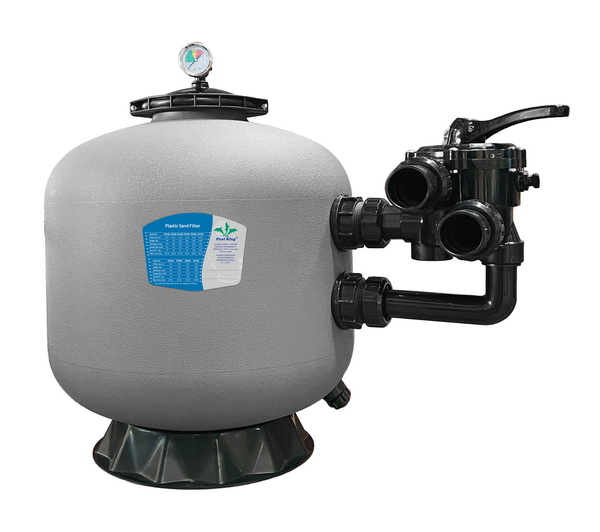
Before learning how to backwash a Hayward cartridge pool filter, let's review filter types used in modern pool filtration systems. There are three main categories:
- Sand filters: Use silica sand to trap debris. These can be backwashed.
- DE (Diatomaceous Earth) filters: Use DE powder to catch microscopic particles. They also support backwashing.
- Cartridge filters: Use pleated polyester cartridges for fine filtration. These cannot be backwashed and must be manually cleaned.
Backwashing is the process of reversing water flow through a filter to dislodge built-up dirt and debris, flushing it out through a waste line. This works perfectly for sand and DE filters, where debris is trapped within a loose medium.
However, cartridge filters do not have this structure—they use a solid element with pleats. The water does not pass through sand or powder but instead through polyester fabric, which means debris sticks directly to the pleats.
Therefore, when discussing how to backwash a Hayward cartridge pool filter, the correct approach is actually manual cleaning—removing the cartridges and rinsing them.
Hayward cartridge filters are known for energy efficiency and water conservation. Since they don't need frequent backwashing:
- They save water. No waste water line or multiport valve is required.
- They filter finer particles. Down to 10 microns, compared to 20–40 microns in sand filters.
- They save electricity. With less head pressure, your pump runs more efficiently.
However, this design means when the filter gets dirty, it must be removed and rinsed manually.
Before starting the cleaning process, prepare the following:
- Garden hose with a high-pressure nozzle.
- Large bucket or container for soaking cartridges.
- Cartridge cleaning solution (or muriatic acid diluted per manufacturer's instructions).
- Soft-bristle brush.
- Lubricating O-ring grease.
- Safety gloves and goggles.
Let's go through the proper procedure on how to backwash a Hayward cartridge pool filter—or more accurately, how to deep clean it.
Always start by switching off the pool pump and the circuit breaker. Safety first—this prevents the pump from running dry or pushing water while the filter is open.
On the top of the filter tank, you'll find a pressure relief valve. Open it slowly to release built-up air. Wait until water stops spraying out before proceeding.
Loosen the clamp or bolts holding the top manifold. For Hayward models like SwimClear or Star-Clear Plus, this often involves a single band or clamp ring.
Pull the cartridge(s) out of the housing carefully. A Hayward filter may contain one large or multiple cartridges depending on size (e.g., C3030, C4030, C5025 models).
Using a hose with a strong nozzle, spray water into each pleat at a 45° angle. Rotate the cartridge while rinsing to remove dirt and debris efficiently. Avoid using high-pressure washers, as they can damage the media fabric.
If the cartridge is heavily soiled, soak it overnight in a cleaning solution:
- For oils and sunscreen residue: use a commercial cartridge cleaner.
- For mineral buildup: use one part muriatic acid to 20 parts water (never add water into acid).
Apply a small amount of O-ring lubricant to prevent leaks and extend the rubber's life. Then reassemble the filter carefully.
Close the pressure release valve, turn the power back on, and monitor the pressure gauge. A clean filter typically reads 8–12 psi. If pressure rises more than 8 psi above that baseline, it's time for another cleaning.
For most pools, clean your Hayward cartridge filter once every 4 to 8 weeks, depending on usage and environment. If your pool is surrounded by trees or sees heavy swimmer traffic, more frequent cleaning may be required.
- Rinse the cartridges often rather than letting heavy buildup occur.
- Keep your pool balanced—high calcium or algae growth can clog filters.
- Avoid power-washing, which tears pleats and ruins efficiency.
- Use enzyme-based cleaners to remove lotions and oils.
- Store extra clean cartridges for rotation—this extends filter life.
- Backwashing attempt: Don't connect a hose to reverse water flow; it won't clean effectively.
- Using harsh chemicals: Avoid bleach or undiluted acid.
- Ignoring PSI readings: Always monitor for pressure changes.
- Reassembling without sealing properly: Ensure O-rings are greased and seats fitted well.
Even with proper maintenance, cartridges eventually wear out. Replace your Hayward filter cartridge when:
- Pleats remain dirty even after cleaning.
- The end caps or center core show cracks.
- Pressure never returns to normal after cleaning.
- It's been 12–24 months of regular use.
While many pool owners wonder how to backwash a Hayward cartridge pool filter, the truth is simple: cartridge filters don't need traditional backwashing. Instead, they rely on careful manual cleaning to maintain top performance. By following this guide—turning off the pump, rinsing properly, soaking when needed, and checking PSI—you ensure your Hayward filter keeps water crystal clear all season long.
Maintaining your Hayward cartridge pool filter not only extends its lifespan but also helps reduce energy consumption and water waste. Consistent cleaning equals consistent swimming enjoyment.
No. Cartridge filters do not have backwash valves like sand or DE filters. You must remove and rinse the cartridges manually.
Typically every 4–8 weeks, or whenever the filter pressure rises 8 psi above the clean baseline.
Depending on usage and care, a Hayward cartridge usually lasts 1.5–2 years before replacement.
Avoid it. The high pressure can damage the pleats and reduce filtering capacity. Use a garden hose with a nozzle instead.
A mild, non-abrasive cartridge cleaner or heavily diluted muriatic acid (20:1 water-to-acid ratio) is recommended for deep cleaning.
Check for permanent staining, broken bands, collapsed cores, or when cleaning no longer restores normal PSI levels.


