
Views: 222 Author: Tina Publish Time: 2025-12-17 Origin: Site


Content Menu
● How Often to Change Sand in a Pool Filter
● What Pool Filter Sand Actually Does
● Recommended Sand Change Intervals
>> Commercial and Public Pools
● Factors That Affect How Often You Change Sand
>> Bather Load and Contamination
>> Filter Size and Sizing Accuracy
● Warning Signs It's Time to Change Your Sand
>> Persistent Cloudy or Dull Water
>> Frequent Backwashing and Short Filter Cycles
>> High or Unstable Pressure Readings
>> Channeling, Clumping, and “Mud Balls”
● Cleaning the Sand vs Replacing It
>> When Replacement Is the Only Option
● Step‑by‑Step Overview of Changing Sand
● Choosing the Right Replacement Media
● OEM‑Grade Sand Filters, Pumps, and Accessories
● Maintenance Tips to Extend Sand Life
● FAQ – How Often to Change Sand in a Pool Filter
>> Q1: How often should I change sand in a typical backyard pool?
>> Q2: Can I go longer than 5 years without changing sand?
>> Q3: What is the biggest sign that the sand is worn out?
>> Q4: Do upgraded media types last longer than standard sand?
>> Q5: Is changing sand a DIY job or should I hire a professional?
How often to change sand in a pool filter depends on time and performance: most residential pools need new sand about every 3–5 years, while commercial or heavily used pools may require replacement every 1–2 years. At the same time, symptoms such as cloudy water, rising pressure, and frequent backwashing are just as important as the calendar when deciding the right moment to change the media.
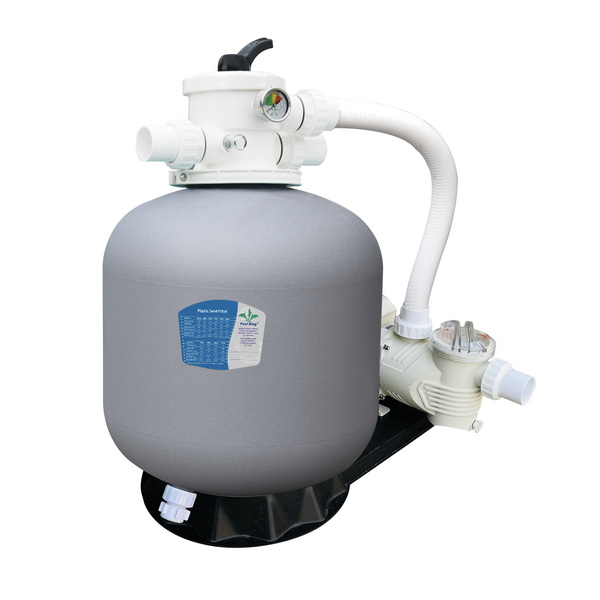
Most residential pool owners should change the sand in a pool filter about every 3–5 years under normal use, but high bather load, year‑round operation, and poor maintenance can shorten this interval significantly. In busy commercial or public pools, the sand often needs replacement every 1–2 years because the filter runs many more hours and handles much heavier contamination.
Inside a sand filter tank, a bed of specially graded media traps dirt, dust, body oils, hair, insects, and fine particles as pool water is pushed through the sand under pump pressure. The sharp edges of new filter sand create a maze of tiny passages that physically strain out debris, helping chlorine and other chemicals work more efficiently.
Over time, constant water flow and abrasion round off these grains and fill the gaps with oils and scale, so particles slip through more easily and the water looks dull or cloudy. When the sand is too worn or fouled to catch fine dirt, more chemicals are needed to keep the pool clear, and the system becomes harder and more expensive to manage.
For most residential pools, a 3–5 year interval is a practical rule of thumb, assuming the system is sized correctly and maintained well. Pools that are used only in summer, with moderate bather load, often stay within this range without any major problems.
However, if the pool is open year‑round, hosts many swimmers, or struggles with repeated algae blooms, the effective life of the sand can drop to 2–3 years. The more hours the pump runs and the more contamination the water carries, the faster the sand's performance declines.
Hotels, resorts, gyms, schools, and public facilities usually run their filtration systems almost continuously and have many more bathers per day. In these environments, sand is often replaced every 1–2 years to maintain high water quality and meet health regulations.
Because these sites are highly visible and tightly regulated, operators cannot tolerate long periods of cloudy water or recurring algae, so they tend to follow more aggressive replacement schedules. For OEM and engineering partners, this means specifying tanks, media, and hydraulics that can tolerate intensive usage.
Every swimmer brings sunscreen, cosmetics, sweat, and organic material into the water, all of which end up in the filter. Pools used daily by large families, rentals, or clubs push far more contamination through the sand than a lightly used backyard pool.
If your pool hosts frequent parties, kids' activities, or swim classes, expect your sand to wear out and clog faster. In these cases, checking performance indicators (pressure, clarity, chemical demand) is more reliable than waiting for an exact calendar date.
A filter that runs 8–12 hours per day for three or four summer months will accumulate less total wear each year than a system running 24/7 in a warm climate. As a result, the same sand could last noticeably longer in a short‑season pool than in a year‑round installation.
When deciding how often to change sand, consider total hours of operation per year instead of only counting seasons. Very long run times with warm water and strong sunlight accelerate organic growth and put extra stress on the filtration system.
A small sand filter matched with a relatively powerful pump can become overloaded, forcing water through too quickly and reducing contact time with the media. Oversized pumps with undersized filters often create high pressure, faster clogging, and more frequent backwashing.
By contrast, a correctly sized or slightly oversized filter gives debris more space to settle and distributes the load more evenly across the sand bed. When the filtration equipment is properly matched, the sand bed usually lasts closer to the upper end of the recommended interval.
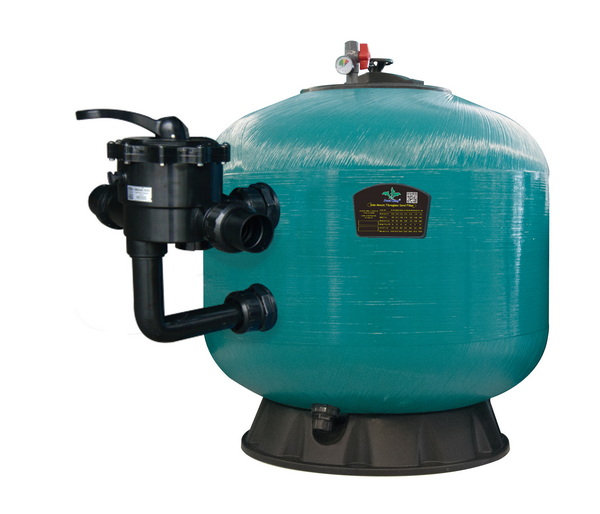
If your pool water remains cloudy or milky for days even after brushing, shocking, and balancing chemicals, the filter may no longer trap very fine particles. This is especially suspicious when the same system used to clear cloudy water within 24–48 hours but now takes much longer.
A worn sand bed can allow microscopic debris and dead algae to pass straight back to the pool, giving the water a constant hazy appearance. In that situation, continuing to add chemicals without addressing the filter usually wastes money and time.
Many pool owners notice that they need to backwash more often than they used to, even though usage has not increased. If the pressure rises quickly after every backwash, the sand may be heavily fouled with oils, scale, or fine particles.
Shorter and shorter filter cycles indicate that the bed is clogged or compacted and no longer has enough free space to hold more dirt. Once this pattern appears consistently, a deep cleaning or full media replacement is usually required.
Every filter system has a “clean” starting pressure, often somewhere around 8–15 psi for residential installations. When the gauge regularly climbs far above that number soon after backwashing, there is increased resistance through the sand.
While plumbing blockages or valve problems can also raise pressure, old or hardened sand is a common cause. Sudden swings between low and very high pressure may suggest both internal wear and partial obstructions that need inspection.
Inside an aging sand filter, the media can form hard clumps or ridges, sometimes called “mud balls,” where oils and fine particles bind grains together. Water then cuts channels around these lumps, bypassing much of the sand instead of flowing evenly through the bed.
If you open the tank and see visible tunnels, large clumps, or very uneven surfaces, cleaning alone may not be enough. In most cases, this condition means it is time to replace all the media and reset the bed.
Small piles of sand under the return jets or on the pool floor indicate that something is wrong inside the filter. The most common reasons are cracked laterals, damaged standpipes, or internal fittings affected by age or incorrect media.
Although this issue is sometimes linked more to broken parts than to sand age, replacement usually involves removing the old media anyway. When internal repairs are needed, many owners take the opportunity to install fresh sand at the same time.
In moderately used pools with relatively young sand, a chemical cleaning can restore performance without the cost and labor of a full change. Specialized sand filter cleaners or enzyme‑based products dissolve body oils, lotions, and other organic films that coat the grains.
Performing a deep clean at the start or end of each season can often extend the effective life of the sand up to the higher end of the recommended window. When combined with good water balance and normal backwashing, this approach delays replacement for some pools.
Once the sand is physically worn, rounded, or heavily channeled, no chemical product can restore the original sharp edges and structure. In this case, even a clean‑looking bed may not capture fine particles effectively.
If you have already tried deep cleaning and still face cloudy water, frequent backwashing, or high pressure, it is usually more economical to replace the media. New sand or upgraded media quickly restores filtration efficiency and often lowers chemical consumption.
Changing sand in a pool filter is a hands‑on job, but many owners can handle it with basic tools and safety precautions. Always follow the specific instructions for the brand and model you are working on.
1. Turn off the pump and power supply, close valves, and open the air relief to remove pressure.
2. Disconnect the pipes or unions connected to the valve or filter head.
3. Remove the multiport valve or top assembly carefully, noting any O‑rings and seals.
4. Cover the standpipe opening with plastic or tape so sand cannot fall inside.
5. Scoop or vacuum out the old sand; a shop‑vac makes this step much faster.
6. Inspect laterals, standpipe, and internal fittings, replacing any cracked or worn parts.
7. Partially fill the tank with water to cushion the new media and protect the internals.
8. Add the specified amount and grade of sand or alternative media slowly and evenly.
9. Reinstall the valve or head, reconnect plumbing, and check that all fittings are tight.
10. Backwash thoroughly, then rinse before switching to normal filter mode.
Traditional #20 silica sand remains the standard choice for many residential pools because it is reliable, widely available, and cost‑effective. This media is graded so that grains are uniform enough to filter well but not so fine that they restrict flow excessively.
Upgraded media such as glass, zeolite, or specialty blends can capture smaller particles and may reduce backwashing frequency. They are often chosen for high‑end residential pools, hospitality projects, and OEM installations targeting low operating costs and premium water clarity.
When selecting media, always match the grade and quantity to the filter's specifications. Using the wrong size or type can cause channeling, excessive pressure, or damage to internal components. For new builds or OEM projects, coordinating pump flow, filter surface area, and media type together gives the best long‑term performance.
For brands, wholesalers, and professional builders, the design of the filter and pump system strongly influences how often the sand must be changed. A well‑engineered OEM sand filter uses robust, corrosion‑resistant tanks, strong laterals, and optimized internal geometry to distribute flow evenly.
When these filters are paired with correctly sized circulation pumps and energy‑efficient motors, the system runs at stable pressures and minimizes stress on the sand bed. This reduces channeling, avoids constant high‑pressure conditions, and helps the media maintain performance over many seasons.
Factories that specialize in complete filtration lines—sand filters, DE filters, cartridge filters, pumps, LED lights, and matching accessories—can design integrated solutions for international partners. For foreign brands and wholesalers, this means easier installation, fewer after‑sale issues, and clear marketing advantages based on reliability and low maintenance.
Good daily and seasonal habits can significantly extend the useful life of your sand and delay the need for a full change.
- Backwash only when the pressure is about 8–10 psi above the clean starting point, not on a fixed schedule.
- Keep pH, alkalinity, and sanitizer within recommended ranges to reduce scale and organic fouling.
- Shower before swimming and encourage guests to rinse off sunscreen where possible to reduce oil load.
- Avoid sending large quantities of flocculants or clarifiers directly through the sand unless the product label says it is safe.
- Use a sand filter cleaner or descaler once or twice per season in heavily used pools.
- Inspect gauge readings and water clarity regularly so you notice performance changes early.
Most residential pools benefit from a complete sand change every 3–5 years, while high‑use and commercial systems often require new media every 1–2 years. Instead of waiting for an exact anniversary, watch for persistent cloudy water, frequent backwashing, pressure spikes, and sand channeling as practical signs that your filter bed is worn out.
By combining correct equipment sizing, good water balance, and regular backwashing and cleaning, pool owners and professional operators can extend the life of their sand and keep water consistently clear. For brands, wholesalers, and builders, partnering with a reliable OEM manufacturer for sand filters, pumps, LED lights, and accessories ensures that every project delivers stable, efficient filtration with predictable maintenance intervals.
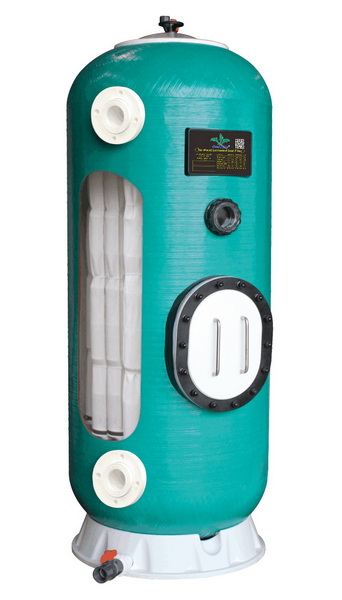
Most backyard pool owners should plan to change sand roughly every 3–5 years, depending on usage, climate, and how well the filter maintains water clarity over time.
Some lightly used, well‑maintained pools can stretch beyond five years if the water remains clear and pressure cycles are normal. However, once warning signs appear, postponing replacement usually increases chemical and labor costs.
The most common sign is water that stays dull or cloudy even after shocking, balancing chemicals, and backwashing. If combined with higher pressure and shortened filter cycles, it strongly suggests the media is exhausted.
Advanced media such as glass or zeolite often maintain fine filtration for longer and may need less frequent replacement. However, actual life depends on usage, maintenance, and whether the media grade matches the filter's design.
Many pool owners can change sand themselves with basic tools, but the job is dusty and can be physically demanding. Hiring a professional is recommended for large commercial filters, complex plumbing, or when you are not comfortable disassembling and re‑sealing the system.


