
Views: 222 Author: Tina Publish Time: 2025-11-17 Origin: Site


Content Menu
● The Role of Pool Filters in Water Quality
● Cartridge Filters: Features and Replacement Timelines
● Sand Filters: Maintenance and Lifespan
>> Key Steps
● DE Filters: Nuances of Care and Replacement
● Glass Filter Media: High-End Pool Filtration
● Seasonal Pool Filter Maintenance Schedule
● Water Chemistry and Filter Longevity
● Signs Your Pool Filter Needs Replacement
● Routine Inspection and DIY Tips
● Troubleshooting Poor Filtration
● Comprehensive Comparison Table: Pool Filter Types & Lifespan
● Manufacturer Recommendations
● Extending Filter Life: Pro Tips
>> 1. How often should I change my pool's cartridge filter?
>> 2. What signals indicate it's time to replace sand or DE filter media?
>> 3. How do I extend the life of my filter?
>> 4. Can I clean instead of replacing the filter?
>> 5. Should filters be replaced seasonally?
Owning a pool requires consistent maintenance, and pool filters play a central role in keeping water clean and safe. Understanding when and how often to change a pool filter maximizes both the health of swimmers and the lifespan of your pool equipment. This comprehensive guide covers key concepts, detailed recommendations, expert tips, and the latest visuals to help both homeowners and commercial operators manage pool filters with confidence.[1][7][11]
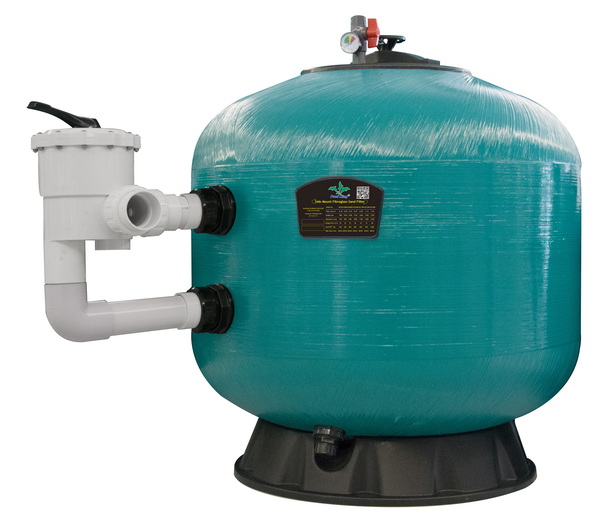
A pool filter removes debris, particles, and contaminants from the water, serving as the first line of defense for hygiene and clarity. There are three primary types of pool filters:
- Cartridge filters
- Sand filters
- Diatomaceous earth (DE) filters
- Glass media filters (high-end applications)
Each filter media has unique strengths, routines, and replacement intervals. Consistent inspection and cleaning are essential, but periodic replacement is unavoidable for efficiency.[5][1]
Cartridge filters are user-friendly, highly effective, and increasingly common in residential and commercial pools. Made of pleated polyester, these filters trap fine debris and contaminants. Their performance depends on pool usage, water chemistry, and cleaning habits.
- Average lifespan: 1–2 years
- Heavy use or poor maintenance: 6–12 months
- Indicators for replacement: Torn pleats, busted end caps, persistent high pressure after cleaning, filters that remain dirty after repeated rinsing.[7][12][13][1][5]
- Clean cartridges every 2–6 weeks, more often in busy seasons or after storms.[4][5]
- Rinse thoroughly with hose and soak in specialized cleaner every few months.[8][1]
- Inspect for physical damage or extreme wear after each cleaning cycle.
- When cleaning no longer restores flow or appearance, replace the cartridge.
Sand filters use fine sand as media to capture particles as water flows through. They are highly durable and common in large pools, public facilities, and resorts.
- Sand media lifespan: 3–7 years (sometimes up to 10 years with high-end glass media use)
- Replacement signals: Poor water clarity, sand entering the pool, low filtration pressure, persistent cloudiness, and sand forming channels or lumps inside the filter.[11][15][16][1][5][7]
- Backwashing: Essential every 4–6 weeks or when the pressure gauge shows an 8–10 psi rise above clean baseline.[1][4][5]
- Backwash for 3–5 minutes to clear debris.[5]
- Add filter cleaner seasonally to boost effectiveness.[5]
- For glass media: Replace every 7–15 years, though glass lasts longer but requires periodic inspection.
Diatomaceous earth filters use natural powder coating internal grids to trap even finer particles than sand or cartridge filters.[6][17][1][5]
- DE powder: Replenish every cleaning or backwash cycle
- Filter grids: Replace every 5–10 years, or sooner if torn, bent, or not cleaning well despite new DE
- Backwashing: Approximately monthly, or whenever pressure rises by 8–10 psi.[4][7][5]
- Backwash filter at recommended intervals.
- Disassemble grids for deep cleaning every 6–12 months.
- Inspect for tears, cracks, or persistent staining; replace grids as needed.[6][5]
Glass media filters are newer, offering longer life and improved filtration. These filters can last 7–15 years and are often used in high-end commercial pools.
- Inspect for compaction, channeling, or inability to maintain water clarity as signs of replacement need.[15]
- Clean with periodic backwashing and chemical treatment as recommended.
Proper seasonal routines maximize the filter's lifespan and reliability:
- Inspect all equipment, O-rings, clamps, pressure gauges
- Clean or replace cartridges, backwash sand/DE filters[1][5]
- Begin season with fresh or fully cleaned media
- Clean filter every 2–4 weeks—more often in high-use pools[5]
- Deep clean cartridges monthly
- Maintain water chemistry for balanced pH, chlorine, and alkalinity[3][5]
- End-of-season inspection for cracks, tears, or leaks
- Remove, clean, and store equipment in dry, protected places[7][5]
- Perform a final deep clean, especially before winter shutdowns
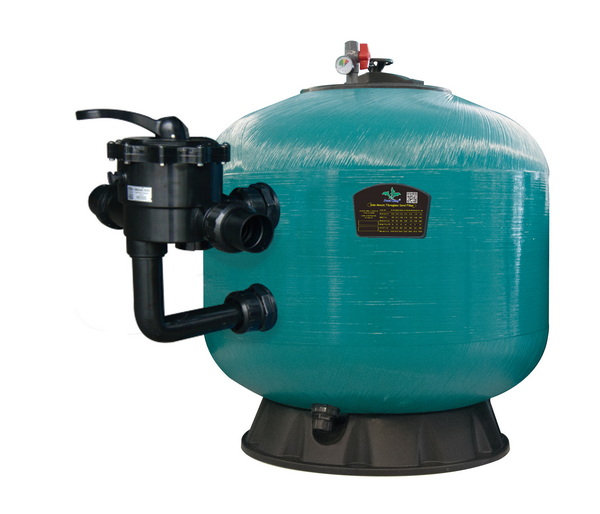
Balanced water chemistry is vital for filter performance and longevity:
- Test pool water for pH, chlorine, alkalinity, and calcium hardness monthly (more often during heavy use).[3][5]
- Algae, scale, and improper sanitizer levels can clog media faster, requiring more frequent cleaning and replacement.[12][3]
- Use appropriate chemical treatments and additives to prevent filter-damaging buildup.[10][5]
Monitor these warning signals year-round:
- Persistent cloudiness or muddy water despite chemicals.[19][3]
- Sudden or consistent increase in filter pressure by 8–10 psi.[7][5]
- Sand, DE powder, or broken cartridge material in the pool.[16][15][17]
- Physical damage: cracks, torn pleats, broken bands.[12][19][7]
- Difficult cleaning: filters that remain dirty after soaking.[6][1]
- Visually check filters and pressure readings each month
- Remove and inspect filter media for tears, compaction, or dirt
- Use garden hose at an angle for gentle deep cleaning (not high pressure)[8][7]
- Soak cartridges/DE grids in cleaning solution for 12–24 hours when rinsing alone is ineffective[8][1]
- Don't ignore rising pool pressure; act as soon as readings change
If water clarity doesn't improve after chemical treatments:
- Open and inspect filter for damaged or clogged media
- Clean or backwash as appropriate for filter type
- Check for leaks or bypass routes in the filter housing
- If problems persist, replace the filter or media as recommended[13][3][1]
| Filter Type | Avg. Replacement Interval | Key Maintenance Tasks | Troubleshooting Signals |
|---|---|---|---|
| Cartridge | 1–2 yrs | Clean every 2–6 wks, deep clean monthly | High pressure, torn pleats, persistent dirt |
| Sand | 3–7 yrs | Backwash monthly or by gauge; clean bi-annually | Cloudy water, sand in pool, compaction |
| DE | 5–10 yrs (grids); DE powder every clean/backwash | Backwash monthly, recharge DE, deep clean semi-annually | Cloudy water, broken grids, powder in pool |
| Glass | 7–15 yrs | Backwash seasonally, inspect yearly | Poor clarity, compaction, channeling |
- Always turn off pump and relieve pressure before servicing filters to avoid accidents.[8][5]
- Never mix filter cleaning chemicals unless manufacturer-approved.
- Dispose of old sand, DE, and cartridge media according to local regulations.
- To save water, utilize backwash discharge for garden irrigation where possible and legal.
Professional pool filtration equipment manufacturers typically advise:
- Follow manufacturer guidelines for media type and cleaning interval
- Use recommended filter cleaners and maintenance solutions for safe, effective results[2][5]
- Consider OEM parts for best compatibility and performance, especially for commercial or high-end pools
- Minimize swimmer contamination: encourage pre-swim showers to reduce oils and lotions.[12][7]
- Use pool covers to prevent excess debris and reduce filter load.
- Keep up with weekly/monthly pool maintenance checklists.[9]
- Inspect media and replace components promptly for efficiency.
The frequency for changing a pool filter depends on the filter type, pool usage, and maintenance practices, but following recommended timelines ensures optimal performance and hygiene. Regular inspections—combined with deep cleaning and timely replacement—are critical for long-lasting pool filtration systems and healthy water conditions.
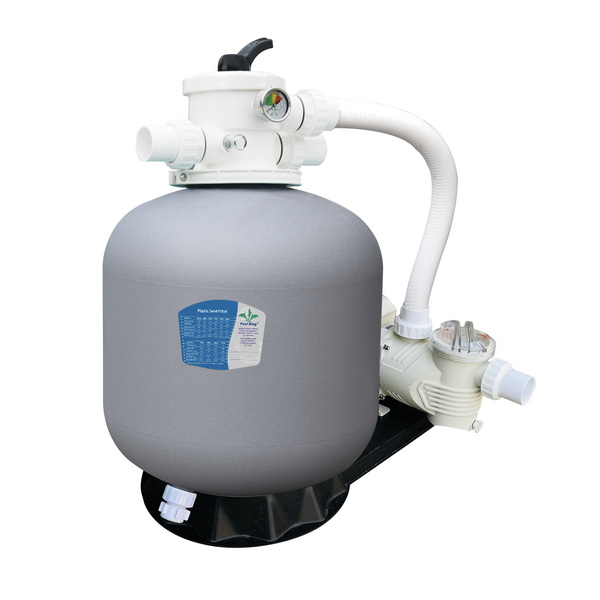
Most pool cartridge filters require replacement every 1–2 years; however, high-usage pools or filters showing physical wear should be replaced sooner.[13][4][1][7]
Cloudy water, sand or powder in the pool, poor water flow, or a pressure gauge // consistently 8–10 psi above clean baseline suggest the need to replace sand (3–7 years), DE grids (5–10 years) or DE powder (every maintenance cycle).[15][17][5]
Regular cleaning, scheduled inspections, balanced water chemistry, and prompt repair of leaks or tears extend filter lifespan significantly.[1][5]
Regular cleaning (hosing, soaking, backwashing) delays replacement, but you must replace filters when cleaning no longer restores function or visual cleanliness.[1][8]
It's advisable to inspect and clean before and after each swim season. Replace media as needed for optimal water safety, especially in regions with heavy pool usage or seasonal closures.[13][5][1]
[1](https://myeverclearpool.com/pool-care/guide-to-pool-filter-maintenance/)
[2](https://halogensupply.com/blog/guide-selecting-best-pool-filter/)
[3](https://poolife.com/2024/01/09/guide-to-cleaning-a-pool-filter/)
[4](https://pool.dreametech.com/blogs/blog/how-often-to-clean-pool-filter-complete-guide)
[5](https://lesliespool.com/blog/the-ultimate-pool-filter-maintenance-guide.html)
[6](https://poollogicsd.com/resources/a-complete-guide-to-pool-filter-cleaning-in-san-diego/)
[7](https://speckusa.com/pool-maintenance-pool-filter/)
[8](https://intheswim.com/blog/pool-equipment-maintenance-guide.html)
[9](https://www.doforms.com/blog/pool-maintenance-checklist/)
[10](https://www.poolmagazine.com/cleaning/summer-pool-prep-simplified-a-comprehensive-guide-to-essential-pool-chemicals-and-their-uses/)
[11](https://hyclor.com.au/how-long-do-pool-filters-last/)
[12](https://www.flleisure.com/how-often-do-i-need-to-replace-the-cartridge-filter-element-on-my-pool)
[13](https://www.coastalluxurypv.com/blog/how-often-should-you-replace-filter-cartridge-in-pool/)
[14](https://www.youtube.com/watch?v=GeYOpKr46b0)
[15](https://www.1stdirectpools.com/blog/post/how-often-should-you-replace-swimming-pool-filter)
[16](https://poolsoffun.com/4-signs-its-time-to-change-your-filter-sand/)
[17](https://www.youtube.com/watch?v=AI2DX__y7Rg)
[18](https://www.youtube.com/playlist?list=PLD13B4EF8AB358B02)
[19](https://lesliespool.com/blog/pro-tips-cartridge-filters-clean-replace.html)
[20](https://www.youtube.com/watch?v=L0WNAscMYJc)
[21](https://poolprofessorsnc.com/pool-company-blog/an-easy-guide-to-maintaining-your-pool-infographic/)


