
Views: 222 Author: Tina Publish Time: 2025-12-16 Origin: Site


Content Menu
● General daily runtime guidelines
● Factors that change how often the pump should run
● How to calculate your ideal pump runtime
● Single‑speed vs variable speed pump runtimes
● Splitting pump runtime into multiple sessions
● Seasonal and climate‑based adjustments
● How filter type influences runtime
● Signs you should run the pump more
● Energy efficiency and cost savings
● OEM pump and filter solutions for global buyers
● FAQs about how often the pool pump should run
>> 1. Is it OK to run my pool pump 24 hours a day?
>> 2. Can I run my pool pump for only 4 hours a day?
>> 3. When is the best time of day to run the pool pump?
>> 4. How often should I run a variable speed pool pump?
>> 5. How do I know if my pump is not running long enough?
>> 6. Do saltwater pools need different pump runtimes?
How often a pool pump should run depends on pool size, pump flow rate, climate, and usage, but most residential pools need about 8–12 hours of runtime per day to achieve at least one full turnover of the water and keep it clean and safe. Variable speed pumps usually run longer overall (often around 12 hours or more), but at lower speeds, which saves energy while still providing effective circulation.[1][2][3][4][5][6]
Running the pool pump for the right number of hours each day is one of the most important decisions a pool owner can make. It directly affects water clarity, algae control, energy bills, and the life of your filtration equipment. Most experts recommend targeting at least one complete turnover of the pool's water every 24 hours, which typically translates to 8–12 hours of pump runtime for a standard residential pool.[7][8][1]
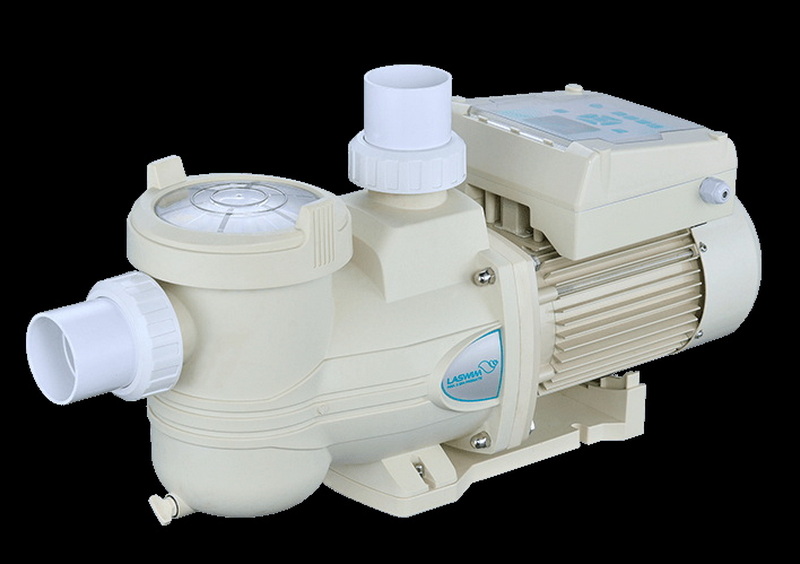
Pool turnover is the time it takes for a volume of water equal to the entire pool to pass once through the filtration system. When water completes at least one full turnover per day, the filter can remove suspended particles more effectively and sanitizers distribute evenly, improving clarity and safety.[9][10][1][7]
To calculate turnover, you need pool volume and the pump's flow rate (in gallons per minute or cubic meters per hour). The basic formula is: turnover period (hours) = pool volume ÷ circulation rate, so if your pool holds 15,000 gallons and your system moves about 31 gallons per minute, you achieve one turnover in about 8 hours.[11][12][1]
Most residential single‑speed pumps should operate at least 8 hours per day to complete one full turnover under normal conditions. In hotter climates or during periods of heavy use, many professionals increase runtime up to 12 hours or more to prevent algae and cloudiness, or even run enough hours for two turnovers during very warm conditions.[3][5][8][10][1]
Variable speed pumps, which are more efficient, usually run longer at lower speeds—often around 12 hours total per day, with a few hours on higher speed and the rest on low for quiet, economical filtration. This combination allows excellent circulation and debris removal while dramatically cutting energy consumption compared to running a single‑speed pump at full power all day.[2][4][10][6][13]
Several real‑world factors influence how many hours your pool pump should run each day. Understanding them helps you avoid over‑ or under‑circulating your water.
Key factors include:
- Pool size and shape
- Larger pools with higher water volumes naturally need more total filtration time to complete a full turnover.[12][11]
- Irregular shapes or dead zones may require longer runtime or improved return jet positioning to maintain circulation.[10][7]
- Pump power and flow rate
- A high‑flow pump can move the same volume in less time, while a small pump may need extended runtimes to achieve one turnover per day.[1][9]
- Oversized pumps may short‑cycle the system and waste energy, so matching pump size to pool volume and plumbing is essential.[10][12]
- Filter type (sand, cartridge, DE)
- Sand filters tolerate slightly higher debris loads but generally filter more coarsely, so some pools may need longer runtimes to maintain clarity.[7][10]
- Cartridge and DE systems provide finer filtration, sometimes allowing slightly shorter runtimes if water quality remains excellent.[11][10]
- Climate and season
- In cool off‑season conditions with water below about 60 °F, many pools can run the pump less than 6 hours per day without sacrificing clarity.[8][7]
- When water temperatures climb into the 80s or higher, professionals often recommend 12 hours or more of daily filtration, and up to 16–18 hours in very warm, sunny regions.[5][8]
- Bather load and contamination
- Pools used heavily by swimmers, pets, or during pool parties will need more runtime to remove body oils, sunscreen, and organic debris thoroughly.[1][10]
- After storms or heavy leaf fall, temporarily increasing pump hours helps the filter recover water quality faster.[3][8]
Instead of guessing, you can use simple math to calculate a baseline runtime and then fine‑tune based on water quality. Professionals recommend starting with your pool volume and pump flow rate to determine how long one turnover takes.[11][1]
1. Determine pool volume
- Measure length × width × average depth to estimate volume, then convert to gallons or cubic meters using a standard pool volume chart or calculator.[12][11]
2. Check pump flow rate
- Look at the pump label or manual, which usually lists gallons per minute (GPM) or cubic meters per hour; a flow meter on the plumbing line provides the most accurate real‑time reading.[9][12]
3. Use the turnover formula
- Turnover time (hours) = pool volume ÷ circulation rate, so for 15,000 gallons and a flow rate that delivers one turnover in 8 hours, running the pump those 8 hours completes a full cycle.[1][11]
After calculating, observe the pool for a week. If the water is crystal clear and chemical readings are stable, your runtime is adequate; if algae or cloudiness appears, increase daily hours or improve filtration and circulation until the pool stabilizes.[13][10]
Single‑speed pumps operate at one fixed speed, so all circulation occurs at full power, which can be effective but often wastes electricity if run for long periods. Many owners run single‑speed pumps 8–10 hours per day in moderate climates and extend to 12 or more hours in peak summer conditions.[8][13][10][1]
Variable speed pumps, by contrast, can be programmed to run most of the day at low speed, providing a longer, gentler circulation that is far more energy‑efficient. Many pool owners run variable speed pumps for 12 hours or more daily, combining a few hours at higher speed for cleaning systems with several hours at low speed for general filtration and chlorination.[4][14][6][2][10]
The daily runtime does not need to be continuous. Experts note that as long as the pump runs enough hours within a 24‑hour period to complete the desired turnovers, you can split that time into several blocks.[14][3]
For example, some owners run the pump for a few hours during the day to handle debris and sunlight‑driven chlorine loss, then run additional hours at night when electricity rates are lower, especially where time‑of‑use tariffs apply. This split schedule balances energy savings with good daytime circulation, helping to prevent algae growth.[4][5][1]
In cooler months or off‑season when the pool is covered and water is cold, you can usually reduce runtime below the standard 8 hours, sometimes to 4–6 hours depending on water temperature and activity. This saves considerable energy while still keeping the pool fresh and ready for opening.[7][8]
In hot summer weather, especially in regions with strong sun and high air temperatures, owners often increase pump runtime to 12 hours or more to maintain clarity and proper sanitizer distribution. In extreme heat, some guidance suggests running long enough for two full turnovers per day or nearly continuous low‑speed circulation with a variable speed pump.[5][13][8][10]
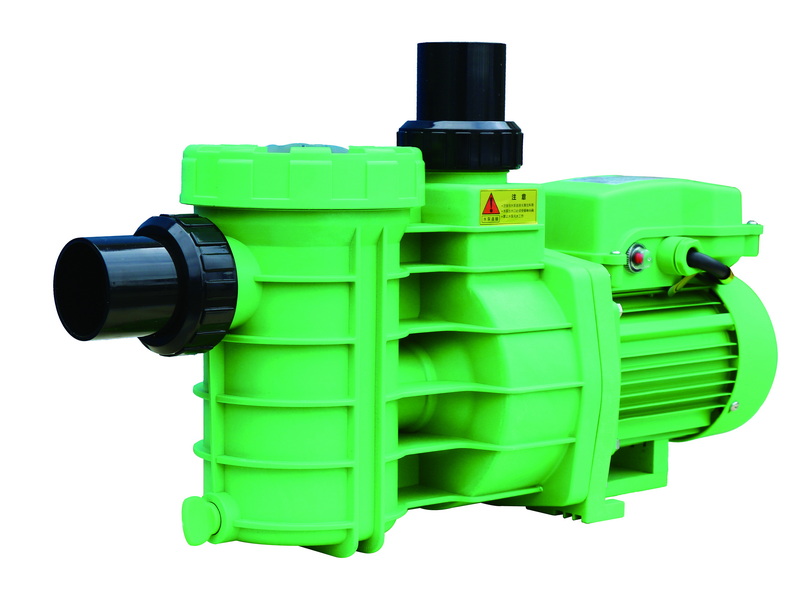
The type of filter installed—sand, cartridge, or DE—affects how quickly water is polished and how often the pump should run to maintain ideal clarity.
- Sand filters
- Sand filters are robust and easy to backwash but have the coarsest filtration level, so some pools need longer runtimes or more frequent backwashing in heavy‑debris environments.[10][7]
- High‑quality sand filters designed for modern pumps can still maintain excellent clarity if paired with the right runtime and chemical balance.
- Cartridge filters
- Cartridge filters generally trap smaller particles than sand, which can improve clarity at a similar or slightly shorter runtime, provided the cartridges are cleaned regularly.[11][10]
- Many residential pools with cartridge filters run safely around 8–10 hours per day, increasing runtime during peak season or heavy bather load.
- DE filters
- DE (diatomaceous earth) filters offer the finest filtration of the three mainstream types and can deliver very polished water, even at moderate runtimes.[7][10]
- However, DE systems require more detailed handling and backwashing, making regular maintenance essential to sustain flow and keep runtimes efficient.
Even with careful calculation, your pool's appearance and chemistry ultimately tell you whether the pump is running long enough. There are several clear warning signs that indicate you should increase runtime or improve circulation.
Common indicators include:
- Cloudy or hazy water even when chemical levels appear correct.[8][10]
- Early signs of algae, such as green tint on steps or walls and slippery surfaces.[3][10]
- Strong chloramine smells or eye irritation, suggesting poor circulation and inadequate oxidation.[10][7]
- Persistent debris floating on the surface or settling on the bottom despite regular skimming and vacuuming.[14][1]
If these issues occur, increase daily runtime by one or two hours and monitor the pool for several days. If problems persist, check filter condition, pump performance, and water chemistry, and consider upgrading to higher‑efficiency equipment.
Running a pool pump is one of the largest contributors to a pool owner's electricity bill, so optimizing runtime is crucial for cost control. Studies and field experience show that oversized single‑speed pumps running too many hours waste considerable energy without providing additional water quality benefits.[13][10]
Variable speed pumps, which use efficient motors and lower operating speeds, can provide the same or better water turnover while saving an estimated 50–80% or more in energy compared with older single‑speed models. By combining a properly sized pump, a correctly matched sand, cartridge, or DE filter, and a calculated runtime schedule, you can maintain excellent water quality with minimal energy use.[6][14][10]
Below is a simplified table summarizing typical baseline runtimes for common pool and pump setups under “average” conditions. Always adjust based on your actual water clarity, climate, and equipment.
| Setup type | Typical daily runtime | Notes |
|---|---|---|
| Single‑speed pump, moderate climate | 8–10 hours | One full turnover for many residential pools.professionalaquaticservices+1 |
| Single‑speed pump, hot summer climate | 10–12+ hours | May require 2 turnovers for very warm water.myeverclearpool+1 |
| Variable speed pump, average pool | ≈12 hours total | Mix of 3–4 hours high speed, 8–9 hours low.lesliespool+1youtube |
| Covered or off‑season pool (cold water) | 4–6 hours | Lower temps and load allow reduced runtime.intheswim+1 |
| Large or high‑use commercial‑style pool | 12–18+ hours | Higher turnover requirements and bather load.clearcomfort+1 |
These values are typical guidelines, not strict rules; always prioritize real‑world water quality and safety over fixed numbers.
For international brands, wholesalers, and pool equipment manufacturers, choosing the right pump and filter combination is just as important as deciding how many hours to run the system each day. High‑efficiency sand filters with optimized internal laterals, precision‑molded cartridges, and fine‑grade DE elements allow the pool to reach excellent clarity without excessive runtime.[11][10]
Pairing these advanced filters with modern variable speed pumps gives end users the flexibility to run low‑speed circulation for long hours with very low energy draw, while still having the power for backwashing, cleaning, and special operations when needed. OEM‑grade housings, seals, and motors help your customers reduce maintenance costs, making your equipment more attractive in competitive global markets.[6][14][13]
In most residential settings, a pool pump should run between 8 and 12 hours per day, long enough to turn over the entire pool volume at least once and often closer to 1.5–2 turnovers in hot or high‑use conditions. Instead of relying on guesswork, owners should calculate turnover based on pool volume and pump flow, then fine‑tune daily runtime according to water clarity, season, and bather load, using variable speed programming and efficient filters to minimize energy usage.[5][8][1][10][11]
By combining accurate calculations, seasonal adjustments, the right filter type, and properly sized pumps, you can keep pool water clear, safe, and inviting while managing electricity costs. For brands and wholesalers, specifying advanced sand, cartridge, and DE filters with variable speed pumps creates systems that are easier to operate and more economical across a wide range of climates and markets.[14][13][10]
Yes, most modern pumps can physically run 24/7, and some large or heavily used pools operate nearly continuously. However, for typical residential pools, 24‑hour runtimes are usually unnecessary and can waste energy unless you use a very efficient variable speed pump at low speeds.[6][13][14][10]
In most warm‑weather residential pools, 4 hours a day is not enough to maintain clear, sanitary water because it rarely provides a full turnover. Very small, covered, or cold‑water pools in off‑season may be able to run close to 4–6 hours, but owners must monitor clarity and chemistry closely.[8][1][7]
Many experts suggest combining some daytime runtime, when sunlight and swimmers introduce contaminants, with nighttime runtime to take advantage of off‑peak electricity rates where available. If your utility charges different rates by time of day, running more hours at night can significantly reduce operating costs while still achieving full daily turnover.[4][3][5][1]
Most pool owners run variable speed pumps at least 12 hours per day, using 3–4 hours on higher speed for skimming and cleaners and 8–9 hours on low speed for filtration and chlorination. Because variable speed motors are more efficient, they can run longer at lower speeds and still use less energy than a single‑speed pump running fewer hours.[2][13][4][14][6]
If you see cloudy water, frequent algae growth, persistent debris, or unstable sanitizer levels even with proper chemical dosing, your pump may not be running long enough or your filtration is inadequate. Increase the daily runtime by 1–2 hours and verify that the filter is clean and functioning correctly; if problems continue, consider upgrading equipment or consulting a pool professional.[1][8][10]
Saltwater pools still rely on good circulation and turnover, but salt chlorine generators often require a minimum flow and runtime each day to produce enough chlorine, so long low‑speed cycles with variable speed pumps are especially useful. Many owners treat saltwater pools like traditional pools, targeting at least 8–12 hours of daily circulation and adjusting based on sanitizer levels and water clarity.[17][3][6][10]
[1](https://professionalaquaticservices.com/run-your-pool-pump-each-day/)
[2](https://lesliespool.com/blog/how-to-calculate-pool-pump-run-time.html)
[3](https://www.swimuniversity.com/run-pool-pump/)
[4](https://lesliespool.com/blog/whats-the-best-time-to-run-your-pool-pump.html)
[5](https://myeverclearpool.com/pool-care/how-often-run-pool-pump-in-arizonas/)
[6](https://www.youtube.com/watch?v=u4ExnupI26o)
[7](https://lotuspools.com/blog/pool-turnover-rate/)
[8](https://intheswim.com/blog/how-long-to-run-pool-pump.html)
[9](https://www.stockwellassociates.co.uk/tutorial-flow-rate-and-turnover.php)
[10](https://clearcomfort.com/why-is-swimming-pool-circulation-important/)
[11](https://www.fluidra.com/commercial-solutions/inspiration/blog/turnover-rate/)
[12](https://stockwellsafety.com/flow-rate-and-turnover-explained/)
[13](https://fronheiser.com/how-many-hours-per-day-does-my-pool-pump-need-to-run/)
[14](https://poolpartstogo.com/blogs/articles/ideal-schedule-for-your-variable-speed-pool-pump)
[15](https://www.youtube.com/watch?v=9ToRTbckeOw)
[16](https://www.youtube.com/watch?v=5SbEB44THW4)
[17](https://www.youtube.com/watch?v=i44bmptMGgU)
[18](https://www.reddit.com/r/pools/comments/csj0s1/rule_of_thumb_for_pool_turnover_8hrs_10hrs_1_day/)
[19](https://www.facebook.com/groups/273395260599363/posts/1121046789167535/)
[20](https://www.reddit.com/r/pools/comments/14p2e0j/variable_speed_pump_run_times/)


