
Views: 222 Author: Tina Publish Time: 2025-11-19 Origin: Site


Content Menu
● Why Pool Filter Runtime Matters
● Pool Filter Types and Their Impact
>> Sand Filters
>> DE (Diatomaceous Earth) Filters
● Influencing Factors for Pool Filter Runtime
>> Energy Costs
● Pool Filter Operation and Maintenance: A Step-by-Step Guide
>>> Pro-Tips:
● Daily, Weekly, Monthly, and Annual Maintenance Schedules
● Pool Filter Troubleshooting and Optimization
● FAQ
>> 1. How often should I clean my pool filter?
>> 2. Can I reduce filter runtime if my pool isn't used often?
>> 3. Why is my pool cloudy even after regular filtering?
>> 4. When do I need to replace sand or cartridges?
>> 5. What's the best time of day to run my pool filter?
Proper filtration is crucial for maintaining water clarity, sanitation, and swimmer safety in any swimming pool. Determining how often your pool filter should run depends on the type of filter, pool size, climate, frequency of use, and the efficiency of your pump system. In this article, learn the best runtime recommendations, explore advanced maintenance routines, get practical tips for energy savings, and follow step-by-step cleaning guides for sand, cartridge, and DE filters.[11][12][13][14]
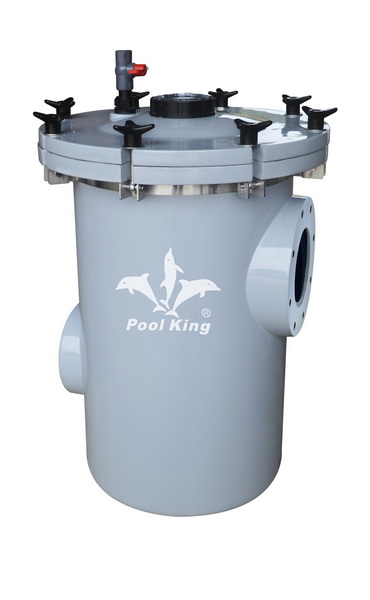
A well-maintained filtration schedule does more than keep the water looking clear—it protects swimmers from harmful bacteria and algae growth, distributes sanitizing chemicals evenly, and helps prevent equipment damage.[14][15]
- Filtration removes organic matter, pollen, dust, and microorganisms.
- Continuous circulation ensures chemicals are mixed thoroughly.
- Reduces instances of cloudy water and algae blooms.
Sand filters are popular worldwide due to their durability and low maintenance. They are recommended for large residential or commercial pools and require 8–12 hours of daily runtime. Sand media should be replaced every 3–5 years for optimal performance.[7][8][15][16]
Operation images: (Include step-by-step sand filter backwashing and sand replacement visuals here).[16]
Cartridge filters are easy to maintain and offer excellent filtration for small to medium-sized pools. They typically need 6–8 hours/day and should be cleaned every 2–6 weeks, depending on debris load. Replace cartridges every 1–2 years.[6][8][7]
DE filters provide the finest filtration, catching even the smallest particles. Run DE filter systems 8–12 hours/day. Backwash and add fresh DE powder monthly; deep clean 1–2 times yearly or as needed.[2][5][8]
Pools in hot, humid climates or those prone to frequent storms and debris require longer filtration—sometimes up to 24 hours/day during summer peaks or heavy use.[13][19]
Daily swimming, pool parties, or pets increase contaminants and necessitate extended filter operation. Pools with less frequent use can reduce daily runtime in off-seasons.[20][21]
Imbalanced pH, chlorine, or alkalinity can impair filtration and equipment health. More run time may be needed to combat cloudiness or manage algae outbreaks, but chemical correction must accompany longer filtration.[12][15]
Variable-speed pumps allow long but energy-efficient filtration cycles, integrating off-peak scheduling for cost savings. Consider running high-speed filtration for 2–4 hours and low-speed for the remaining 8–16 hours/day.[8][13][14]
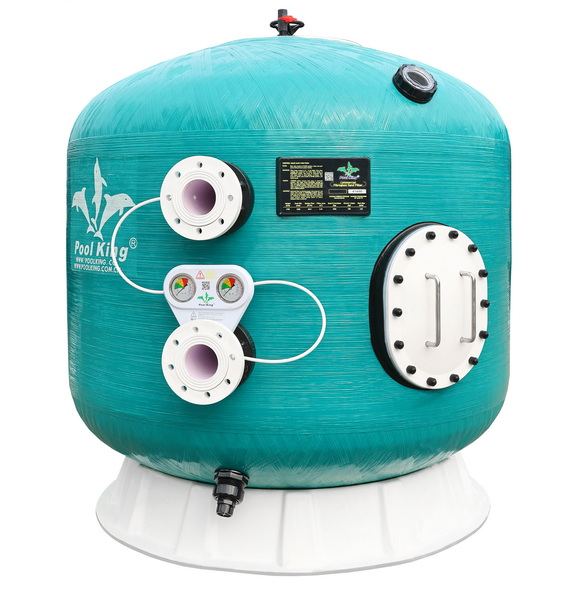
- Backwashing: Perform every 4–6 weeks or if the pressure gauge rises 8–10 psi above normal levels. Backwashing reverses water flow, flushing trapped debris out of the sand bed.[1][5][7][8]
- Sand Replacement: Replace sand every 3–5 years. Signs include cloudy water, reduced flow rate, or channeling in the filter bed.[3][7]
- Routine Checks: Inspect the multiport valve, pressure gauge, and tank seals every few months for leaks or malfunctions.
- Routine Rinse: Remove the cartridge and rinse with a hose every 2–6 weeks, or as soon as pressure rises 8–10 psi.[5][6][8]
- Deep Cleaning: Soak the cartridge in cleaning solution every few months, rinse thoroughly, and air-dry before reinstalling.[9][3]
- Replacement: Replace the cartridge every 1–2 years; inspect for tears, fraying, or failure to clear debris during cleaning.[3][6][7]
- Backwashing: Monthly, or whenever pressure rises 8–10 psi above starting level. Add new DE powder after backwashing to maintain filtration.[7][8][5]
- Deep Cleaning: Disassemble grids and manifold every 3–6 months. Clean with specialized DE cleaner and inspect for rips or cracks.[2][6][5]
- Powder Replenishment: Mix new DE powder according to tank instructions and run the pump for 30 minutes to distribute.[2][5]
- Always depressurize pump and open air relief valves before cleaning or servicing filters.
- Reassemble all parts carefully after cleaning; improper setup can reduce efficiency or cause leaks.
- Use only manufacturer-recommended sand, cartridge, and DE powder for replacements.
- Daily: Check water clarity and chemical balance.
- Weekly: Inspect and clean skimmer baskets and pump strainer.
- Every 2–6 weeks: Rinse cartridge filters; inspect pressure gauge for sand and DE filters.
- Monthly: Backwash DE filters and sand filters if needed.
- Biannually: Deep clean sand filters (chemical flush) and DE grids.
- Annually: Replace sand (if needed), deep clean all filter media, inspect pump, replace worn seals or o-rings.[10][5]
- Every 3–5 years: Replace sand or cartridges as required, depending on filter type and usage.
- High Pressure After Cleaning: Possible clog or valve issue—inspect system and consult professional if needed.
- Reduced Flow Rate: May indicate media buildup, channeling, pump wear, or blockage.
- Cloudy Water: Check chemical balance, filtration runtime, and clean/replace filter media if necessary.
- Use timer controls to automate filter operation during electricity off-peak hours.
- Upgrade to variable-speed pumps for customized filtration at multiple speeds.
- Maintain pump, seals, and housing to maximize efficiency.
Running your pool filter a recommended 8–12 hours daily is essential to maintaining pristine, safe, and healthy water in residential and commercial pools. With regular filter cleaning, chemical balance checks, and prompt media replacement, you can minimize downtime, extend equipment lifespan, and ensure a sparkling, inviting pool year-round. Be proactive—adjust runtime for changing seasons, usage patterns, and local climate, and leverage smart pool technology to optimize performance while saving on operational costs. By following these expert tips and thorough routine guides, you'll enjoy hassle-free pool ownership and superior water quality.
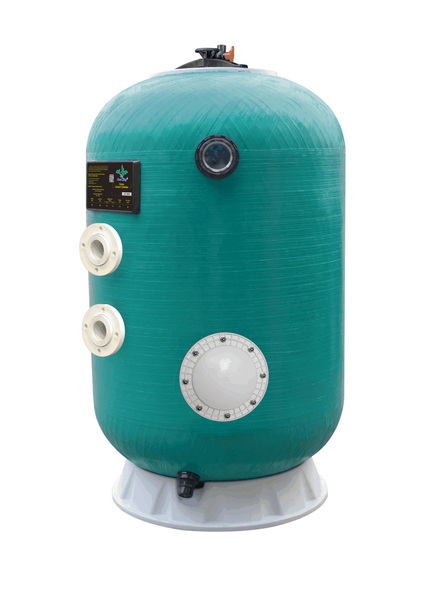
- Cartridge filters: every 2–6 weeks
- Sand filters: every 1–2 months, backwash as needed
- DE filters: monthly, deep clean every 3–6 months[1][8][5]
- Yes—in off-seasons or for covered pools, 4–6 hours/day is often sufficient, but maintain regular chemical and debris checks.[22]
- Causes include poor chemical balance, insufficient filter media cleaning, old filter media, or incorrect filtering times.
- Sand: every 3–5 years (or if visible channeling/cloudy water)
- Cartridges: every 1–2 years, inspect for visible wear
- Overnight or off-peak hours with smart timers/variable speed pumps to reduce energy costs and maximize efficiency.[13][14]
[1](https://myeverclearpool.com/pool-care/guide-to-pool-filter-maintenance/)
[2](https://www.lathampool.com/resources/pool-maintenance-hub/how-to-clean-your-pool-filter/)
[3](https://poolife.com/2024/01/09/guide-to-cleaning-a-pool-filter/)
[4](https://www.prettypoolsdfw.com/blog/understanding-pool-filter-maintenance/)
[5](https://lesliespool.com/blog/the-ultimate-pool-filter-maintenance-guide.html)
[6](https://poollogicsd.com/resources/a-complete-guide-to-pool-filter-cleaning-in-san-diego/)
[7](https://speckusa.com/pool-maintenance-pool-filter/)
[8](https://pool.dreametech.com/blogs/blog/how-often-to-clean-pool-filter-complete-guide)
[9](https://halogensupply.com/blog/guide-selecting-best-pool-filter/)
[10](https://www.doforms.com/blog/pool-maintenance-checklist/)
[11](https://southshorepoolsupply.com/tracys-tips-how-often-should-a-pool-filter-run/)
[12](https://florida.codypools.com/how-long-should-i-run-my-pool-pump-every-day/)
[13](https://www.aaronpoolsandspas.com/pool-pumps-the-best-time-to-run-your-pump/)
[14](https://lesliespool.com/blog/how-to-calculate-pool-pump-run-time.html)
[15](https://blog.lesliespool.com/the-ultimate-pool-filter-maintenance-guide/)
[16](https://www.youtube.com/watch?v=VmXdio44FTY)
[17](https://www.youtube.com/watch?v=KotGPEwx-LQ)
[18](https://www.youtube.com/watch?v=LvN8m1AsrHI)
[19](https://www.facebook.com/groups/637529959937311/posts/2617432891946998/)
[20](https://www.reddit.com/r/swimmingpools/comments/w7o07c/how_long_are_you_running_your_pump_each_day/)
[21](https://www.riverpoolsandspas.com/blog/how-long-to-run-pool-pump)
[22](https://www.youtube.com/watch?v=5EWP9156xkQ)


