
Views: 222 Author: Tina Publish Time: 2025-11-02 Origin: Site


Content Menu
● Understanding Pool Sand Filters
>> The Mechanics of Sand Filtration
● Why Periodic Sand Replacement Matters
>> Signs That Your Filter Sand Needs Replacing
● How Often Should You Replace Pool Filter Sand?
>> Table: Recommended Sand Replacement Intervals
● Step-By-Step Process to Replace Sand in Your Pool Filter
>> Preparation
>> Final Steps
● Additional Tips for Sand Filter Maintenance
● Common Problems and Troubleshooting
>> 1. How do I know if my pool filter sand needs to be changed?
>> 2. Can I use regular sand instead of pool filter sand?
>> 3. How much sand does my filter require?
>> 4. Is it safe to replace sand myself?
>> 5. What if sand shows up in my pool water?
Maintaining a clean and safe swimming environment relies heavily on your pool's filtration system. For many pool owners, sand filters are the preferred choice thanks to their reliability and efficiency. But one key aspect often overlooked is how frequently the sand inside the filter needs replacement. A timely and proper sand replacement can have a significant impact on your pool's water quality, chemical usage, and equipment longevity.[2][6][1]
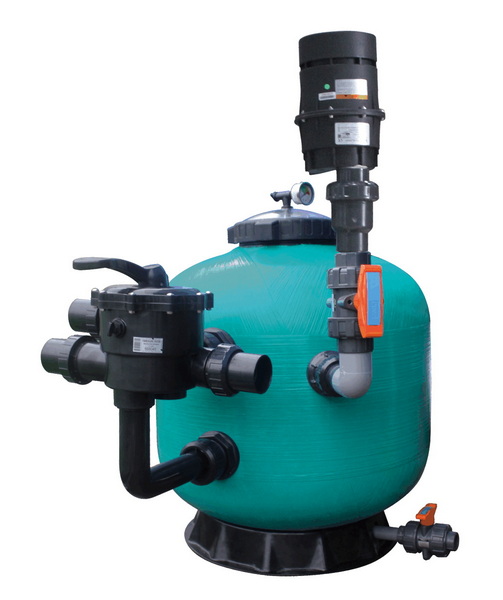
Sand filters are among the most popular filtration systems for residential and commercial pools. They utilize a specially graded sand—typically #20 silica sand—to trap small debris and contaminants as water circulates through the filter. Over time, microscopic particles erode the sand's rough texture, lessening its ability to effectively capture contaminants. This erosion makes regular replacement of filter sand crucial for optimal filtration.[3][6][2]
- Water from the pool enters the sand filter under pressure.
- Debris is trapped as it passes through the sand bed.
- Clean water exits and returns to the pool.
- Backwashing reverses the flow to flush out accumulated waste, but doesn't renew the sand's texture.[7]
The jagged edges of fresh filter sand are essential for trapping dirt, algae, dead insects, and other pollutants. As these edges wear down due to friction and water flow, the sand becomes smooth and loses its filtering ability—leading to cloudy water and higher chemical consumption.[1][2][3]
- Cloudy pool water despite correct chemical balance.[1]
- Increased use of pool chemicals with little effect.[1]
- Frequent backwashing with little pressure drop.[1]
- Channeling: gaps or ridges in sand indicating water bypass.[1]
- Pressure gauge readings persistently above 20 psi.[1]
Most manufacturers and pool experts recommend replacing sand every 3 to 5 years. Factors influencing replacement cycles include:
- Pool usage intensity: Heavier traffic may require more frequent sand changes.[2][1]
- Water chemistry: Pools that are well-balanced chemically can extend the sand's useful life.[1]
- Filter type: Commercial pools, or pools with high bathers, require annual or biennial sand changes.[13][1]
- Quality and grade of sand: Higher quality sands tend to last longer.[2]
| Pool Type | Sand Replacement Interval | Source |
|---|---|---|
| Residential | 3–5 years | hollandiagardens |
| Commercial | 1–2 years | |
| High Usage Pool | 3 years | ukpoolstore |
| Low Usage Pool | Up to 7 years | mrpoolman |
Replacing sand in your pool filter can be a straightforward DIY project, though professional assistance is recommended for complex systems.
- Turn off the pool pump and close valves to isolate the filter.[12][7][10]
- Use a wet/dry vacuum or a scoop to carefully remove old sand from the tank.[14][7]
- Rinse the inside with clean water to ensure all debris is gone.[12][7]
- Examine laterals (the plastic fingers at the tank's base) for damage and replace if necessary.[6][7][12]
- Temporarily cover the standpipe to prevent sand from entering it.[7][10]
- Add manufacturer-specified quantity of pool filter-grade sand (usually #20 silica sand).[6][2]
- Fill tank about one-quarter with water first, to cushion the impact on fragile laterals.[6][7]
- Reattach the valve and reconnect hoses.
- Backwash and rinse the system prior to resuming normal filtration to remove dust from new sand.[7][6]
Using the correct grade of sand is vital. Regular sand is not suitable and may damage your filter. Always opt for pool filter-grade #20 silica sand—tough, with appropriately sized grains.[2][6]
- Backwash the filter about once a week or whenever the pressure gauge rises 8–10 psi above baseline.[5][7]
- Add a rinse cycle after backwashing to flush out any contaminants.[6]
- Periodically inspect filter components for wear, especially after every sand change.
- Keep the water balanced to prevent filtering inefficiency and equipment corrosion.[5][1]
- Persistent cloudy water: First check chemical levels before suspecting sand.[5][1]
- Sand in pool water: May indicate broken laterals or faulty standpipe seals.[12][7]
- High pressure immediately after backwashing: Indicates sand clogging or channeling.[5][1]
- Difficulty backwashing: Replace sand and inspect filter internals for obstructions.[5][1]
Routine sand replacement every 3 to 5 years is critical for keeping your pool water sparkling clear and filtration optimal. High usage, poor water chemistry, or neglected filter maintenance may necessitate earlier replacement, but with regular inspection and care, you'll preserve your sand filter's functioning and minimize chemical costs.[2][5][1]
Look for signs such as cloudy water, frequent chemical use, channeling in the sand bed, or high and persistent pressure gauge readings.[3][5][1]
No—only use specially graded pool filter sand (#20 silica sand). Regular sand can clog the system or damage the filter.[2][6]
Refer to your filter's manufacturer recommendations—typically varies from 50 to 200 pounds depending on tank size.[7][6]
Yes, with basic tools and precautions, most owners can replace sand; always consult manufacturer guides and wear gloves.[12][7]
This suggests broken internal components like laterals or a damaged standpipe—inspect and replace as necessary.[12][7]
[1](https://poolsoffun.com/4-signs-its-time-to-change-your-filter-sand/)
[2](https://hollandiagardens.com/how-often-should-you-change-the-sand-in-your-sand-filter/)
[3](https://mrpoolman.com.au/blogs/news/how-to-change-pool-filter-sand)
[4](https://www.groupebellemare.com/en/blog/change-pool-filtration-sand/)
[5](https://www.jimspoolcare.com.au/equipment-sales/sand-filter-maintenance-for-swimming-pools/)
[6](https://www.ukpoolstore.co.uk/product/swimming-pool-filter-sand/)
[7](https://www.thepoolfactory.com/blogs/pool-care/how-to-change-the-sand-in-a-pool-filter)
[8](https://www.istockphoto.com/photos/pool-filter-sand)
[9](https://www.shutterstock.com/search/pool-filter-sand)
[10](https://www.youtube.com/watch?v=v9ghBgNkv-4)
[11](https://www.youtube.com/shorts/m3cBbzECXLY)
[12](https://www.youtube.com/watch?v=E6e0TX6Wxo0)
[13](https://www.reddit.com/r/swimmingpools/comments/o83dv5/when_do_i_change_sand_in_filter/)
[14](https://www.facebook.com/ProTuffProducts/videos/pool-filter-sand-looking-a-bit-tired-its-time-for-a-refresh-easy-diy-steps-to-cr/3866235260325586/)
[15](https://www.youtube.com/watch?v=MnMP2Awhwgo)
[16](https://www.facebook.com/farmjokester/videos/how-to-change-sand-in-your-pool-filter/1445213890225512/)
[17](https://www.youtube.com/shorts/Ja3E2PUsjQY)
[18](https://www.facebook.com/groups/637529959937311/posts/2621490271541260/)
[19](https://stock.adobe.com/search?k=sand+filter)
[20](https://www.facebook.com/groups/637529959937311/posts/2549252708765017/)


