
Views: 222 Author: Tina Publish Time: 2025-11-11 Origin: Site


Content Menu
● Introduction: The Foundation of Clean Pool Water
● Understanding Pool Filtration
>> Filter Types and Operating Principles
● How Frequently Should Each Pool Filter Type Be Changed?
● Visual Signs It's Time to Change Your Pool Filter
>> Indicators For Cartridge Filters
>> Indicators For Sand Filters
● Pool Filter Maintenance Process: Step-By-Step Instructions
>> Sand Filter Maintenance Procedure
>> Cartridge Filter Maintenance Procedure
>> DE Filter Maintenance Procedure
● Pool Filter Media: Choosing the Best Materials
● Troubleshooting Common Pool Filter Problems
● Weekly, Monthly, and Yearly Pool Maintenance Checklist
>> Weekly
>> Monthly
>> Yearly
● Tips for Maximizing Pool Filter Life
● Advanced Filter Care Strategies
● Pool Filter Maintenance in Commercial Settings
● Pool Filter Replacement Case Study: Residential vs Commercial
>> 1. How do I know when to change my pool filter?
>> 2. Should I clean or replace my filter when water is cloudy?
>> 3. Can I upgrade filter media, or must I use OEM parts?
>> 4. What impacts filter life besides usage?
>> 5. Where can I find credible filter maintenance videos and images?
Your pool's filtration system is the backbone of crystal-clear, healthy swimming water. Without routine maintenance and timely filter changes, even the best pools will quickly succumb to cloudy conditions, algae overgrowth, and unexpected equipment failures. This guide provides all the essentials for pool filter selection, care, troubleshooting, and replacement, supported by visual guides and expert-backed advice for every pool owner or commercial buyer choosing top-tier filtration solutions.
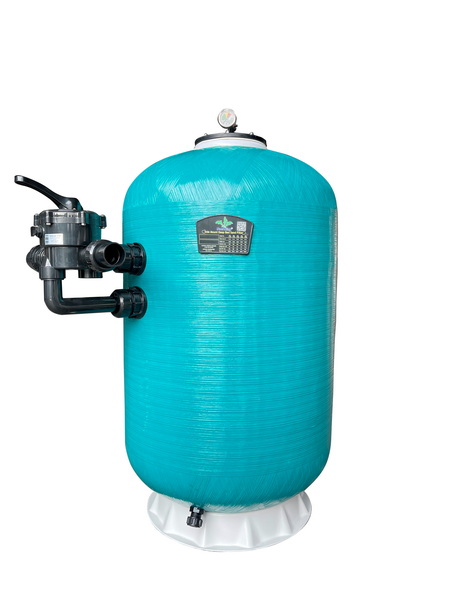
A pool filter continuously traps debris, organic material, and microscopic contaminants, complementing the sanitizing effects of chlorine or other chemical agents. Filtration ensures swimmers enjoy a safe, enjoyable aquatic environment while protecting pool systems from excessive wear and chemical imbalance.
- Cartridge Filters feature pleated polyester media inside a plastic or aluminum housing. Water passes through the pleats, trapping debris down to 10–20 microns. These filters require periodic cleaning and replacement but save water because they do not require backwashing.
- Sand Filters use a tank filled with #20 silica sand (or alternative media). Water flows through the sand bed, with particles as small as 20–40 microns trapped by sand grains. These filters are popular for their durability and ease of backwashing—reversing flow to flush out collected debris.
- Diatomaceous Earth (DE) Filters pack grids coated with DE powder, trapping contaminants as small as 2–5 microns. While offering the best filtration, DE filters need ongoing maintenance with regular powder additions and yearly grid inspections.
Filter change intervals depend on model, usage, water quality, and climate conditions. Manufacturer guidelines are your best starting point, but here are expert-verified recommendations:[1][11][12][13]
| Filter Type | Cleaning Interval | Replacement Cycle |
|---|---|---|
| Cartridge | Every 2–4 weeks (rinse); Quarterly (deep clean) | Every 1–3 years |
| Sand | Backwash every 4–6 weeks; Inspect sand annually | Every 3–7 years (sand) |
| Diatomaceous Earth | Backwash as needed; Full clean every 3–6 months | 1–2 years (DE grids) |
- Torn, frayed, or flattened pleats.
- Visible algae, dirt, or oily residue that cannot be cleaned.
- Persistent cloudy water despite cleaning and chemical treatment.
- High PSI readings on the filter's pressure gauge after cleaning.
- Cartridge has exceeded its recommended usage life (manufacturer reference).
- Sand passing into pool water.
- Sand feels "muddy" or compacted, and does not flow easily.
- Water remains cloudy despite frequent backwashing.
- Pressure gauge remains high after backwash.
- Reaches 3–7 years of use since last media replacement.
- Broken or brittle grids.
- Persistent pressure problems.
- DE powder leaking into pool.
- Poor water clarity not remedied by recharging with new powder.
- Backwash your sand filter every 4–6 weeks or any time the pressure increases 8–10 psi above baseline readings.
- Annually inspect sand quality and replace every 3–7 years for optimal filtration.
- Clean tank and internal components with a garden hose during sand replacement to remove built-up dirt and oils.
- Use Poolife Backwash Filter Cleaner or equivalent chemical for periodic deep cleaning.[3]
- Clean cartridges every 2–4 weeks by removing the cartridge and rinsing thoroughly between pleats with a medium-pressure hose.
- For deeper cleaning, soak cartridge overnight in a filter cleaning solution, then rinse and air dry fully before reinstalling.
- Replace cartridge every 1–3 years, or sooner if signs of wear are visible.[5][1][3]
- Backwash whenever pressure reaches 8–10 psi over normal.
- Recharge with fresh DE powder after each backwash.
- Disassemble the filter quarterly for a thorough cleaning: inspect, soak grids in filter cleaner overnight, rinse, and replace if damaged.
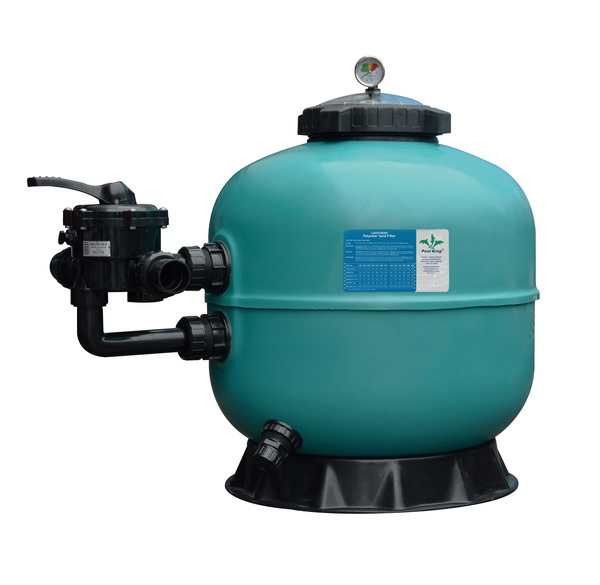
- Always use manufacturer-approved media: #20 silica sand (not play sand), premium pleated cartridges, and certified DE powder. Substandard media causes clogs, system failures, and voids warranties.[4][12][3]
- Consider alternatives like glass or zeolite sand for advanced performance in sand filters.
- Replace DE powder after each backwash for consistent filtration.
- Cloudy Water: Often results from old filter media, missed cleanings, or chemical imbalance. Inspect media and water balance, then deep clean filter.
- High Pressure Gauge: Indicates clogging; perform immediate backwash or cartridge cleaning.
- Visible Debris: Upgrade media, check for leaks/cracks in housing, and test function of pump/piping.
- Leaks from Tank or Connections: Tighten clamps, replace worn O-rings/gaskets, and inspect for cracks.
- Sand/DE in Pool: Internal component failure—inspect laterals, manifold, and grids for damage, and replace as needed.
- Brush pool walls, steps, and tile line.
- Vacuum pool floor.
- Inspect jets and check for debris in skimmers.
- Test and balance water chemistry (pH, alkalinity, sanitizer).
- Clean or backwash filter (frequency as per type above).
- Deep clean cartridge or DE grids.
- Inspect pump, housing, and connections for leaks.
- Replace sand, cartridge, or DE grids if scheduled or indicated by wear.
- Inspect all plumbing, control valves, and filter tank for structural health.
- Perform comprehensive cleaning and chemical shock treatment.
A digital maintenance log streamlines routine tasks, especially for commercial pools or large residential setups.[7]
- Never operate the pool pump with an empty filter tank.
- Check the pressure gauge weekly to catch issues before they escalate.
- Clean with approved chemical cleaners (never harsh solvents).
- Store seasonal cartridges indoors and dry during off months.
- Follow manufacturer pump run-time guidance—usually 8–10 hours per day for residential pools, higher for commercial application.[11][1][4]
- Regularly inspect and promptly replace worn seals, gaskets, and O-rings.
- Use only original parts for repairs and replacements to maintain warranty and filtration efficiency.
- Upgrade to reusable glass media for sand filters for finer filtration and longer media life.
- Add a pre-filter basket to catch large debris before it hits the pool filter.
- Explore automation with pressure sensors to inform cleaning needs and filter run-time optimization.
- For high-use pools (hot climates, hotels, gyms), increase cleaning and replacement frequency.[10][11]
Commercial pools demand stricter routines due to higher swimmer load and regulatory standards:
- Daily backwashing and chemical checks during peak periods.
- Schedule quarterly deep filter cleaning and annual media replacement for maximum safety.
- Keep detailed logs for inspections and compliance.[7]
- Residential pool (sand filter, 5 years old): Cloudy water, sand compaction, and high pressure after backwash. Solution: Replace sand media, inspect laterals, and wash tank interior.
- Commercial hotel pool (cartridge filter system): Weekly cleaning, quarterly deep clean, cartridge replacement every six months based on heavy bather load.
Regular pool filter replacement and systematic maintenance are essential for clean, healthy swimming water. Cartridge filters typically require changing every 1–3 years, sand media every 3–7 years, and DE grids about every 1–2 years. Monitoring pressure gauges, checking for visual signs, and employing scheduled cleanings ensures your filtration system runs efficiently and keeps pool water safe for all users. Whether you manage a commercial pool or a backyard oasis, proper filtration practices protect your investment and enhance the swimming experience. Images and videos provided throughout trusted channels support learning and ease the DIY process, while OEM manufacturers offer tailored solutions for business buyers and distributors worldwide.[6][12][13][19][20][21][22][23][1][3][5][11][14][15][18][7]
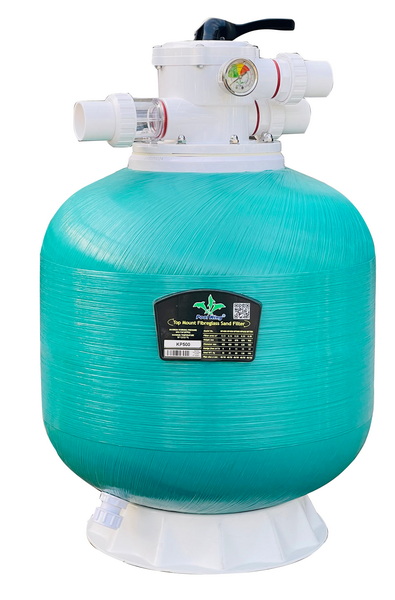
Look for visual wear, persistent cloudiness, high pressure readings, and recommended intervals by manufacturer. Replace sand every 3–7 years, cartridge every 1–3 years, DE grids about every 1–2 years.[12][13][24][1][11]
Start with a deep clean; if clarity doesn't improve, inspect and consider replacement of filter media.
Some sand filters accept alternatives like glass or zeolite; always check for compatibility and warranty impact. For cartridge and DE systems, use certified replacements for safety and performance.
Unbalanced water chemistry, excessive debris, extreme temperatures, and improper pump run-times all reduce filter life. Maintain scheduled cleanings and seasonal inspections.
Video platforms like YouTube and commercial stock sites (Shutterstock, Adobe, iStock) provide step-by-step guides and high-quality visuals for most pool filter systems.[19][20][21][22][23][1][14][15][18]
[1](https://myeverclearpool.com/pool-care/guide-to-pool-filter-maintenance/)
[2](https://www.lathampool.com/resources/pool-maintenance-hub/how-to-clean-your-pool-filter/)
[3](https://poolife.com/2024/01/09/guide-to-cleaning-a-pool-filter/)
[4](https://halogensupply.com/blog/guide-selecting-best-pool-filter/)
[5](https://www.prettypoolsdfw.com/blog/understanding-pool-filter-maintenance/)
[6](https://poollogicsd.com/resources/a-complete-guide-to-pool-filter-cleaning-in-san-diego/)
[7](https://www.doforms.com/blog/pool-maintenance-checklist/)
[8](https://pool.dreametech.com/blogs/blog/how-often-to-clean-pool-filter-complete-guide)
[9](https://speckusa.com/pool-maintenance-pool-filter/)
[10](https://www.poolmagazine.com/cleaning/summer-pool-prep-simplified-a-comprehensive-guide-to-essential-pool-chemicals-and-their-uses/)
[11](https://hyclor.com.au/how-long-do-pool-filters-last/)
[12](https://www.1stdirectpools.com/blog/post/how-often-should-you-replace-swimming-pool-filter)
[13](https://thepooljournals.com/sand-vs-cartridge-filters/)
[14](https://www.shutterstock.com/search/pool-filter)
[15](https://www.istockphoto.com/photos/pool-filter-cleaning)
[16](https://www.dreamstime.com/photos-images/pool-filter-service.html)
[17](https://www.shutterstock.com/search/dirty-pool-filter)
[18](https://www.youtube.com/watch?v=v9ghBgNkv-4)
[19](https://www.youtube.com/watch?v=ZNH9JLufzUM)
[20](https://www.youtube.com/watch?v=Q_V4sP3x69U)
[21](https://www.youtube.com/watch?v=YHt247GVMVQ)
[22](https://www.youtube.com/watch?v=Q_bm6OqseO4)
[23](https://www.youtube.com/watch?v=VxIsKhGyZXQ)
[24](https://www.zoteefilters.com/blogs/zotee-pro-1/how-often-should-you-replace-your-pool-filter-a-guide-by-filter-type)


