
Views: 222 Author: Tina Publish Time: 2025-12-03 Origin: Site


Content Menu
● Understanding pool cartridge filters
● General replacement timeframes
● Key factors affecting lifespan
● How often to clean versus replace
● Practical replacement guidelines by pool type
● Signs your pool filter cartridge needs changing
● How to inspect and replace a cartridge (step‑by‑step)
● Residential vs commercial cartridge replacement
● OEM cartridge solutions and upsell opportunities
● FAQs About Pool Filter Cartridge Replacement
>> 1. How often should I change my pool filter cartridge?
>> 2. What are the main signs that my cartridge needs replacing?
>> 3. Can I extend cartridge life with better maintenance?
>> 4. How do I choose the right replacement cartridge?
>> 5. Is it normal for new cartridges to lower system pressure?
How often you should change a pool filter cartridge depends on hours of operation, bather load, water quality, and cartridge quality, but most residential pools replace cartridges roughly every 1–3 years, while heavily used or poorly maintained systems may need new cartridges in as little as 6–18 months. Instead of using only time, the best practice is to watch pressure, water clarity, cleaning frequency, and physical damage to decide the right moment to replace your pool filter cartridge.[1][2][3][4][5]
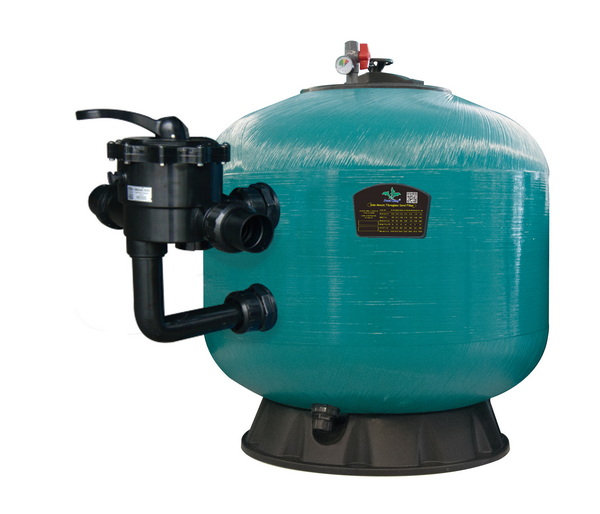
A pool filter cartridge is a pleated polyester or non‑woven fabric element that traps dirt, oils, pollen, sunscreen, and fine particles as water flows through the filtration system. Cartridge filters offer a large surface area, relatively low operating pressure, and fine filtration, which makes them popular for residential and light‑commercial pools. Compared with sand and DE systems, cartridge filters often provide clearer water with less backwashing and lower water waste.[4][1]
Most professional guides suggest that a typical residential pool filter cartridge lasts around 1–3 years, assuming correct sizing, regular cleaning, and reasonably clean source water. Some manufacturers describe lifespan in operating hours, often around 2,000 hours, which roughly equates to 2–4 seasons of normal use if the pump runs several hours per day. High‑quality OEM cartridges with robust media and bands may last longer than budget products when maintained correctly.[7][8][9][5][1][4]
In real‑world use, the replacement interval varies widely: light‑use seasonal pools with good maintenance may stretch to 3–5 years, while heavily used commercial or warm‑climate pools can wear out cartridges in 6–18 months. User experiences often show that frequent cleaning with shortened intervals between cleanings is a practical signal that a cartridge is near end‑of‑life, even if the calendar time seems short.[10][3][1]
Several variables determine how often you should change a pool filter cartridge:
- Pool usage intensity: Daily swimming, parties, or commercial activity rapidly loads the cartridge with organics and fine debris, shortening its effective life. Low‑use or seasonal pools generate far less contamination, extending the time before replacement is needed.[10]
- Environmental conditions: Trees, pollen, dust, sand, and wind‑blown debris all increase the dirt load on the filter media. Pools in dusty or heavily landscaped environments often require more frequent cartridge changes than sheltered or indoor pools.[10]
- Water balance and chemistry: Poorly balanced water, chronic algae, or heavy organic contamination forces the filter to trap more material and can damage the media over time. Well‑maintained water reduces stress on the cartridge and helps it reach its design lifespan.[3][1]
- Pump run‑time and flow rate: Longer daily run‑times or higher flow rates mean more gallons passing through the filter each day, accumulating debris faster and reaching the cartridge's dirt‑holding capacity sooner. Oversized filter surface area relative to pool volume generally improves lifespan by lowering media loading per hour.[11][1]
- Cartridge quality and construction: Higher‑grade cartridges with strong pleat structure, durable bands, and robust end caps typically tolerate more cleanings and longer service before failure.[8][9]
Cleaning and replacement are related but different maintenance tasks. Many experts recommend cleaning a cartridge whenever the filter pressure rises about 8 psi above the clean, baseline pressure, or at least every few months in normal conditions. During peak season or in high‑debris environments, cleaning may be needed every 2–4 weeks, while off‑season intervals can be much longer.[1][12][3][11]
Replacement becomes necessary when cleaning no longer restores normal pressure and flow or when clean intervals become much shorter than before. A useful rule of thumb is that once the time between necessary cleanings is roughly half of what it used to be, the cartridge has reached its “half‑life” and should be replaced. Regularly logging pressure readings and cleaning dates allows homeowners and service companies to visualize this trend; a simple chart or dashboard screenshot can be added as an image or screen‑capture video to show best practice.[3][1]
While exact timing varies, you can give customers clear, scenario‑based recommendations:
- Light‑use residential pool (seasonal, small family, clean environment): Clean every 2–3 months or when pressure rises by 8 psi, and plan to replace the cartridge every 2–3 years, or when performance declines.[1][10]
- Standard residential pool (regular summer use, moderate debris): Clean every 1–2 months, with cartridge replacement about every 1–2 years depending on water clarity, pressure trends, and physical condition.[7][1]
- Heavy‑use or commercial pool (daily use, high bather load, or debris): Clean weekly or bi‑weekly during peak season, and expect to replace cartridges as often as every 6–12 months to maintain water quality.[13][10]
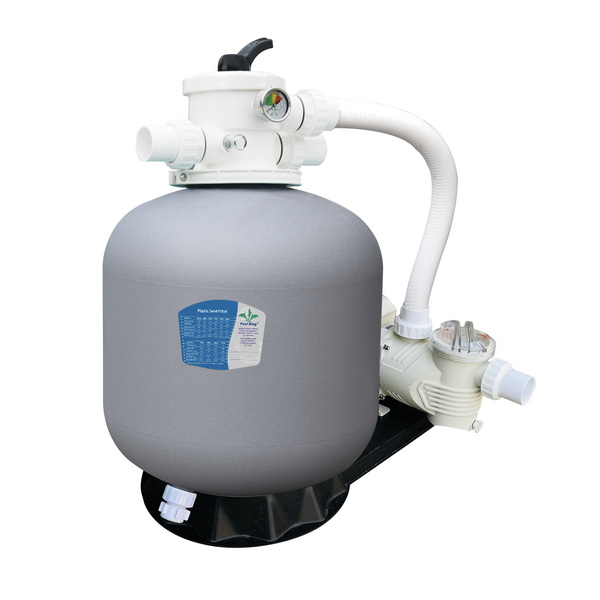
Beyond calendar time, physical and performance clues often give the clearest signal that it is time to replace the cartridge:
- Persistently high pressure: If pressure remains significantly above normal even immediately after cleaning, internal media pores are likely permanently clogged.[3][1]
- Shortened cleaning intervals: Filters that rapidly return to high pressure after cleaning, or require cleaning far more often than before, are near the end of their useful life.[1]
- Poor water clarity: Cloudy water, recurring algae, or the need to run the pump longer and dose more sanitizer to maintain clarity suggests the cartridge is no longer capturing fine particles efficiently.[14][1]
- Physical damage: Flattened or misshapen pleats, frayed fabric, broken bands, cracked end caps, or visible holes indicate the cartridge cannot maintain its shape or seal and must be replaced.[15][2]
A clear replacement procedure encourages safe, consistent maintenance and highlights the quality of OEM designs:
1. Turn off power and close valves
Always switch off the pump and isolate the filter before opening the tank to avoid injury and water spray. A safety image or short clip showing lock‑out of the pump and closed valves reinforces safe working practices.[3]
2. Relieve pressure and open the filter tank
Use the air relief valve to release pressure, then undo the clamp or lid fasteners according to the manufacturer's instructions. An exploded diagram or assembly video can show the correct orientation of O‑rings, clamps, and fasteners.[1]
3. Remove and visually inspect the cartridge
Lift out the cartridge and check pleats, bands, end caps, and fabric for damage, staining, or deformation. Side‑by‑side images of new and worn cartridges help customers recognize subtle degradation that justified replacement.[2]
4. Decide to clean or replace
- If the media is structurally sound and not excessively stained, a thorough hose‑down or chemical soak may restore performance.[1]
- If pressure remains high, pleats are collapsed, or damage is visible, replace with a new cartridge of the correct size and specification, preferably a high‑grade OEM unit designed for your housing.[9][8]
5. Install the new cartridge and reassemble
Seat the new cartridge properly, re‑fit the lid and clamp, open valves, and restart the pump, bleeding air via the relief valve until a steady water stream appears. A commissioning video can show the pressure gauge returning to normal and the water flow stabilizing.[3]
6. Record date and baseline pressure
Log the installation date, filter brand/model, and clean starting pressure; this record is essential for predicting future cleaning cycles and replacement timing.[3][1]
Commercial pools and waterparks place significantly higher demands on filter cartridges because of continuous operation, higher bather loads, and stringent regulatory requirements. As a result, many commercial operators design maintenance schedules that assume annual or even more frequent cartridge replacement, regardless of condition, to maintain consistent water quality and compliance.[13][10]
Residential pool owners, by contrast, have much more flexibility, often basing replacement on observed performance and inspection rather than fixed schedules. For OEM suppliers and distributors, offering different cartridge grades and replacement programs for residential and commercial clients can help match cost, performance, and lifespan expectations across markets.[9][1]
For brands, wholesalers, and pool equipment manufacturers, filter cartridges are a recurring revenue product tied closely to overall filtration performance. Higher‑end cartridges with reinforced cores, precision‑cut pleats, and premium media can deliver longer life and better water clarity, which reduces complaints and service calls. Positioning your OEM cartridge line with clear lifespan expectations, operating‑hour ratings, and compatibility data helps downstream partners present compelling “good–better–best” replacement options.[4][8][9]
Changing a pool filter cartridge on time is essential to maintaining clean, healthy, and inviting water while protecting pumps, heaters, and other system components from debris‑related strain. Rather than relying solely on the calendar, pool owners and operators should track pressure, cleaning intervals, water clarity, and cartridge condition, with most residential systems replacing cartridges roughly every 1–3 years and commercial or high‑load pools changing them more frequently. For brands, wholesalers, and OEM partners, offering clearly specified, high‑quality cartridges—alongside complete sand, DE, and cartridge filter systems—creates recurring business and long‑term customer satisfaction.[14][5][10][1]
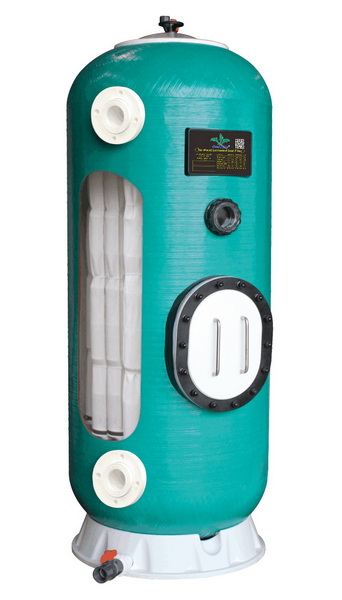
Most residential pool owners replace cartridges every 1–3 years, but high‑use or heavily loaded pools may need new cartridges every 6–18 months. Always verify timing using pressure readings, water clarity, and physical inspection instead of relying only on elapsed time.[5][10][3][1]
Key warning signs include persistently high pressure after cleaning, shorter intervals between required cleanings, cloudy or green water despite correct chemistry, and visible damage such as flattened pleats, frayed fabric, broken bands, or cracked end caps. When any of these appear, replacement is usually more effective than repeated cleaning.[14][2][3][1]
Yes. Regular cleaning when pressure rises about 8 psi over normal, maintaining proper water balance, and keeping debris (leaves, dust, pollen) out of the pool can significantly extend cartridge life. Avoid harsh wire brushes or high‑pressure jets that can damage the media and shorten lifespan.[15][10][3][1]
Match the cartridge to your filter housing by model number, dimensions, and square footage, then consider quality features such as pleat count, media grade, band strength, and end‑cap material. Working with an OEM supplier that manufactures sand, DE, and cartridge filters as integrated systems can ensure compatibility and performance.[8][9][5]
Yes. When a new cartridge is installed, the cleaner, more open media usually produces lower filter pressure and stronger return flow compared with an old, clogged cartridge. Recording this new baseline pressure helps you know when future cleaning and eventual replacement are required.[3][1]
[1](https://intheswim.com/blog/pool-filter-cartridges-when-to-clean-and-when-to-replace.html)
[2](https://blog.linerworld.com/2016/06/14/4-signs-time-replace-pools-cartridge-filter/)
[3](https://poolscouts.com/when-to-clean-your-pool-filter-cartridge-vs-when-to-replace-it/)
[4](https://www.1stdirectpools.com/blog/post/how-often-should-you-replace-swimming-pool-filter)
[5](https://www.discountfilters.com/blog/what-is-the-life-expectancy-of-a-pool-filter)
[6](https://www.youtube.com/watch?v=DPN7BQd3si0)
[7](https://www.flleisure.com/how-often-do-i-need-to-replace-the-cartridge-filter-element-on-my-pool)
[8](https://mrpoolman.com.au/blogs/news/how-long-does-a-cartridge-pool-filter-last)
[9](https://www.allfilters.com/blog/how-long-pool-filter-cartridges-last)
[10](https://www.coastalluxurypv.com/blog/how-often-should-you-replace-filter-cartridge-in-pool/)
[11](https://amenitypool.com/blog/what-is-a-cartridge-filter-and-how-does-it-work/)
[12](https://hurricane-pool-filters.com/blogs/insights/top-5-signs-its-time-to-replace-your-pool-filter-cartridge)
[13](https://rampoolsandspacorp.com/how-often-to-replace-pool-filter-cartridge/)
[14](https://www.citywidepoolservice.com/2022/05/21/how-to-tell-when-your-pool-filters-gone-bad/)
[15](https://lesliespool.com/blog/pro-tips-cartridge-filters-clean-replace.html)
[16](https://www.youtube.com/watch?v=r8ddRCL21dc)
[17](https://www.reddit.com/r/pools/comments/168nydi/how_often_should_i_change_my_cartridge_filters/)
[18](https://www.reddit.com/r/pools/comments/1jdgysj/how_often_do_you_and_should_you_change_a/)
[19](https://www.reddit.com/r/pools/comments/xa1d0p/how_do_you_know_when_its_time_to_replace_filter/)
[20](https://www.inyopools.com/Products/Questions/79312/07501352062981.htm)


