
Views: 222 Author: Tina Publish Time: 2025-09-18 Origin: Site


Content Menu
● Average Cost to Replace a Pool Pump
>> Additional Replacement Costs
● Factors Affecting Pool Pump Replacement Cost
>> 2. Pump Type and Efficiency
>> 4. Pool Size and Plumbing Complexity
● Top Pool Pump Brands for Replacement
● Step-By-Step Process for Pool Pump Replacement
● Maintenance Tips to Extend Your Pool Pump's Lifespan
● Benefits of OEM Pool Pumps from Trusted Manufacturers
>> Why Choose Our OEM Pool Pumps?
● Frequently Asked Questions (FAQs)
>> Q1: How can I tell if my pool pump needs to be replaced?
>> Q2: What are the advantages of variable-speed pumps over single-speed?
>> Q3: Is it safe to replace a pool pump on my own?
>> Q4: Will upgrading to a variable-speed pump save money in the long run?
>> Q5: What ongoing maintenance is essential for a new pool pump?
Replacing a pool pump is one of the most important maintenance tasks for any pool owner, directly impacting the water circulation, cleanliness, and energy efficiency of the entire pool system. If your pool pump is showing signs of aging, making unusual noises, or simply not performing as it should, it is crucial to understand how much it costs to replace the pump and what factors influence the overall price. This comprehensive guide will walk you through everything you need to know about pool pump replacement costs, pump types, installation considerations, maintenance tips, and the benefits of choosing high-quality OEM solutions from trusted manufacturers.
A pool pump is a vital component responsible for circulating water through your pool's filtration system. It moves water from the pool, through filters that remove debris and impurities, and then back into the pool. Over time, due to constant use, exposure to water and chemicals, and mechanical wear and tear, pumps may lose efficiency, develop leaks, or fail entirely.
Replacing an old or malfunctioning pool pump can:
- Restore optimal water flow and improve filtration efficiency.
- Reduce energy consumption, especially if upgrading to newer variable-speed pump models.
- Prevent costly damage to other pool equipment by maintaining proper water circulation.
- Ensure the pool's water remains clean, clear, and chemically balanced for safe swimming.
Failure to replace a bad pool pump on time can lead to poor water quality, increased chemical usage, and possible damage to filters and heaters.
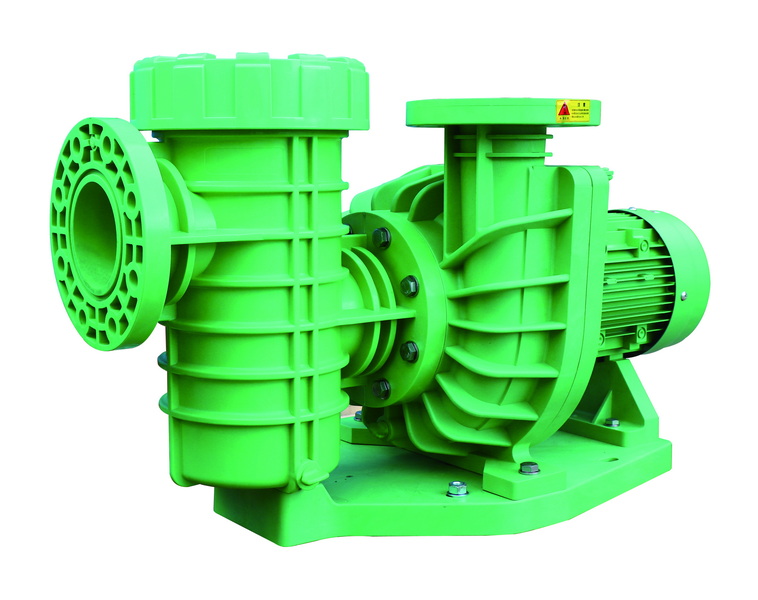
The cost of pool pump replacement varies widely based on pump type, brand, horsepower rating, and complexity of installation. Here is a general price range for new pool pumps in the United States:
| Pump Type | Price Range (USD) |
|---|---|
| Single-Speed Pump | $300 - $600 |
| Dual-Speed Pump | $500 - $900 |
| Variable-Speed Pump | $800 - $1,800+ |
Installation costs are additional and typically range from $150 to $400 depending on the complexity of electrical work, plumbing adjustments, and labor rates in your area.
- Replacement parts: seals, gaskets, and O-rings may need replacement if worn.
- Electrical upgrades: if wiring or breakers are outdated or incompatible.
- Disposal fees: for old pump removal and environmentally safe disposal.
Understanding these factors will help you budget correctly and choose the best pump for your pool.
Horsepower ratings commonly range from ¾ HP to 2.0 HP for residential pools. Larger pools usually require higher horsepower pumps to maintain proper water circulation, which comes at a higher price. Oversized pumps waste energy and increase costs, while undersized pumps won't circulate enough water.
- Single-Speed Pumps: These pumps run at a constant speed, usually full throttle. They are the most affordable initially but consume the most electricity.
- Dual-Speed Pumps: They offer two speeds (high and low), allowing for more energy savings when running on low speed for circulation.
- Variable-Speed Pumps: These advanced pumps allow fine-tuned speed adjustments, resulting in the greatest energy efficiency and quietest operation but cost more upfront.
Switching from a single-speed to a variable-speed pump can reduce electricity bills significantly over time.
Well-known brands such as Pentair, Hayward, Sta-Rite, and Jandy manufacture reliable, durable pumps with advanced features like smart controls and corrosion-resistant components. While these brands come with premium pricing, their quality often results in longer pump lifespans and fewer repairs.
The size and shape of your pool, as well as the complexity of your plumbing layout, can affect replacement costs. Pools with multiple returns, multiple filters, or remote pump locations may require longer plumbing runs, additional fittings, or special equipment, adding to labor and material costs.
Choosing the right brand is as important as selecting the pump size and type. Here are some of the most trusted manufacturers:
- Pentair: Known for energy-efficient pumps and variable-speed technology with programmable controls.
- Hayward: Offers a broad range of pumps suited for residential and commercial pools, emphasizing durability and performance.
- Sta-Rite: Known for quiet motors and heavy-duty construction, commonly chosen by professionals.
- Jandy: Produces smart pumps designed for integration with pool automation systems, ideal for tech-savvy pool owners.
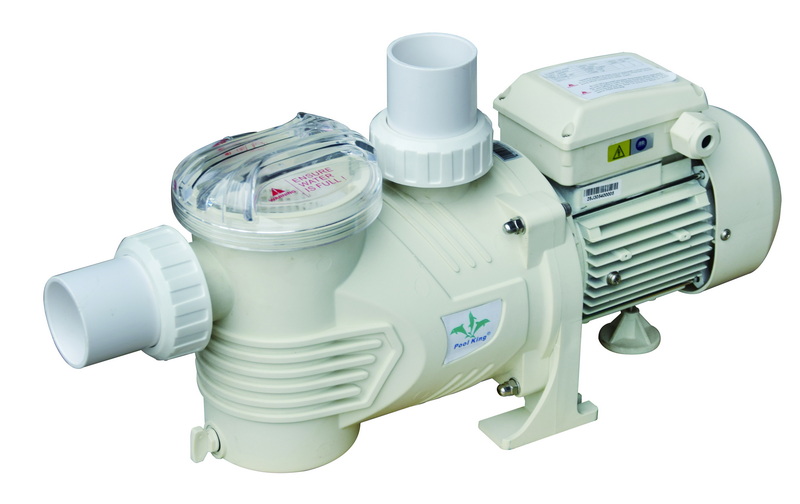
Replacing a pool pump can be straightforward if planned properly. Below is a typical process with necessary tools and precautions.
- New pool pump (selected based on pool size and desired features)
- Wrench set, screwdriver, pliers
- Teflon tape and piping fittings
- Voltage tester and electrical components for wiring
- Seal lubricants, cleaning cloths
1. Turn off power at the circuit breaker to ensure safety.
2. Drain water from the pump and filter if necessary to avoid spills.
3. Disconnect plumbing and electrical wiring from the old pump carefully, marking wires to maintain proper connections.
4. Remove and properly dispose of the old pump following local regulations.
5. Position the new pump securely on the pump base or platform.
6. Apply Teflon tape on all threaded pipes and attach plumbing lines tightly to prevent leaks.
7. Reconnect electrical wiring, ensuring correct voltage compatibility and grounding.
8. Restore power and test the pump's operation, checking for leaks, noises, or vibration.
9. Adjust pump settings if variable speed to optimize efficiency.
Well-maintained pumps last longer, saving you money and hassle.
- Clean the pump basket weekly to prevent clogs and maintain water flow.
- Regularly inspect seals and O-rings for wear and replace as needed to prevent leaks.
- Lubricate moving parts and bearings as recommended by the manufacturer.
- Monitor pump noise and vibration, addressing any unusual sounds immediately.
- Schedule professional inspections and servicing annually to catch early signs of wear.
As a leading factory in China specializing in the production of top-quality sand filters, Diatomaceous Earth (DE) filters, cartridge (or cartridge) filters, pumps, LED lights, and related accessories, we offer premium OEM services tailored for international brands, wholesalers, and manufacturers.
- Manufactured with smart machines to ensure consistent quality.
- Designed for high efficiency with energy-saving features.
- Built using corrosion-resistant materials for long service life.
- Customizable branding and packaging meet diverse market needs.
- Competitive pricing with volume order advantages.
By choosing OEM pumps from a reliable factory like ours, you can enjoy cutting-edge technology combined with the robustness and durability that your customers expect.
Replacing a pool pump is essential to maintaining a clean, healthy, and energy-efficient swimming pool. Costs vary widely, typically ranging from $300 for basic single-speed models to over $1,800 for advanced variable-speed pumps, with additional installation costs depending on complexity. Selecting a pump based on horsepower, pump type, brand, and pool size will ensure optimal performance and longevity. Choosing premium OEM pool pumps from experienced manufacturers provides reliable quality and can be customized to meet international market demands. Regular maintenance will maximize your pump's lifespan and protect your investment.
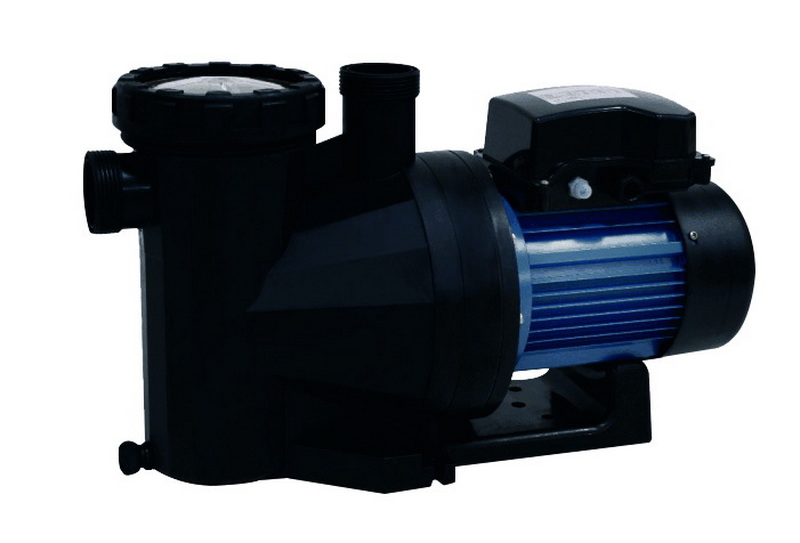
A1: Common signs include unusual noises, frequent overheating, reduced water flow, leaks, or a pump older than 8-10 years that requires constant repairs.
A2: Variable-speed pumps reduce electricity bills by adjusting the motor speed to optimal levels, operate more quietly, and typically have a longer lifespan due to less mechanical stress.
A3: If you have basic plumbing and electrical skills, you might manage the replacement. However, professional installation is recommended to ensure safety, code compliance, and warranty protection.
A4: Yes, though variable-speed pumps cost more up front, their energy-saving capabilities can lead to substantial savings on electricity bills annually.
A5: Routine cleaning of pump baskets, inspection of seals and electrical components, lubrication of moving parts, and periodic professional servicing will keep your pump running smoothly.


