
Views: 222 Author: Tina Publish Time: 2025-11-17 Origin: Site


Content Menu
● The Role of Sand in Pool Filtration
● Determining the Correct Amount of Sand
>> Filter Size and Manufacturer Guidelines
● Choosing the Right Filter Media
● Scientific Principles: How Sand Filtration Works
● Step-by-Step Guide to Sand Replacement
>> Preparation
● Routine Maintenance for Sand Filters
● Signs That Your Sand Needs to be Changed
● Technological Innovation in Sand Filters
● Troubleshooting Common Problems
● Environmental Considerations
● Expert Tips for Distributors and Commercial Operators
>> 1. What type of sand is best for pool filters?
>> 2. How often should pool filter sand be replaced?
>> 3. What are signs the sand needs changing?
>> 4. Can non-certified sand be used in the filter?
>> 5. What maintenance is required for sand filters?
>> 6. How do I dispose of old pool filter sand?
>> 7. Are smart filters worth it?
Pool filtration systems are the backbone of swimming pool maintenance, directly influencing water clarity, hygiene, and user comfort. For both private owners and commercial operators, understanding the principles behind sand filter operation and the precise requirements for sand quantity is crucial. This detailed guide explores the ideal sand levels, the science of pool filtration, commonly faced problems, step-by-step maintenance, modern innovations, and practical OEM advice for professionals and distributors.[10][11]
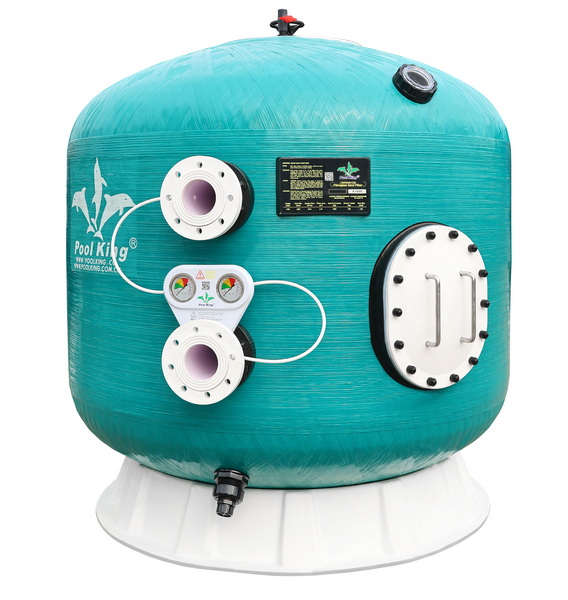
Sand filters are engineered to capture dirt, debris, and impurities as water flows through a dense bed of filter media. The most popular choice, #20-grade silica sand, features grains sized from 0.45 to 0.55 mm, effectively removing contaminants down to 20 microns. A well-filled sand filter ensures every drop is filtered efficiently, promoting sparkling clean water throughout the pool season.[12][13]
Each filter model requires a specific sand volume; always check your owner's manual first. If unavailable, use the general guide below for standard tank diameters and OEM standards:
| Filter Size/Model | Sand Needed (lbs) |
|---|---|
| 16-inch tank | 100 lbs poolsuppliescanada+1 |
| 19-inch tank | 150 lbs poolsuppliescanada |
| 20-inch tank | 200 lbs thepoolfactory+1 |
| 21-inch tank | 200 lbs poolsuppliescanada |
| 24-inch tank | 250-300 lbs poolsuppliescanada+1 |
| 26-inch tank | 300 lbs diy.inyopools |
| Pentair SD60 | 200 lbs diy.inyopools |
| Meteor 26 | 225 lbs diy.inyopools |
Most filters function best at about two-thirds full of sand. Overfilling restricts water flow and raises pressure, while underfilling allows debris to escape filtration.[16][17][18]
- Silica Sand (#20 grade): The industry standard for most pools; offers excellent efficiency and durability.[13][12]
- Zeolite: This volcanic mineral improves ammonia removal and captures finer particles, making it ideal for pools troubled by algae or organic contaminants.[19][12]
- Recycled Glass Media: Strong filtration performance, lightweight, and longer lifespan (up to 7 years), suitable for eco-conscious buyers.[12]
- Diatomaceous Earth (DE) Powder: Used in DE filters, offers superior filtration for very fine particles but requires more involved maintenance.[19]
Never use non-certified sand, such as play sand or masonry sand, as it can damage filter laterals and reduce performance.[13]
Sand filters operate on mechanical filtration. As pool water passes through the evenly packed sand bed, impurities are trapped in the tiny spaces between grains. Over time, accumulation of debris can clog the filter, requiring backwashing or sand replacement to restore optimal flow.[1][3][4]
1. Check Manufacturer Recommendations: Always verify sand type and volume requirements with official documentation or OEM charts.[2][17]
2. Gather Equipment: Safety gloves, goggles, wet-dry vacuum, replacement sand, backwash hose, lubricant for O-rings, filter cleaner, and test strips for water chemistry.
1. Shutdown System: Power off pump and disconnect.[6]
2. Open Filter Housing: Remove multiport valve or access cover; protect standpipe to prevent sand ingress.[20][21]
3. Extract Sand: Use a scoop, small shovel, or vacuum to carefully clear out the used media.[21][22][20]
- Check Laterals and Standpipe: Inspect bottom fittings for cracks, clogs, or breakage. Replace damaged components as needed.[23][2]
- Clean Tank Interior: Rinse with clean water, avoiding harsh chemicals that harm plastic.[7]
1. Pour New Sand Carefully: Slowly add #20 silica sand or approved alternative, keeping the central pipe covered with a plastic bag for protection. Aim for a consistent surface.[17][18][21]
2. Level Sand Bed: Smooth the sand without compacting.
3. Fill to OEM Recommended Level: Two-thirds of tank height or as specified on the filter housing.[11][10]
1. Replace Valve or Lid: Lubricate O-rings/seals and reattach securely.[17][21]
2. Backwash and Rinse: Backwash the filter for several minutes until sight glass runs clear; rinse for 30 seconds, then switch back to filter mode.[24][7]
3. Monitor Pressure: Observe initial readings and check for leaks or abnormal spikes.[2][6]
4. Adjust Chemistry: Test and rebalance pool water chemistry after major maintenance.[2]
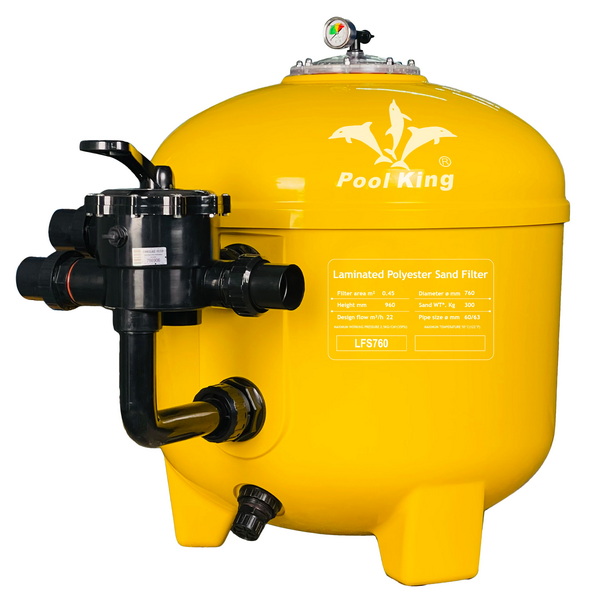
Sand filters require periodic backwashing, usually every four to six weeks or when the pressure gauge rises 8–10 psi above baseline. Annual deep cleaning with filter cleaner can help remove stubborn oils and scale.[3][4][1][6][7]
- Never skip routine backwashing or filter cleaning.
- Replace sand every 3-5 years for residential pools (more frequently for commercial use).[5][8][17]
- Keep an equipment log of installation and service dates.
- Inspect and replace worn O-rings, valves, or tank fittings annually.
- Water clarity worsens despite routine cleaning.
- Backwashing becomes more frequent, yet pressure remains high or flow decreases.[4][2]
- Channeling occurs (water cuts paths through sand, reducing contact area).[5]
- Sand forms clumps or the filter shows sand leaking into the pool.
- The sand feels muddy, slimy, or unusually fine when inspected.
For manufacturers and distributors, providing high-quality sand filters, pumps, and accessories with clear OEM documentation is critical for global partners. Packaging should include:
- Illustrated installation and service guides.
- Maintenance schedule table.
- QR codes or links to instructional videos.
- Training webinars for dealers and service teams.
- Warranty information and authorized service contacts.
Robust customer support and outbound marketing focused on filter system reliability and OEM customization increase buyer confidence and market reach.
Modern sand filters incorporate smart pumps, pressure sensors, and IoT connectivity:
- Automatic Backwashing: Timed cleaning cycles reduce manual labor.[1]
- Bluetooth Pressure Sensors: Enable real-time monitoring via mobile apps.
- Energy-Efficient Pumps: Programmable operation for reduced energy costs.
- LED Operation Indicators: Visual status cues for commercial pools.
- High Pressure After Sand Replacement: May indicate overfilling or clogged laterals. Remove excess sand; inspect and replace damaged parts.[2]
- Sand Returning to Pool: Usually caused by broken laterals or improper assembly. Extract sand, replace components, and review installation procedures.[21][2]
- Leaky Tank or Valve: Ensure O-rings and seals are aligned and lubricated.
- Always disconnect power before working on filter equipment.[6]
- Wear gloves and goggles to avoid injury from sharp sand grains.
- Use only manufacturer-recommended replacement parts and accessories.
- Dispose of old filter sand as per local regulations.
- Prefer certified glass media or zeolite for reduced resource consumption and enhanced performance.[12][19]
- Encourage eco-friendly practices for all OEM partners and customers.
- Stock various filter media for different customer needs.
- Offer bundled kits including sand, pumps, maintenance tools, and digital monitoring equipment.
- Provide technical support in multiple languages.
Correct sand quantity and media choice are crucial for pool filter performance and longevity. For best results, fill the filter tank with certified #20-grade silica sand to at least two-thirds of its capacity (by manufacturer guidelines). Routine backwashing, annual cleaning, and regular sand replacement keep water clear, equipment efficient, and users satisfied. Leverage modern features and strict OEM standards to provide reliable solutions for global clients, ensuring all maintenance is supported with detailed guides and quality parts.[1][17][2]
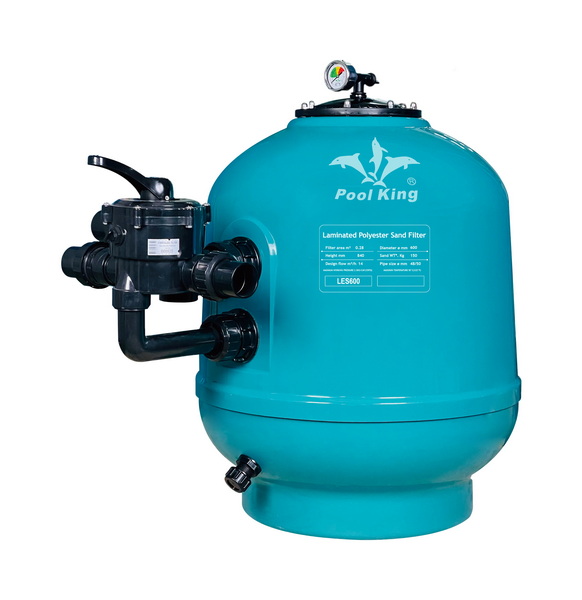
Use only certified #20 silica sand, sized 0.45–0.55 mm, or approved alternatives such as glass media or zeolite for enhanced filtration.[19][12]
Typically every 3–5 years, or sooner if water quality drops, backwashing is ineffective, or sand forms clumps.[8][5][17]
Cloudy water, increased backwashing, pressure spikes, channeling, or sand leaking into the pool signal it's time for replacement.[4][5][2]
No. Using play sand or masonry sand can damage filter laterals and shorten the system's life.[7][13]
Regular backwashing, annual deep cleaning, sand replacement every 3–5 years, and component inspections keep your filter performing at its best.[3][5][1]
Follow local environmental regulations — consider recycling or repurposing where appropriate.[19]
Modern sand filters with smart sensors, automated backwashing, and data logging can reduce manual work and optimize maintenance.[1]
[1](https://myeverclearpool.com/pool-care/guide-to-pool-filter-maintenance/)
[2](https://splashfiberglasspoolcompany.com/a-guide-to-know-how-often-to-change-sand-in-pool-filter/)
[3](https://budsspas.com/blog/how-to-clean-your-pools-sand-filter/)
[4](https://pool.dreametech.com/blogs/blog/how-often-to-clean-pool-filter-complete-guide)
[5](https://poolpurefilter.com/blog/maintain-above-ground-pool-filter/)
[6](https://envirowaste.com.au/mastering-pool-filter-maintenance/)
[7](https://www.swimuniversity.com/change-pool-filter-sand/)
[8](https://www.reddit.com/r/pools/comments/1d9ogxh/first_sand_filter_what_do_you_wish_youd_known/)
[9](https://www.thepoolfactory.com/blogs/pool-care/operating-your-sand-filter)
[10](https://www.poolsuppliescanada.ca/how-much-sand-does-my-pool-filter-need.html)
[11](https://www.thepoolfactory.com/blogs/equipment/how-much-sand-to-use-with-your-sand-filter-system)
[12](https://beatbot.com/blogs/pool-cleaning-kits/different-types-of-sand-for-pool-filters-and-how-to-choose-the-right-one)
[13](https://intheswim.com/blog/pool-filter-sand.html)
[14](https://poolsreno.co.za/sand-filter-calculator-how-much-sand-do-you-need/)
[15](https://diy.inyopools.com/article/how-much-pool-filter-sand-do-i-need/)
[16](https://intheswim.com/blog/how-much-sand-do-i-need-for-a-sand-filter.html)
[17](https://www.doheny.com/help/pool-filter-sand)
[18](https://www.facebook.com/groups/637529959937311/posts/2552762161747405/)
[19](https://lesliespool.com/blog/pool-filter-media-types-a-comparison-guide.html)
[20](https://www.thepoolfactory.com/blogs/pool-care/how-to-change-the-sand-in-a-pool-filter)
[21](https://boutique.piscinehippocampe.ca/en/blogs/guide-piscine/changer-sable-filtreur-piscine-guide)
[22](https://www.swimmingpool.com/maintenance/pump&filter/changing-sand-in-your-pool-filter/)
[23](https://www.youtube.com/watch?v=v9ghBgNkv-4)
[24](https://poolie.com/blog/maintenance/how-to-change-sand-in-pool-filter/)
[25](https://www.youtube.com/watch?v=B8_c7M_iTwc)
[26](https://www.youtube.com/watch?v=S0-KKPjz9i8)


