
Views: 222 Author: Tina Publish Time: 2025-09-27 Origin: Site


Content Menu
● Determining the Right Sand Amount
>> Manufacturer and Model Guidelines
>> Practical Approaches and Rule-of-Thumb
● Sand Filter Types and Filtration Media
>> Standard Pool Filter Sand (Silica)
● Step-by-Step Guide: Adding Sand to Your Pool Filter
>> Sand Replacement and Filling Steps
● Pool Sand Filter Maintenance and Cleaning
>> Cleaning and Backwashing Procedures
>>> Backwashing (monthly or as needed)
>>> Deep Chemical Cleaning (twice a year)
>>> Spring
>>> Summer
>>> Fall
>>> Winter
>> Troubleshooting Sand Filter Problems
● Common Mistakes and Best Practices
● Pool Filter Sand Replacement: When and Why
● Optimizing Sand Filter Performance for International OEM and Pool Professionals
● Professional Tips for Sand Filter Longevity
● Frequently Asked Questions (FAQ)
>> 1. What happens if too little sand is used?
>> 2. Can I use alternative filter media?
>> 3. How do I know when to clean or replace sand?
>> 4. What regular maintenance tasks are needed for sand filters?
>> 5. Are there common mistakes to avoid?
Pool sand filters are essential for keeping pool water clear and hygienic. The correct sand quantity is central to performance, but factors like filter size, maintenance habits, and seasonal demands also play a key role for owners and operators worldwide. Many pool professionals, OEM brands, and distributors rely on precise sand filling and maintenance routines for client satisfaction, energy savings, and equipment longevity.[10][11]
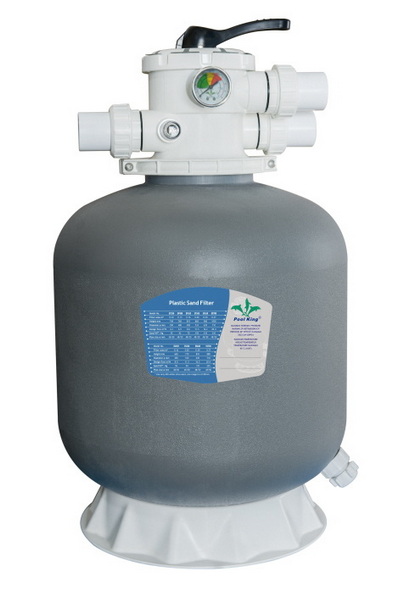
A pool's sand filter traps dirt, debris, and contaminants, giving people sparkling clean water. Too little sand lets debris through and creates cloudy conditions, while too much sand can strain the pump and lower efficiency. The right type and quantity help with:
- Filtration effectiveness, catching even fine particles.[10]
- Pump protection, avoiding unnecessary stress or high energy costs.[11]
- Equipment longevity, reducing wear on seals, gaskets, and valves.[1]
Insufficient sand leads to poor results, while overfilling can block water flow, increase system pressure, and trigger premature failures.
Every pool filter model comes with a manufacturer's specification for sand capacity. This is the most reliable source for correct sand quantity, whether for commercial pools, hotels, or private homes. Users should start with the filter's label, manual, or official website when calculating needs.[11][10]
Pool filter sizing varies by tank dimensions. Here's an industry-recognized estimate:
| Filter Size (inches) | Sand Needed (lbs) |
|---|---|
| 16 | 100 |
| 18 | 150 |
| 19 | 175 |
| 20 | 200 |
| 22 | 250 |
| 24 | 300 |
| 27 | 350 |
| 30 | 500 |
| 36 | 700 |
Always check the product's manual for exact details before purchase, maintenance, or sand replacement.
- Fill two-thirds to three-quarters of the tank with filter-grade sand.
- Follow the filter's “fill line” if present.
- Buy sand in standardized 50-pound bags for ease and efficiency.[12][13]
The best option for filtration is pool-grade silica sand, with granules sized between 0.45–0.55 mm. Silica sand is sharp-edged, which traps particles effectively. Avoid common construction sand or playground sand, as they're sized improperly for water filtration.[14][10]
Modern sand filters sometimes support advanced media:
- Zeolite, offering improved filtration and ammonia absorption.
- Recycled glass, reduces the frequency of cleaning and replacement.
- Other synthetic options, sometimes used for specific applications.
Consult your filter's manual or manufacturer's support team before switching media.
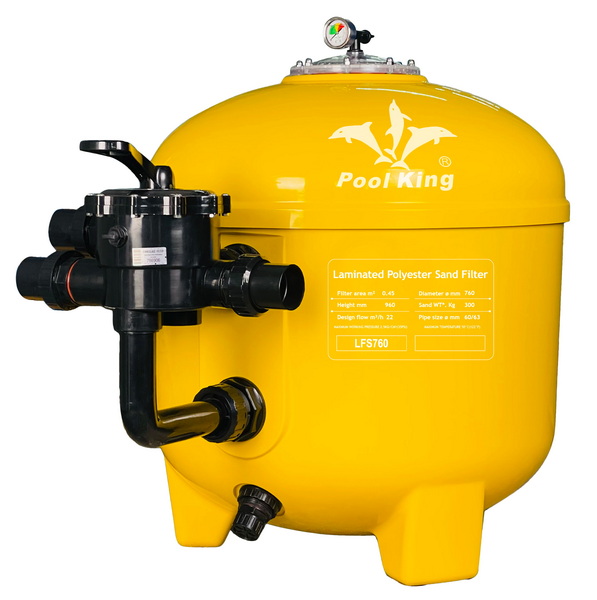
Required items:
- Protective gloves and mask.
- Sand filter-rated media.
- Screwdrivers, wrenches, cleaning brushes.
- A plastic bag or tape to cover the standpipe.
Safety notes:
- Always disconnect power before opening filters.
- Protect the standpipe to prevent sand entry.
1. Shut off the pump and relieve system pressure.
2. Remove multiport valve, filter cover, or lid.
3. Scoop out old sand carefully (use a small cup or gentle vacuum for easier removal).
4. Inspect filter grids, laterals, or fingers for cracks or damage—replace if necessary.
5. Cover the standpipe to prevent sand entry.
6. Add clean, dry pool filter sand gradually, leveling, and stopping at the “fill line”.
7. Replace covers, valves, and fittings securely.
8. Backwash the filter thoroughly to settle sand before resuming normal operation.
For step-by-step visuals:
- Include high-res images: sand bags labeled “pool filter sand,” filter interior with laterals, filling process with sand.
- Embed or link videos:
- "How to Correctly Size a Sand Filter"[15]
- "POOL SAND FILTERS 101: Easy Operating Guide for Beginners"[4]
- "How To Change Sand In Your Above Ground Pool Filter"[16]
Visual guides are especially helpful for international customers new to pool maintenance routines.
A clean sand filter is central to water quality and system health. Dirty filters create:
- Cloudy, unsafe water.[2]
- Increased chemical costs and balancing challenges.
- Clogged systems causing pressure build-up.
- Premature equipment failure.
Cleaning frequency:
- Backwash any time pressure rises 8–10 psi above normal.[3][6]
- Backwash monthly, chemical clean twice yearly, or after heavy rain and algae outbreaks.
- Turn off pump.
- Attach a backwash hose to waste line.
- Switch filter valve to “Backwash”.
- Turn pump on, run until water in view glass is clear (usually 3–5 minutes).
- Turn pump off, set valve to “Rinse”, run pump for 30–45 seconds.
- Switch back to “Filter” setting, resume pool operation.
1. Turn off pump, remove strainer lid.
2. Add sand filter cleaner to strainer basket, replace lid.
3. Run pump for 10–15 seconds to circulate cleaner.
4. Turn off pump, let solution soak for at least 8 hours.
5. Backwash for another 3–5 minutes.
6. Rinse, then switch to standard “Filter” mode.[6][2]
Restoring clean starting pressure after maintenance provides a reliable reference for the system's next cleaning cycle.
- Inspect filter, seals, o-rings, and pump connections.[6]
- Backwash as needed, replace sand if due.
- Check pressure gauge weekly.
- Backwash or deep clean after heavy storm, high bather load.
- Prioritize debris prevention; clean baskets, remove leaves.
- Drain filter completely to prevent freeze damage.
- Remove filter, store parts in a dry area.[6]
Cloudy water? Check for underfilled sand or damaged laterals.
High pressure or reduced flow? Check for sand overfilling, filter clogs, or pump issues.
Short backwash cycles, difficult cleaning? Sand may be blocked or compacted—replace every 3–5 years.[1][10]
Monitor pressure and water clarity year-round for rapid response.
- Using incorrect sand or overfilling: Only use approved silica sand. Overfilling can lead to damage and poor performance.
- Ignoring fill lines: Filters are engineered for optimal fill—always stop at the line.
- Skipping inspection: Damaged laterals cause sand leakage into the pool.
- Too frequent backwashing: Light debris buildup can help trap particles; focus on pressure readings.[6]
- Neglecting seasonal care: Prevent freeze damage, and always prepare for seasonal transitions.
Sand doesn't last forever. Its sharp edges wear down, leaving fine particles and reducing filtration. Typical replacement interval is every 3–5 years, but commercial pools or high-use systems might need replacement sooner.
- Signs it's time for fresh sand:
- Water clarity issues, even after backwashing.
- High pressure persists after cleaning.
- Sand feels smooth (“rounded”) or visibly dirty.
Document replacement dates for warranty and maintenance tracking.
For international OEM suppliers, pool brands, and distributors, offering excellent sand filters means communicating this maintenance knowledge to clients. Encourage proper installation, maintenance cycles, and troubleshooting, either through manuals or tailored support resources.
Pool professionals can boost satisfaction and product lifespan through serialized training, easy-to-follow guides, and visual kits. Periodic reminder emails or calendar alerts are highly recommended for routine checks.
- Always use the filter's recommended sand and refrain from substitutions unless approved.
- Keep manuals and charts handy for on-site reference, especially for commercial clients and technicians.
- Invest in quality sand media; cheap substitutes cost more in repairs and downtime.
- Regularly monitor pool chemical balance, especially after storms or high bather loads.
The correct amount of sand in a pool filter is the foundation for clean, safe swimming and high-performance equipment. Rely on manufacturer recommendations, routine maintenance, and best practices to avoid common pitfalls and maximize system life. Whether you're an OEM, a distributor, or a residential pool owner, informed sand filter care makes all the difference in water quality and cost control.[10][11][6].
Water will not be filtered properly, resulting in cloudy water and higher chemical costs.[2][10]
Only if the filter is compatible and manufacturers approve; options like zeolite and recycled glass offer benefits for some users.[14]
Clean when pressure rises 8–10 psi above normal; replace every 3–5 years or if filtration issues persist after cleaning.[1][6]
Routine backwashing, biannual deep cleaning, and seasonal preparation—especially before and after heavy use or weather extremes.[3][6]
Yes: overfilling, using non-approved sand, skipping inspections, backwashing too often, and missing regular seals/laterals checks.
[1](https://speckusa.com/pool-maintenance-pool-filter/)
[2](https://budsspas.com/blog/how-to-clean-your-pools-sand-filter/)
[3](https://www.parnellpoolandspa.com/posts/sand-filtration-system/)
[4](https://www.youtube.com/watch?v=VmXdio44FTY)
[5](https://romanellipools.com/blogs/how-to-change-the-sand-in-your-pool-filter-step-by-step-guide/)
[6](https://lesliespool.com/blog/the-ultimate-pool-filter-maintenance-guide.html)
[7](https://www.reddit.com/r/pools/comments/1d9ogxh/first_sand_filter_what_do_you_wish_youd_known/)
[8](https://poolife.com/2024/01/09/guide-to-cleaning-a-pool-filter/)
[9](https://greatbackyard.com/blogs/news/everything-you-need-to-know-about-your-pools-sand-filter)
[10](https://www.angi.com/articles/calculate-pool-filter-sand-needed.htm)
[11](https://www.hilltoppools.com/how-much-sand-for-pool-filter)
[12](https://www.thepoolfactory.com/blogs/equipment/how-much-sand-to-use-with-your-sand-filter-system)
[13](https://trexhouston.com/Sand-Pool-Filters-Play22-Pool-Filter-Sand-Pool-Sand-50-Pound-912375)
[14](https://mrpoolman.com.au/blogs/news/the-definite-sand-filter-media-guide)
[15](https://www.youtube.com/watch?v=B8_c7M_iTwc)
[16](https://www.youtube.com/watch?v=LB3tuaYfpnc)
[17](https://www.istockphoto.com/photos/sand-filter)
[18](https://www.shutterstock.com/search/pool-filter-sand)
[19](https://www.istockphoto.com/photos/pool-filter-sand)


