
Views: 222 Author: Tina Publish Time: 2025-12-20 Origin: Site


Content Menu
● What Does Pool Filter Sand Do?
● General Sand Amount Rules by Tank Size
>> Typical Sand Requirements by Diameter
● Model‑Specific Sand Capacity Examples
>> Example Capacities for Common Filters
● How to Calculate Sand for Your Filter
>> Step‑by‑Step: Estimating Sand Amount
● What Type of Sand Should You Use?
>> Sand vs Alternative Filter Media
● Why the Correct Sand Amount Matters
>> Performance and Energy Considerations
● How to Add Sand to a New or Empty Filter
● When to Replace the Sand (and How That Affects Amount)
● OEM Sand Filters and Custom Solutions
● FAQs About Pool Filter Sand Amounts
>> 1. How many bags of sand does a typical pool filter need?
>> 2. Can I just fill the tank to the top with sand?
>> 3. What happens if I use the wrong amount of sand?
>> 4. Can I mix different media (sand and glass or zeolite) in the same filter?
>> 5. How often should I check the sand level in my filter?
>> 6. Do larger filters always need more sand and a bigger pump?
Knowing exactly how much sand your pool filter needs is essential for clear water, efficient circulation, and long equipment life. Most residential sand filters use between 100 and 300 pounds of #20 silica sand, but the correct amount always depends on the tank diameter and model.[1][2]
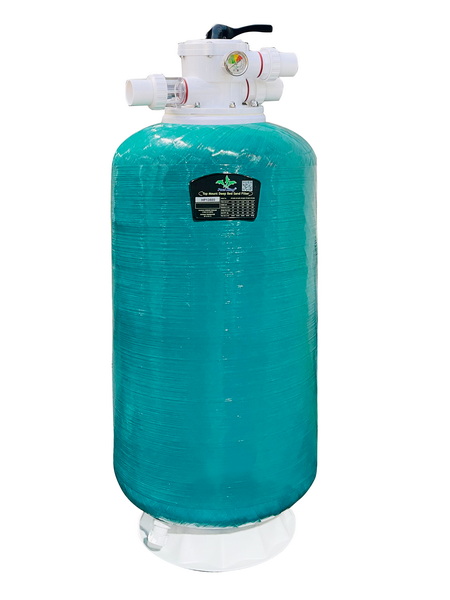
Pool filter sand is the primary filtration media inside a sand filter tank, trapping dirt, leaves, algae, and fine particles as water flows through the bed.[3][4]
- Standard #20 silica sand has a grain size around 0.45–0.55 mm and typically filters particles down to about 20–40 microns.[5][3]
- The sand bed is usually filled to about two‑thirds of the tank height so water can spread evenly and backwashing can work correctly.[2][1]
As a simple rule, sand requirements increase with tank diameter, and most standard filters fall into well-known ranges.[1][2]
- A 16‑inch sand filter typically uses about 100 lbs of sand.[2][1]
- For each size increase, the sand amount rises stepwise, so larger tanks can require 300 lbs or more.[1][2]
The following table summarizes common guidelines for many residential filters:[2][1]
| Tank Diameter | Typical Sand Required |
|---|---|
| 16 inches | 100 lbs |
| 18 inches | 150 lbs |
| 19 inches | 175 lbs |
| 20 inches | 200 lbs |
| 22 inches | 250 lbs |
| 24 inches | 300 lbs |
| 27 inches | 350 lbs |
Many pool owners search by model name, and several popular series have published sand requirements.[6][7][8]
- A Hayward 16" S166T filter generally uses about 100 lbs of sand, while an 18" S180T uses around 150 lbs.[7]
- Larger models, such as 23" or 24" tanks, often call for about 250–300 lbs of sand depending on the series.[6][1]
| Brand / Series | Approx. Size | Sand Needed (approx.) |
|---|---|---|
| Hayward S166T | 16" | 100 lbs |
| Hayward S180T | 18" | 150 lbs |
| Hayward 20–21" models | 20–21" | 200 lbs |
| Hayward 23–24" models | 23–24" | 250–300 lbs |
| Carvin “Laser” 16" | 16" | 100 lbs |
| Carvin “Laser” 19" | 19" | 150 lbs |
| Carvin “Laser” 25" | 25" | 325 lbs |
If the manual is missing, a diameter‑based formula or chart can give a reliable estimate.[2][1]
- For a 16" tank, plan for about 100 lbs of sand.[1][2]
- As diameter increases, add roughly 25–50 lbs per size step, reaching 300+ lbs for 24–27" filters.[2][1]
1. Measure tank diameter at the widest point in inches.[1]
2. Use a sand calculator or chart to match diameter to recommended pounds of sand.[2][1]
3. Round up to whole 50‑lb bags of #20 silica sand, which is the standard packaging.[9][10]
4. Fill only to the manufacturer's indicated sand level, usually about two‑thirds of tank height, not to the very top.[1][2]
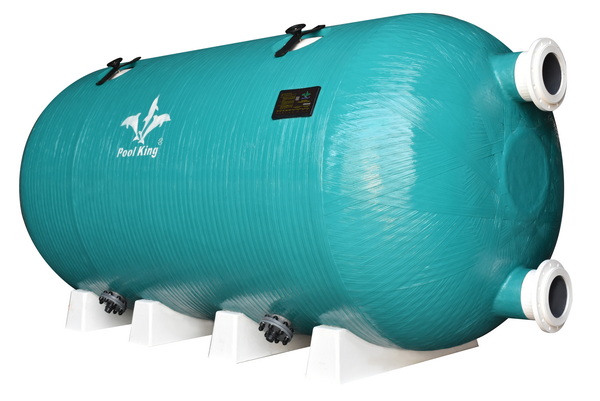
Only properly graded pool filter sand should be used in a sand filter.[11][3]
- The standard media is #20 grade silica sand with controlled grain size and high purity, designed specifically for pool filtration.[3][5]
- Using other sand types, like construction sand or play sand, can damage laterals, clog the system, and let fine debris return to the pool.[11][3]
Some owners choose alternative media instead of traditional sand.[12][3]
- Glass media and zeolite can offer finer filtration and may reduce backwashing frequency while still using the same tank volume.[12][3]
- Lightweight filter “balls” and related media types are dosed by volume, not weight, and often replace several 50‑lb sand bags per box.[6][3]
Too much or too little sand directly affects filtration efficiency and equipment life.[4][1]
- Underfilling the tank reduces the bed depth, causing channeling, poor dirt removal, and cloudy water.[4][1]
- Overfilling can restrict flow, raise pressure, stress the laterals and multiport valve, and make backwashing ineffective.[4][1]
The proper sand level also helps optimize pump performance and energy use.[12]
- When the sand bed is correctly sized, water passes evenly through the media, keeping pressure within the safe operating range and protecting the pump.[12][1]
- An efficient filter system with the right sand load can reduce run time and backwashing frequency, saving electricity and water.[12][1]
Correct filling protects both the filter internals and the pump.[4]
- Always turn off power and close valves before opening the filter tank, and cover the standpipe or diffuser to prevent sand entering the laterals.[4]
- Add water to cover the laterals before pouring sand slowly, which cushions the impact and prevents damage.[4]
1. Turn off pump and set the multiport valve to “Closed” or “Winterize.”[4]
2. Open the tank, cover the central standpipe opening, and partially fill the tank with water.[4]
3. Pour the specified amount of #20 silica sand slowly into the tank, keeping the standpipe centered.[4]
4. Reassemble the valve, set it to “Backwash,” and run until water in the sight glass is clear, then rinse and switch to “Filter.”[4]
Even the correct amount of sand will eventually wear and need replacement.[4]
- Many sources recommend changing sand roughly every 3–5 years for typical residential use, depending on bather load and chemical balance.[12][4]
- When replacing, always use the same specified amount and media type recommended by the manufacturer.[1][4]
For brands, wholesalers, and builders, working with an OEM sand filter manufacturer allows full customization of tank size, sand capacity, and media type for specific markets.
- Our factory in China produces high‑end sand filters, DE filters, cartridge filters, pumps, LED lights, and accessories, designed for global pool systems.
- OEM clients can specify tank diameter, operating pressure, and media options (silica sand, glass, or zeolite), and receive technical charts with exact sand requirements for each model.
The exact amount of sand your pool filter needs depends on the tank diameter and model, but most residential units fall between 100 and 300 lbs of #20 silica pool filter sand. Using the correct media type, filling the tank to the specified level, and following the manufacturer's chart or a reliable diameter‑based guide ensures strong filtration, safe operating pressure, and long equipment life.[3][2][1][4]
For overseas brands, wholesalers, and pool equipment manufacturers, partnering with a specialized OEM factory makes it easy to source complete sand filter systems with clearly defined sand capacities, compatible pumps, and optional LED lighting and accessories for your target markets.
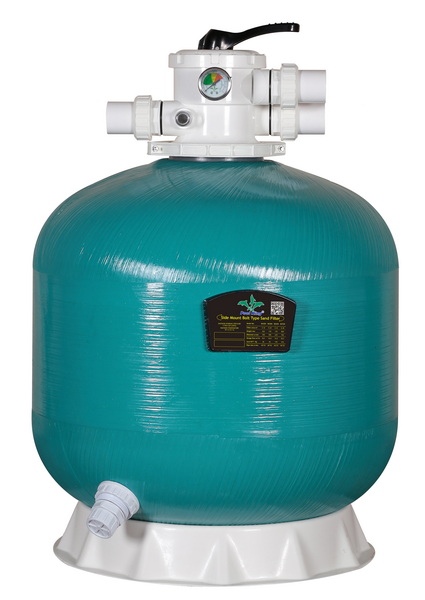
Most residential sand filters require 100–300 lbs of sand, which equals roughly 2–6 standard 50‑lb bags depending on the tank size and model. Always confirm with your filter's rating plate or manual to avoid underfilling or overfilling.[8][2][1]
No. Most sand filters are designed to be filled only to about two‑thirds of the tank height, leaving space for proper water distribution and backwashing. Filling to the top can cause high pressure, poor backwash performance, and potential damage to internal parts.[2][1][4]
Too little sand leads to a shallow bed, channeling, and cloudy water, while too much sand can restrict flow and raise operating pressure. Either problem can shorten the life of the pump, valve, and laterals, and increase energy and maintenance costs.[12][1][4]
Manufacturers generally recommend using one media type at a time and following the specified weight or volume for that media. Mixing different media can cause stratification, unpredictable flow paths, and inconsistent filtration results.[3][12]
The sand level inside the filter normally stays stable, but it is wise to open the tank and inspect the bed whenever you change media or notice ongoing performance issues. If the sand has settled far below the recommended level, you may need to top up or perform a full change using the correct weight.[1][4]
Larger filters do require more sand, but they also offer more filtration area, which can allow the system to run at lower pressure and with a more efficient overall hydraulic design. Choosing a correctly sized pump–filter combination, not just a larger pump, is key for energy‑efficient and reliable operation.[13][14][12]
[1](https://poolresearch.com/sand-filter-calculator/)
[2](https://dgpoolsupplyandservice.com/blog/how-much-sand-to-put-in-the-filter/)
[3](https://intheswim.com/blog/pool-filter-sand-alternatives.html)
[4](https://intheswim.com/blog/pool-filter-sand.html)
[5](https://www.redflint.com/pool-sand/)
[6](https://www.poolsuppliescanada.ca/how-much-sand-does-my-pool-filter-need.html)
[7](https://www.thepoolfactory.com/blogs/equipment/how-much-sand-to-use-with-your-sand-filter-system)
[8](https://diy.inyopools.com/article/how-much-pool-filter-sand-do-i-need/)
[9](https://marinapoolspaandpatio.com/product/20-silica-sand-swimming-pool-filter-media-50-lbs/)
[10](https://waterlinetechnologies.com/swimming-pool-20-filtration-grade-silica-sand-100-lb-bags/)
[11](https://www.thepoolfactory.com/blogs/new-pool-buyers/swimming-pool-sand-a-beginner-s-introduction)
[12](https://lesliespool.com/blog/pool-filter-media-types-a-comparison-guide.html)
[13](https://www.youtube.com/watch?v=B8_c7M_iTwc)
[14](https://lesliespool.com/blog/pool-filter-sizing.html)
[15](https://www.poolkingfilter.com/how-many-pounds-of-sand-for-pool-filter.html)
[16](https://www.reddit.com/r/pools/comments/1d6iidx/filter_sand_replacement_how_much_do_i_need/)
[17](https://www.facebook.com/groups/637529959937311/posts/2550625005294454/)
[18](https://mtpooldistributor.com/products/sand-silica-50lbs-20-30-sand-50-lb)
[19](https://certifiedmtp.com/20-30-silica-sand-tensile-test-sand-50lb/)
[20](https://www.vevor.com/s/pool-sand-filter-size-chart)


