


Content Menu
>> Typical price ranges by type
● Key factors that change the price
>> 1. Horsepower and pool size
>> 2. Brand, build quality, and features
>> 3. Installation complexity and labor
>> 4. Energy regulations and local codes
● Running cost and energy savings
● OEM and private‑label sourcing advantages
● How to choose the right new pool pump
● FAQs about new pool pump cost
>> 1. How much is a basic single‑speed pool pump?
>> 2. Is a variable‑speed pump worth the higher price?
>> 3. How much does it cost to install a new pool pump?
>> 4. Do above‑ground pool pumps cost less?
>> 5. How do OEM and private‑label pumps affect pricing?
>> 6. How do energy regulations influence which pump to buy?
A new residential pool pump typically costs about 200–1,200 USD for the pump alone and around 300–1,600 USD installed in 2025 for most standard pools, depending on size, type, and features. High‑performance variable‑speed or commercial pumps can push the total project price to 3,000 USD or more when labor, upgrades, and accessories are included.[1][2][3][4]
As a professional Chinese factory manufacturing premium sand filters, DE filters, cartridge filters, pool pumps, LED pool lights, and accessories, OEM and private‑label customers can control pump cost and performance by sourcing directly from the production line instead of only buying retail units. This comprehensive guide explains how much a new pool pump costs, what drives the price, and how brands, wholesalers, and pool professionals can choose the best value solution for their markets.[1]
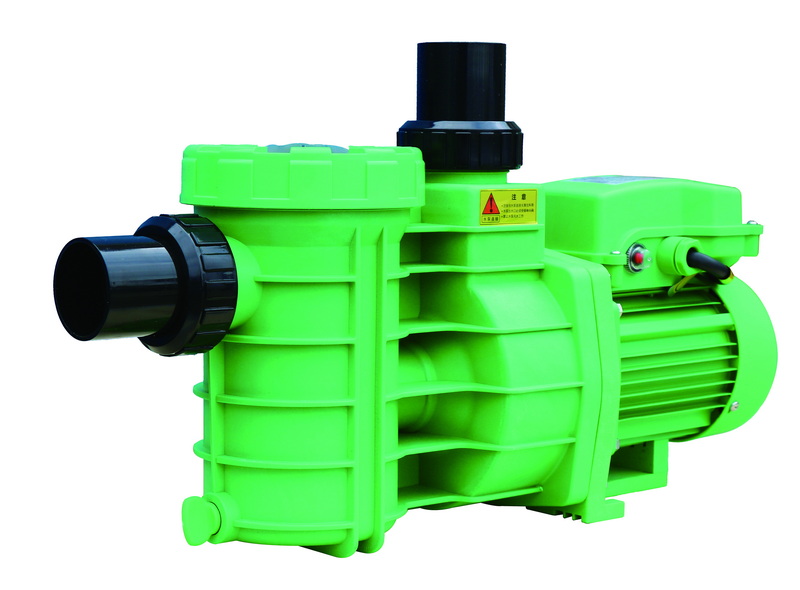
A new pool pump price depends first on whether you are looking only at the pump (equipment) or the full installed cost with professional labor. Many cost guides show average residential replacement totals between about 700 and 1,600 USD in 2025, with some complex projects reaching 3,000–4,000 USD. The pump itself usually falls in the range of 200–1,200 USD for mainstream single‑, dual‑, and variable‑speed models, with installation adding roughly 100–400 USD in typical situations.[2][5][1]
- Typical pump‑only range: 200–1,200 USD for most residential inground pools.[1][2]
- Typical installed range: 300–1,600 USD including pump and professional labor for straightforward replacements.[4][2]
- Complex or commercial systems: 1,500–5,000+ USD when using high‑performance or multi‑pump configurations with additional plumbing and controls.[3][6]
Different pump types have very different price ranges and long‑term energy profiles. Single‑speed pumps are cheapest up‑front, but variable‑speed pumps usually deliver far better lifetime value through reduced electricity bills.[7][8]
| Pump type | Typical pump‑only price | Typical installed price | Best for |
|---|---|---|---|
| Single‑speed | 250–1,000 USD | 700–1,200 USD | Budget upgrades, basic pools.angi+1 |
| Dual‑speed | 300–1,600 USD | 900–1,700 USD | Mid‑range efficiency for standard pools.angi+1 |
| Variable‑speed | 800–2,500 USD | 1,200–3,000 USD | High efficiency, energy savings, and quiet operation.angi+1 |
| Above‑ground pool pumps | 150–400 USD | 300–700 USD | Smaller temporary or above‑ground pools.waterlinecontrols |
| High‑performance / commercial | 1,500–3,000+ USD | 2,000–5,000+ USD | Large or commercial pools with heavy use.waterlinecontrols+1 |
Variable‑speed pumps cost more up front than single‑speed but can cut energy use up to roughly 70–90% in many real‑world applications, meaning payback within a few seasons in high‑energy‑cost regions. OEM customers selling into developed markets often standardize on variable‑speed models to comply with energy regulations and offer a premium, low‑noise product line.[9][10][11][8]
Even within the same pump type, several technical and commercial factors strongly influence price. Understanding these helps brands, distributors, and pool owners select the right pump instead of simply grabbing the cheapest model.
Larger pools with greater water volume require higher horsepower (HP) pumps to meet turnover requirements. Cost tables show that as pool volume rises from under 10,000 gallons to over 40,000 gallons, pump size increases from about 0.25 HP up to 2–3 HP, with equipment prices rising from below 150 USD to over 2,200 USD even before labor.[12]
- Small residential pools (around 5,800–10,800 gallons) can often use 0.25–0.75 HP pumps, keeping pump‑only costs near the lower end of the spectrum.[12]
- Medium pools (16,500–30,000 gallons) frequently use 1–1.5 HP pumps, with prices running roughly 150–900 USD depending on features and brand.[3][12]
- Large or commercial pools (40,000+ gallons) may need 2–3 HP or multi‑pump systems, where pump units and associated hardware can exceed 2,000 USD.[12][3]
Retail prices vary widely across brands, even at the same horsepower and flow rating. High‑end brands charge more for premium permanent‑magnet motors, advanced digital controllers, quiet operation, and long warranties. In contrast, OEM‑oriented factories in China can supply pumps with similar hydraulic performance and durable construction at more competitive prices by optimizing production, material sourcing, and logistics.[13][8]
- Premium branded variable‑speed pumps often retail around 1,200–2,000 USD in North American stores.[14][13]
- OEM or private‑label pumps sourced directly from the factory can offer lower landed cost while still using high‑efficiency motors, corrosion‑resistant materials, and matched sand, cartridge, or DE filters.
Labor fees for professional pool pump installation typically range roughly from 100 to 400 USD under normal conditions. Simple “drop‑in” replacements where plumbing, wiring, and base align with the old pump fall at the low end, while electrical upgrades, re‑piping, or moving equipment push costs higher.[5][15][1][12]
- Simple replacement with similar pump type and horsepower: often in the 200–500 USD total labor range when including minor fittings and testing.[5][1]
- Complex replacement with rewiring, new plumbing, or pad changes: can raise full installed costs to 800–1,000+ USD per pump in some estimates.[15][12]
Some markets increasingly require variable‑speed pumps or minimum efficiency levels for new or replacement installations, especially in the United States and Europe. Complying with these rules may increase the initial pump price but usually lowers ongoing electricity costs.[10][11]
- Regulations can effectively push homeowners away from low‑cost single‑speed pumps toward higher‑priced variable‑speed units.[11]
- For OEM customers, developing a compliant variable‑speed product line with appropriate certifications helps ensure access to regulated markets and improves product positioning.[10]
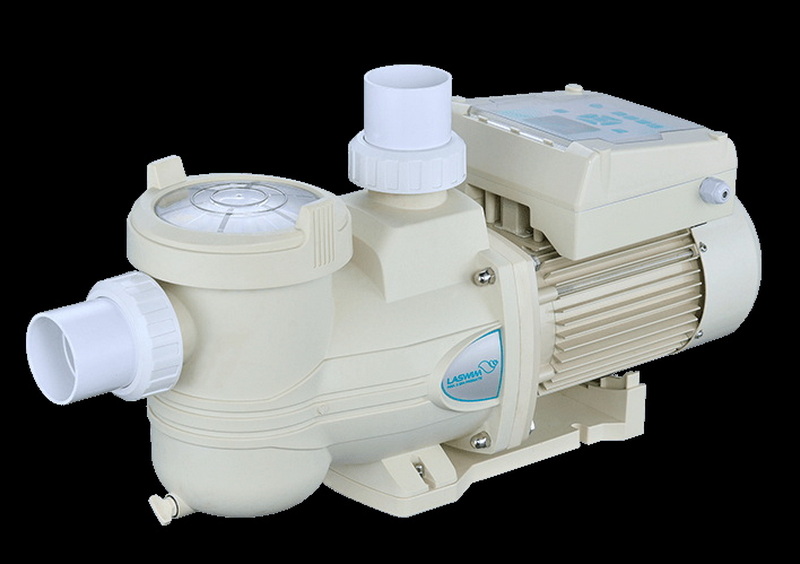
The “real” cost of a new pool pump includes years of energy consumption, not just the purchase price. A pool pump can be one of the highest energy‑using appliances in a home, so small efficiency gains matter a lot.[16][8]
- A standard single‑speed pump running several hours a day can cost hundreds of dollars per year in electricity, often in the 800–1,200 USD annual range for larger pools in high‑cost areas.[6][11]
- Variable‑speed pumps running at lower speeds for longer periods may reduce energy use by up to about 70–90%, saving roughly 300–500 USD per year in many scenarios, with payback on the price difference within 1–3 years.[8][6]
Products built around permanent‑magnet motors, optimized hydraulics, and intelligent controllers achieve higher efficiency and quieter operation, making them attractive to end users and professional service companies. OEM and private‑label brands can leverage these technologies to market “high‑efficiency systems” that combine pumps with properly sized sand, cartridge, or DE filters for maximum flow and clarity.[9][8]
For foreign brands, wholesalers, and pool equipment manufacturers, working directly with an experienced Chinese OEM factory provides pricing, customization, and integration advantages that retail buyers cannot access.
- OEM customers can specify motor types, head curves, power supply options, control interfaces, and housing materials to match local standards and price targets. This modular engineering approach supports different market segments from entry‑level above‑ground pumps to premium variable‑speed units.[14]
- Combining pumps with matched sand filters, DE filters, or cartridge filters, plus LED pool lights and accessories, allows complete system packages that simplify stocking and improve margin for distributors.[6]
A factory using intelligent production machines and strict quality control can offer stable performance, consistent dimensions, and reliable lead times, all of which are essential for international brands and project contractors. Private‑label options, customized packaging, and documentation (user manuals, installation guides, compliance certificates) help foreign partners position the pumps as part of their own product families without investing in manufacturing infrastructure.
When asking “how much is a new pool pump,” the better question is “how much does the right pump for this pool and market cost over its life.” Price, performance, and compatibility must all align.
- Match pump size to pool volume and plumbing: Oversized pumps can waste energy and cause noise and hydraulic stress, while undersized pumps struggle to maintain water clarity.[9][12]
- Decide on speed type: Single‑speed is cheapest up front; variable‑speed costs more initially but often wins when electricity is expensive or when local codes encourage high‑efficiency equipment.[7][8]
- Compare lifetime cost, not only purchase price: Consider a simple 5‑year or 10‑year total cost of ownership that includes equipment, installation, and energy consumption. Energy savings can easily outweigh the extra initial cost of a more efficient pump.[6][10]
- Integrate with filtration and accessories: For best results, pair the pump with appropriate sand, DE, or cartridge filters and quality valves, fittings, and LED lights from a single OEM source to ensure hydraulic balance and ease of installation.[1]
A new pool pump for a typical residential pool usually costs around 200–1,200 USD for the pump alone and roughly 300–1,600 USD including professional installation, with high‑end or commercial projects costing more. While single‑speed pumps offer the lowest initial price, variable‑speed pumps significantly reduce energy consumption and often provide the best long‑term value, especially in markets with higher electricity prices and stricter efficiency regulations.[2][4][8][6]
For brands, wholesalers, and manufacturers sourcing from China, partnering with a specialized factory that produces high‑quality pool pumps, sand filters, DE filters, cartridge filters, LED lights, and accessories enables competitive pricing, consistent quality, and flexible OEM or private‑label solutions tailored to local market needs. By looking beyond just purchase price and considering installation, energy use, and system integration, buyers can choose pumps that deliver reliable performance, clear water, and attractive lifetime operating costs.
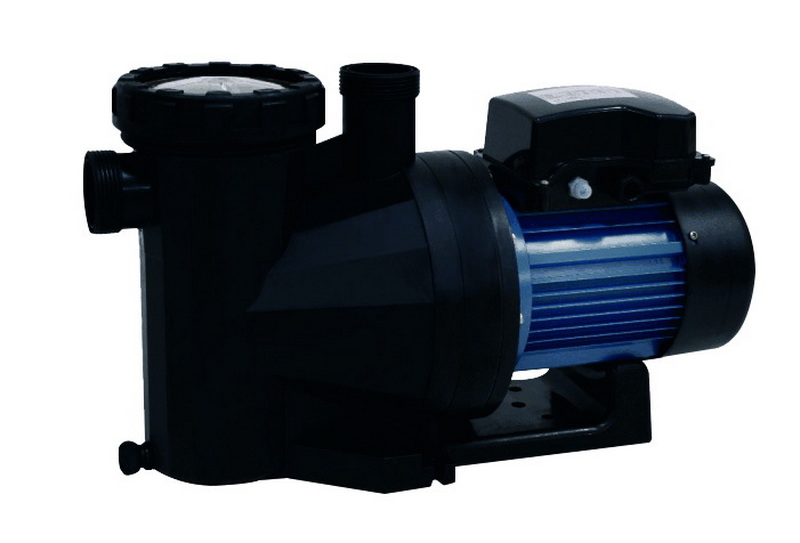
A basic residential single‑speed pump usually costs around 250–1,000 USD for the unit and 700–1,200 USD installed, depending on horsepower, brand, and local labor rates.[7][6]
Yes, in most cases. Variable‑speed pumps typically cost 800–2,500 USD for the unit but can cut energy use up to roughly 70–90%, saving about 300–500 USD per year and often paying back the price difference within a few years.[8][3][6]
Professional installation typically adds about 100–400 USD to the pump price, so a typical homeowner might pay roughly 300–1,600 USD total for pump plus labor in 2025, depending on complexity and local rates.[2][5][1]
Yes. Above‑ground pool pumps are generally smaller and cost less, often around 150–400 USD for the pump and 300–700 USD installed, making them more affordable than inground‑pool pumps.[3]
OEM and private‑label pumps sourced directly from a specialized factory can reduce landed cost while maintaining quality, because production, materials, and logistics are optimized for volume, and branding and packaging are customized for each market.[6]
In some regions, energy regulations favor or require high‑efficiency or variable‑speed pumps for new or replacement installations, effectively steering buyers away from cheap, inefficient single‑speed models toward more efficient options that may cost more up front but save energy long term.[11][10]
[1](https://blogs.aiper.com/us/pool-pump-costs-analysis-2025/)
[2](https://homeguide.com/costs/pool-pump-cost)
[3](https://www.waterlinecontrols.com/how-much-is-a-pool-pump/)
[4](https://waterlevelcontrols.com/pool-pump-replacement-costs-2025/)
[5](https://www.homeadvisor.com/cost/swimming-pools-hot-tubs-and-saunas/install-replace-pool-pump/)
[6](https://ocluxurypools.com/cost-to-replace-all-pool-equipment/)
[7](https://www.angi.com/articles/pool-pump-cost.htm)
[8](https://www.thepoolbutler.net/resource/single-speed-two-speed-and-variable-speed-pool-pumps-which-is-best/)
[9](https://clearcomfort.com/variable-speed-pump-vs-single-speed-a-comparison/)
[10](https://docs.nrel.gov/docs/fy12osti/54242.pdf)
[11](https://www.swimmingpool.com/blog/comparing-variable-speed-pool-pumps-vs-single-speed/)
[12](https://homegnome.com/blog/cost/pool-pump-installation-price/)
[13](https://lesliespool.com/blog/best-variable-speed-pool-pumps.html)
[14](https://aquapoolsupply.com/collections/variable-speed-pool-pumps)
[15](https://www.homewyse.com/services/cost_to_replace_pool_pump.html)
[16](https://pooltroopers.com/blog/variable-speed-motor-pump-vs-single-speed-motor-pump/)
[17](https://www.homedepot.com/b/Outdoors-Pool-Supplies-Pool-Equipment-Pool-Pumps/Variable-Speed/N-5yc1vZcfybZ1z1a60w)
[18](https://www.reddit.com/r/pools/comments/1igxjr2/might_be_time_to_replace_pump_how_do_i_pick_a_new/)
[19](https://lesliespool.com/variable-speed-pumps/)
[20](https://www.homedepot.com/b/Outdoors-Pool-Supplies-Pool-Equipment-Pool-Pumps/N-5yc1vZcfyb)


