
Views: 222 Author: Tina Publish Time: 2025-09-18 Origin: Site


Content Menu
● Understanding Pool Pump Energy Consumption
● Cost Estimates Based on Pool Size and Usage
● Comparing Standard vs. Variable Speed Pool Pumps
● Factors Influencing Pool Pump Running Cost
● How to Calculate Your Pool Pump Running Cost
● Frequently Asked Questions (FAQs)
>> 1. How many hours a day should I run my pool pump?
>> 2. Can I run my pool pump at night to save money?
>> 3. Are variable speed pool pumps worth the investment?
>> 4. How does pool size affect pump running cost?
>> 5. What maintenance can reduce my pool pump energy use?
Pool pumps are essential for maintaining clean, healthy pool water by circulating and filtering the water to remove debris and contaminants. However, running a pool pump affects electricity bills, sometimes significantly. Understanding the operational cost of a pool pump helps pool owners manage expenses better and optimize energy use.
This article explores how much it typically costs to run a pool pump, factors affecting these costs, comparisons between pump types, and practical tips to reduce expenses. Pool owners, wholesalers, and OEM partners in the pool pump and filtration industry will find this guide useful.
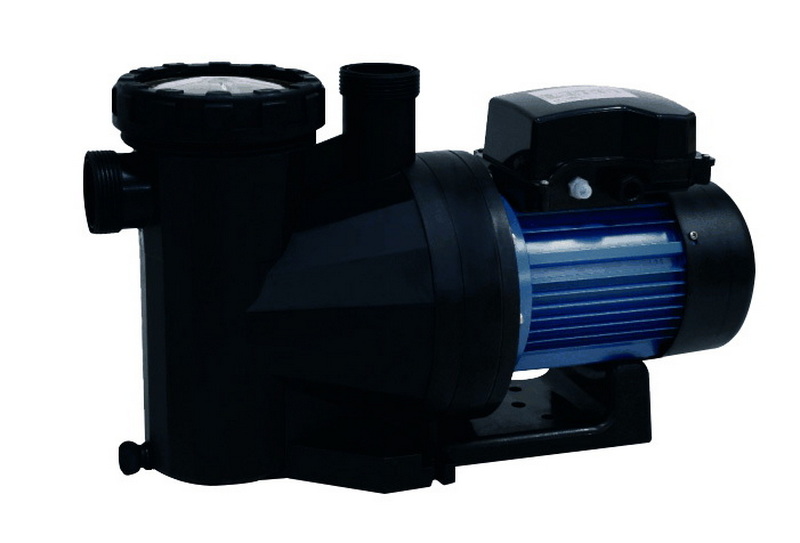
Pool pumps consume electrical energy measured in Watts (W) or kilowatt-hours (kWh), which directly influence the operating cost. The key factors determining electricity usage include:
- Pump wattage: Typically ranges from 500 W to 2500 W based on horsepower and motor efficiency.
- Daily run time: Pools require 6 to 8 hours or more of daily pumping, depending on pool size and water quality needs.
- Electricity rate: Cost per kWh varies by location and provider, generally between $0.10 - $0.40 per kWh.
A standard 2,000-watt (2.5 HP) pool pump running 8 hours daily consumes about 16 kWh per day or 480 kWh per month. With an average electricity rate in the U.S. around $0.16 per kWh, this translates to approximately $76.80 per month or over $900 annually.[1][2][3]
The cost to run a pool pump fluctuates with pool size, flow rate, and pump wattage. Below is a guideline showing typical power consumption and costs over a summer period (90 days) in Australian currency for reference:
| Pool Volume (KL) | Flow Rate (L/min) | Average Wattage | 6-Hour Daily Run Cost (AUD) |
|---|---|---|---|
| 34 - 54 | 100 - 150 | 513 W | $69.30 |
| 55 - 72 | 150 - 200 | 573 W | $77.40 |
| 73 - 90 | 200 - 250 | 738 W | $99.00 |
| 91 - 108 | 250 - 300 | 906 W | $121.50 |
| Over 109 | Over 300 | 1605 W | $216.00 |
For example, running a pump on a pool holding 50,000 liters for 6 hours daily over 90 days could cost AUD 69.30, assuming an electricity rate of about 0.25 AUD/kWh.[1]
Standard (single-speed) pool pumps operate at full power continuously during their run time. They commonly consume between 1,500 to 2,500 watts and run for 8+ hours daily. This results in high energy consumption and increased costs.
- Example: A 2,000 W single-speed pump running 8 hours daily uses 480 kWh per month.
- Monthly cost (at $0.16/kWh): Approximately $76.80.
- Annual cost: Roughly $900 - $1,000, depending on usage and rates.
Variable speed pumps operate more efficiently by adjusting their motor speed to the minimum required for effective filtration. Power consumption can drop to as low as 300 watts.
- Example: A 300 W variable speed pump running 8 hours daily uses about 72 kWh monthly.
- Monthly cost (at $0.16/kWh): Around $11.52.
- Annual savings: Up to 80% reduction compared to single-speed pumps.
Additional benefits include quieter operation, longer pump lifespan (up to 15 years), and potential rebates or incentives for energy-efficient models.[2]
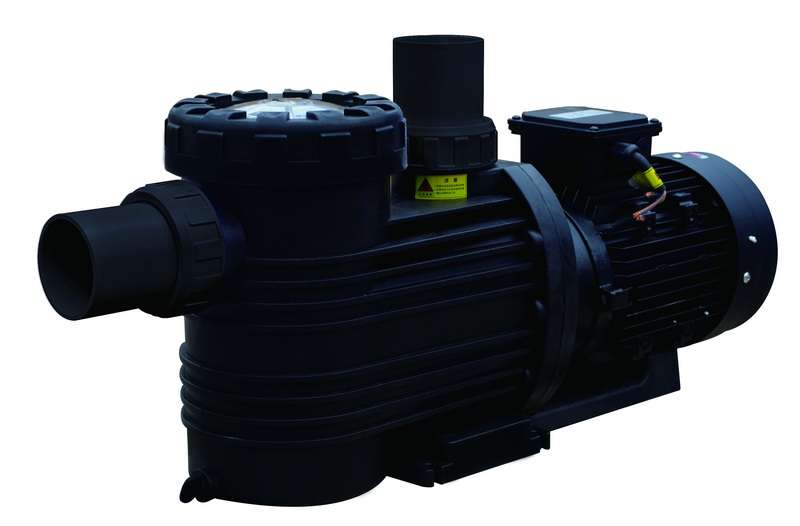
Several other elements affect pool pump energy costs:
- Filtration cycle duration: Reducing run time while maintaining water quality lowers expenses.
- Pool heating: Heated pools raise energy use substantially.
- Pool covers: Prevent evaporation and heat loss, reducing pump and heater workload.
- Maintenance: Clean filters and unobstructed circulation optimize pump efficiency.
- Electricity tariffs: Time-of-use or controlled load tariffs can reduce off-peak costs.
Use this simple formula:
Cost=Watts×Hours Run Per Day×Days Per Month×Electricity Rate (per kWh)/1000
Example:
- Pump wattage = 2000 W
- Hours per day = 8
- Days per month = 30
- Electricity rate = $0.16 per kWh
Calculation:
2000×8×30×0.16/1000=76.8 USD per month
Running a pool pump can represent a significant portion of household electricity expenses for pool owners. Costs vary widely depending on pump type, pool size, run time, and local electricity rates. Switching to a variable speed pump offers substantial savings by reducing power consumption by up to 80%. Pool owners should also consider optimizing filtration time, maintaining equipment, and exploring energy-efficient solutions such as solar-powered pumps or controlled load tariffs to minimize costs.
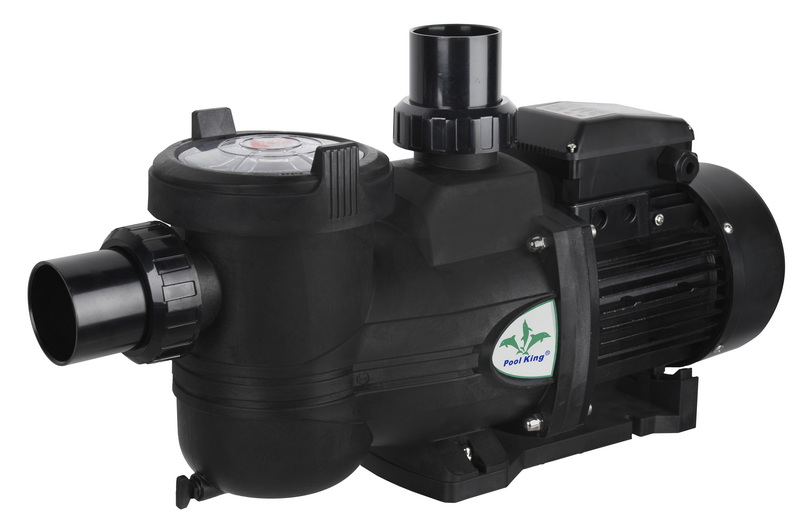
Typically, 6 to 8 hours per day is recommended to adequately circulate and filter the pool water, depending on pool size and usage.
Yes, if your electricity plan has off-peak rates or controlled load tariffs, running the pump during these times can lower costs.
Absolutely. Though more expensive upfront, they consume far less electricity, pay for themselves in energy savings within a few years, and often last longer.
Larger pools require higher flow rates and more powerful pumps, leading to increased energy consumption and costs.
Regular cleaning of pool filters and skimmers, ensuring free-flowing water circulation, and timely pump servicing help maintain energy efficiency.
[1](https://www.canstarblue.com.au/home-garden/pool-pump-running-costs/)
[2](https://electricityplans.com/variable-speed-pool-pump-vs-standard-pool-pump/)
[3](https://www.jackery.com/blogs/knowledge/how-much-it-costs-to-run-a-pool-pump)
[4](https://hayward.com/tools/energy-calculator)
[5](https://www.pentair.com/en-us/pool-spa/education-support/homeowner-support/calculators/pool-pump-savings-calculator.html)
[6](https://www.agwayenergy.com/blog/how-much-electricity-does-a-pool-pump-use/)
[7](https://www.energybot.com/energy-usage/pool-pump.html)
[8](https://www.astralpool.com.au/support/pump-calculator)
[9](https://www.aquagem.com/news/how-much-energy-does-a-pool-pump-use)
[10](https://www.reddit.com/r/pools/comments/wel0ek/cost_to_run_pool/)
[11](https://www.endeavourenergy.com.au/your-energy/how-to-save-energy/how-to-save-energy-around-the-home/pool-pump)
[12](https://www.powerwizard.com/blog/how-much-electricity-does-a-pool-pump-use/)
[13](https://www.angi.com/articles/cost-to-run-pool-pump.htm)
[14](https://calculator.energyrating.gov.au/PoolPumpDetails.aspx)
[15](https://www.misa.com.tr/en/blog/content/pool-pump-power-consumption-26)
[16](https://www.directpoolsupplies.com.au/blogs/pool-general/pool-running-costs)
[17](https://www.gridhacker.com/electricity-usage-calculator/pool-pump)
[18](https://www.reddit.com/r/swimmingpools/comments/1bhciz1/watts_used_by_regular_pool_pump_versus_variable/)
[19](https://intheswim.com/blog/costs-of-running-a-pool-pump.html)
[20](https://www.jandy.com/en/pool-pump-savings)


