
Views: 222 Author: Tina Publish Time: 2025-12-18 Origin: Site


Content Menu
● Average Cost of a New Pool Pump in 2025
● Cost Differences: Above‑Ground vs In‑Ground Pumps
● Key Factors That Affect New Pump Cost
● Example Price Ranges by Pool Size
● Installation Cost vs Pump Cost
● Ongoing Energy Costs and Long‑Term Savings
● When to Replace Your Pool Pump Instead of Repairing
● How OEM and Bulk Purchasing Reduce Pump Cost
● FAQs About New Pool Pump Cost
>> 1. How much does a basic pool pump cost without installation?
>> 2. How much should I budget for a full pump replacement including labor?
>> 3. Are variable‑speed pool pumps worth the higher price?
>> 4. Why are in‑ground pool pumps more expensive than above‑ground pumps?
>> 5. Can OEM sourcing reduce the cost of new pool pumps for brands and wholesalers?
>> 6. How do energy costs influence the real price of a new pump?
A new pool pump typically costs between 200 and 1,200 USD for the pump alone and around 300 to 1,600 USD including professional installation for most residential pools in 2025. High‑end variable speed or commercial pumps with complex installations can push the total project cost above 2,000 USD.[1][2][3][4]
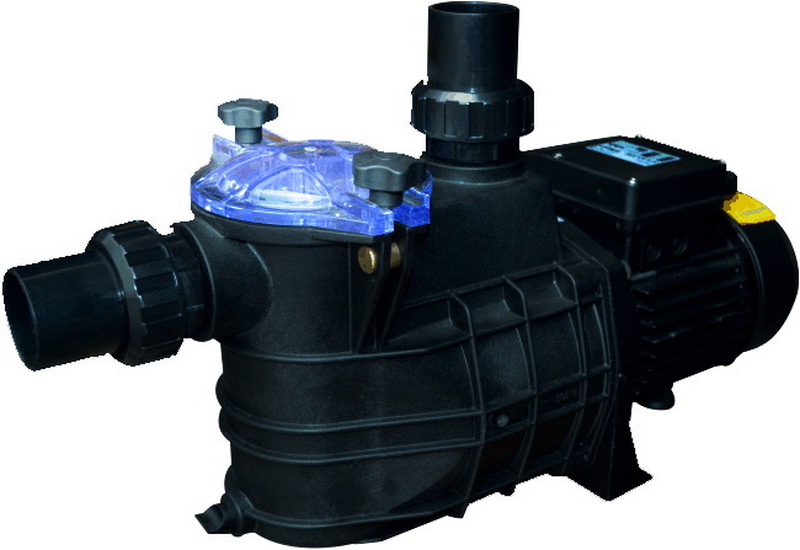
A pool pump is the “heart” of a swimming pool system, pulling water from the pool, pushing it through the filter, and returning clean water back to the pool. Clean, circulating water protects swimmers' health and prevents algae, cloudiness, and equipment damage. Reliable pumps work together with sand filters, cartridge filters, or DE filters, plus optional LED lighting and accessories, to deliver a complete pool solution for homeowners and commercial facilities.
Most homeowners pay between 200 and 1,200 USD for a new pool pump, depending on size, brand, speed type, and performance level. When professional installation is included, the total budget commonly falls between 300 and 1,600 USD, with many projects landing close to 1,000–1,300 USD.[2][3][4][1]
For basic above‑ground pools, smaller pumps can cost as little as 150–400 USD for the unit and 300–700 USD installed, while larger or in‑ground systems with variable speed pumps can reach 1,200–2,000+ USD installed. In premium markets or complex jobs that require new plumbing or rewiring, full replacement can reach 2,300–4,000 USD, especially for oversized or commercial‑grade installations.[3][5][4][1][2]
Above‑ground pool pumps are usually smaller, run at lower head pressure, and sit below the water level, so they need less power and are cheaper to buy and install. Typical above‑ground pumps cost around 150–400 USD for the unit and 300–700 USD installed. In‑ground pumps handle higher flow and head, and self‑priming models that sit above water level often cost 400–2,000 USD installed, depending on horsepower and features.[1][3][5]
Small residential in‑ground pools may only need a 0.75–1.0 HP pump in the 300–800 USD range (pump plus basic installation), while large pools over 40,000 gallons commonly require 2.0 HP or higher pumps costing 900–1,600 USD for the pump and 1,000–2,000 USD installed. For hotels, resorts, and water parks, high‑performance or commercial pumps can easily exceed 3,000 USD for the pump and 5,000 USD or more for the complete installed system.[3][5][1]
Several technical and practical factors explain why one homeowner pays 500 USD for a new pump while another pays 2,000 USD or more.
- Pump type and speed: Single‑speed pumps have the lowest purchase price but the highest long‑term electricity cost, while variable‑speed pumps cost more initially but can cut energy use by up to 90 percent.[2][3]
- Horsepower and pool size: Larger pools and complex plumbing need higher horsepower pumps, which cost more to buy and wire; for example, moving from a 0.5 HP to a 2.0 HP variable speed model can more than double the pump price.[5][1]
- Brand and quality level: Premium brands with advanced controls, smart connectivity, and extended warranties typically cost more than basic entry‑level models from budget brands.[6][4][2]
- Installation complexity: Simple like‑for‑like replacement may only add 100–200 USD in labor, but changing horsepower, voltage, or plumbing layout can raise labor costs to 300–500 USD or more.[2][5]
- Region and labor rates: Areas with high labor rates or strict permitting regulations often see installed costs at the upper end of the range, such as 1,000–2,300 USD for a premium variable‑speed pump.[4][2]
For global brands, wholesalers, and OEM buyers who source pumps and filters directly from Chinese factories, volume purchasing, shared tooling, and standardized designs can significantly lower per‑unit pump cost, even when specifying high‑efficiency motors and integrated filtration systems.
While each project needs a proper hydraulic calculation, common pool size ranges can be paired with typical pump horsepower and budget brackets.
- 15,000–20,000 gallon pools usually run 0.5–1.0 HP pumps, costing around 250–800 USD for the pump and 350–1,200 USD installed.[1][5]
- 25,000–30,000 gallon pools often use 1.0–1.5 HP pumps, with pump cost around 300–1,000 USD and total installed cost 400–1,400 USD.[5][1]
- 40,000+ gallon pools commonly need 2.0–3.0 HP pumps, with pump prices in the 900–2,200 USD range and total projects often landing between 1,000 and 2,000+ USD, depending on pump type and efficiency.[1][5]
For commercial facilities or high‑flow specialty applications, it is common to see multi‑pump systems with combined hardware budgets in the tens of thousands of dollars, especially when paired with large sand filter batteries, DE systems, or advanced automation controls.[3]
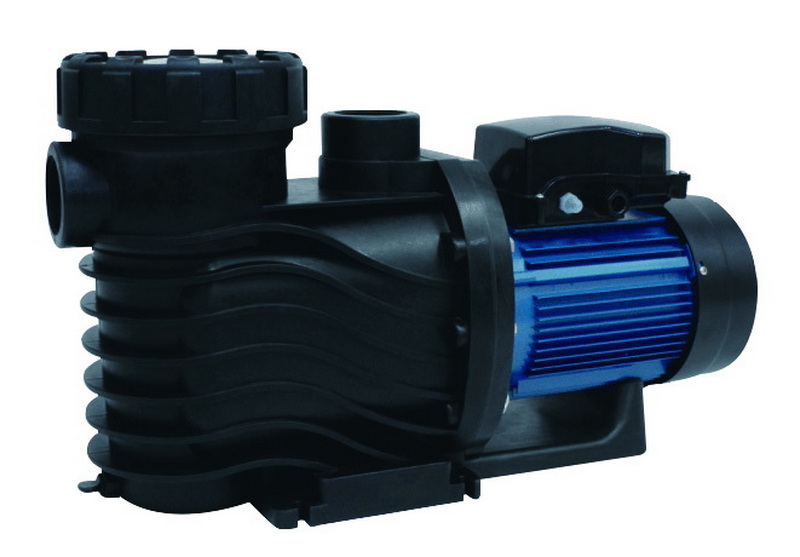
When planning a new pump, it is important to separate the pump price from the installation cost.
- Pump cost: Expect about 200–1,200 USD for a typical residential pump, with single‑speed models at the low end and variable‑speed units at the high end.[3][1]
- Labor cost: Professional installation usually costs between 100 and 400 USD for a straightforward swap, with some cost calculators showing average total replace‑and‑install budgets of 820–1,002 USD per pump in 2025.[7][2][5]
- Total replacement cost: Combining both, most homeowners see 300–1,600 USD as a realistic range, with mid‑market variable‑speed installations often around 1,000–1,300 USD.[4][2][1]
If the installer must upgrade wiring, add new breakers, change voltage, extend pad concrete, or re‑plumb multiple lines, the labor cost can increase substantially. In those cases, some pool owners choose to coordinate upgrades of other equipment—such as filters, LED pool lights, and control panels—at the same time to spread labor cost across multiple improvements.[2][5]
The purchase price of a new pump is only one part of ownership cost; electricity often costs more than the pump itself over a 5–10 year life. Single‑speed pumps can cost 75–150 USD per month to run, while dual‑speed pumps may cost only 30–50 USD per month under similar usage. Variable‑speed pumps go further, cutting energy use dramatically and often delivering the lowest lifetime cost despite higher upfront pricing.[8][2][5]
Because of these savings, many pool owners and commercial operators choose an Energy Star‑rated variable‑speed pump even when the initial unit price is 800–1,500 USD and installed cost 1,200–2,000+ USD. For OEM buyers and international brands, specifying efficient, intelligently controlled pumps and pairing them with properly sized sand, cartridge, or DE filters improves both marketing value and real‑world operating cost for end customers.[3][5]
It is not always necessary to buy a brand‑new pump; sometimes a motor or seal replacement is enough. However, replacement makes more sense when:
- The pump is over 8–10 years old, has frequent leaks, or suffers from repeated electrical or bearing failures.
- You face a major repair cost that is close to half the price of a new, more efficient pump, especially if energy savings from a variable‑speed model will quickly pay back the difference.[4][2]
Many pool professionals recommend upgrading to a new variable‑speed model rather than investing heavily in an old single‑speed pump, particularly in regions where energy costs are high or regulations favor efficient equipment. OEM buyers and brands can design product lines that encourage this upgrade by bundling pumps with advanced filtration systems and modern LED lighting in complete packages.[2][5]
For foreign brands, wholesalers, and manufacturers, working directly with a professional Chinese factory that produces sand filters, DE filters, cartridge filters, pumps, LED lights, and accessories can significantly reduce the cost of each new pump. By customizing voltage, horsepower, connection sizes, control interfaces, and packaging, OEM partners can match local market standards while benefiting from scale and consistent quality control.
Bulk orders allow brands to standardize on a family of pumps—single‑speed, dual‑speed, and variable‑speed—integrated with matching filtration systems and accessories, reducing logistics and after‑sales complexity. Over time, this approach supports stronger branding, better inventory management, and a more competitive final price for homeowners and commercial projects in global markets.
A new pool pump usually costs between 200 and 1,200 USD for the unit and 300–1,600 USD including professional installation for typical residential pools in 2025, with higher ranges for premium variable‑speed or commercial models. The right choice depends on your pool size, desired efficiency level, local electricity costs, and whether you prioritize low upfront price or long‑term savings, and for brands, wholesalers, and OEM buyers, partnering with a specialized pool equipment factory makes it possible to deliver high‑performance, energy‑efficient pumps and filtration systems at very competitive pricing.[8][5][4][1][2][3]
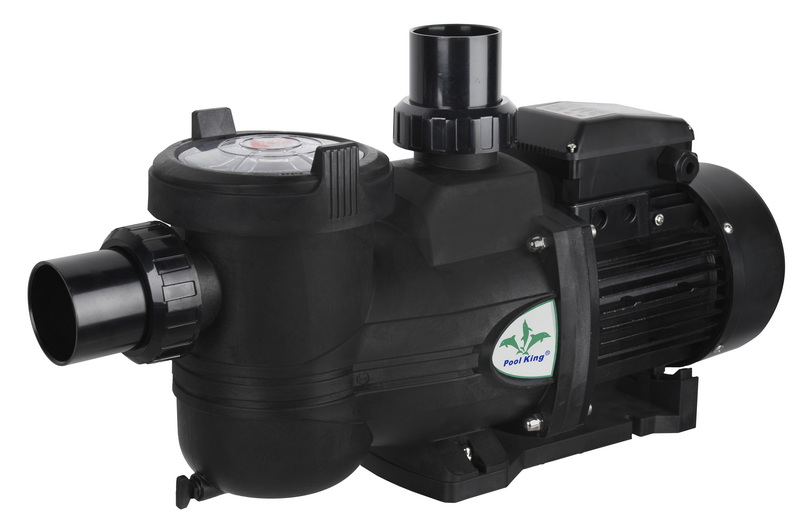
A basic residential pool pump generally costs 200–1,200 USD for the unit alone, with single‑speed pumps at the bottom of the range and variable‑speed pumps at the top. Above‑ground units can be as low as 150–400 USD for smaller pools.[1][3]
Most homeowners should budget 300–1,600 USD for a complete replacement, including removing the old pump, installing the new one, and basic plumbing and wiring connections. Cost calculators typically show average per‑pump replacement costs around 820–1,002 USD in 2025.[7][5][4][2][1]
Variable‑speed pumps usually cost 800–1,500 USD for the pump and 1,200–2,000+ USD installed, which is more than single‑speed models. However, they can reduce energy consumption dramatically, often cutting operating costs enough to pay back the price difference within two or three seasons.[8][5][2][3][1]
In‑ground pumps are self‑priming, designed for higher head pressure, and typically have larger motors, which increases both pump cost and installation complexity. Above‑ground pumps are smaller, sit below the water level, and require simpler plumbing, which leads to lower equipment and installation costs.[5][3][1]
Yes, foreign brands, wholesalers, and manufacturers that source pumps, sand filters, DE filters, cartridge filters, LED lights, and accessories directly from a specialized Chinese factory can significantly reduce per‑unit costs while maintaining quality. OEM cooperation also enables custom branding, packaging, and specifications, helping partners compete more effectively in their local markets.
Even if a single‑speed pump is cheaper to buy, it may cost 75–150 USD per month to operate, while more efficient pumps can cost less than half of that, depending on usage and electricity rates. Over several years, the extra energy cost can exceed the purchase price difference, making high‑efficiency or variable‑speed pumps the better long‑term value.[8][2][5]
[1](https://homeguide.com/costs/pool-pump-cost)
[2](https://blogs.aiper.com/us/pool-pump-costs-analysis-2025/)
[3](https://www.waterlinecontrols.com/how-much-is-a-pool-pump/)
[4](https://waterlevelcontrols.com/pool-pump-replacement-costs-2025/)
[5](https://homegnome.com/blog/cost/pool-pump-installation-price/)
[6](https://lesliespool.com/blog/best-variable-speed-pool-pumps.html)
[7](https://www.homewyse.com/services/cost_to_replace_pool_pump.html)
[8](https://homeguide.com/costs/how-much-does-it-cost-to-run-a-pool-pump)
[9](https://www.angi.com/articles/pool-pump-cost.htm)
[10](https://www.homeadvisor.com/cost/swimming-pools-hot-tubs-and-saunas/install-replace-pool-pump/)
[11](https://www.homedepot.com/b/Outdoors-Pool-Supplies-Pool-Equipment-Pool-Pumps/Above-Ground/N-5yc1vZcfybZ1z1a66e)
[12](https://www.homedepot.com/b/Outdoors-Pool-Supplies-Pool-Equipment-Pool-Pumps/Variable-Speed/N-5yc1vZcfybZ1z1a60w)
[13](https://www.doheny.com/pool-supplies/above-ground/equipment/pumps)
[14](https://aquapoolsupply.com/collections/variable-speed-pool-pumps)
[15](https://www.poolsupplies.com/shop/above-ground-pool-pumps)
[16](https://lesliespool.com/variable-speed-pumps/)
[17](https://lesliespool.com/above-ground-pool-pumps/)
[18](https://transparentpoolservicefl.com/pool-pump-replacement-cost/)
[19](https://www.eztestpools.com/variable-speed-pumps/)
[20](https://www.thepoolfactory.com/collections/pool-pumps)


