
Views: 222 Author: Tina Publish Time: 2025-10-05 Origin: Site


Content Menu
● How Much Diatomaceous Earth Should You Add?
>> Why Getting the Amount Right Matters
● DE Powder Application: Step-by-Step Guide
>> 2. Measuring the Right Amount
● When to Add or Replace DE Powder
● Troubleshooting: Common Issues
● OEM Pool Filter Manufacturing In China
● Maintenance and Best Practices for DE Filters
● Frequently Asked Questions (FAQs)
>> 1. How do I know my pool filter's square footage?
>> 2. What happens if I add too much DE powder?
>> 3. Is diatomaceous earth safe for all pool types?
>> 4. Can I reuse DE powder after backwashing?
>> 5. What alternatives exist for DE powder?
Maintaining pristine, crystal-clear pool water often comes down to the effectiveness of the filtration system. For many pool owners and commercial operators, the diatomaceous earth (DE) filter is the gold standard for capturing the smallest contaminants, ensuring sparkling clean water. But to maximize a DE filter's efficiency, it's crucial to apply the right amount of DE powder. This extensive guide explains how much diatomaceous earth should be used for a pool filter, provides step-by-step instructions, and includes visuals and videos to make the process crystal clear.[3][1]
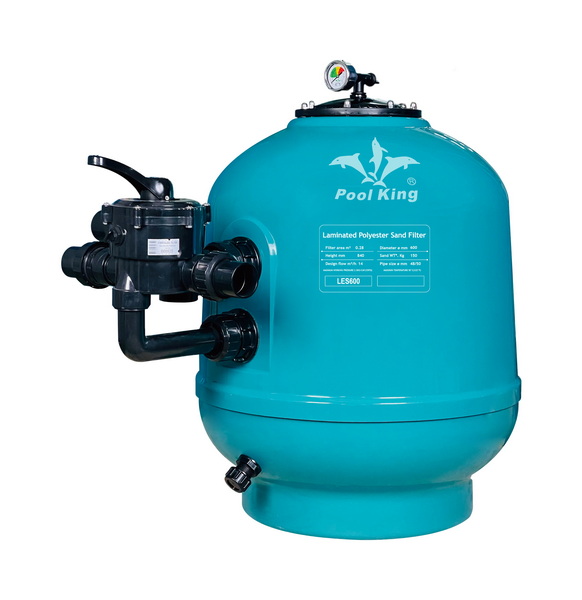
Diatomaceous earth is a naturally occurring powder made from the fossilized remains of diatoms, microscopic algae with hard shells. In pool filtration, DE powder is applied onto filter grids, where it forms a permeable layer to trap fine particles as small as 3–5 microns—far smaller than sand or cartridge filters can handle.[2][5]
- Microscopic Filtration: Filters particles down to 3–5 microns.[5]
- Composition: Siliceous rock reduced to powder, provides high filtration efficiency.[6][5]
A DE filter pushes pool water through grids or fingers coated with diatomaceous earth powder. The powder traps contaminants, letting only clean water return to the pool. Over time, the powder and debris accumulate on the grids, requiring removal and replacement (usually through a process known as backwashing).[7][6]
- Typical Components: Tank, grids or fingers, multiport valve, pressure gauge, and relief valve.[8][6]
- Cleaning Cycle: When pressure rises by 8–10 PSI, it's time to backwash and add fresh DE.[6]
The general rule is: 1 pound (about 0.45 kg) of DE for every 10 square feet (about 0.93 m²) of filter area.[1][2][3]
- 24 sq. ft. filter = 2.4 lbs DE
- 36 sq. ft. filter = 3.6 lbs DE
- 48 sq. ft. filter = 4.8 lbs DE
- 60 sq. ft. filter = 6 lbs DE
| Filter Area (sq. ft.) | DE Powder Required (lbs) |
|---|---|
| 24 | 2.4 |
| 36 | 3.6 |
| 48 | 4.8 |
| 60 | 6.0 |
- Too little DE: Filter grids are exposed, unable to trap fine particles, leading to cloudy water and potential grid damage.[2][6]
- Too much DE: Can cause rapid pressure increases, reduced flow, and backwashing frequency.
Tip: Use a calibrated scoop (usually 1/4 lb per scoop); weighing the DE is even more accurate.[1]
- Backwash or clean the filter thoroughly to remove old DE and debris.
- Turn off the pump and relieve system pressure by opening the relief valve.[8][6]
- Wear protective gear (mask, gloves) to avoid inhaling DE powder.[6]
- Use the filter's label or manual to find its square footage.
- Measure out 1 lb of DE per 10 sq. ft.; for example, a 48 sq. ft. filter needs 4.8 lbs.[2][1]
- Mix the DE powder with water in a clean bucket to form a slurry. This ensures even distribution and reduces dust.
- Turn on the filter pump.
- Pour the DE slurry slowly into the pool's skimmer while it is running. The DE will be drawn into the filter and coat the grids.
- Watch the pool's return for a few minutes to ensure no DE is returning to the pool (a sign of internal leaks or misapplied powder).
- Note the filter pressure and monitor it. If it rises quickly, too much DE may have been added, or the grids might need cleaning.
- Never inhale diatomaceous earth; it can irritate lungs and cause health problems.[6]
- Keep DE powder away from children and pets.
- Store in a dry, sealed container.
- Wear protective equipment during application.
Alternative: Cellulose fiber is a biodegradable, non-toxic substitute for DE in some jurisdictions.[5]
- After each backwash: Old DE is expelled with debris; new powder must be added.[3][6]
- Full cleanings: At least 1-2 times per year, completely disassemble and clean the filter grids, replacing with fresh DE.[3]
- After partial cleanings: If only partially cleaned, add a reduced amount of DE consistent with lost powder.
- DE coming back into pool: Possible torn grids or manifold, or a missing internal o-ring—inspect and replace parts as needed.[4]
- Pressure spikes after adding DE: Indicates too much powder, or clogged grids. Backwash or reduce dosage.[2][3]
- Cloudy water: Too little DE or internal bypass—verify dosage and inspect filter internals.[2]
Chinese factories leverage advanced automated machinery to manufacture top-grade DE, sand, and cartridge filters for the global market. These OEM services include custom branding, tailored performance specs, and bulk packaging for brands, wholesalers, and distributors abroad.[10][11][12][13]
- Advanced Automation: Ensures consistency and high quality.
- OEM/ODM Services: For international private label requirements.
- Accessory Offerings: Matching DE filters, sand/cartridge filters, pumps, LED lights, and more.
- Regulatory Compliance: CE, NSF, and ROHS certifications for various global markets.
- Routine Backwashing: Keeps filters unclogged and working efficiently.
- Annual Cleanings: Remove and hose down filter grids, inspect for tears.
- Record Keeping: Monitor pressure readings before and after DE application to gauge filter condition.
- Professional Servicing: Schedule annual checks for commercial or high-use pools.
Diatomaceous earth (DE) filters deliver truly superior pool water clarity if used correctly. The rule of 1 lb of DE per 10 sq. ft. of filter area ensures the right coating for effective filtration. Always measure accurately, use protective gear, and follow all manufacturer recommendations to keep your pool clean, safe, and crystal clear.[3][1][2][6]
Filter labels or OEM manuals list the square footage. If missing, check the manufacturer's website or contact their support.[12][8]
Too much DE can clog grids, raise pressure quickly, hinder flow, and shorten filter lifespan. If this happens, backwash and add the correct amount.[3][2]
DE is suitable for most in-ground and large above-ground pools with DE filters, but not for standard sand or cartridge filters. Always confirm system compatibility.[5][6]
No. Backwashing expels both the used DE and accumulated dirt. Always replace with fresh DE powder after each backwash.[3]
Cellulose fiber and perlite are widely used, especially where DE powder disposal or handling is restricted—they offer similar filtration with improved biodegradability.[5]
[1](https://www.youtube.com/watch?v=90pnhM3nuFQ)
[2](https://cpoclass.com/how-much-de/)
[3](https://diy.inyopools.com/article/how-much-de-to-add/)
[4](https://www.youtube.com/watch?v=IYJG0AOJYko)
[5](https://lesliespool.com/blog/pool-filter-media-types-a-comparison-guide.html)
[6](https://alohadesertpools.com/step-by-step-guide-in-adding-de-powder-to-pool/)
[7](https://www.poolsupplyunlimited.com/how-to-add-de-powder-to-your-pool/blog/57)
[8](https://www.pentair.com/content/dam/extranet/nam/pentair-pool/residential/filters/quad-de/manual/quad-de-install-guide.pdf)
[9](https://www.youtube.com/watch?v=lz97RnlATi0)
[10](https://www.poolkingfilter.com/news/OEM-Pool-Filter-China.html)
[11](https://www.alibaba.com/showroom/china-swimming-pool-filter.html)
[12](https://www.cnfilter.net/pool-spa-filter-cartridges/da-grid-filters/)
[13](https://www.poolkingfilter.com/top-10-pool-filter-manufacturers-in-china.html)
[14](https://www.reddit.com/r/pools/comments/156qr79/how_do_you_know_how_much_de_to_add_after/)
[15](http://www.cryspool.com/sv/backwash-de-filter/)
[16](https://www.poolspaforum.com/forum/index.php?%2Ftopic%2F28600-3-pounds-of-de-equals-how-many-cups%2F)
[17](https://www.youtube.com/watch?v=rR27Oc03tkk)
[18](https://angelwyq.en.made-in-china.com/product/IaEUlMmLuGiN/China-Laswim-Diatomaceous-Earth-Filter-with-Factory-Price-Wl-De.html)
[19](https://intheswim.com/blog/changing-your-pool-filter-media.html)
[20](https://www.cloroxpool.com/blog/products/de-pool-filter-aid/)


