
Views: 222 Author: Tina Publish Time: 2025-10-23 Origin: Site


Content Menu
● Understanding Pool Pump Wattage
● Types of Pool Pumps and Wattages
● Calculating Electricity Usage of Pool Pumps
● Factors Affecting Pool Pump Wattage
● Energy-Efficient Pool Pump Technologies
● How to Choose the Right Pool Pump Wattage
● Detailed Comparison of Pool Pump Types
● Frequently Asked Questions (FAQs)
>> 1. How many watts does a typical pool pump consume?
>> 2. What is the wattage difference between single-speed and variable-speed pumps?
>> 3. How do I calculate my pool pump's electricity usage?
>> 4. Does a higher wattage mean better pool cleaning?
>> 5. What are the benefits of upgrading to a variable-speed pump?
Pool pumps are integral to maintaining clean and healthy swimming pools. Understanding how many watts a pool pump consumes is essential for managing energy costs, optimizing pump performance, and choosing the right equipment for your needs. This comprehensive guide will explain pool pump wattage, explore various pump types, provide energy usage calculations, discuss factors influencing wattage, and highlight the latest energy-efficient technologies.
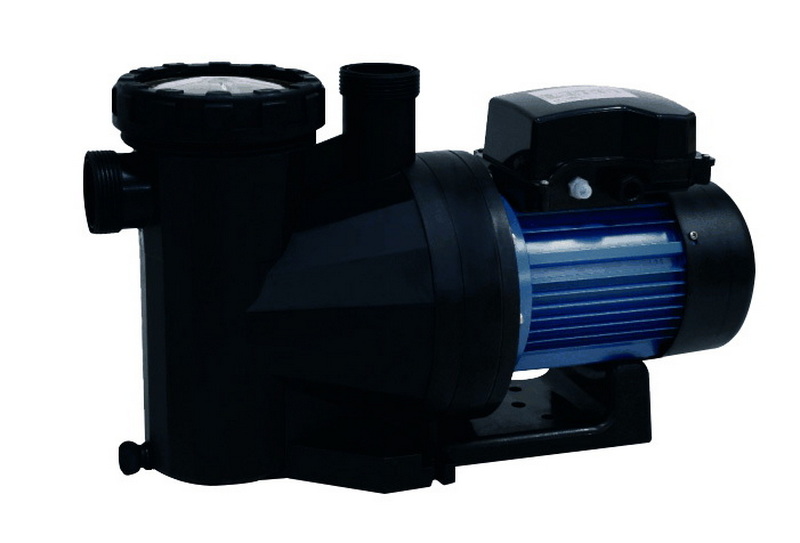
A pool pump works as the heart of your swimming pool circulation system, moving water through the filtration system to remove debris and keep your pool clean. It pulls water from the pool, passes it through filters (like sand filters, DE filters, or cartridge filters), and returns the clean water, helping maintain balanced water chemistry.
High-quality pumps ensure efficient water circulation, improve filtration, and preserve the longevity of your pool system components.
Wattage measures the electrical power a pool pump consumes, expressed in watts (W). Pool pumps range widely in wattage depending on size, type, and horsepower (HP). Typical wattages vary from about 750W for smaller pumps to upwards of 2,500W for powerful models.
Knowing the wattage helps estimate energy usage and operating costs — higher wattage means more energy consumption but potentially stronger water circulation.
Single-speed pumps run at a constant speed—typically drawing between 1,500 to 2,500 watts. They operate continuously at full power regardless of demand, resulting in higher energy consumption and electricity costs.
Pros:
- Lower upfront cost
- Simple operation
Cons:
- High energy use
- Loud operation
- Increasingly non-compliant with energy regulations
Many regions phase out single-speed pumps due to inefficiency.
Dual-speed pumps offer two speed settings—high and low. On high speed (similar wattage to single-speed), they offer full power when needed (such as vacuuming). On low speed, wattage drops notably, often consuming 500 to 1,000 watts, good for regular filtration.
Pros:
- More energy-efficient than single-speed
- Moderate upfront cost
- Flexibility between power needs
Cons:
- Only two speed settings limit customization
Variable-speed pumps can be adjusted at any speed between minimum and maximum, optimizing power use precisely for filtration needs. Wattage can range from as low as 300 watts at minimal speed up to about 2,500 watts at full power.
Pros:
- Highest energy savings (up to 80% less than single-speed)
- Quiet operation
- Long lifespan and advanced digital controls
Cons:
- Higher initial investment cost
Popular models like the Hayward TriStar® VS boast Energy Star ratings and advanced programmability.
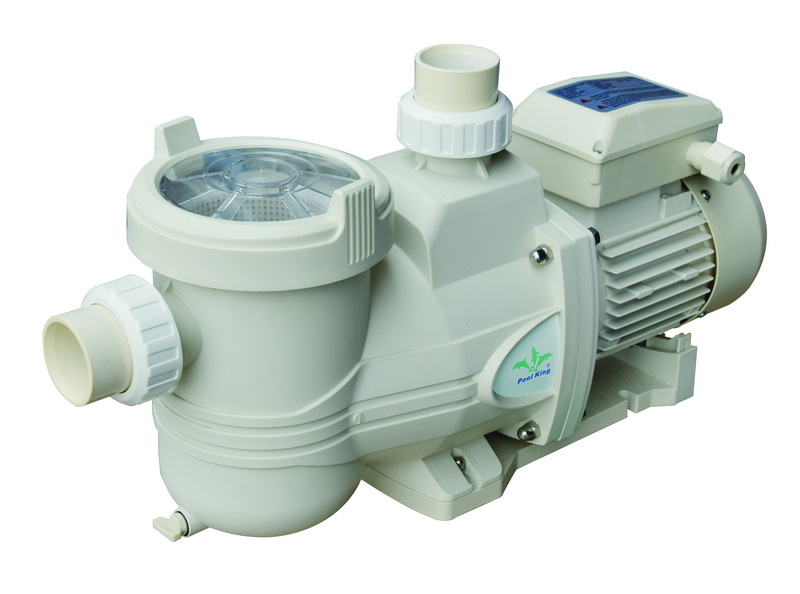
Calculating electricity consumption helps control costs. Use this formula:

Example 1: Single-speed pump at 2,000 W running 8 hours daily:

Example 2: Variable-speed pump at 300 W running 8 hours daily:

- Pool Size: Larger pools require higher wattage pumps to circulate a greater volume of water.
- Pump Horsepower: Generally, 1 HP equates to approximately 745 watts.
- Filter Type: Sand filters, DE filters, and cartridge filters vary in resistance, impacting pump workload.
- Daily Run Time: Longer operation means more energy consumption.
- Pump Technology: More efficient motors consume less power for the same performance.
Modern developments focus on reducing power use and improving efficiency:
- Variable-Speed Pumps: Adjust motor speed to meet demand, saving significant energy versus fixed-speed pumps.
- Energy Star Certifications: Ensures that pumps meet rigorous efficiency standards.
- Smart Controls: Programmable controls enable pumps to run only when needed, optimizing energy use.
These technologies help pool owners reduce energy bills and environmental impact significantly.
Selecting the proper pump wattage involves:
- Matching pump size to pool volume and filtration requirements
- Estimating daily run time and local electricity costs
- Prioritizing energy-efficient models, especially variable-speed pumps, for long-term savings
- Considering features such as programmable speeds, timers, and quiet operation
Consulting with pool professionals and manufacturers can ensure the best fit for your specific needs.
| Feature | Single-Speed | Dual-Speed | Variable-Speed |
|---|---|---|---|
| Wattage Range | 1,500 - 2,500 W | 500 - 2,500 W | 300 - 2,500 W |
| Speed Settings | One fixed speed | Two (high & low) | Fully adjustable |
| Energy Efficiency | Lowest | Moderate | Highest |
| Noise Level | Loud | Moderate | Quiet |
| Initial Cost | Lowest | Moderate | Highest |
| Operational Cost | Highest | Moderate | Lowest |
| Compliance with Energy Standards | Often non-compliant | Generally compliant | Energy Star certified |
| Lifespan | Shorter | Moderate | Longest |
Understanding how many watts a pool pump uses is crucial for managing energy consumption while maintaining a clean and efficiently circulating pool. From traditional single-speed pumps to highly efficient variable-speed models, choosing the right wattage and pump type tailored to your pool size and usage needs will optimize performance and reduce energy costs. Embracing modern energy-efficient technologies yields long-term savings and quieter, more reliable operation, making your pool experience enjoyable and cost-effective.
Typical single-speed pumps use 1,500 to 2,500 watts, while variable-speed pumps operate as low as 300 watts on lower settings.
Variable-speed pumps can use up to 80% less energy by adjusting speed and power according to demand.
Multiply the pump's wattage by daily run hours and days in a month, then divide by 1,000 to get kWh.
Not necessarily. Proper pump sizing is more important than raw wattage for effective filtration.
Lower energy bills, quieter operation, longer lifespan, and compliance with energy regulations.
[1](https://beaufortpoolcompany.com/pool-equipment/pool-pumps/)
[2](https://store.igarden.ai/blogs/news/single-vs-dual-vs-variable-speed-pool-pump)
[3](https://www.swimuniversity.com/variable-speed-pool-pumps/)
[4](https://georgiapoolcleaning.com/comparing-pool-pumps-for-efficiency/)
[5](https://www.pentair.com/content/dam/extranet/nam/pentair-pool/residential/pumps/pentair-pool-pump-family/literature/variable-speed-pumps-comparison-reference-guide/archive/variable-speed-pump-comparison-flyer-reference-guide.pdf)
[6](https://www.poolzoom.com/pool-equipment-how-to-guides/15-hp-vs-2-hp-pool-pump-which-one-is-right-for-your-pool.html)
[7](https://www.1stdirectpools.com/blog/post/swimming-pool-pump)
[8](https://poolarama.ca/how-to-pick-the-right-pool-pump/)
[9](https://poolsystem.pl/en/blog/pool-technology/overview-of-pool-pumps-what-types-are-there)


