
Views: 222 Author: Tina Publish Time: 2025-11-16 Origin: Site


Content Menu
● Key Factors Affecting Pump Runtime
● How to Calculate Exact Run Time
● Special Scenarios Requiring More Run Time
● Sand Filter Runtime Specifics
>> OEM and High-Efficiency Solutions
>> 1. What happens if I don't run my pool pump long enough?
>> 2. Can I run my pool pump too long?
>> 3. Does my pool need to be running 24/7?
>> 4. How do I know if my filter is working efficiently?
>> 5. Are variable speed pumps worth the investment?
>> 6. How does pool usage influence pump runtime?
>> 7. When is the best time of day to run a pool pump?
Running your pool pump for the right amount of time every day is crucial for maintaining clean, healthy swimming water and optimizing energy efficiency. This guide—packed with images, diagrams, and professional videos—will explain exactly how many hours you should run your pool pump, the factors influencing runtime, troubleshooting tips, and advanced energy-saving strategies.
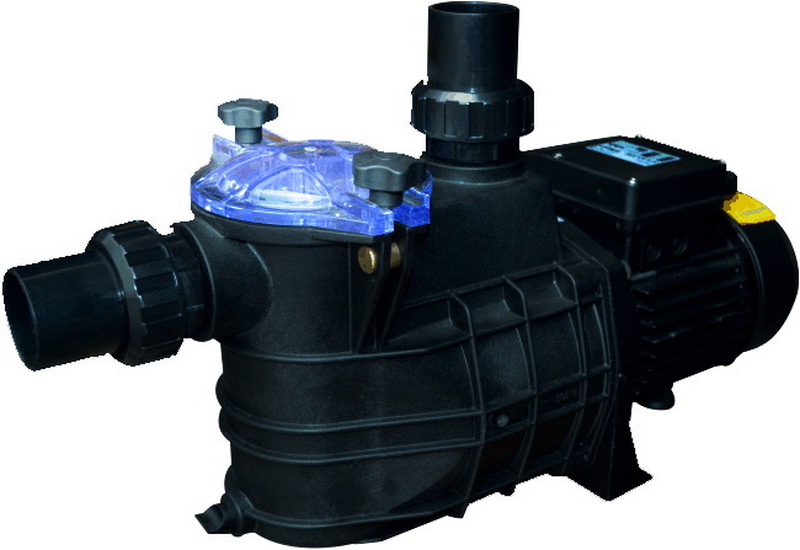
The pool pump is the “heart” of your pool's filtration system. It circulates water, pushes it through the filter to remove debris and contaminants, and distributes chemicals for balanced, sanitized water.
- Circulates pool water for even chemical distribution.
- Filters out dirt, leaves, algae, and microorganisms.
- Prevents water stagnation and algae blooms.
The recommended daily runtime isn't one-size-fits-all. Instead, it comes from these critical factors:
Larger pools require more water to be moved—and therefore a longer runtime—while smaller pools generally require less.
- Example: A 70,000-liter pool with a standard pump setup may only need 6 hours of runtime.[3]
This is how much water your pump moves per minute. An incorrectly sized pump will either leave water unfiltered (too small) or waste electricity (too large). Most home pool pumps range from 40–80 gallons per minute (gpm).
Your sand, DE (diatomaceous earth), or cartridge filter affects flow efficiency and cleanliness. Clogged filters raise pump pressure and reduce system efficiency.
High swimmer loads, storms, rain, or leaf debris require longer runtimes to maintain water clarity.
- After storms: Run pump longer to clear debris.
- After pool parties: Extend runtime for extra sanitization.[3]
Warmer water promotes algae growth, requiring more frequent circulation.
- Rule of thumb: 1 hour for every 10°F of air temperature.[4]
Calculating the proper runtime ensures single or double turnover (meaning all the water passes through the filter once or twice per day).
- Standard-sized home pools (correctly matched pump/filter): 6–8 hours per day.[5][6][3]
- Large residential pools or public/commercial pools: 8–12 hours per day or more.
- Spa pools: 1–2 hours per day.[7]
Running your pump during “off-peak” electricity times can save money. Contact your energy provider to determine the hours with the lowest rates.[6][5]
- Run after adding chemicals: Ensures proper mixing.
- Run at night after “shocking” the pool: Reduces chemical loss from sunlight.[6]
- Distribute run time: Split total hours between morning and evening if needed.
- Spring/Summer: Longer runtimes due to warmer temperatures and higher pool usage.
- Fall/Winter: Shorten runtime as water temperature drops and pool usage declines.
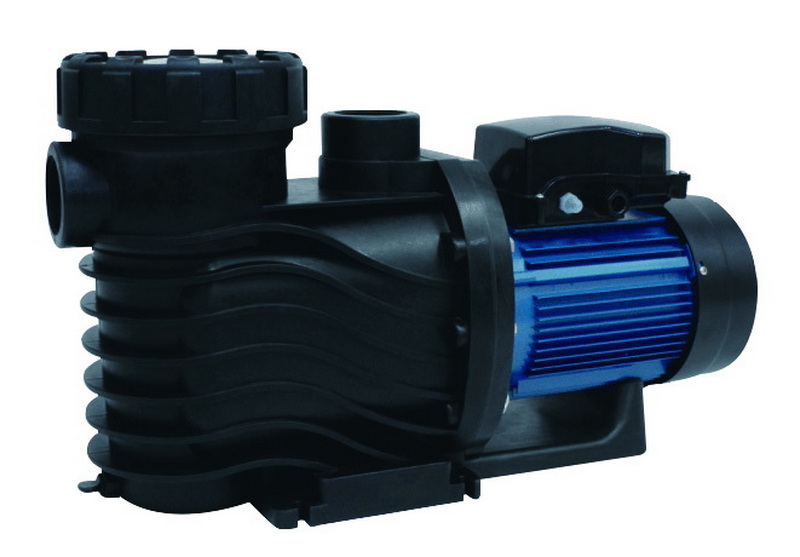
Sometimes you need to override the daily routine:
- Initial pool opening: Run 24 hours/day until clear and balanced.[9]
- After algae treatment: Continuous operation until the pool is clear.
- Heavy rainfall or debris event: Extra filtration to remove contaminants.
Sand filters are known for durability and require backwashing to remain effective. Recommended runtimes align with general guidelines, but highly efficient new sand filter systems (like those manufactured by top OEMs in China) may achieve full filtration in less time due to higher throughput.[10]
- Routine backwash: Once a week or as needed, depending on usage.
- Standard sand filter runtime: 4–8 hours a day, adjusted for pool size and load.[10]
Upgrading to an energy-efficient variable speed pump (“ECO pump”) allows you to run filtration for more hours at a lower speed, reducing electricity consumption while maintaining or exceeding single turnover.[3]
- Benefits: Lower electricity bills, quieter operation, longer equipment life.
- ROI: Payback within one year through savings on energy costs.
- Clean or backwash your filter frequently to maintain optimal flow.
- Use programmable timers to schedule runtimes automatically.
If you're sourcing filtration systems from a professional Chinese manufacturer, modern smart machines ensure consistent quality and system efficiency for both standard and custom-built pools. Top-tier OEM sand filters and pumps further optimize performance and savings for foreign brands, wholesalers, and manufacturers.
The number of hours to run a pool pump each day depends on your pool's size, pump flow rate, filter efficiency, and specific usage conditions. For most residential pools, 6–8 hours per day will ensure healthy, crystal-clear water as long as your equipment is sized appropriately and maintained. For maximum efficiency and savings, consider variable speed pumps and split run times during off-peak electricity hours. Invest in high-quality filtration solutions, such as advanced OEM sand filter systems, to further minimize maintenance and operational costs.
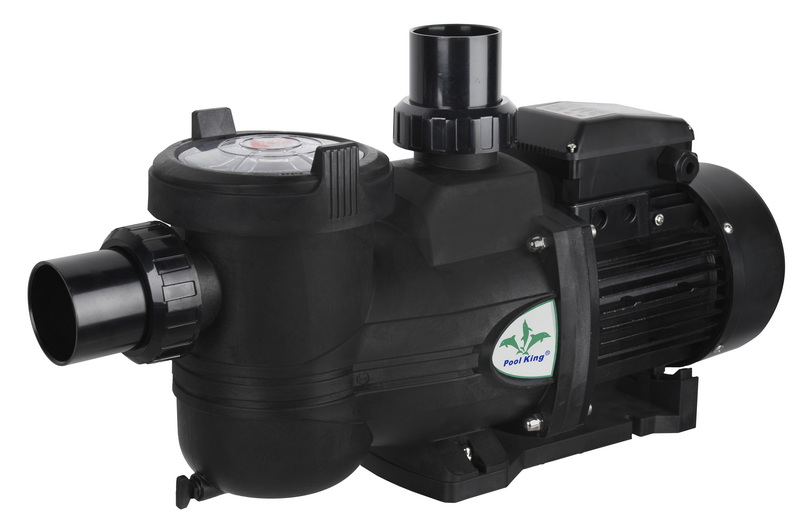
Water can become cloudy, bacteria and algae may thrive, and chemicals can become unevenly distributed. Insufficient turnover leads to poor swimming conditions and high maintenance costs.[5][6]
Yes. Running the pump longer than needed for complete turnover increases electricity bills without added benefits, and can cause unnecessary filter wear and pump fatigue.[3]
No—exceptions include when “opening” a pool at the start of the season, after heavy chemical treatment, or after major algae/contaminant events.[9]
Clear, sparkling water, stable chemical levels, and normal pressure gauge readings on the filter indicate proper operation. Rising pressure means the filter needs cleaning/backwashing.[9]
Absolutely. They deliver substantial energy savings, quieter operation, and longer equipment lifespan. Many pool owners see full payback within a year from reduced electricity costs.[3]
Heavy use (swimming parties or pets) increases organic matter and requires extended filtration cycles to maintain water clarity and safety.
During off-peak electricity rates, or after adding pool chemicals, and at night after shocking the pool for optimal chemical performance.[5][6]
[1](https://www.istockphoto.com/photos/pool-filtration)
[2](https://www.youtube.com/watch?v=ou61sf90M_M)
[3](https://mrpoolman.com.au/blogs/news/how-long-should-i-run-my-pool-pump-every-day)
[4](https://lesliespool.com/blog/how-to-calculate-pool-pump-run-time.html)
[5](https://www.swimmingpool.com/maintenance/pump&filter/how-long-to-run-pool-pump/)
[6](https://www.swimuniversity.com/run-pool-pump/)
[7](https://www.riverpoolsandspas.com/blog/how-long-to-run-pool-pump)
[8](https://www.youtube.com/watch?v=LvN8m1AsrHI)
[9](https://www.mtlakepool.com/2025/06/25/how-long-to-run-a-pool-pump-when-opening/)
[10](https://www.youtube.com/watch?v=S0-KKPjz9i8)
[11](https://stock.adobe.com/search?k=pool+filter)
[12](https://www.youtube.com/watch?v=u4ExnupI26o)
[13](https://www.facebook.com/groups/637529959937311/posts/2329339837422973/)
[14](https://www.youtube.com/watch?v=HR96dFvz_yU)
[15](https://www.reddit.com/r/pools/comments/pbcz27/how_long_should_i_run_my_pool_pump_each_day_i/)
[16](https://www.reddit.com/r/pools/comments/1dah4rg/does_anyone_else_run_their_pool_pump_247/)
[17](https://www.shutterstock.com/video/search/swimming-pool-filter)
[18](https://www.youtube.com/watch?v=VmXdio44FTY)
[19](https://forum.aquariumcoop.com/topic/39818-pool-sand-filter/)
[20](https://www.gettyimages.com/videos/pool-filter?family=creative)


