
Views: 222 Author: Tina Publish Time: 2025-11-30 Origin: Site


Content Menu
● What the rinse cycle actually does
● Typical rinse times for common filter types
● How long to rinse pool filter: step‑by‑step guide
>> 2. Follow the manufacturer's manual
>> 3. Adjust for filter size and plumbing
● How often to rinse after backwash
● What happens if you rinse too little or too long?
● How long to rinse pool filter after installing new sand
● How long to rinse pool filter for small or above‑ground systems
● How long to rinse pool filter on DE and cartridge systems
● Simple timing chart for how long to rinse pool filter
● FAQs about how long to rinse pool filter
>> 1. How long should I rinse my pool filter after backwashing?
>> 2. What happens if I skip the rinse cycle?
>> 3. Should I always use the same rinse time?
>> 4. How often should I backwash and rinse my sand filter?
>> 5. Do DE and cartridge filters need a rinse cycle too?
>> 6. How long to rinse pool filter after adding new sand?
For most pools, the correct answer to “how long to rinse pool filter” is around 15–60 seconds after every backwash, depending on your filter size, plumbing and how dirty the sand or media is. Rinsing in this range is usually enough to settle the filter bed and prevent dirty water or sand from blowing back into your swimming pool.[1][2][3][4][5][6][7]
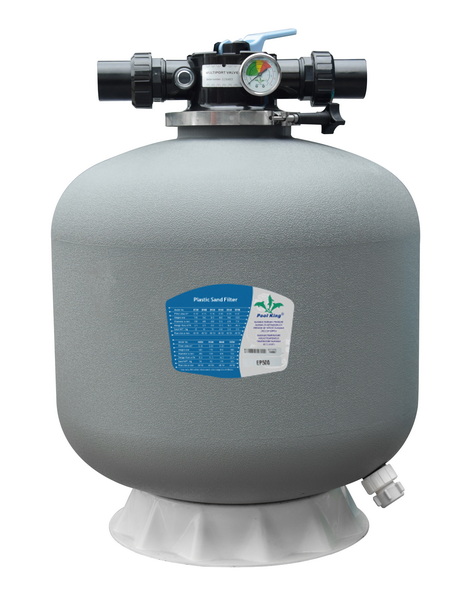
During backwash, the flow of water is reversed to lift and flush dirt from the sand or other media out to waste. After this, the “RINSE” setting sends water through the filter in the normal direction, but discharges it to waste instead of back to the pool.[4][5][6][7][1][3]
This rinse step has two key functions:
- It compacts and re‑settles the sand bed or other media after being loosened by backwashing.[5][1][3]
- It removes remaining fines and dust, so they do not return to the pool through the return lines.[8][7][3][4]
Manufacturers and service professionals give slightly different rinse times, but they fall in a similar range. You can use these guidelines as a starting point and then fine‑tune for your own installation.[2][6][1][3][4][5]
- Sand filter (standard multiport valve): commonly 15–30 seconds; some guides recommend up to 60 seconds, especially on larger or dirtier systems.[6][7][1][2][3][4][5]
- Sand filter after heavy backwash or very dirty pool: 30–60 seconds, and in some cases repeating a short backwash–rinse cycle more than once.[9][3][4][6]
- New sand installation: backwash for up to several minutes until clear, then rinse around 30–60 seconds (some techs suggest about 1 minute).[10][11]
- Small above‑ground or compact sand units: often one minute rinse after one minute backwash, repeated for several rounds to avoid sending debris back to the pool.[12][4]
Many pool professionals advise “rinse for at least 30 seconds” after every backwash to keep sand and debris out of the pool, then adjust time according to sight glass clarity.[1][3][4][6]
Most multiport valves include a small clear sight glass where you can observe water clarity during backwash and rinse. During rinse, run the pump until water in the sight glass goes from cloudy to clear, then add another 10–15 seconds before stopping. In many cases this totals around 20–45 seconds, but big or very dirty filters may need closer to 60 seconds.[13][3][4][6][1]
If your filter has no sight glass, you can either briefly observe the waste hose water or follow a timed guideline from the filter manual (e.g., 30 seconds).[3][6][1]
Each filter model is engineered for a particular flow rate and media volume, and manuals often specify backwash and rinse times. For example, some guides for standard residential sand filters recommend backwashing 1–2 minutes until clear and then rinsing 15–30 seconds. Other instructions for multiport valves suggest “RINSE 10–15 seconds” simply to clear internal passages.[7][13][2][5][6][1][3]
When the manual states a shorter time (such as 15–20 seconds), you can still extend to around 30 seconds if you suspect fine dust or have high bather loads, as long as water loss to waste is acceptable.[2][4][5][6]
Large commercial‑style filters and long, high‑friction plumbing runs can require more time for the sand bed to compact and fines to flush out. In practice, that often means rinsing near the upper end of the 30–60 second range. By contrast, small above‑ground systems may clear quickly and only need around 20–30 seconds per rinse cycle.[4][6][12][1][3]
If you routinely see sand or debris returning to the pool after backwashing, your rinse time is probably too short, or the internal laterals or valve may be damaged.[6][7][3][4]
Whenever you backwash a sand filter, always move the valve to “RINSE” before going back to “FILTER”. Skipping this step can send a plume of dirty or sandy water straight into the pool.[13][5][8][7][1][3][4]
For most residential pools:
- Backwash and rinse whenever the pressure gauge rises about 3–5 psi (≈0.2 bar) above the clean starting pressure, or roughly every 1–2 weeks under normal use.[1][13][3]
- Always include a rinse cycle after every backwash, even if it is only 20–30 seconds.[7][3][4][6][1]
For heavily used or dirty pools, such as after storms, construction dust or algae treatment, backwash and rinse more frequently and potentially for slightly longer times.[13][3][4]
Rinsing too briefly can leave the filter bed unsettled and loaded with dust that immediately returns to the pool. Symptoms often include:[5][8][3][4]
- Cloudy water from the return jets right after switching back to filter.[3][4][5]
- Sand particles appearing on pool floor near returns.[4][6][7]
Rinsing far longer than necessary wastes water and may also drop pool water levels faster than expected. However, an extra 15–30 seconds beyond the minimum clear‑water point is usually safe and gives a margin against fine dust returning.[6][1][13][3][4]
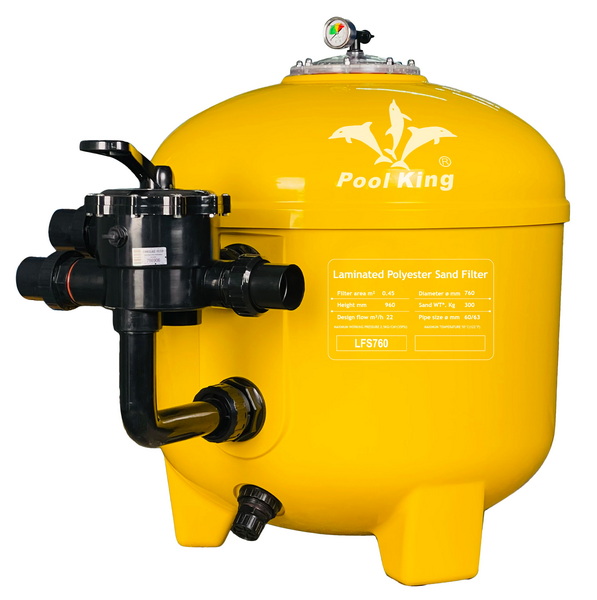
When installing new sand in a sand filter, the first backwash and rinse sequence is more intensive than during routine maintenance. Fresh sand contains fine dust that must be fully flushed to waste before you circulate water to the pool.[11][10][1]
A common approach is:
1. Fill the tank with the specified grade and quantity of pool filter sand.[1][3]
2. Start in “BACKWASH” and run for several minutes (up to around 5 minutes for some systems) until the waste water or sight glass is completely clear.[10][11][1]
3. Switch to “RINSE” and run for approximately 30–60 seconds, again ensuring the water is clear before returning the valve to “FILTER”.[11][10][1]
Skipping this extended initial backwash and rinse can send large amounts of sand dust directly into a brand‑new pool.[10][11][1]
Compact above‑ground sand filters often share the same backwash and rinse functions as inground models but with smaller tanks and lower flow. For these units, many pool care tutorials suggest short, repeated cycles such as:[12][4][6]
- Backwash for about 1 minute, then rinse for about 1 minute, repeating the cycle up to three times.[12][4]
This staged approach keeps debris from being forced through the small laterals and back into the pool. Owners should still aim for a minimum of around 30 seconds of rinse per cycle and confirm clarity if a sight glass is available.[4][6][12]
Many multiport valves for DE filters also include a “RINSE” setting, but it is typically less critical than on sand filters, because DE grids rely on coated fabric surfaces rather than a loose sand bed. Some guides mention a short 15–20 second rinse for DE if the valve design routes water to waste and helps clear any residual DE.[5][7]
Cartridge filters, on the other hand, usually do not have backwash and rinse functions; cleaning is done by removing the cartridges and hosing them off or soaking them in cleaner. For these filters, the concept of “how long to rinse pool filter” refers to how long you rinse the cartridges during cleaning, not a valve setting, and that depends on cartridge size and soil load.[3][1][4]
Use this as a quick reference for how long to rinse pool filter in different scenarios, always cross‑checking with your product manual:[7][13][5][6][1][3][4]
- Standard residential sand filter, normal backwash: 20–30 seconds, or until sight glass water is clear plus about 10 seconds.[5][7][1][3]
- Large or commercial sand filter, or very dirty pool: 30–60 seconds, watching clarity closely.[6][3][4]
- New sand installation: extended backwash to clear, then 30–60 seconds rinse.[11][10][1]
- Small above‑ground sand filter: around 30 seconds, often in multiple 1‑minute backwash / 1‑minute rinse cycles.[12][4]
- DE filter using multiport valve: optional short 15–20 second rinse if manufacturer recommends it.[7][5]
In most real‑world situations, the best answer to “how long to rinse pool filter” is at least 30 seconds after every backwash, or long enough for the water in the sight glass or waste line to run completely clear, with a typical range of 15–60 seconds depending on filter size and conditions. Using the correct rinse time protects your pool from cloudy water and stray sand, extends filter life, and minimizes wasted water, especially when combined with proper backwashing frequency based on pressure rise and bather load.[2][13][3][4][5][6][7][1]
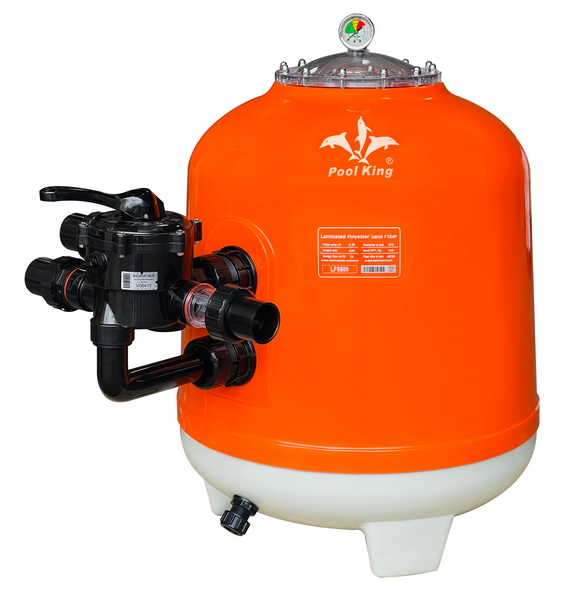
Most pool owners should rinse their sand filter for at least 30 seconds after backwashing, or until the sight glass water is clear plus a short safety margin. Typical recommendations from manuals and service guides range from about 15–60 seconds depending on filter size and flow rate.[2][3][4][5][6][7][1]
If you go directly from “BACKWASH” to “FILTER” without using “RINSE”, unsettled sand and dirty water can blow straight into the pool through the return lines. This often causes sudden cloudiness or piles of sand under the return jets and may require extra vacuuming and chemical adjustment.[8][3][4][5][7]
“How long to rinse pool filter” is a guideline, but you should adjust it based on what you see in the sight glass and how dirty the pool is. Very dirty filters, new sand, or large commercial filters may benefit from a longer 30–60 second rinse, while small, lightly loaded systems may clear in about 20–30 seconds.[11][3][4][6][1]
Most experts suggest backwashing and then rinsing when the filter pressure rises around 3–5 psi above the clean baseline, which is commonly every 1–2 weeks in a typical residential pool. Heavy use, storms, or algae problems may require more frequent backwashing and rinsing until the pool stabilizes.[13][3][4][1]
Some DE filters with multiport valves can use a short rinse setting (often about 15–20 seconds) after backwashing to flush valve passages, but many systems do not use “RINSE” at all. Cartridge filters are cleaned by removing and hosing off the elements and do not have backwash or valve‑based rinse cycles, so “how long to rinse pool filter” for these systems refers to how thoroughly you wash the cartridges during maintenance.[3][4][5][7][1]
After installing new sand, backwash until the waste water is completely clear, which can take several minutes, then rinse for around 30–60 seconds before returning to “FILTER”. This initial extended cycle flushes fine dust out of the media and prevents it from entering the pool on first startup.[10][11][1]
[1](https://www.pahlen.com/users-guide/cleaning-filter-sand/)
[2](https://www.metro-pool-service.com/multiport-valve-settings.html)
[3](https://centenarypoolmart.com.au/blog/backwash-sand-filter/)
[4](https://www.swimuniversity.com/backwash-sand-filter/)
[5](https://intheswim.com/blog/multiport-valve-settings-demystified.html)
[6](https://www.aquagem.com/news/how-to-use-multiport-valve-on-pool-filter)
[7](https://www.browningpools.com/blog/multiport-valve-101)
[8](https://www.facebook.com/groups/1407260559603442/posts/3544964569166353/)
[9](https://www.reddit.com/r/pools/comments/158d88f/im_an_idiot/)
[10](https://www.facebook.com/groups/637529959937311/posts/2694173944272892/)
[11](https://www.facebook.com/groups/637529959937311/posts/2225239297833028/)
[12](https://www.youtube.com/watch?v=HmYlGuX5o1k)
[13](https://mrpoolman.com.au/blogs/news/how-to-backwash-a-pool-sand-filter)
[14](https://beechmountpools.com/2025/05/13/multiport-valves-how-it-works-and-why-its-essential-for-your-pool-system/)
[15](https://www.youtube.com/watch?v=r8soaqt1Pn0)
[16](https://www.youtube.com/watch?v=IWwo4wgi7XI)
[17](https://www.reddit.com/r/pools/comments/1equkna/how_long_do_you_run_backwash_on_your_sand_filter/)
[18](https://www.facebook.com/groups/1407260559603442/posts/3722483884747753/)
[19](https://www.youtube.com/shorts/VGZ-C6mCivw)
[20](https://www.hornsbypoolcare.com.au/how-to-backwash-a-pool-sand-filter)


