
Views: 222 Author: Tina Publish Time: 2025-11-24 Origin: Site


Content Menu
● How Long to Keep Pool Pump Running
● What a Pool Pump Actually Does
● The Concept of Daily Water Turnover
● Typical Daily Pump Runtime Ranges
● Factors That Change How Long to Run the Pump
>> Season, Weather, and Sunlight
● Day vs. Night – When Is the Best Time to Run the Pump?
● Using Variable Speed and Smart Pumps for Maximum Efficiency
● Example Daily Pump Schedules
● Signs You Need to Run the Pump Longer
● How Filtration, Pumps, and Accessories Work Together
● Practical Tips for OEM Partners and End Users
● FAQ About How Long to Keep Pool Pump Running
>> 1. Is it okay to run a pool pump 24 hours a day?
>> 2. Can I split my pump runtime into several shorter periods?
>> 3. Do I need to run the pump every day?
>> 4. How does a variable speed pump change the ideal runtime?
>> 5. How do I know if my pump is not running long enough?
“How Long to Keep Pool Pump Running” is not a fixed number for every pool; most residential pools stay clean and safe when the pump runs long enough to turn over all the water at least once per day, typically around 6–12 hours depending on pool size, pump type, season, and water conditions. For customers using your high‑efficiency sand filter systems and smart pumps, longer low‑speed operation with intelligent scheduling can maximize water clarity while minimizing energy costs.
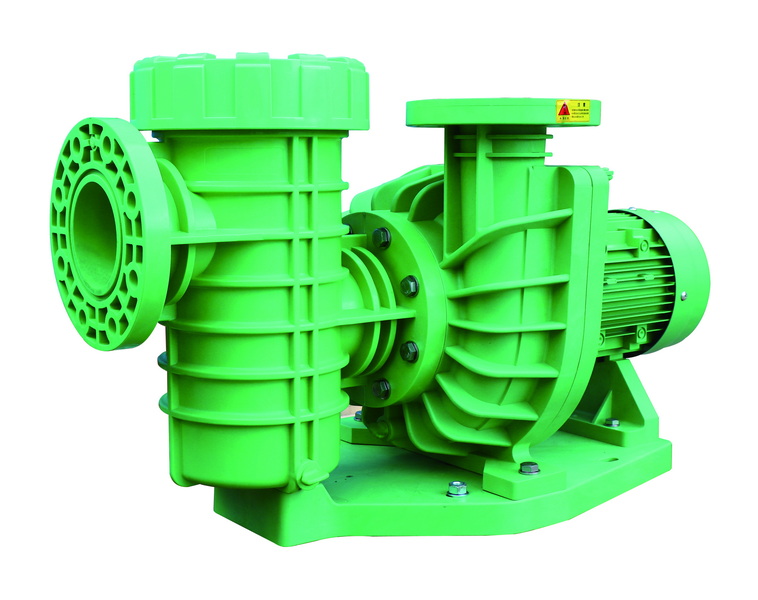
Running a pool pump the right way is about balance: enough circulation to keep water clear, but not so much that electricity costs explode. In your role as a professional supplier of sand filters, DE filters, cartridge filters, pumps, and LED pool lighting, giving clear guidance on pump runtime will help foreign OEM customers and end users get the best performance from your equipment.
A pool pump pulls water from the pool through the skimmer and main drain, pushes it through the filter media, and returns clean, filtered water back to the pool. During this process, debris is removed and chemicals such as chlorine or salt‑generated sanitizer are mixed evenly through the entire pool.
Good circulation has several key benefits:
- Reduces algae growth by continually moving and filtering the water.
- Keeps water clear and sparkling by trapping fine particles in the filter.
- Prevents “dead spots” where sanitizer becomes weak or uneven, especially around steps, corners, and ladders.
When customers understand that pump runtime is essentially “circulation time,” they can see why running too little or too much both create problems.
To answer “how long to keep a pool pump running,” first introduce the idea of water turnover. A “turnover” means that all water in the pool passes through the filtration system once. In most residential applications, at least one complete turnover every 24 hours is considered the minimum standard.
The math behind turnover is simple in concept:
- First, know the pool volume (for example, 40,000 liters or 20,000 gallons).
- Second, know the real‑world flow rate of the pump (for example, 10 m³/h or 40 gallons per minute).
- Turnover time equals pool volume divided by actual flow rate.
Once users calculate this, they know the minimum number of hours per day the pump must run to complete one full turnover. Your OEM clients can include a simple turnover chart in product manuals or on product pages to make this even easier.
Although every pool is unique, you can give clear guideline ranges based on common situations. These rules of thumb are easy for homeowners and commercial customers to remember:
- Standard in‑ground residential pool: often 8 hours of pump runtime per day is sufficient under normal conditions.
- Above‑ground pool: 6–8 hours per day is usually enough because volumes are smaller and plumbing is simpler.
- Heavy‑use pools or commercial pools: 10–12 hours (or more) during peak season, because there is more bather load, sunscreen, and debris.
- Variable speed pump systems: 10–24 hours at lower RPMs, allowing gentle but continuous filtration with high energy efficiency.
When promoting your sand filters and pumps, you can present these ranges alongside your recommended operation curves to show how your products support both clarity and cost‑saving.
There is no single perfect number that fits every customer. Several real‑world variables change the ideal runtime, and your article can explain them clearly to help users fine‑tune their schedule.
Larger pools naturally require more circulation time because there is simply more water to move and filter. A 60,000‑liter pool will always need more runtime than a 25,000‑liter pool if both pumps have similar flow rates. Complex shapes with many corners, tanning ledges, and steps may also require slightly longer runtime to avoid circulation “dead zones.”
A high‑flow single‑speed pump may push water quickly through the system but consume more energy, so the owner may choose a moderate runtime and rely on strong turnover. A smaller, energy‑efficient pump can run longer at low speed while still using less power overall, achieving excellent water clarity with lower monthly bills.
Your factory offers sand filters, DE filters, and cartridge filters, and each type behaves slightly differently:
- Sand filters: very robust and suitable for most residential and commercial pools; if media is clean and backwashed regularly, they provide stable filtration at standard runtimes.
- DE filters: provide very fine filtration; in many pools, they can maintain clarity with standard or slightly shorter runtimes, but require careful maintenance.
- Cartridge filters: work well at lower pressures and can be matched with variable speed pumps; runtime may be adjusted upward in high‑debris environments because they load with dirt faster.
If the filter is dirty or undersized, the pump may need to run longer to reach the same clarity, so regular maintenance is critical.
In hot summer months, especially in tropical or subtropical export markets, pool water warms up, algae grows faster, and swimmers use the pool more frequently. All of this means more pump runtime:
- Summer or hot climates: often 10–12 hours per day or more.
- Spring and autumn: typical 6–8 hours may be enough for covered or lightly used pools.
- Winter (unheated or closed pools): runtime can be greatly reduced, though freeze‑protection cycles may be necessary in cold regions.
Strong sunlight also breaks down chlorine faster, so uncovered pools in full sun benefit from more circulation to keep sanitizer evenly distributed.
Pools with many users, children, parties, or frequent outdoor events accumulate more contaminants: sunscreen, body oils, hair, and makeup. Pools near trees collect extra leaves and pollen. In these conditions, the pump should run longer:
- Party days or heavy bather load: run the pump longer before and after the event.
- Storms or windy days: extend pump runtime to help remove fine dust and organic debris.
This is an excellent place in the article to mention that your sand filter tanks are designed for high flow and heavy‑duty use, making them ideal for hotels, resorts, and public pools.
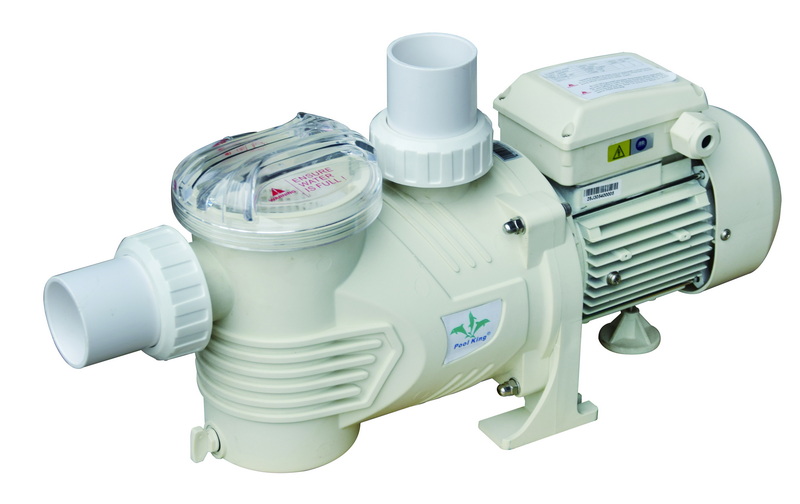
“Should I run my pump in the day or at night?” is a very common question from new pool owners. The truth is that both times have benefits, and the best schedule may be a combination of both.
Running the pump during the day has clear advantages:
- Sunlight destroys chlorine, so circulating water while the sun is strongest ensures fresh sanitizer constantly reaches the surface.
- Skimmers work more effectively when floating debris is present, which is usually during daytime when leaves and insects land on the water.
However, electricity prices in many countries are lower at night, and some utilities offer off‑peak rates. That is why many owners choose a split schedule: for example, 4–6 hours during the day and 4–6 hours at night, as long as the total runtime still achieves at least one full turnover.
For your smart OEM pumps and controls, you can recommend programmable timers that automatically run the pump during off‑peak hours while still scheduling some daytime circulation for surface skimming and sanitation.
As a factory using intelligent machines to build modern pool pumps and filters, you can highlight how variable speed and smart control technology changes the runtime conversation. Instead of asking, “How long should I run my pump?” owners can ask, “At what speed and schedule can I get the best balance of clarity and cost?”
Variable speed pumps allow:
- Long, slow circulation that filters water very efficiently with lower friction losses.
- Shorter “boost” periods at higher RPM to drive vacuum cleaners, waterfalls, and spa jets.
- Integration with smart controllers that automatically adjust runtime based on temperature, water chemistry sensors, or user schedules.
In many cases, homeowners find that running a variable speed pump for 12–24 hours at low speed uses less electricity than running a traditional single‑speed pump for 8 hours at full power. For your product line, you can provide suggested RPM and hour combinations in the manual, such as “2–3 hours at high speed plus 8–10 hours at low speed.”
To make your article more practical and SEO‑friendly, include a few example daily schedules for different customer types. Here are some typical scenarios you can present:
- Standard residential pool with single‑speed pump
- Morning: 4 hours of continuous runtime for skimming and chemical distribution.
- Late afternoon: 4 additional hours to handle afternoon debris and swimmer load.
- Energy‑conscious owner with variable speed pump
- Early morning: 2 hours at higher speed for vacuuming and skimming.
- Daytime: 4 hours at medium speed while people swim.
- Night: 6–10 hours at very low speed to maintain gentle filtration at off‑peak electricity rates.
- Commercial pool at a hotel or resort
- Nearly continuous operation during opening hours, with only short interruptions for maintenance.
- Extra filtration time during peak season and after periods of heavy use.
These examples show that the total daily runtime matters more than running everything in one single continuous block. Owners can break the schedule into multiple shorter sessions as long as the daily turnover target is met.
Your customers should not rely only on theory; they should also watch how the pool water behaves. Encourage readers to look for these signs that the pump is not running long enough:
- Water starts to look slightly cloudy or dull instead of clear and sparkling.
- Thin lines of algae or discoloration appear along tile lines, steps, or corners.
- Strong chlorine smell or eye irritation occurs, which often indicates poor circulation and combined chloramines rather than “too much chlorine.”
- Debris tends to accumulate in particular areas and is not pulled into the skimmer effectively.
If these symptoms appear, users can increase daily pump runtime in small steps, for example by 1–2 hours per day, until clarity returns. At the same time, they should check sanitizer levels, pH balance, and filter cleanliness to make sure the whole system is working together.
Because your factory supplies not only pumps and filters but also LED lights and accessories, you can position your business as a complete pool equipment solution provider. Proper pump runtime supports:
- Efficient operation of sand filters, DE filters, and cartridges by maintaining a stable flow rate through the media.
- Better performance for automatic chemical feeders, salt chlorinators, and UV/ozone systems that require active water movement.
- Visual appeal when combined with LED lighting and water features, which often rely on pump pressure and flow.
Emphasize that OEM customers can source matched systems from your factory—pumps, tanks, multiport valves, and accessories—with performance curves designed to achieve ideal turnover times for a wide range of pool volumes.
Toward the end of the article, include a short, actionable list of tips that both foreign brand owners and homeowners can follow:
- Size the pump and filter correctly based on pool volume and pipe layout before worrying about runtime.
- Aim for at least one full water turnover per day; in hot or busy seasons, target 1.5–2 turnovers.
- Use timers or smart controllers to divide runtime between daytime and off‑peak hours.
- Adjust runtime seasonally and after heavy use or storms rather than keeping one fixed schedule all year.
- Keep filters, skimmer baskets, and pump strainer baskets clean so the designed flow rate is maintained.
By combining these simple practices with a high‑quality sand filter and pump from your factory, customers can keep water clean, safe, and attractive all year round.
How long to keep a pool pump running is not a single magic number; it is a strategy based on pool volume, pump flow rate, filtration type, season, and bather load. In general, most pools need at least one complete turnover per day, which commonly means 6–12 hours of runtime, and more during hot months or for heavily used pools. If the pump is energy‑efficient and variable speed, many owners run it longer at low speed to maintain excellent water quality with lower energy consumption. As a professional Chinese manufacturer of sand filters, DE filters, cartridge filters, pumps, LED lights, and accessories, you can help OEM customers worldwide by supplying properly sized circulation systems and clear runtime guidelines that keep their pools crystal clear while optimizing operating costs.
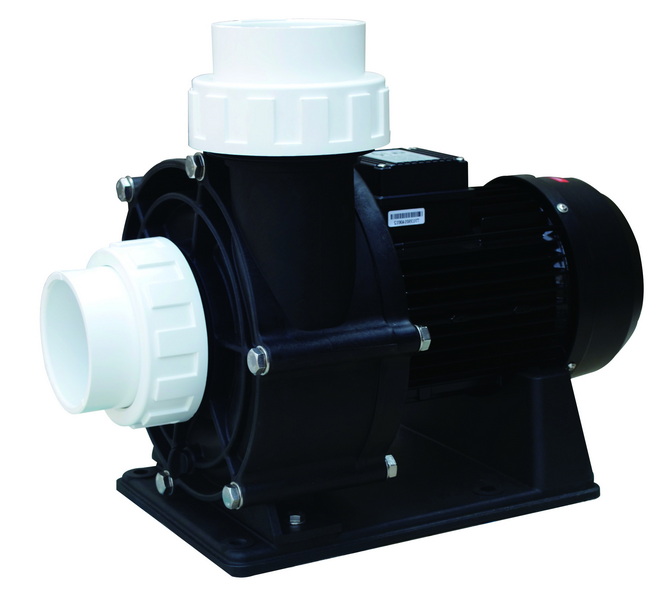
Yes, it is technically safe to run a pool pump 24 hours a day if the system is correctly installed and maintained, and some commercial or very high‑end residential systems do this for maximum clarity. However, running 24/7 is usually not necessary for typical home pools and can increase energy costs significantly unless a very efficient variable speed pump is used. In most residential situations, 8–12 hours per day is enough if the pump and filter are properly sized.
Yes, daily pump runtime does not need to be in one continuous block. Many owners divide it into two or three sessions, such as running in the early morning and late afternoon, to match off‑peak electricity rates and times of high debris. As long as the total hours per day achieve at least one full turnover of the pool volume, splitting the schedule is perfectly acceptable.
For an open, operating pool, the pump should run every day to maintain circulation and filtration. Skipping days allows debris to settle, sanitizer levels to become uneven, and algae to start growing, especially in warm weather. If the pool is winterized or covered and not in use, runtime can be reduced significantly, but some circulation is still recommended to protect equipment and water quality.
A variable speed pump can run longer at lower speeds while using less energy than a traditional single‑speed pump. This makes it practical to operate the pump 12–24 hours per day at low RPM to keep water constantly moving through the filter. Short high‑speed cycles can be added for vacuuming, running water features, or quickly mixing chemicals, giving owners more flexibility and better efficiency.
If water starts to look cloudy, algae spots appear on steps or walls, or there is a strong chemical smell around the pool, these are warning signs that circulation may be insufficient. Debris staying on the surface or collecting in dead zones is another clue. In these cases, increase daily runtime by 1–2 hours and check filter cleanliness and water chemistry until clarity and balance are restored.
[1](https://www.swimuniversity.com/run-pool-pump/)
[2](https://global-poolproducts.com/how-long-should-a-pool-pump-run/)
[3](https://www.youtube.com/watch?v=u4ExnupI26o)
[4](https://www.reddit.com/r/pools/comments/15ysu79/new_pool_owner_here_how_long_do_you_run_your_pump/)
[5](https://liquiduspools.com/blog/run-your-pool-pump/)
[6](https://www.youtube.com/watch?v=LvN8m1AsrHI)
[7](https://clearcomfort.com/variable-speed-pool-pumps-guide/)
[8](https://www.riverpoolsandspas.com/blog/how-long-to-run-pool-pump)


