
Views: 222 Author: Tina Publish Time: 2025-09-22 Origin: Site


Content Menu
● Why Water Circulation Still Matters
● Standard Pump Run Times in Winter
● Key Factors Impacting Winter Pump Scheduling
● Modern Technology: Save Energy While Protecting Your Pool
● Freeze Protection: Essential for Cold Climbs
● Pool Covers and Winter Efficiency
● Step-by-Step: Winterizing Your Pool Pump
>> Step 2. Remove and Clean the Pump Basket
>> Step 3. Drain Water from the Pump
>> Step 4. Add Pool-Antifreeze
>> Step 5. Disconnect and Store the Pump (If Needed)
>> Step 6. Periodic Winter Checks
● Explore Winterization Options
● Comprehensive Maintenance for Clear Winter Water
● Beyond Operation: Owner Tips for Special Scenarios
● Troubleshooting Common Winterization Mistakes
● Case Studies and Real-World Owner Input
● Pool Pump Timer Setup—in Practice
● Frequently Asked Questions (FAQ)
>> Q1: Can I turn off my pump all winter if I don't use the pool?
>> Q2: How do I know my pool needs more or less winter pump time?
>> Q3: Should I run my pool pump at night or during the day in winter?
>> Q4: What's the safest pump setting for extremely cold nights?
>> Q5: How do I prevent pipes and pumps from freezing if traveling/absent?
>> Q6: Is extra pump runtime ever harmful?
As the temperature drops and swimming season winds down, many pool owners grapple with how best to maintain their pools during the off-season. A common question is: how long should I run my pool pump in winter? Proper winter pump operation not only ensures clear, healthy water, but also protects expensive equipment from weather damage. This guide covers essential run times, freeze protection, energy efficiency strategies, advanced automation, step-by-step winterization, and tips from real-world users, with helpful images, video links, and a robust FAQ at the end for complete confidence.[10][11][12]
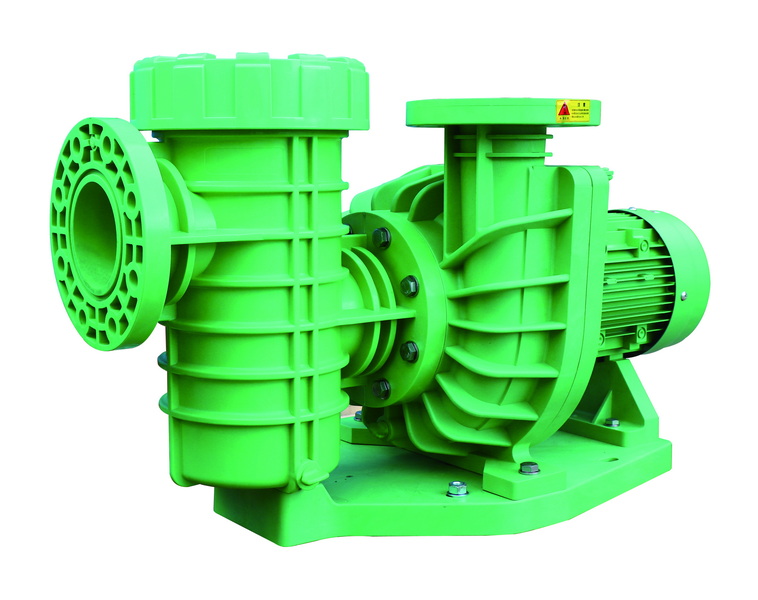
Water circulation isn't just important in summer. During winter, running the pump continues to prevent algae, circulates chemicals, and—most importantly—helps keep lines and equipment from freezing. Cold, still water invites buildup of bacteria and stains, and leaves pools looking unsightly when it's time to reopen. Even minimal circulation can make spring cleanup much easier and prevent costly repairs.[11][13][10]
Most pool professionals recommend running your pump 4–6 hours daily during winter for moderate climates. This ensures at least one full pool turnover, which helps maintain water quality and keeps lines from icing. Some pool experts suggest a simple rule: run the pump 1 hour for every 10°F (6°C) of daily low temperature. For example, at 40°F, run 4 hours; at 50°F, 5 hours. In regions with frequent freezes, pumps may need to run 24/7 through cold spells to prevent ice damage.[14][15][16][10]
| Outside Temp (°F) | Run Time Recommendation |
|---|---|
| 50 | 5 hours poolpartstogo |
| 40 | 4 hours poolpartstogo |
| Below 35 | 24 hours or as needed intheswim+1 |
Several variables influence exactly how long your pump should run:
- Pool Size/Volume: Bigger pools require longer run times to achieve turnover.[18]
- Pump Type: Variable-speed pumps can run longer at lower speeds for the same cost as short periods on high.[13][10]
- Local Climate: Colder regions, or those with rapid temperature swings, demand more runtime, especially during negative overnight temperatures.[11]
- Tree Cover: If leaves and debris fall into the pool, longer cycles might be needed, even in winter.[19]
- System Features: If using heaters, salt-chlorinators, or integrated automation, check manufacturer recommendations, as these may override generic run-times.[10]
Modern variable-speed pumps let owners run their equipment for longer periods with minimal energy use—unlike older, single-speed units. These new pumps are so efficient that you can often run them 10+ hours a day for the cost of running old pumps just 4 hours. Multiply the benefits by pairing your pump with programmable timers or smart controls. These systems allow for automated operation based on temperature, freeze risk, or real-time utility rates, guaranteeing both convenience and protection.[15][13][10]
Freezing is the #1 winter threat for pool equipment. Still water freezes faster than moving water—so schedule pump runs during the coldest hours (typically overnight and early morning) to minimize risk. For extra insurance, install a freeze protection sensor, which automatically starts the pump when temperatures approach freezing; many contemporary pump systems offer such features or easy DIY upgrades.[5][13][15][11]
A robust, quality freeze-protection device can help prevent catastrophic damage and should be considered by any serious pool owner in a cold region—think of it as cheap insurance against burst pipes and cracked pumps.[5]
- A winter pool cover keeps out leaves and dirt, but also insulates the water, retains heat, and slows evaporation, reducing your pump's workload.[8][11]
- In addition to covering pools, insulating exposed equipment with blankets, towels, or special wraps shields pipes and pumps from freezing.[6]
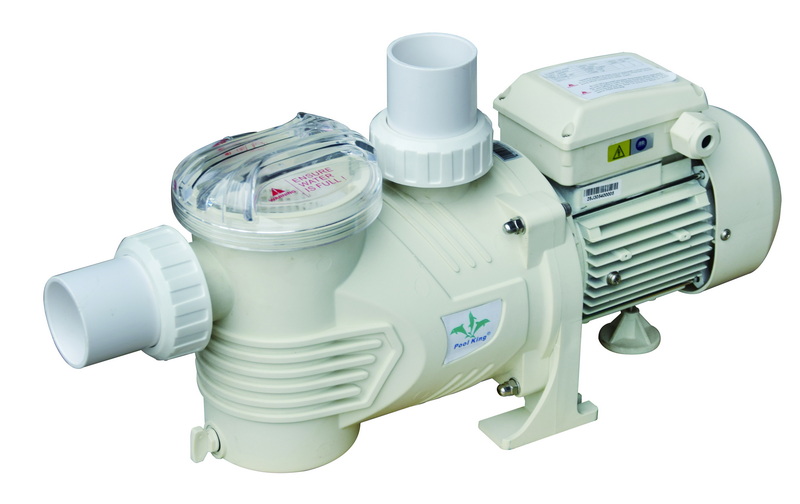
Proper winterization is just as important as setting run times.
Before beginning, turn off the pump at the circuit breaker to avoid injury.[1]
Take out the debris basket and clean it thoroughly. Let it dry completely before storing, which prevents odor and mildew buildup.[1]
Open all drain plugs and fittings; allow all water to drain from the pump, filter, and attached plumbing. Any trapped water left inside may freeze, causing cracks or leaks. Use a wet/dry vacuum for stubborn areas.[3][1]
Use only non-toxic, pool-grade antifreeze for winterizing lines and equipment, never automotive antifreeze. Follow manufacturer instructions for correct dosage.[4][1]
Some owners in freezing regions opt to disconnect and store their pump indoors. If not feasible, protect it well with covers and insulation outdoors.[1]
Even after winterizing, check on your setup occasionally. Remove standing water, inspect covers, and ensure no cracks have developed in lines or filter housings.[1]
There are generally two winterization schools:
- No-Drain Method: Leave water level high, use specialized plugs/covers on skimmers and returns, and disconnect external hoses. Best for newer pools with modern fittings.[4]
- Drain-Down Method: Lower water below skimmer, blow out all lines, plug with winter caps, and pour antifreeze into plumbing. More work, but offers maximum freeze protection for harsh climates.[4]
- Continue testing chlorine levels (though dosing needs drop in cold water).
- Brush pool walls and vacuum debris before closing or reducing pump run-time.
- Clean or replace filter cartridges at season's end and during winter checkups.
- Maintain a balanced pH and always follow up after storms or freeze events.[21][15]
- Inspect for and remove any ice, and restart the pump promptly after any winter power outage.[22][14]
- Power Outages: When the pump is off in a freeze, water in pipes can quickly freeze. Use warm water to thaw lines and check for cracks before restarting.
- Hard Freeze Alerts: During sudden arctic blasts, keep your pump running 24/7 – even at low speed – until temperatures rise.[16][11]
- Severe Debris Loads: If trees drop lots of leaves, increase daily runtime or add extra skimming cycles.
- Salt Pools: Even if the chlorinator is off in cold water, it's still necessary to circulate water for freeze protection.[19][10]
- Failure To Drain All Water: Use a shop vac and visually verify all areas are clear. Even small retained amounts can crack parts.[3][1]
- Wrong Antifreeze: Never use car antifreeze; it will damage pool equipment and could contaminate water, only use pool-approved fluids.[1]
- Poor Offseason Maintenance: Set regular reminders to give the equipment and covers a visual check at least every few weeks.[1]
- Chemical Neglect: Skipping water balancing before and during winter can lead to stains, algae, and major clean-up headaches in spring.[6]
- Owners in Texas: Run pumps 6 hours/day in mild winters, increase to full-time for rare hard freezes.
- Midwest US: Most winterize their equipment fully, disconnecting and storing pumps indoors or in a heated area.[11][19]
- Warm climates (like Florida or parts of Australia): 2–4 hours/day with a good cover is often sufficient all winter, but always watch for temp drops.[12][8]
- Install programmable timers or automation systems that let pumps run at set times, or when ambient temps drop.
- Popular freeze sensors can be added to almost any system for automatic safeguard activation.[5]
- Video guides are widely available for timer and freeze sensor installation for most modern pumps.[23][2]
Maintaining optimal pool pump operation throughout winter is essential for protecting both water quality and equipment investment. For most pools, running the pump 4–6 hours daily maintains circulation and freeze protection in moderate climates. In areas subject to hard freezes, increase runtime or keep the pump on continuously during severe cold. Use modern programmable or sensor-equipped systems for energy-efficient, worry-free operation. Combine good scheduling with occasional equipment checks, proper winterization steps, and best practices to ensure a safe, clean, and cost-effective reopening each spring. With the right approach, clear water and healthy equipment are guaranteed, no matter how low the temperature drops.[6][13][10][11][1]
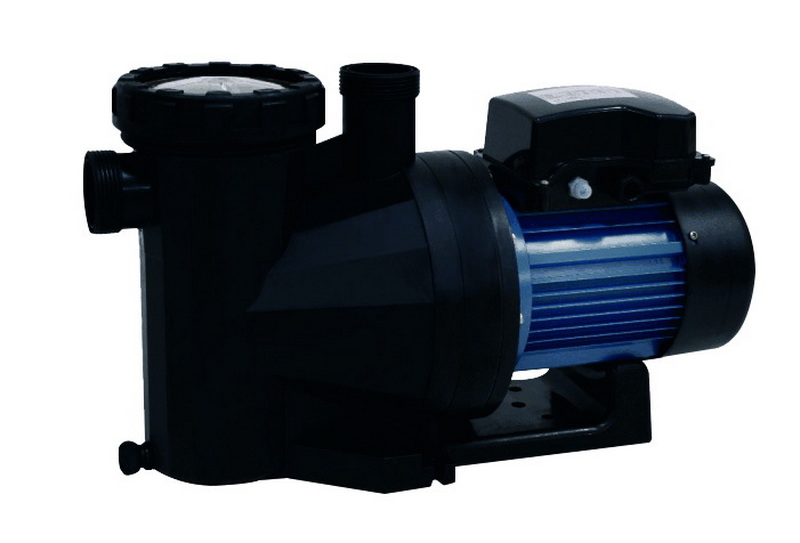
No. Unless the pool is fully winterized and lines are drained and plugged, turning off the pump completely risks ice formation, resulting in leaks, cracks, or massive repair bills. Minimal daily circulation is vital for most regions.[24][14]
Check for cloudiness, algae, or debris accumulation. Increase runtime slightly when pool clarity drops or if heavy debris/frequent storms affect the area. If water remains perfectly clear after a week, run time can usually be trimmed back a bit.[25][19]
It's typically best to run the pump at night or during early mornings, which are generally the coldest parts of the day, maximizing freeze protection.[11]
If subfreezing temperatures are expected, either run the pump on low speed 24/7 (with a freeze sensor if available) or execute a complete winterization with drainage, plugs, and antifreeze as per local expert advice.[15][16][10]
Set up programmable automation or a freeze sensor system before leaving. If extended absence is expected during deep winter in a freezing climate, it's safer to fully winterize and drain all lines and equipment.[15][5][1]
Not if using a variable-speed energy-efficient pump. However, running an old, high-wattage, single-speed pump full-time can rack up electricity bills, so always balance risk, climate, and pump technology.[13][10]
Q7: How do saltwater pools differ in winter operation needs?
Saltwater pools still require regular circulation for freeze protection and chemical distribution, even though the salt chlorinator itself may not function in cold water.[10][19]
[1](https://clearchoicepoolcaretx.com/how-to-winterize-a-pool-pump/)
[2](https://www.youtube.com/watch?v=JRYhBZVJ_oc)
[3](https://pooloperationmanagement.com/resources/pool-tips/winterization-procedure/)
[4](https://www.poolweb.com/blogs/expert-advice/winterizing-pools-a-step-by-step-guide-to-winterizing-you-pool)
[5](https://poolgoods.com/blogs/news/ultimate-guide-to-pool-pump-freeze-protection-during-winter)
[6](https://www.vevor.com/diy-ideas/how-to-winterize-a-pool-h_10134/)
[7](https://www.youtube.com/watch?v=n4kCKW4uHzg)
[8](https://www.pentair.com/en-us/education-support/water-education-center/pool-and-spa-education/do-i-need-to-close-my-pool.html)
[9](https://point.com/blog/how-to-winterize-a-pool)
[10](https://poolpartstogo.com/blogs/articles/how-long-should-i-run-my-pool-pump-in-winter)
[11](https://gencopools.com/blog/run-pool-pump-in-winter-dilemma/)
[12](https://www.zodiac.com.au/pool-and-spa-guides/top-question-our-customers-ask-how-long-should-i-run-my-pump-for)
[13](https://texascooppower.com/pooling-winter-efficiency/)
[14](https://www.swimmingpool.com/blog/prepare-your-pool-for-freezing-weather/)
[15](https://intheswim.com/blog/the-winter-pool-off-season-operation-tips.html)
[16](https://www.poolkingfilter.com/news/Should-I-Run-My-Pool-Pump-All-Winter.html)
[17](https://www.shutterstock.com/search/winter-pump)
[18](https://www.millenniumpool.com/blog/how-many-hours-should-i-run-my-pool-pump/)
[19](https://www.reddit.com/r/pools/comments/189whkt/pool_pump_suggested_runtime_in_winter/)
[20](https://www.shutterstock.com/search/pool-pump)
[21](https://www.thepoolfactory.com/blogs/pool-care/sand-filter-system-how-to-winterize-for-pool-closing)
[22](https://www.youtube.com/watch?v=jfQ3fyB2drk)
[23](https://www.youtube.com/watch?v=LfEm6wKsKmo)
[24](https://www.poolassist.com.au/blogs/expert-pool-advice/pool-pumps-in-winter-can-i-turn-mine-off)
[25](https://www.splashmobpools.com/blog/adjusting-pool-pump-schedules-in-the-winter)


