
Views: 222 Author: Tina Publish Time: 2025-10-16 Origin: Site


Content Menu
● Filter types and typical lifespans
>> Sand filters
>> DE (Diatomaceous Earth) filters
● Factors that influence filter life
● Signs your filter needs replacement
● Maintenance routines and best practices
● Practical OEM considerations for international brands
● Quick decision guide: replace vs. upgrade
● FAQs
>> 1) How long do pool filters typically last?
>> 2) How can I tell if my cartridge needs replacing?
>> 3) Should I replace sand filter media every 5 years?
>> 4) How often should I backwash a sand filter?
>> 5) Can a filter last longer with better maintenance?
>> 6) What maintenance content should OEM partners prioritize for international markets?
Pool filtration is the heart of clean, safe swimming water. The lifespan of a pool filter is not a fixed number; it varies by filter type, usage, water chemistry, and maintenance practices. Understanding how long each filter should last helps pool professionals plan replacements, optimize maintenance budgets, and communicate value to international buyers seeking OEM solutions. This article combines real-world guidance, maintenance best practices, and practical indicators to help readers estimate remaining life and plan upgrades when needed. Throughout, emphasis is placed on sand filters, cartridge filters, and DE filters—the three main technologies found in residential and commercial pools worldwide.
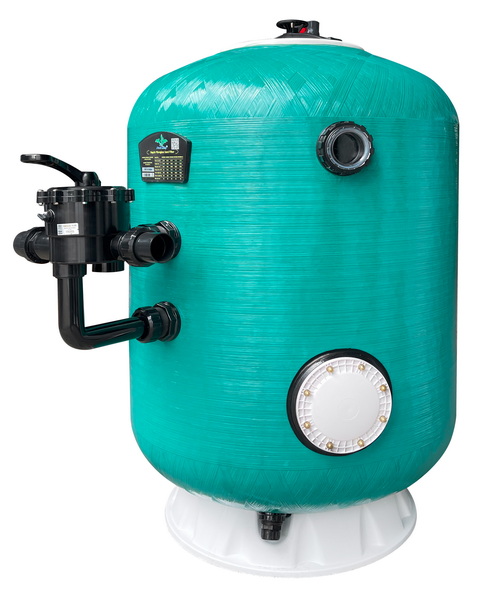
- Media life: Sand media generally lasts about 7 to 10 years under typical residential use, with 5 to 7 years common in high-debris or high-usage environments. Over time, the sand grains become worn and lose filtration efficiency, which shows up as reduced clarity or the need for more frequent backwashing.
- Replacement cues: Change or refresh the sand when backwashing no longer restores clarity, when flow drops noticeably, or when the media shows contamination or channeling. Regular backwashing and occasional media replacement extend performance.
- Media life: The cartridge element typically lasts about 2 to 3 years, with premium cartridges sometimes reaching 5 to 10 years based on resin quality, use, and chemical balance. The pleated media gradually loses its shape and filtration efficiency as fibers wear or tear.
- Replacement cues: Look for flattened pleats, tears, or a persistent high pressure (even after cleaning) indicating reduced filtering capacity. If cleaning becomes ineffective, replacement is warranted.
- Media life: DE systems have long-standing reputations for fine filtration, but DE powder and grids require ongoing attention. The grids can last many years with proper care; the powder needs replenishment after backwashing, and deep-cleaning is periodically needed.
- Replacement cues: Signs include persistent high pressure after backwashing, damaged DE grids, or algae breakthrough suggesting grid wear. Deep cleaning and grid inspection are part of long-term maintenance.
A filter's lifespan emerges from a combination of usage patterns, environment, and maintenance discipline.
- Pool size and turnover
- Filter media quality and system design
- Water chemistry stability (pH, alkalinity, calcium hardness)
- Backwashing frequency and technique
- Frequency of cleaning and maintenance routines
- Debris load and seasonal usage
- Equipment age and compatibility with newer media or components
- Decreased water clarity despite cleaning and backwashing
- Consistently high or rising filter pressure
- Visible damage to cartridges, DE grids, or seals
- Channeling in sand filters (visible bypass paths)
- Frequent leaks or persistent mechanical faults
- Maintain balanced water chemistry to minimize scale and fouling
- Use manufacturer-recommended media and replacement intervals
- Backwash only as needed; avoid over-backwashing to conserve media
- Inspect seals, O-rings, and clamp mechanisms; replace worn parts promptly
- Clean skimmer baskets and pre-filters to reduce debris load
- Consider upgrading to higher-efficiency media if usage patterns demand it
- Schedule preventative maintenance with a documented plan and log
- Establish a maintenance calendar covering chemical testing, filter inspections, and media replacement windows
- Track pressure and flow over time; a rising trend is a cue for intervention
- Backwash according to the filter type and manufacturer guidance; avoid fixed schedules that waste water or reduce media life
- When replacing media or cartridges, follow proper disposal guidelines and use OEM-approved replacements
- Document all maintenance activities for traceability, especially for OEM clients who require detailed service histories
- Consistent documentation and labeling: Ensure that maintenance guides, replacement parts lists, and service histories are available in regional languages and align with local regulations.
- Standardized packaging: Use common dimensions and packaging for cartridges, DE grids, and sand media to simplify logistics and reduce customization costs.
- Quality control and traceability: Implement batch-level QC and serial-level traceability for media and components to support warranty claims and after-sales service.
- Training and support: Provide multilingual training materials and video tutorials to distributors, wholesalers, and service teams.
- Video-backed content: Short, high-quality videos demonstrating maintenance workflows, replacement steps, and troubleshooting can significantly improve comprehension for field technicians.
- If pressure rises significantly and normal maintenance fails to restore performance, plan a replacement
- If equipment is older than typical lifespans (sand 7–10 years, cartridges 2–3 years for the element, DE grids variable), consider upgrading to newer, more efficient media or a higher-capacity unit
- Upgrades can reduce chemical consumption, water usage, and energy costs over time, delivering lower operating costs for buyers
The longevity of pool filtration systems hinges on a combination of filter type, usage intensity, water chemistry, and disciplined maintenance. Sand filters offer robust performance with long media life but require periodic sand refreshment and backwashing discipline. Cartridge filters demand regular cleaning and periodic cartridge replacement, with lifespan highly dependent on pleat integrity and chemical balance. DE filters deliver the finest filtration but require ongoing DE replenishment and grid inspections. For international brands and OEM providers, the path to sustainable profitability lies in standardized, well-documented maintenance programs, high-quality media, and rich media assets—photos and videos—that clearly communicate best practices to distributors and technicians worldwide. By applying these principles, manufacturers can deliver reliable, efficient filtration solutions that meet the needs of wholesale partners and brand owners across markets.
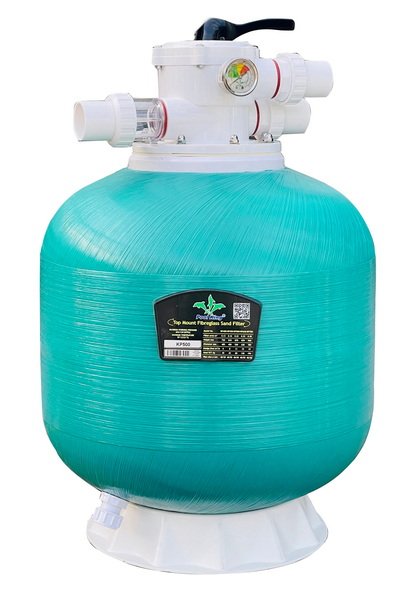
Sand filters usually last 7–10 years; cartridge filters 2–3 years for the cartridge element (some premium cartridges last longer with proper care); DE components and grids can last many years with maintenance, but the DE powder requires periodic replenishment.
Signs include flattened pleats, tears, and persistently high pressure after cleaning. If regular cleaning no longer restores flow, replacement is recommended.
This is a prudent general guideline for many installations, especially in debris-heavy environments; actual timing depends on backwash effectiveness and water chemistry.
Backwash when the pressure increases above normal by several psi or when flow drops; do not backwash on a rigid schedule. Follow the manufacturer's guidance.
Yes. Regular cleaning, proper chemical balance, and appropriate backwashing extend media life and filtration efficiency.
Multilingual maintenace guides, clear replacement part lists, region-specific training videos, and QC/traceability documentation.
[1](https://pool.dreametech.com/blogs/blog/how-often-to-clean-pool-filter-complete-guide)
[2](https://www.pentair.com/en-us/education-support/water-education-center/pool-and-spa-education/cleaning-and-maintaining-your-pool-filters.html)
[3](https://poolife.com/2024/01/09/guide-to-cleaning-a-pool-filter/)
[4](https://myeverclearpool.com/pool-care/guide-to-pool-filter-maintenance/)
[5](https://halogensupply.com/blog/guide-selecting-best-pool-filter/)
[6](https://www.doforms.com/blog/pool-maintenance-checklist/)
[7](https://www.reddit.com/r/pools/comments/12cru46/pool_maintenance_for_dummies/)
[8](https://spspoolcare.com/blog/understanding-pool-filters-a-comprehensive-guide/)
[9](https://poollogicsd.com/resources/a-complete-guide-to-pool-filter-cleaning-in-san-diego/)
[10](https://www.poolmarttx.com/post/filter-fitness--the-ultimate-guide-to-swimming-pool-filter-maintenance-for-a-sparkling-summer)


