
Views: 222 Author: Tina Publish Time: 2026-01-11 Origin: Site


Content Menu
● What Backwashing Actually Does
● How Long to Backwash Different Filters
>> Cartridge filters: no backwash time
● Step‑by‑Step Backwash Guide (with Timing)
● How Often to Backwash (By Filter Type)
● Common Backwashing Mistakes to Avoid
● Professional Advice: Matching Backwash Time to Your System
>> 1. How many minutes should I backwash my sand filter?
>> 2. How long should I rinse after backwashing?
>> 3. How often should I backwash my pool filter?
>> 4. Can I backwash my cartridge filter?
>> 5. What happens if I backwash too long?
>> 6. Is it bad if I do not backwash long enough?
How long you should backwash your pool filter depends on the filter size, type, and how dirty it is, but most residential sand and DE filters need about 2–3 minutes of backwashing (or until the sight‑glass water runs clear), followed by 30–120 seconds of rinsing. You should also wait to backwash until the filter pressure rises about 8–10 psi above its normal clean reading or you notice reduced water flow.[1][2][3][4][5][6][7]
Regular and correctly timed backwashing keeps your pool water clear, protects your pump, and extends the life of your sand or DE filter. This guide explains how long to backwash, when to do it, and how to tailor the process to different filter types.[2][3][1]
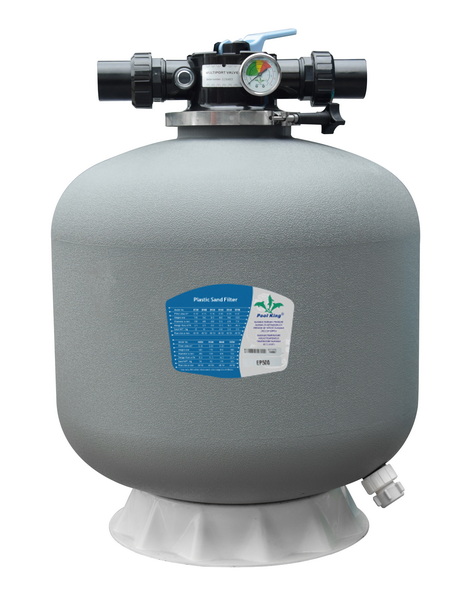
Backwashing reverses the flow of water through the filter so that trapped dirt is flushed out to waste instead of back to the pool. During normal filtration, debris becomes lodged in the sand bed or DE grids; in backwash mode, water enters from the bottom and lifts debris out through the drain line.[4][5][8][6][1]
- In sand filters, backwash water expands and “boils” the sand bed, loosening trapped particles.[5][6]
- In DE filters, reversed flow dislodges used DE powder and contaminants from the grids so they can be flushed away and replaced with fresh DE.[9][8][10]
The general rule is to backwash until the water in the sight glass or backwash hose runs clear, which usually takes 2–3 minutes for most residential filters. Larger commercial filters, or systems that are very dirty, may require up to 3–5 minutes of continuous backwashing.[6][1][2][4][5]
For most domestic sand filters:
- Backwash for 2–3 minutes, or until the waste water is clear.[1][2][4][6]
- Then use the Rinse setting for 30–60 seconds to resettle the sand and prevent dust or sand from returning to the pool.[3][11][6]
Some installers suggest up to 3–5 minutes for larger sand filters, especially after a heavy contamination event such as algae or a storm.[4][5][1]
DE filters usually use similar backwash durations, but may benefit from multiple short cycles:
- Standard recommendation: backwash for about 2–3 minutes or until the water runs clear.[8][2][1]
- Some guides suggest repeating short backwash cycles (e.g., 30–60 seconds each, two or three times) with brief runs on Filter in between to remove more stubborn DE and dirt.[10][8][1]
After backwashing a DE filter you must recharge it with fresh DE powder according to the filter's square‑foot area.[2][9][10]
Cartridge filters are not designed for backwashing at all; they must be removed and cleaned by hosing or soaking the cartridges. If you have a cartridge system, the concept of “backwash minutes” does not apply.[9][2]
Instead of backwashing by calendar alone, use pressure and water flow as your main guides. Backwashing too often wastes water and can reduce filtration efficiency by washing away helpful dirt that aids ultra‑fine filtration.[7][12][3][5][8][6]
- Filter pressure is 8–10 psi higher than the clean baseline (for example, from 12 psi clean to 20–22 psi dirty).[3][5][6][7]
- Return jets feel weak and circulation slows even though the pump is running normally.[11][7][3]
- Water is hazy or cloudy even after correct chemical treatment, suggesting the filter is clogged.[1][2]
For DE filters, many experts also recommend a routine backwash about every 4–6 weeks during the swimming season, adjusted for bather load and debris levels.[12][10][9]
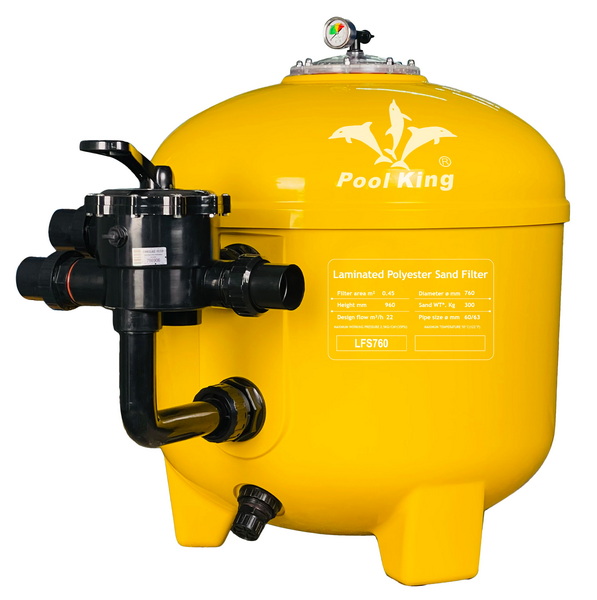
The basic backwash process is similar for sand and DE filters with a multiport valve.[6][2][4][1]
1. Turn off the pump
- Always shut off power before moving the valve to avoid damaging the spokes and seals.[5][4][6]
2. Set valve to “Backwash”
- Push down and rotate the multiport handle until it clicks into Backwash.[4][6]
- Ensure the backwash hose is laid out and the drain line is secure.[1][4]
3. Turn the pump on and backwash 2–3 minutes
- Let the pump run in backwash mode until the water in the sight glass or hose turns clear, usually about 2–3 minutes.[2][5][6][1]
- Very dirty systems or large filters might need up to 3–5 minutes.[5][4][1]
4. Turn off the pump and set to “Rinse” (sand filters)
- Move the valve to Rinse, then restart the pump for about 30–60 seconds to compress the sand bed and flush leftover debris to waste.[11][3][6]
- Some guides allow up to 1–2 minutes of rinse after very dirty backwashes.[11][2]
5. Return to “Filter” and restart
- Turn off the pump, set the valve back to Filter, and then restart the system.[6][2][4]
- Check the pressure gauge and note the new clean reading for future reference.[3][6]
6. Recharge DE filters (DE only)
- After backwashing a DE filter, add the correct amount of DE powder through the skimmer as a slurry so it coats the grids.[10][9][2]
The table below gives typical backwash frequency ranges. Actual schedules depend on pool size, climate, debris, and bather load.[12][9][10][2]
| Filter type | Typical backwash trigger | Usual frequency guideline | Notes |
|---|---|---|---|
| Sand filter | Pressure 8–10 psi above clean; weak return flow swimuniversity+3 | About every 1–2 weeks in normal residential use royalswimmingpools+1 | Backwash 2–3 minutes, rinse 30–60 seconds. Avoid unnecessary backwashes. intheswim+2 |
| DE filter | Pressure 8–10 psi above clean; cloudy water; heavy use bluescience+2 | Roughly every 4–6 weeks in pool season, plus as needed after heavy load bluescience+2 | Backwash 2–3 minutes; often repeated short cycles, always recharge with DE. intheswim+2 |
| Cartridge filter | N/A (no backwash) royalswimmingpools+1 | Clean cartridges every 4–6 weeks, or when pressure rises 8–10 psi royalswimmingpools+1 | Remove and hose/soak cartridges; replace when worn. royalswimmingpools+1 |
Backwashing is simple, but several frequent mistakes waste water or reduce filtration performance.[8][3][6][1]
- Backwashing too often
Backwashing on a fixed daily schedule (instead of using pressure and flow) wastes water and can reduce dirt‑catching efficiency.[8][12][3]
- Not backwashing long enough
Stopping after 30–60 seconds often leaves debris inside, causing pressure to stay high and water to turn cloudy again.[5][6][1]
- Over‑backwashing
Running backwash for 10–15 minutes unnecessarily wastes water and can disturb the sand bed more than needed.[8][6][5]
- Skipping the rinse step on sand filters
Failing to rinse 30–60 seconds can send sand or dirt back into the pool when you restart filtration.[3][11][6]
- Ignoring DE recharge
After a DE backwash, failing to add fresh DE leaves grids uncoated, which can damage them and reduce filtration to coarse levels.[9][10][2]
Although “2–3 minutes until clear” is a good baseline, the best backwash time is the minimum duration that reliably gives you: clear waste water, normal pressure, and strong return flow. For high‑end sand and DE filters produced on modern smart machinery, consistent internal hydraulics make these times more predictable and help reduce water waste.[6][1][3][5]
For commercial pools or large residential systems:
- Install a clear sight glass and use it as your primary indicator of when to stop backwashing.[4][6][1]
- Combine pressure, flow, and water quality checks in your weekly maintenance log so staff learn the optimal backwash duration for that specific installation.[3][5]
As an OEM supplier of sand filters, pumps, LED lights, and accessories, your factory can also provide tailored backwash charts and training videos for each filter model to help overseas brands and wholesalers support end users.
Most pool owners should backwash their sand or DE filters for about 2–3 minutes, or until the sight‑glass water runs completely clear, followed by 30–60 seconds of rinsing for sand filters. Backwash only when the filter pressure rises 8–10 psi above its clean level, the return flow weakens, or water becomes hazy, and always recharge DE filters with the correct amount of DE powder afterwards. By matching backwash time to your specific equipment and conditions, you protect your filter, save water, and keep your pool sparkling clear.[7][10][12][2][9][11][6][1][4][5][3]
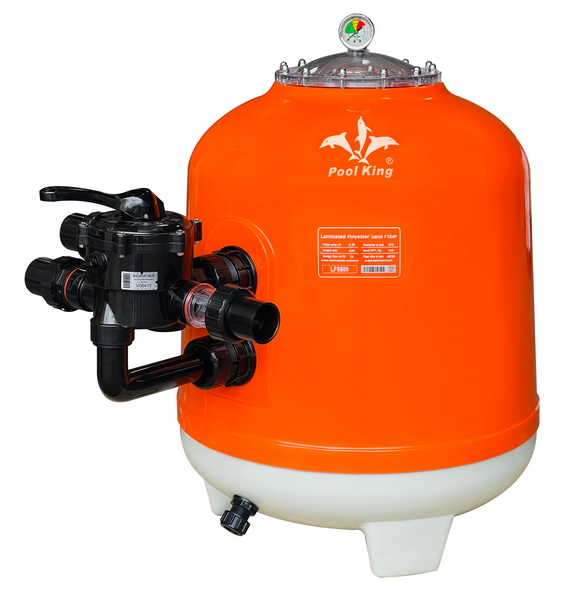
Most sand filters need about 2–3 minutes of backwashing, or as long as it takes for the waste water in the sight glass or hose to run clear. Larger filters or very dirty pools may need closer to 3–5 minutes, but avoid running longer than necessary to reduce water waste.[2][6][1][4][5]
After backwashing a sand filter, rinse for about 30–60 seconds to resettle the sand bed and flush lingering debris to waste. Some guides suggest up to 1–2 minutes of rinse after very dirty conditions, but in normal use 30–60 seconds is enough.[11][6][2][3]
Backwash when the pressure is 8–10 psi higher than the normal clean reading, or when return flow is clearly reduced. In practice this is usually every 1–2 weeks for sand filters and about every 4–6 weeks for DE filters, plus after heavy contamination events.[10][7][12][9][6][2][5][3]
Cartridge filters are not designed for backwashing and do not have a backwash mode; instead, you remove the cartridges and clean them with a hose or chemical soak. Only sand and DE filters with multiport or slide valves are normally backwashed.[9][6][1][2][4]
Over‑backwashing wastes water and may disturb the filter media more than necessary without improving water clarity. If you keep backwashing well past the point where the water turns clear, you are losing pool water and chemicals with no extra benefit.[13][14][6][1][5][8]
Yes, stopping after only 30–60 seconds often leaves dirt trapped in the filter so pressure remains high and water can quickly turn cloudy again. If the sight glass never goes fully clear, extend the backwash cycle up to 2–3 minutes and recheck pressure once you return to filter mode.[6][1][4][5]
[1](https://intheswim.com/blog/backwashing-best-practices.html)
[2](https://blog.royalswimmingpools.com/how-to-backwash-pool-filter-guide)
[3](https://www.swimuniversity.com/backwash-sand-filter/)
[4](https://www.hornsbypoolcare.com.au/how-to-backwash-a-pool-sand-filter)
[5](https://www.poolspanews.com/how-to/ultimate-tech-manual/sand-filter-care-for-pools_o)
[6](https://lesliespool.com/blog/how-to-backwash-a-sand-filter.html)
[7](https://diy.inyopools.com/article/when-to-backwash-a-pool-filter/)
[8](https://aquaclearpoolcare.com/how-to-backwash-a-pool-de-filter/)
[9](https://www.bluescience.com/swimming-pools/posts/how-to-backwash-a-de-filter/)
[10](https://www.swimmingpool.com/maintenance/pump&filter/how-to-backwash-de-pool-filter/)
[11](https://thethreecousins.com/how-to-backwash-a-sand-filter/)
[12](https://centraljerseypools.com/how-often-to-backwash-a-de-filter/)
[13](https://www.facebook.com/groups/637529959937311/posts/2205325516491073/)
[14](https://www.facebook.com/groups/637529959937311/posts/2622405701449717/)
[15](https://www.reddit.com/r/pools/comments/1equkna/how_long_do_you_run_backwash_on_your_sand_filter/)
[16](https://www.youtube.com/shorts/VGZ-C6mCivw)
[17](https://www.youtube.com/watch?v=RD9h-V_WsA8)
[18](https://www.youtube.com/watch?v=r8soaqt1Pn0)
[19](https://www.reddit.com/r/pools/comments/162dg68/how_often_should_i_backwash_my_de_filter/)
[20](https://www.youtube.com/watch?v=xfBmfUb1jyY)


