
Views: 222 Author: Tina Publish Time: 2025-12-23 Origin: Site


Content Menu
● Basic components of a sand filter
● How sand filtration actually works
● The role of the multiport valve
● Step‑by‑step: filter cycle and backwash cycle
● What kind of sand does a pool filter use?
● Alternative media: glass, zeolite, and others
● Advantages and limitations of sand filters
● How often to backwash and change the sand
● Safety and best practices for owners and installers
● FAQs about sand pool filters
>> 1. How fine does a sand filter clean the water?
>> 2. How often should I backwash my sand filter?
>> 3. When should the sand be replaced?
>> 4. Can I use play sand or construction sand in my pool filter?
>> 5. Is a sand filter better than a cartridge or DE filter?
>> 6. Can sand filters be used on saltwater pools?
A sand pool filter uses a bed of specially graded filter sand to trap dirt as water is pushed through the tank by the pool pump, then cleans itself by reversing the flow in a process called backwashing. When correctly sized and maintained, a sand filter offers simple, reliable, and cost‑effective pool filtration for both residential and commercial pools.[1][2][3][4]
As a professional Chinese manufacturer of premium sand filters, DE filters, cartridge filters, pumps, LED pool lights, and accessories, offering OEM services to global brands, wholesalers, and manufacturers, this guide explains sand filter working principles in a way you can share directly with pool owners and professional buyers.
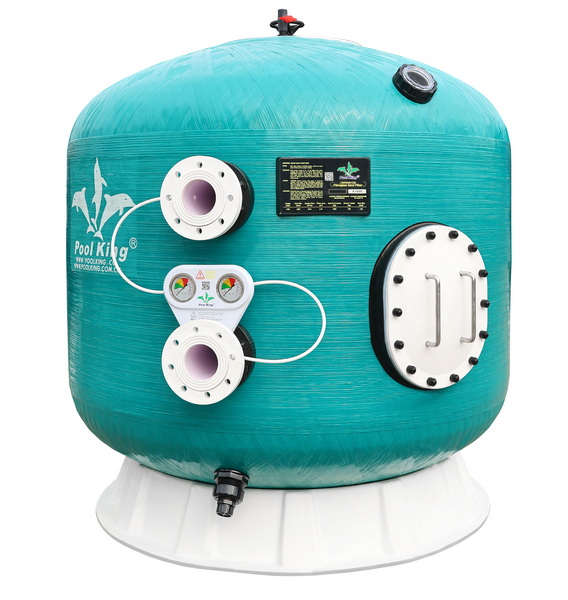
A sand pool filter looks simple from the outside, but several internal parts work together to clean the water effectively.[2][3]
- Filter tank: A corrosion‑resistant vessel (usually fiberglass or plastic) that holds the sand and internal plumbing under pressure.[5][2]
- Filter sand bed: A carefully graded layer of silica sand with uniform grain size (typically 0.45–0.55 mm) that captures debris as water passes through.[6][7]
- Laterals and center standpipe: A hub of slotted arms at the bottom of the tank that collect clean water while keeping sand in place and sending it back to the pool.[3][8]
- Multiport valve: The “command center” on top or side of the tank that directs water for filtering, backwashing, rinsing, waste, recirculate, or closed modes.[9][10]
- Pressure gauge and sight glass: Instruments that show when the filter is getting dirty and allow you to see water clarity during backwash.[8][11]
Sand filtration relies on water flowing through a packed bed of sand so that particles get trapped between sand grains.[1][3]
- In Filter mode, the pump pushes dirty pool water into the top of the sand filter, where it flows downward through the sand bed under pressure.[2][9]
- Rough‑edged silica sand grains snag dirt, body oils, algae, and other contaminants; larger grains catch big debris while smaller grains trap finer particles.[12][3]
- Cleaned water reaches the bottom, passes through the slotted laterals, rises up the standpipe, and returns to the pool via the return line.[9][8]
A typical #20 silica sand bed filters particles in the 20–40 micron range, which is sufficient for clear water in most residential pools. With a slight load of dirt, the filter becomes more efficient and can capture smaller particles without noticeably restricting flow.[13][14]
The multiport valve (MPV) controls water direction and determines what the sand filter is doing at any moment.[10][9]
- Most standard multiport valves offer seven positions: Filter, Backwash, Rinse, Waste, Recirculate, Closed, Winter.[16][8]
- In Filter mode, water flows from the pump to the top of the tank, down through the sand, and back to the pool.[8][9]
- In Backwash mode, the flow reverses, entering from the bottom and exiting to the waste line, lifting and flushing out trapped debris from the sand bed.[11][3]
- In Rinse mode, normal top‑to‑bottom flow resumes but water goes to waste for 20–60 seconds to resettle sand and prevent dirt from returning to the pool.[11][8]
Other positions:
- Waste: Bypasses the sand and sends water directly to the drain, useful for vacuuming heavy debris or lowering water level.[8][11]
- Recirculate: Bypasses the sand but returns water to the pool, used for mixing chemicals without clogging the filter.[10][8]
- Closed / Winter: Blocks flow when servicing or winterizing; the pump must be off when selecting these settings.[16][8]
Understanding the cycles is essential for pool owners and for explaining your OEM filter performance to customers.[1][3]
- Step 1 – Pump on, valve on Filter: Water is pulled from skimmer and main drain, then pushed into the filter's “Pump” port on the multiport valve.[18][9]
- Step 2 – Flow through sand: The valve directs water to the top of the tank, where it flows down through the sand bed and leaves dirt trapped between grains.[3][1]
- Step 3 – Return to pool: Clean water collects in the laterals, travels up the standpipe, passes back through the valve's “Return” port, and re‑enters the pool.[9][8]
During this process, the pressure gauge shows a “clean” baseline value, and flow at the pool returns is strong and steady.[4][11]
Over time, dirt buildup makes it harder for water to pass through the sand, which increases pressure and signals that cleaning is needed.[2][3]
- When to backwash: Most experts recommend backwashing when the pressure gauge reads about 8–10 psi higher than the clean starting pressure.[11][3]
- Step 1 – Turn the pump off: Always stop the pump before turning the multiport handle to avoid damaging internal seals.[16][8]
- Step 2 – Set to Backwash and restart pump: Water now enters from the bottom, flows upward through the sand, and carries dirt out to the waste line.[3][11]
- Step 3 – Watch the sight glass: Continue backwashing for a few minutes until the water in the sight glass runs clear.[11][8]
- Step 4 – Turn pump off, set to Rinse, restart for 20–60 seconds to resettle sand and flush remaining dirt to waste.[3][11]
- Step 5 – Turn pump off again, set to Filter, and resume normal filtration.[9][8]
A sand pool filter does not use ordinary construction sand or play sand; it uses specially graded pool filter sand.[7][6]
- Standard media is #20 silica sand, washed and screened to remove impurities and dust for reliable filtration.[14][7]
- Typical grain size is 0.45–0.55 mm, which balances good flow with the ability to trap fine contaminants.[6][15]
- Correct uniformity of grain size helps prevent “channeling,” where water cuts straight paths through the sand and bypasses filtration.[15][6]
Conventional silica sand usually filters down to about 20 microns, adequate for normal backyard pools and many commercial installations.[13][14]
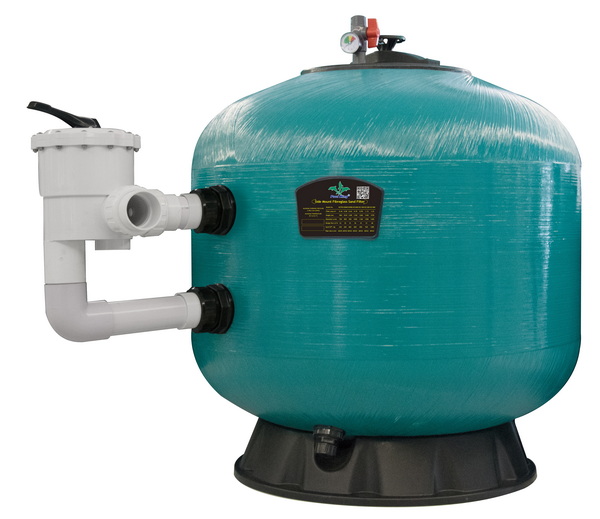
Many modern sand filters support alternative filter media to improve fine‑particle removal or reduce maintenance.[14][5]
- Crushed glass: Recycled glass media lasts longer (often up to 10 years), can trap finer particles than silica, and typically backwashes more easily, reducing water use.[14][5]
- Zeolite: A porous volcanic mineral that can capture very small particles and absorb substances like ammonia and phosphates, helping control chloramine formation and algae growth.[5][14]
- Specialty blends: Some products combine glass, zeolite, or other media to optimize clarity, flow, and backwash efficiency depending on pool conditions.[15][14]
As an OEM manufacturer, offering tanks compatible with multiple media types allows distributors and installers to tailor systems for standard residential pools, heavy‑use commercial pools, or demanding water quality applications.
Sand filters remain one of the most popular choices because they offer a strong balance of simplicity, durability, and cost.[4][2]
Advantages
- Simple daily use: Most of the time the valve remains on Filter, and cleaning is just a matter of backwashing when pressure rises.[2][4]
- Durable and versatile: Works on above‑ground and in‑ground pools, spas, and saltwater systems in a wide range of climates.[2][14]
- Low ownership cost: Silica sand is inexpensive, and media typically lasts about 3–5 years before replacement in normal residential use.[6][14]
Limitations
- Filtration fineness: Sand's 20–40 micron performance is not as fine as high‑quality cartridge or D.E. filters, which can polish water more quickly after severe problems.[13][14]
- Backwash water use: Backwashing sends water and chemicals to waste, so local water cost and restrictions must be considered.[2][3]
The correct maintenance schedule keeps a sand filter efficient and protects pumps and heaters from strain.[4][3]
- Backwash frequency: Backwash whenever pressure rises about 8–10 psi above the clean baseline, or when return flow is noticeably reduced.[11][3]
- Seasonal patterns: Many pools need weekly backwashing during heavy summer use and less frequent cleaning in cooler seasons or low‑bather periods.[4][5]
- Sand replacement: Silica sand typically lasts 3–5 years depending on bather load, debris, and water chemistry; some pool owners stretch this longer with excellent care.[6][2]
Alternative media like high‑quality glass can extend replacement intervals, while zeolite may need more frequent renewal depending on usage and contamination load.[14][5]
Correct operation protects both equipment and swimmers, which is critical for brands and OEM partners building a reputation for reliability.[16][3]
- Always shut off the pump before changing multiport valve positions to avoid damaging internal seals or plumbing.[8][16]
- Keep the pressure gauge working and replace it if it fails, because accurate readings are essential to know when to backwash.[8][11]
- Maintain proper water chemistry to prevent scale and oils from binding the sand bed, which can cause channeling and reduce filtration efficiency.[7][14]
For installers and professional buyers, properly sizing the filter and pump to pool volume and expected bather load ensures steady flow and minimizes frequent backwashing complaints from end users.[4][5]
A sand pool filter works by forcing water under pressure through a carefully sized bed of filter sand, capturing dirt between the grains and returning cleaned water to the pool. The multiport valve allows the same tank to perform filtration, backwashing, rinsing, waste discharge, recirculation, and closed or winter modes, making sand systems simple and flexible for most installations. With the right media, regular backwashing, and periodic sand replacement, a well‑designed sand filter offers durable, low‑maintenance, and cost‑effective filtration for both homeowners and commercial operators.[1][9][3][2][8][4]
As a professional Chinese manufacturer of premium sand filters, DE filters, cartridge filters, pumps, LED pool lights, and accessories, using intelligent production equipment and offering OEM services worldwide, your factory can provide high‑performance sand filter systems that align with these principles and deliver clear, safe water to your customers.
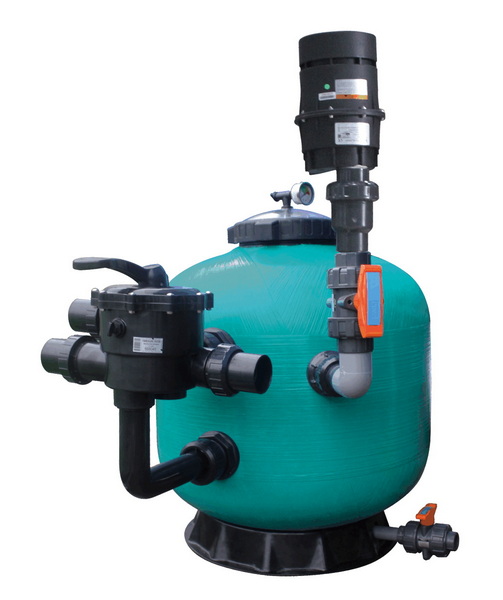
A standard silica sand filter typically removes particles in the 20–40 micron range, which is adequate for clear water in most backyard and many commercial pools. With a light dirt load in the sand bed, effective filtration often moves closer to the 20‑micron end of this range.[13][14]
Backwash whenever the pressure gauge is about 8–10 psi higher than the clean starting pressure or when you notice weaker return flow or slightly cloudy water. In busy summer seasons, this often means weekly backwashing for residential pools, while lower‑use pools may need it less frequently.[3][11][5][4]
Filter sand usually needs replacement every 3–5 years, depending on bather load, debris level, and water balance. If the filter requires very frequent backwashing or fails to clear the water even with correct chemistry, the sand may be worn or clogged and ready for replacement.[6][14][2][3]
No, play sand or construction sand is not recommended because grain size and shape are inconsistent and can cause poor filtration, clogging, or sand returning to the pool. Always use sand labeled specifically as pool filter sand with the recommended 0.45–0.55 mm grain size and proper uniformity.[7][15][6]
Sand filters are usually the easiest and most economical to operate, but they do not filter as finely as high‑quality cartridge or DE filters. Many homeowners choose sand for simplicity and long media life, while DE and some cartridge systems are preferred when the absolute highest clarity is required.[19][13][14]
Yes, sand filters work well with saltwater pools as long as the tank, valve, and internal components are made from corrosion‑resistant materials. Regular backwashing and proper salt and pH control help protect both the filter and other equipment in salt systems.[14][2][4]
[1](https://www.youtube.com/watch?v=IoumNs3gj7E)
[2](https://greatbackyard.com/blogs/news/everything-you-need-to-know-about-your-pools-sand-filter)
[3](https://poolie.com/blog/general/how-does-pool-sand-filter-work/)
[4](https://hyclor.com.au/how-does-a-pool-sand-filter-work/)
[5](https://www.youtube.com/watch?v=ugx2lRgGhz0)
[6](https://beatbot.com/blogs/pool-cleaning-kits/different-types-of-sand-for-pool-filters-and-how-to-choose-the-right-one)
[7](https://mrpoolman.com.au/blogs/news/the-definite-sand-filter-media-guide)
[8](https://thepoolanddeck.com/pool-multiport-valve-settings/)
[9](https://intheswim.com/blog/multiport-valve-settings-demystified.html)
[10](https://www.inyopools.com/HowToPage/how_a_multiport_valve_operates.aspx?CommentPage=1)
[11](https://blog.royalswimmingpools.com/blog/different-settings-and-their-uses-on-your-sand-filter)
[12](https://poolpartstogo.com/blogs/pool-equipment/how-does-a-pool-sand-filter-work)
[13](https://intheswim.com/blog/best-pool-filter-type-de-sand-or-cartridge.html)
[14](https://lesliespool.com/blog/pool-filter-media-types-a-comparison-guide.html)
[15](https://blogs.aiper.com/us/best-pool-filter-sand/)
[16](https://www.browningpools.com/blog/multiport-valve-101)
[17](https://www.youtube.com/watch?v=VmXdio44FTY)
[18](https://home.howstuffworks.com/swimming-pool4.htm)
[19](https://www.riverpoolsandspas.com/blog/pool-sand-filter-cost-maintenance-benefits)
[20](https://www.perplexity.ai/search/8e31ac1c-3141-4dfd-ad17-f52114d15384)
[21](https://www.reddit.com/r/pools/comments/1d9ogxh/first_sand_filter_what_do_you_wish_youd_known/)


