
Views: 222 Author: Tina Publish Time: 2025-07-31 Origin: Site


Content Menu
● Understanding PVC Pool Fittings
>> Types of PVC Pool Fittings:
● Why Use Teflon Tape on Pool Fittings?
● Step-by-Step: How to Apply Teflon Tape to Pool PVC Fittings
>> Step 2: Choose the Right Tape
>> Step 3: Start Wrapping from the End of the Thread
>> Step 6: Press the Tape Into Threads
>> Step 7: Assemble the Fitting
● Alternatives to Teflon Tape: Are There Better Sealants?
>> Pipe Thread Sealant (Pipe Dope)
● Common Mistakes and How to Avoid Them
● Additional Tips for Long-lasting Pool Plumbing
● Expert Opinions: What Manufacturers and Pros Say
● Frequently Asked Questions (With Answers)
>> 1. Do I need Teflon tape for slip (glue) fittings?
>> 2. Can Teflon tape prevent leaks on PVC threaded fittings?
>> 3. What tape should I use with pool chemicals?
>> 4. Can I combine Teflon tape with pipe thread sealant?
>> 5. How do I avoid overtightening plastic fittings?
>> 6. Is Teflon tape suitable for metal-to-PVC connections?
>> 7. How do I remove old Teflon tape?
>> 8. Can taped fittings be reused multiple times?
>> 9. What are signs that I used too much tape?
>> 10. Can pool leaks at fittings cause equipment damage?
Proper sealing of pool fittings is crucial for maintaining a leak-free, safe, and efficient water system. Whether you are installing sand filters, DE (Diatomaceous Earth) filters, cartridge filters, pool pumps, LED lights, or complex backwash systems, the conversation always turns to Teflon tape—also known as PTFE tape.
Your pool's plumbing endures constant water pressure, varying temperatures, and exposure to harsh chemicals such as chlorine and salt. A failure at a threaded joint can lead to leaks, water loss, expensive repairs, and even damage to pool equipment. This is why using the right sealing method is vital.
If you're looking for authoritative insights from a Chinese OEM factory specializing in pool filtration and water solutions, you're in the right place!
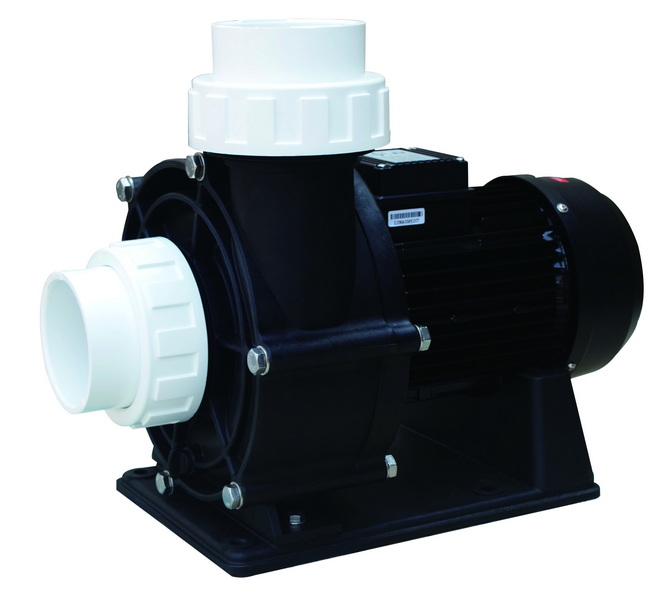
PVC (Polyvinyl Chloride) pool fittings form the backbone of most pool plumbing systems due to their excellent chemical resistance, durability, affordability, and ease of installation. Understanding different types of fittings is essential before deciding how to seal them.
- Threaded Fittings: These have male and female threads that screw together. They allow disassembly and maintenance.
- Slip (Socket) Fittings: Joined with PVC primer and cement, providing a permanent, leak-proof bond.
- Adapters & Couplers: Used to join pipes of different sizes or types.
- Valves and Unions: Provide control over water flow and enable sections of plumbing to be easily removed.
Unlike slip fittings, threaded fittings rely on a watertight seal created along the threads. Using Teflon tape or an alternative sealant improves the integrity of these joints.
Teflon tape, also called PTFE (Polytetrafluoroethylene) tape, is a thin, flexible white tape commonly used in plumbing applications. It wraps around male pipe threads before the fitting is connected to the female threads.
Functions of Teflon Tape Include:
- Filling microscopic gaps between metal or plastic threads
- Preventing leak paths for water or air
- Reducing friction during assembly while protecting threads from damage
- Facilitating easier disassembly when maintenance is required
Because it is chemically inert and resistant to chlorine and pool chemicals, Teflon tape is ideal for water systems including pools.
Given the function of Teflon tape, why exactly should you use it on PVC pool fittings? Here are the key reasons:
- Creates a Watertight Seal: Threads, even precisely manufactured ones, have tiny voids that water can seep through under pressure. Teflon tape fills these gaps, resulting in a leak-proof connection.
- Protects Threads: It reduces metal-to-metal or plastic-to-plastic abrasion, preventing galling (thread binding) especially during repeated assembly/disassembly.
- Withstands Pool Chemicals: Chlorine, bromine, and saline pools are harsh on many materials, but PTFE tape remains stable and effective.
- Allows Easy Maintenance: Unlike glue, Teflon tape is removable, so threaded joints can be opened and resealed if needed.
- Prevents Air and Suction Leaks: This is critical since air entering the pump can cause overheating or loss of prime.
In pool plumbing, fitting leaks are a common headache. Correctly applied Teflon tape is a simple, low-cost defense against these problems.
Proper tape application is essential for effectiveness. Here's a detailed, photo-illustrated guide to applying Teflon tape on threaded PVC pool fittings:
Remove dirt, moisture, and old sealant residues. Dry threads ensure better tape adhesion.
- Use white Teflon tape rated for water plumbing (commonly 3-6 mil thickness).
- Avoid yellow tape (for gas lines) or tapes with waxes/oils incompatible with PVC.
- Hold the fitting firmly in one hand.
- Place the tape at the male thread's starting edge, making sure not to cover the opening to keep the pipe clear.
- This is crucial—wrap the tape in the direction the fitting screws in (clockwise as you face the thread).
- This prevents the tape from unraveling during assembly.
- Generally, three full wraps are suitable for most fittings.
- More wraps may be necessary for loose or worn threads but avoid excess.
- Smooth the tape down with your fingers to fill thread grooves and prevent loose ends.
- Hand-tighten the fitting to start.
- Use a wrench to turn an additional 1–2 turns, but avoid overtightening (this can crack PVC fittings).
While Teflon tape is widely used, some professionals prefer alternatives depending on the situation:
- A paste or gel applied to threads.
- Offers strong seals and lubrication but can be messier and harder to clean.
- Choose PVC-safe, water-resistant sealants free of petroleum.
- Flexible and more forgiving to small fitting misalignments.
- Cure time can delay assembly.
- Easier to remove than glue, but not as clean as tape.
- Only for slip (socket) fittings, not threaded joints.
- Creates a permanent connection unsuitable for maintenance reassembly.
| Product Type | Pros | Cons |
|---|---|---|
| Teflon Tape | Easy to use, clean removal | May tear or cause leaks if misused |
| Pipe Dope | Strong seal, good lubrication | Messy, harder to disassemble |
| Silicone Sealant | Flexible, chemical-resistant | Slower curing |
| PVC Cement | Permanent, strong bond for slip fittings | Not for threads, no disassembly |
Even with the right products, mistakes cause leaks and failures:
1. Overtightening:
Turns from hand-tightened to wrench-tightened should be minimal. Excessive force cracks female PVC fittings.
2. Wrong Sealant Choice:
Petroleum-based pastes harm PVC. Always confirm chemical compatibility.
3. Wrapping Tape in the Wrong Direction:
Wrapping counterclockwise causes the tape to unravel during assembly.
4. Too Much Tape:
Excess tape may prevent full thread engagement, causing cross-threading or leaks.
5. Ignoring Slip vs Threaded Fittings:
Teflon tape is useless on slip fittings, which require PVC glue.
6. Not Cleaning Threads Properly:
Dirt or moisture reduces tape adhesion and the quality of the seal.
Beyond proper sealing, consider the following for durability:
- Regular Inspection: Check fittings for leaks, cracks or discoloration every pool season.
- Avoid Mixing Metals and PVC Threads: Metal-to-plastic joints can wear differently, requiring extra care with tightening and tape application.
- Use Unions and Valves Wisely: Facilitate easy maintenance by incorporating unions that do not typically require tape as they use gaskets.
- Protect Pipes from UV: PVC is susceptible to UV damage, so paint or cover exposed pipes.
- Pressure Test Your Plumbing: After installation, pressure test to 1.5 times working pressure to locate potential leaks before use.
- Manufacturers (e.g., Spears, Lasco):
Recommend pipe thread sealants over tape for PVC to reduce stress cracking and overtightening risk but acknowledge tape's wide acceptance.
- Pool Professionals and Technicians:
Commonly insist on 3–6 wraps of white Teflon tape, with minimal wrench tightening and caution against petroleum-based compounds.
- Pool Forums & Industry Advice:
Warnings against glue on threaded fittings and advice on using non-hardening sealants for plastic.
Teflon tape is a reliable and widely accepted method for sealing male threaded PVC pool fittings. When used properly—applying 3 to 6 wraps clockwise on clean, dry threads and avoiding overtightening—it creates a long-lasting, leak-proof, chemical-resistant seal essential for pool plumbing systems.
However, always follow manufacturer guidelines, and consider supplementing tape with PVC-safe non-petroleum sealants for challenging leaks. Never use Teflon tape on slip (glue) fittings, and avoid petroleum-based pastes that degrade PVC.
By mastering proper sealing techniques and maintenance best practices, you'll ensure years of trouble-free operation, protect valuable pool equipment, and uphold a safe swimming environment.
No. Always use PVC primer and cement for slip fittings. Teflon tape is only for threaded connections.
Yes, when applied correctly, it fills micro-gaps and prevents water seepage under pressure.
Use white PTFE tape specified for water plumbing. It resists chlorine and salt well.
Some pros apply tape first, then a non-petroleum paste sealant over it for extra protection, but avoid combinations that could react chemically.
Hand-tighten first, then 1–2 turns with a wrench maximum. Overforce breaks female PVC threads.
Yes, but be careful to avoid overtightening due to metal threads' strength.
Peel gently with fingers or a soft brush to prepare the threads for resealing.
They can, but always inspect threads. Old tape should be removed and fresh tape applied on each reassembly.
Difficulty threading, cross-threading, or cracked fittings can be signs.
Yes, leaks reduce pump efficiency and can cause air locks or surface corrosion on electrical components.


