
Views: 222 Author: Tina Publish Time: 2025-10-01 Origin: Site


Content Menu
● Key Differences Between Above Ground and Inground Pool Pumps
● Can You Use an Above Ground Pump on an Inground Pool?
>> Here are the primary issues:
>> Strain on Electrical System
● Recommended Pump Setup for Inground Pools
● Expert Advice: Variable-Speed Pumps
>> Case 1: Attempting to Use an Above Ground Pump
>> Case 2: Using an Above Ground Pump Temporarily
● Frequently Asked Questions (FAQs)
>> 1. What happens if I use an above ground pump on an inground pool?
>> 2. Can a variable-speed pump be used for both above ground and inground pools?
>> 3. How do I know what pump size is right for my inground pool?
>> 4. Is it cheaper to use an above ground pump on an inground pool?
>> 5. What type of filter works best with inground pumps?
To keeping your swimming pool crystal clear and circulating properly, your pool pump plays the most important role. But what if you already own or were offered a pump designed for an above ground pool and you wonder whether it can also be used on your inground pool? This question often comes up for homeowners looking to save money or make use of existing equipment.
In this complete guide, we will explore whether it is possible, the technical differences between the two types of pumps, the potential risks, expert recommendations, and alternative solutions.
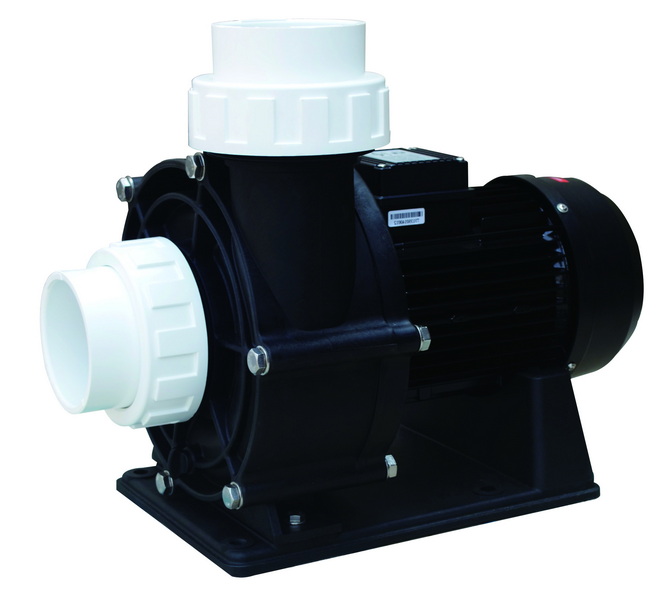
A pool pump is often referred to as the “heart of the pool system.” It draws water from the swimming pool, pushes it through the filtration system (sand filter, DE filter, or cartridge filter), and then circulates clean, sanitized water back into the pool. Proper pumping action ensures:
- Clean water free of debris
- Correct chemical distribution
- Algae prevention
- Safe swimming conditions
- Above Ground Pool Pumps – Generally used in smaller residential setups, they are installed below or at water level and lack strong self-priming ability. Their power is suitable for small filtration systems.
- Inground Pool Pumps – Designed for more complex and larger pools, these pumps are self-priming, meaning they can pull water from below water level and cope with longer piping systems and deeper skimmers.
| Feature | Above Ground Pool Pump | Inground Pool Pump |
|---|---|---|
| Motor Power | 0.5–1.5 HP | 0.75–3.0 HP |
| Priming Ability | Non self-priming | Self-priming |
| Flow Rates | Lower | Higher |
| Durability | Seasonal, light-duty | Made for permanent, continuous use |
| Price | Less expensive | Higher cost due to advanced design |
Technically, yes—it is possible to connect an above ground pool pump physically to an inground pool system. However, the key question is not “Can you?” but “Should you?”
1. Suction Power
Inground pools often require the pump to draw water from much below the installation level. Above ground pumps lack priming capability and usually cannot handle vertical lift more than a foot or so.
2. Flow Rate Mismatch
Sand, DE, and cartridge filters for inground pools are much larger. A weak pump may not create enough flow to push water through the medium effectively, reducing filtration efficiency.
3. Overworking the Pump
Using a smaller pump in a larger application causes strain. The pump tries to circulate more water than it can handle, which leads to premature burnout.
4. Water Quality Problems
Because chemicals are not evenly distributed in still water, cloudy and unsafe conditions may occur.
5. Higher Maintenance Effort
More vacuuming, brushing, and manual water treatment will be required if circulation is insufficient.
One of the biggest risks is dead zones in your pool where water becomes stagnant. This encourages algae growth.
Your filter depends on enough water pressure to trap dirt and debris. Without it, contaminants pass back into your pool.
When an underpowered motor runs continuously, it overheats, drives up electricity bills, and can potentially become a fire risk.
Replacing burned-out pumps, motors, or filters ends up costing far more than just investing in the right pump initially.
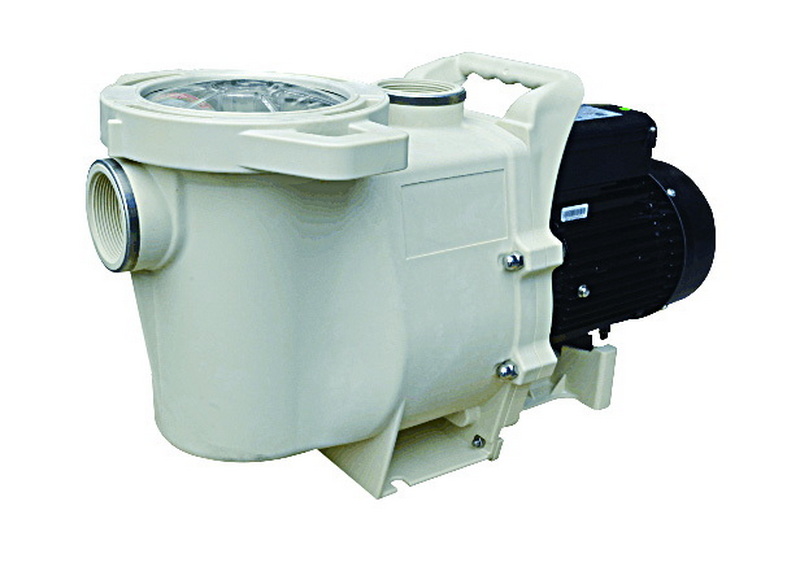
Choosing the proper inground pool pump requires looking at a few factors:
- Pool Volume – Larger pools demand higher horsepower and turnover rates.
- Pipe Length & Size – Long runs with multiple elbows increase resistance.
- Filter Type – Sand and DE filters perform best with steady, powerful flow.
- Pools up to 15,000 gallons → 0.75–1 HP pump
- Pools up to 25,000 gallons → 1.5 HP pump
- Pools over 30,000 gallons → 2.0–3.0 HP pump
Sometimes, pool owners may want to use what they already have in an emergency. While an above ground pump is not ideal, here are a few cases where it may temporarily suffice:
- Very Small Inground Pools (less than 10,000 gallons)
- Short-term replacement while waiting for a new pump
- Secondary operations like water features, hot tubs, or circulation for solar pool heating
Note: None of these should be considered permanent solutions. A dedicated inground pump will always perform more reliably.
These pumps automatically adjust motor speed, leading to:
- Cutting energy usage by up to 70%
- Much quieter operation
- Reduced wear on pump parts
- Longer lifespan compared to single-speed models
Variable-speed pumps are now required in many regions for energy efficiency compliance.
A homeowner with a 20,000-gallon inground pool tried connecting a 1 HP above ground pump. Initially, water circulated slightly, but within two weeks water became cloudy, chlorine levels were unstable, and the pump motor overheated frequently. The repair technician strongly advised replacing it with a self-priming inground pump.
Another pool owner had her main inground pump motor fail in peak summer. While waiting for replacement, she used a small above ground pump. It worked temporarily to keep water moving, but she also had to supplement with manual vacuuming and shock treatments. Once replaced with the proper pump, water clarity improved within days.
While you can physically connect an above ground pool pump to an inground pool, it is not a good long-term solution. The primary reasons are insufficient priming power, inadequate flow rates, and higher risk of pump failure. Such mismatches lead to poor water circulation, inefficient filtration, and costly maintenance problems.
To ensure safe, clean, and enjoyable swimming conditions, always choose a properly sized inground pool pump designed for your pool's volume, plumbing layout, and filtration system. Modern variable-speed models are the best investment, reducing energy costs and extending equipment life.
For businesses, our factory offers sand filters, DE filters, cartridge filters, water pumps, LED lights, and accessories, manufactured using advanced intelligent machinery. With OEM service, international brands and wholesalers can ensure their customers get high-quality, reliable pool solutions.
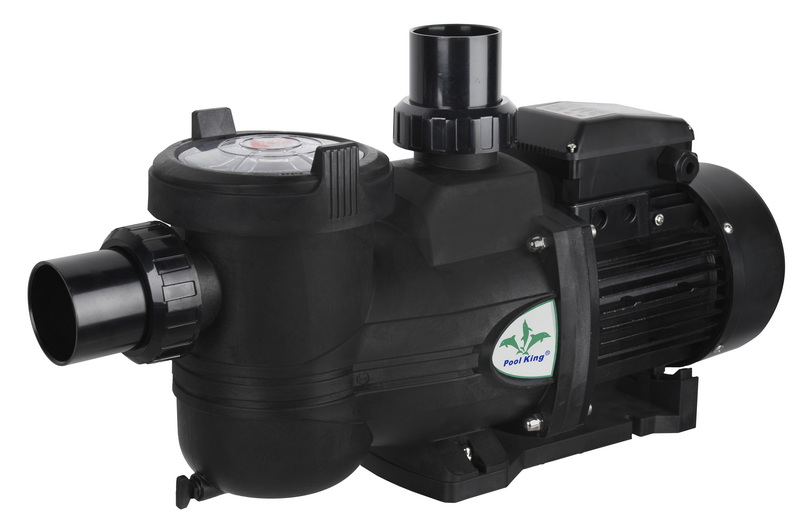
It may run for a while, but poor suction and insufficient circulation lead to cloudy water and can permanently damage the pump.
Yes, if properly sized. Variable-speed pumps are versatile and energy efficient, making them suitable for both applications.
Calculate pool volume in gallons, measure resistance caused by plumbing, and select a pump that can turn over the full pool volume in 6–8 hours.
Not in the long run, as inefficiency, high energy bills, and frequent pump failures end up costing more than purchasing the correct pump.
Sand filters are low-maintenance, DE filters provide the best clarity, and cartridge filters conserve water. Match the pump to the filter's flow rate capacity.


