
Views: 222 Author: Tina Publish Time: 2025-12-19 Origin: Site


Content Menu
● Why Extension Cords Are a Problem
● What the Electrical Code Expects
● When People Still Use Extension Cords
● Electrical Load, Cord Gauge, and Voltage Drop
● GFCI Protection and Outdoor Safety
● Practical Scenarios: Above‑Ground vs In‑Ground Pools
● Safer Alternatives to Extension Cords
● How OEM Pool Pump and Filter Suppliers Can Help
● FAQs About Running a Pool Pump on an Extension Cord
>> 1. Is it ever safe to use an extension cord for a pool pump?
>> 2. What kind of extension cord is best if I must use one?
>> 3. Does using an extension cord void my pump warranty?
>> 4. Why do codes talk about cord length limits and “no extension cords”?
>> 5. What should I do instead of using an extension cord?
Running a pool pump on an extension cord is technically possible in some temporary, above‑ground pool situations, but it is not recommended as a long‑term solution and is often restricted or effectively prohibited by electrical codes and safety best practices. The safer, professional approach is to install a dedicated, code‑compliant circuit and outdoor receptacle near the pump instead of relying on an extension cord.[1][2][3][4]
As a China‑based factory manufacturing premium sand filters, DE filters, cartridge filters, pool pumps, LED pool lights, and accessories, and supplying OEM services to foreign brands, wholesalers, and manufacturers, this topic comes up frequently when homeowners or small commercial sites try to “stretch” power to a pool pad. Using the correct cable size, GFCI protection, and outdoor‑rated equipment matters just as much as choosing a high‑quality pump and filter system.[2]
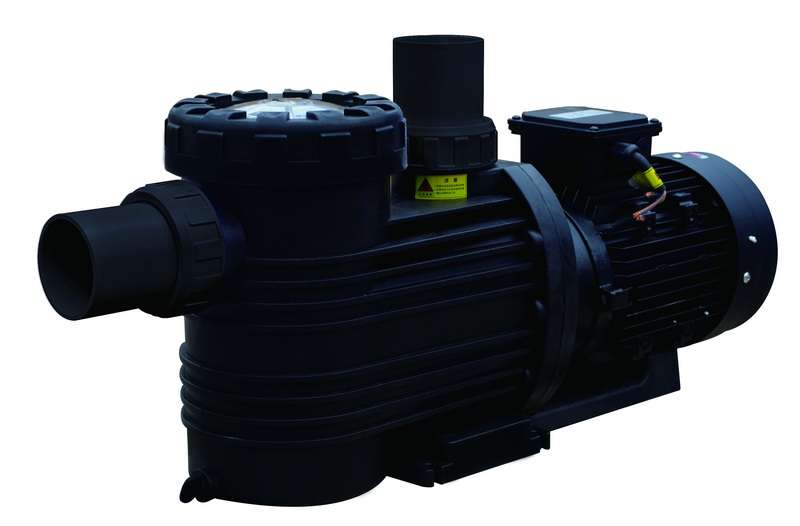
For permanently installed pools, most jurisdictions require fixed wiring and properly located GFCI‑protected outlets, not extension cords, for pool pumps and related equipment. Extension cords are considered temporary wiring, and codes like the NEC explicitly discourage or forbid them as a substitute for permanent wiring near pools.[2][3][4][5]
There are two major safety risks:
- Shock and electrocution if a damaged cord, wet connection, or missing GFCI allows fault current through water or a person.[6][2]
- Fire hazards if an undersized, long, or coiled cord overheats under the pump's continuous current draw.[6][1]
Electrical codes (for example, NEC Article 680 in the United States) are written specifically to reduce risk around pools, spas, and water features. For typical pool pump circuits, they expect:[2]
- A dedicated 15–20 A GFCI‑protected branch circuit, using wet‑location rated cable and conduit.[2]
- A properly located receptacle for the pump, often 6–10 ft or more from the pool water line, with minimum burial depth and routing rules if wiring is underground.[3][2]
Some local pool wiring summaries explicitly state that extension cords shall not be used for pool pumps and that the pump cord itself is limited to a short length (for example, 3 ft) unless it is part of a listed storable pool system. Even where extension cords are not mentioned directly, general NEC rules on flexible cords treat them as temporary and not a replacement for permanent wiring.[4][5][3]
Despite code guidance, many above‑ground pool owners do run small pumps on extension cords, at least temporarily. In these informal setups, success and safety depend heavily on using the right type of heavy‑duty outdoor cord, keeping distances short, and ensuring proper GFCI protection.[7][8][1]
However, even articles that explain how to select an extension cord emphasize that it is “possible but not preferred” and should remain a temporary solution until a proper outlet can be installed near the pool equipment. For in‑ground pools, semi‑commercial installations, and permanent systems, a correctly wired pump circuit is strongly recommended instead of any extension cord.[8][1]
A pool pump is a continuous‑duty motor load, which means it can run for many hours and draw significant current, especially for 1–2 hp models. A typical modern 1 hp, 120 V above‑ground pool pump might draw around 10–12 A, while larger pumps will draw more.[1]
Key factors:
- Wire gauge (AWG):
- 12 AWG or 10 AWG outdoor‑rated cords are typically recommended when an extension is unavoidable, because they can handle 10–15 A loads with less heating and voltage drop.[8][1]
- Thinner cords (higher gauge numbers than 12, such as 14 or 16 AWG) are more likely to overheat and suffer excessive voltage drop over distance.[1]
- Cord length:
- Longer cords increase resistance and voltage drop, which reduces voltage at the pump, potentially causing overheating, motor stress, nuisance tripping, or poor performance.[1]
- Shorter cords with heavier gauge conductors deliver power more efficiently; guidance often suggests staying under 50 ft with 12 AWG and using 10 AWG if approaching 100 ft.[1]
- Dedicated circuit:
- Running a pump from a shared circuit, with other appliances on the same extension cord, raises total current and may exceed ratings, creating both tripping and fire hazards.[7][1]
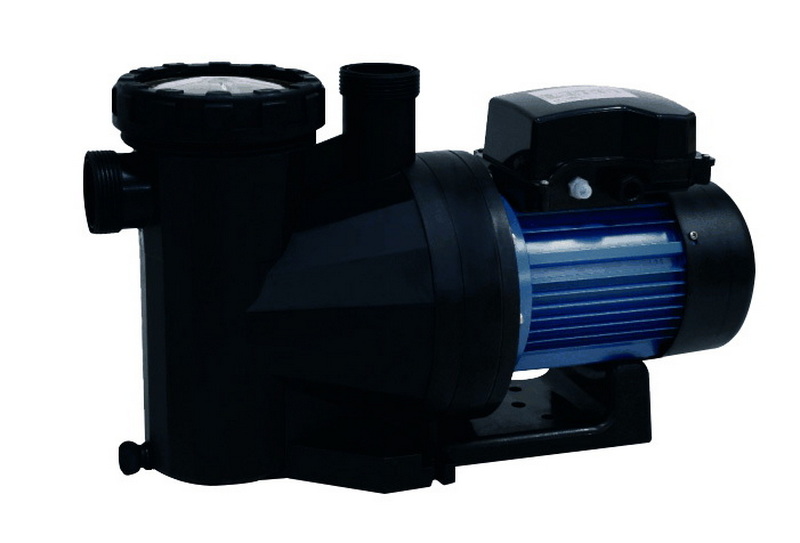
Because water and electricity are a dangerous combination, GFCI (Ground‑Fault Circuit Interrupter) protection is essential for pool pumps, whether hard‑wired or plug‑in. GFCIs detect small leakage currents and trip quickly, greatly reducing the risk of fatal shock.[7][2]
Good practice includes:
- Plugging any pump or cord into a GFCI‑protected outlet or using an inline GFCI device specifically rated for outdoor use.[9][2]
- Keeping all cord connections off the ground and protected from rain, splashing, and standing water, using listed covers or connection protectors, rather than wrapped in tape or plastic bags.[10][9]
- Routing cords so they are not within reach of swimmers, not creating tripping hazards, and not passing under doors or gates where insulation can be damaged.[10][6]
Some safety videos demonstrate these principles visually, showing GFCI use, cord sizing, and why extension cords are risky near pools.[11][9]
Above‑ground and temporary pools
- Many storable pools come with a factory‑installed pump cord and built‑in or plug‑in GFCI, designed for plug‑and‑play use where a nearby outlet exists.[8][1]
- Where the pump cord is just slightly short of the outlet, some owners use a short, heavy‑duty outdoor extension cord (10–12 AWG) on a GFCI outlet as a stop‑gap solution until an electrician installs a closer receptacle.[7][1]
In‑ground and permanent pools
- In‑ground systems are usually regulated as permanent installations with stricter requirements: buried conduit, bonded equipment, dedicated circuits, and properly rated motors.[3][2]
- For these systems, using an extension cord is considered poor practice and is generally contrary to the spirit of the code, even if not mentioned word‑for‑word in every jurisdiction.[12][2]
In both cases, a professionally installed circuit and receptacle at the equipment pad is the safest and most durable option.
Instead of relying on an extension cord, the recommended long‑term solutions are:
- Install a dedicated outdoor GFCI receptacle near the pump
A licensed electrician can install a new circuit in conduit to a weatherproof box at the equipment pad, meeting code distances from the pool and burial depth requirements.[3][2]
- Use factory‑configured pump cord options
Many OEM pump and filtration products can be supplied with specific cord lengths, plug types, and voltage ratings to match local regulations and reduce the need for additional cords.[8]
- Upgrade to a modern, efficient pump and matching filter
A properly sized, efficient pump (for example, a variable‑speed model paired with a high‑performance sand or cartridge filter) often runs cooler and draws lower current, reducing electrical stress when wired correctly.[1]
For brands, wholesalers, and manufacturers importing OEM pool equipment, specifying correct voltage, plug type, cord length, and safety markings at the factory level is an excellent way to encourage safe installation by end users.
Professional OEM factories play a key role in electrical safety around pools by integrating compliant power options directly into the product line. This includes:
- Offering custom cord sets and plug configurations (length, gauge, plug standard, GFCI options) tailored to the target country's electrical codes and customer expectations.[8]
- Providing clear electrical data (voltage, frequency, full‑load current, recommended circuit size) and installation instructions that discourage improper extension cord use and promote safe wiring.[2]
As a manufacturer of sand filters, DE filters, cartridge filters, pool pumps, LED lights, and accessories, supplying OEM services for global brands, you can position your products as not only high‑performance but also safety‑focused, helping partners reduce warranty claims and liability.[8]
Running a pool pump on an extension cord is sometimes done for small, temporary above‑ground pools, but it is not the safest or most professional way to power a pump, and many codes and manufacturers effectively discourage or restrict it. Where an extension cord is unavoidable for short‑term use, it must be a heavy‑duty, outdoor‑rated 10–12 AWG cord, kept as short as practical, plugged into a GFCI outlet, and routed to avoid water and tripping hazards.[7][3][1]
For permanent or semi‑permanent pool installations, especially in‑ground pools, the correct solution is a dedicated, code‑compliant circuit and receptacle near the equipment pad, installed by a qualified electrician. OEM pump and filter manufacturers can support safer installations by providing well‑designed, properly rated pumps, filters, and LED lights with suitable electrical configurations for each market, reducing the temptation to rely on risky extension cord setups.[12][2][8]
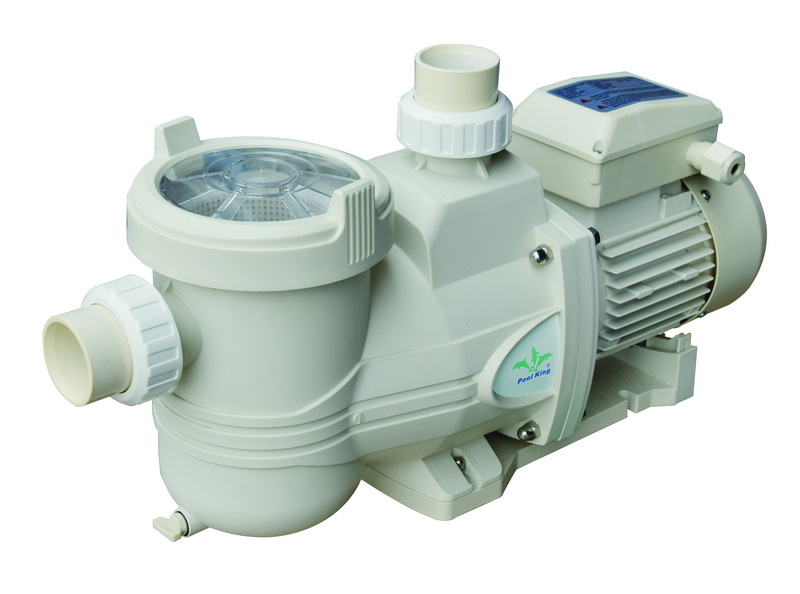
In some temporary above‑ground pool setups, a short, heavy‑duty outdoor extension cord (10–12 AWG) on a GFCI outlet may work acceptably for a limited time, but it is not considered a preferred or permanent solution. Electrical codes and many experts still advise installing a dedicated outlet near the pump as soon as possible.[3][2][8][1]
If an extension cord is absolutely necessary, choose an outdoor‑rated, grounded cord with 10 or 12 AWG conductors, sized for at least 15 A, and keep it as short as practical (often under 50–100 ft depending on gauge). Avoid thin household cords (14 or 16 AWG), which are more prone to overheating and excessive voltage drop under continuous pump loads.[7][1]
Many pump manufacturers warn against using extension cords and may regard their use as misuse that risks voiding warranty coverage if the pump is damaged. Owners should check the specific warranty and installation instructions that come with their pump or OEM system to confirm any restrictions.[8][1]
Pool wiring rules often restrict the length of pump cords (for example, 3 ft maximum for certain installations) and explicitly state that extension cords shall not be used, because longer flexible cords near water increase shock, damage, and misuse risks. Codes instead expect properly installed fixed wiring, GFCI protection, and correctly located receptacles to power pool pumps.[4][2][3]
The best long‑term solution is to have a licensed electrician install a dedicated GFCI‑protected circuit and outdoor receptacle within the allowable distance from your pool equipment, following local code and manufacturer guidelines. When purchasing OEM pump and filtration systems, choose products that clearly specify voltage, current, and cord options so your installation can be safe and compliant from the start.[12][2][8]
[1](https://abovegroundpoolbuilder.com/can-you-use-an-extension-cord-for-a-pool-pump/)
[2](https://nassaunationalcable.com/blogs/blog/explaining-nec-article-680-on-pools-spas-and-water-based-installations)
[3](https://www.mtpleasantwi.gov/DocumentCenter/View/390/Pool-Wiring-Summary-2017-NEC)
[4](https://www.mikeholt.com/newsletters.php?action=display&letterID=2168)
[5](https://www.facebook.com/groups/637529959937311/posts/2207829919573966/)
[6](https://www.reddit.com/r/pools/comments/ns6ydj/is_it_safe_to_run_a_pool_with_an_extension_cord/)
[7](https://www.reddit.com/r/AskElectricians/comments/1jicuia/extension_cord_for_pool_pump_please_tell_me_i_can/)
[8](https://ownthepool.com/extension-cords-for-pool-pumps/)
[9](https://www.youtube.com/watch?v=9AkB6lsQEjc)
[10](https://twistandseal.com/products/twist-and-seal-pool-safety-pack-poolside-extension-cord-connection-protection)
[11](https://www.youtube.com/watch?v=32XjZmpnFWA)
[12](https://www.livewireelectricalcharlotte.com/2021/04/electrical-requirements-you-need-to-know-for-above-ground-pools/)
[13](https://forum.allaboutcircuits.com/threads/pool-pump-and-extension-cord-safety.169461/)
[14](http://www.poolhelpforum.com/viewtopic.php?t=520)
[15](https://www.facebook.com/groups/637529959937311/posts/2270150843341873/)
[16](https://www.electricallicenserenewal.com/Electrical-Continuing-Education-Courses/NEC-Content.php?sectionID=959)
[17](https://www.walmart.com/c/kp/best-extension-cord-for-pool-pump)
[18](https://www.familyleisure.com/support-videos/Pool-School/Extension-Cord/)
[19](https://forums.mikeholt.com/threads/question-about-swimming-pool-nec-680-22-a-1.2555189/)
[20](https://www.reddit.com/r/swimmingpools/comments/1dcgb0m/can_you_bury_a_power_cable_for_an_above_ground/)


