
Views: 222 Author: Tina Publish Time: 2025-09-18 Origin: Site


Content Menu
● Common Reasons Your Pool Pump Isn't Working
● Troubleshooting Your Pool Pump Step-by-Step
>> Step 1: Check the Power Supply
>> Step 2: Inspect and Clean the Filter
>> Step 4: Clear the Pump Impeller
>> Step 5: Check the Motor for Damage
>> Step 6: Verify Pool Water Level
>> Step 7: Review Pump Settings and Timer Controls
● Preventive Maintenance for Pool Pumps
● Frequently Asked Questions (FAQ)
>> 1. Why does my pool pump keep losing prime?
>> 2. How often should I clean or backwash my pool filter?
>> 3. Is it okay to run my pool pump 24/7?
>> 4. What are the advantages of variable-speed pool pumps?
>> 5. How long can I expect my pool pump to last?
A functioning pool pump is crucial to maintaining a clean and healthy swimming pool by efficiently circulating and filtering water. When your pool pump stops working or malfunctions, it can quickly lead to poor water quality, algae growth, and an unsafe swimming environment. Understanding the common reasons why your pool pump isn't working and how to troubleshoot these issues can save you time, money, and frustration.
This article covers the major causes of pool pump failures, step-by-step troubleshooting techniques, preventive maintenance tips to keep your pool pump operating smoothly, and advice on when to call a professional. Clear explanations, images, and videos will help you diagnose and fix your pool pump effectively.
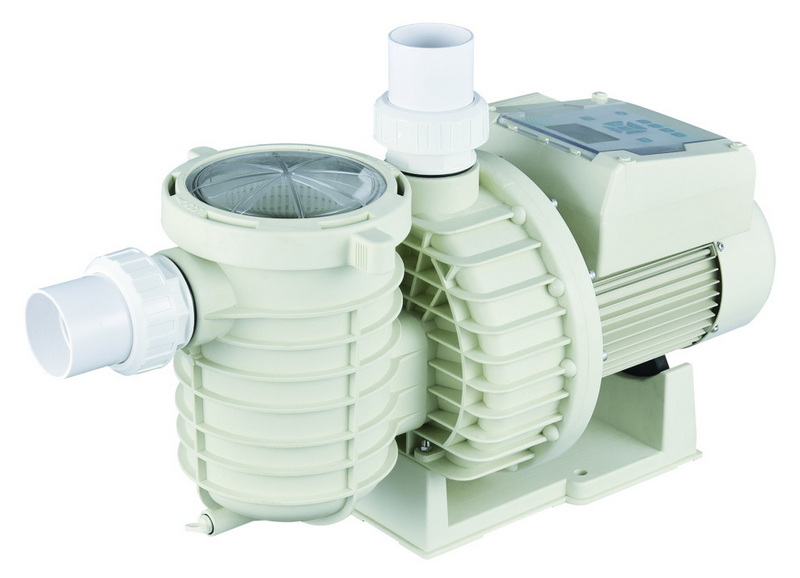
A pool pump's main role is to pull water from the pool, push it through a filtration system, and then return clean water back to the pool. The pump system generally includes:
- An electric motor that powers the pump
- An impeller that moves water through the system
- A pump strainer basket that catches large debris
- A filter housing (typically sand filters, DE filters, or cartridge filters)
- Piping and valves to direct water flow
Water is drawn through the skimmer and main drains, passes through the pump strainer basket (which catches leaves and debris), then through the filter to remove smaller particles, and finally returned to the pool via return jets. This continuous circulation keeps the water clean and chemically balanced.
Understanding why a pool pump fails helps you diagnose problems quickly.
1. Power Supply Issues
The pump won't run without power. The most common electrical issues include tripped breakers, blown fuses, faulty outlets, or damaged power cords.
2. Clogged or Dirty Filter
Filters accumulate dirt, algae, and debris over time, reducing water flow. A sand filter could have compacted sand; a DE filter might be coated with debris; cartridge filters can be dirty or torn.
3. Air Leaks
Air in the suction line causes the pump to lose prime and reduces pumping efficiency. Leaks may be caused by a cracked pump lid, damaged O-ring seals, loose fittings, or holes in hoses.
4. Pump Impeller Blockage
Leaves, sticks, or other debris can get stuck in the impeller, blocking water flow and causing the motor to overheat and fail.
5. Motor Problems
Motors can fail due to worn bearings, burnt windings, bad start capacitors, or electrical shorts. Unusual noises or failure to start may indicate motor issues.
6. Low Pool Water Level
A pool water level lower than the skimmer opening allows air to be drawn into the pump, causing the loss of prime and inefficient operation.
7. Incorrect Pump Settings or Timer Issues
Sometimes, the pump settings or timer controls are set incorrectly, causing the pump to turn off or run intermittently at unwanted times.
8. Clogged Pump Basket or Suction Line
A full pump basket or blocked suction line restricts water flow and can cause the pump to overheat or shut off.
- Confirm the pump is plugged in securely.
- Check the circuit breaker and reset it if tripped.
- Test the outlet with another device to verify power supply.
- Inspect the power cord for cuts or damage.
- Check the pressure gauge on the filter. High pressure indicates a dirty filter.
- Backwash sand and DE filters according to manufacturer instructions.
- Remove and rinse cartridge filters thoroughly or replace if worn.
- Clean all filter strainers and baskets.
- Remove the pump lid and check the O-ring for cracks, dirt, or dryness. Replace or lubricate as needed.
- Tighten union fittings on suction and return lines.
- Inspect all hoses for cracks or holes and replace damaged ones.
- Turn off and disconnect the pump power.
- Remove the pump strainer basket and clear debris.
- Access the impeller by removing the pump housing (consult your manual).
- Remove any leaves, dirt, or foreign objects from the impeller chamber.
- Listen for unusual sounds such as grinding or humming.
- Feel the motor casing for overheating.
- Smell for burnt electrical scents.
- Test the motor capacitor with a multimeter or hire a professional electrician.
- Check that the water level is halfway up the skimmer opening.
- Refill the pool if the level is too low.
- Never run the pump dry, as this can seriously damage seals and the motor.
- Check the timer programming to ensure the pump runs during desired hours.
- Adjust pump speed if you have a variable-speed pump.
- Confirm control panel settings; reset to default if needed.
- Backwash or clean filters regularly (every 4–6 weeks or when pressure rises).
- Lubricate and inspect pump lid O-rings monthly.
- Keep the pool water level consistent, especially during hot or dry weather.
- Clear leaves and debris from the pump basket weekly.
- Schedule annual professional inspections during pool off-season.
- Monitor pump noise and vibration; unusual sounds often warn of future problems.
- Replace worn pump seals and bearings promptly.
- Use pool covers when not in use to reduce debris in the pool.
While many common pool pump problems can be solved by careful inspection and routine maintenance, some issues require expert help:
- Persistent electrical faults or motor failure
- Complex impeller or shaft replacements
- Seal replacements requiring specialized tools
- Advanced diagnostic testing of motor windings and capacitors
- Major component replacements on older pumps
Hiring certified pool technicians ensures safe and reliable repair to extend your pump's life.
A properly functioning pool pump is essential for keeping your pool water clean, clear, and healthy. When your pump isn't working, checking common problems such as power supply issues, dirty or clogged filters, air leaks, impeller blockages, motor malfunctions, water levels, and improper settings can help you quickly identify and fix the problem. Following routine preventive maintenance practices will prevent many issues, improve pump efficiency, and prolong equipment life. For complex mechanical or electrical failures, it's best to call a professional. With these tips, you can maintain optimal pool conditions and enjoy worry-free swimming.
Loss of prime usually results from air leaks in the suction line, low water levels, or a dirty pump basket. Check and fix leaks and ensure proper water level to maintain prime.
You should backwash sand and DE filters every 4–6 weeks during heavy use or when the pressure gauge rises 8–10 psi above normal. Cartridge filters should be rinsed every 2–4 weeks and replaced annually.
Running a pool pump continuously increases energy costs and can wear out the motor faster. Most pools only need 6–8 hours of run time daily, optimized according to pool size and usage.
Variable-speed pumps are more energy-efficient than single-speed ones and allow you to adjust motor speed based on needs, saving electricity and lowering utility bills.
With proper maintenance, pool pump motors typically last 8–12 years. Impellers, seals, and other parts may need replacement more frequently, depending on use and environment.


