
Views: 222 Author: Tina Publish Time: 2026-01-25 Origin: Site


Content Menu
● Why Is My Pool Filter Blowing Out Sand After Backwash
● How a Sand Pool Filter Works
● What Backwashing Does in a Sand Pool Filter
● Main Reasons Your Pool Filter Blows Out Sand After Backwash
>> 1. Broken or Cracked Laterals
>> 2. Damaged Standpipe or Hub
>> 3. Worn or Faulty Multiport Valve
>> 4. Incorrect Backwash and Rinse Procedure
>> 5. Wrong Sand Type or Incorrect Sand Level
● Step‑by‑Step Troubleshooting Guide for a Sand Pool Filter
● How to Backwash and Rinse a Sand Pool Filter Correctly
● When to Replace Sand in a Pool Filter
● Upgrading or Sizing Your Pool Filter Correctly
● Using Professional‑Grade Pool Filters, Pumps, and Accessories
● Maintenance Tips to Prevent Sand Problems in a Pool Filter
● FAQ – Pool Filter Sand Problems
>> FAQ 1 – Why is my pool filter blowing out sand right after backwash?
>> FAQ 2 – How can I tell if the laterals in my sand pool filter are broken?
>> FAQ 3 – What type of sand should I use in my pool filter?
>> FAQ 4 – How often should I replace the sand in my pool filter?
>> FAQ 5 – Can I prevent sand from entering my pool during backwash and rinse?
A pool filter blowing out sand after backwash usually means something is wrong inside the sand filter, the multiport valve, or the way the backwash and rinse cycles are performed. In many cases, damaged laterals or standpipe, incorrect sand level, or skipping the rinse cycle are the main causes. By understanding how a sand pool filter works and following a clear troubleshooting process, you can stop sand from entering your pool and protect your filtration system.
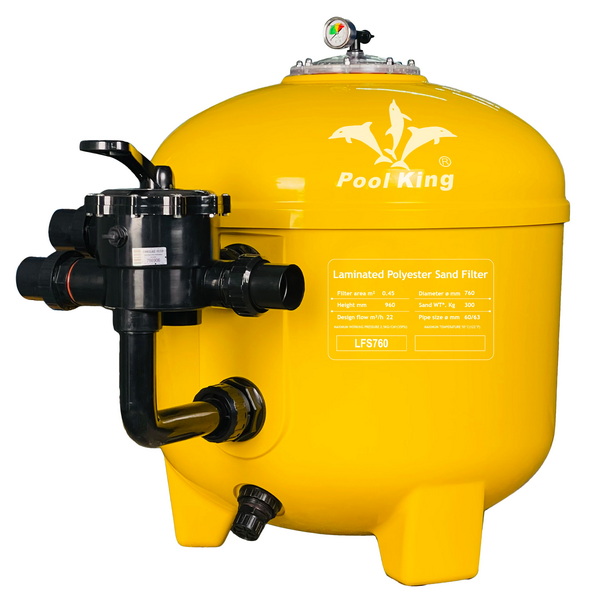
When a sand pool filter works correctly, water should return crystal clear to the pool after backwashing and rinsing. If your pool filter is sending sand back into the water, this is a clear sign that internal parts are worn, cracked, misaligned, or the backwash sequence is incorrect. Understanding how a sand pool filter works is the first step to solving the problem and protecting your pool equipment investment.
A properly sized and maintained pool filter not only keeps the water clear but also supports efficient circulation, stable chemical balance, and a better swimming experience. When sand appears in the pool, it immediately reduces water aesthetics, can irritate swimmers, and often indicates deeper issues that, if ignored, may lead to costly repairs.
A sand pool filter traps dirt as water passes through a bed of graded filter sand, then returns clean water to the pool through internal laterals and a standpipe. During filtration mode, debris stays in the sand while only filtered water flows back through the return lines. This simple mechanical process is reliable when the sand, internals, and valve are all in good working condition.
- Inside the tank, the standpipe connects the multiport valve at the top to the lateral hub at the bottom.
- The laterals are small slotted arms that allow water through but keep the sand media inside the pool filter.
- Over time, oils, dirt, and scale clog the sand, which is why regular backwashing is essential to maintain pool filter efficiency.
Because the pool filter is under constant pressure and flow, even small cracks or misalignments in these parts can quickly turn into visible sand in the pool. If the internal components are manufactured or installed with poor tolerances, the risk of sand escaping increases. This is why many professional installers prefer high‑quality pool filter tanks with robust internal assemblies.
Backwashing reverses the water flow through the sand pool filter to flush out trapped debris and restore normal pressure and flow. During backwash, water enters from the bottom of the filter, lifts and agitates the sand bed, and carries dirt out through the waste line. This process helps the pool filter maintain good flow and filtration between sand changes.
- After backwash, a short rinse cycle realigns the sand bed and prevents leftover debris and fine sand from going back into the pool.
- Skipping the rinse step or running backwash too long can disturb the sand bed and increase the chance of sand bypassing into the return lines.
You should typically backwash when the pool filter pressure is about 8–10 psi higher than the clean starting pressure, and then rinse for about 20–30 seconds before returning to filter mode. Backwashing too often can waste water and disturb the sand bed unnecessarily, while not backwashing enough can cause high pressure, poor circulation, and stress on the pump and pool filter tank.
There are several common reasons a sand pool filter sends sand back into the pool after backwashing. Identifying which one applies to your pool will guide your repair or replacement plan. In most situations, the issue can be traced to internal damage, incorrect operation, or the wrong filter media.
Laterals are the plastic slotted arms at the bottom of the sand pool filter that hold the sand back but let clean water through. When one or more laterals crack, sand escapes through the slots and is carried straight out of the pool filter into the pool returns. This often happens after years of use, repeated freeze–thaw cycles, or careless handling during sand replacement.
- If you see piles or “cones” of sand directly below one or more return jets, a broken lateral is very likely.
- In this case, you usually need to remove all the sand from the pool filter tank, inspect and replace damaged laterals, and then refill with the correct grade and amount of filter sand.
Because laterals sit under the entire sand bed, any damage can allow a continuous stream of sand into the pool whenever the pump is running. If replacement laterals are of poor quality or not matched correctly to the pool filter model, the problem may repeat quickly. Choosing durable, precisely molded lateral sets is essential for long‑term reliability.
The standpipe is the vertical pipe in the center of a sand pool filter that connects the multiport valve to the lateral assembly. If the standpipe or hub is cracked or not seated correctly, sand will bypass the normal filtration path and be blown back into the pool. This can occur if the standpipe is bent during sand filling, if the tank has been dropped, or if internal parts are not aligned during reassembly.
- A broken standpipe can cause large amounts of sand in the pool right after you start the pump, especially following a backwash.
- Repair requires draining the tank, removing the sand, replacing the damaged center pipe or hub, and reassembling the pool filter correctly before adding new sand.
When the standpipe is shorter than it should be, or the top o‑ring does not seal properly against the multiport valve, water may also leak between ports and carry sand to the returns. Ensuring correct fitment and using original or high‑precision replacement parts can greatly reduce these failures in a sand pool filter.
The multiport valve controls the modes of your pool filter, such as Filter, Backwash, Rinse, and Waste. A worn spider gasket or damaged internal parts can allow sand and dirty water to leak into the return line even when the handle is set to Filter. Over time, high pressure, chemical exposure, and turning the handle while the pump is running can damage this valve.
- Symptoms include small amounts of sand appearing constantly in the pool and water bypassing to waste or returns in the wrong modes.
- The cure is to rebuild or replace the multiport valve, including any worn gaskets and seals, ensuring a tight seal in every position.
Using a multiport valve designed specifically for your pool filter model is very important. Poorly matched or low‑quality valves can fail prematurely, cause internal leaks, and make it difficult to control the pool filter correctly. Proper lubrication of o‑rings and seasonal inspection also help extend valve life.
Improper backwashing is one of the simplest—but often overlooked—reasons a pool filter sends sand into the pool. Not rinsing after backwash can allow loose sand and debris sitting near the top of the bed and inside the valve to blow straight back into the pool once you switch back to Filter mode. Many pool owners also damage their valves by changing positions with the pump running.
- Best practice is to backwash until the sight glass or discharge water runs clear, then rinse for about 20–30 seconds before switching to Filter.
- Turning the valve handle while the pump is running can damage gaskets and internal parts, eventually causing sand leakage from the pool filter.
Training staff or homeowners on the correct backwash sequence is an easy way to prevent sand problems. A simple instruction label placed near the pool filter and pump area is often enough to avoid expensive mistakes and extend the life of the whole system.
Pool filters must use the proper grade of filter sand (usually #20 silica sand or equivalent) and the correct fill level recommended by the manufacturer. Using too fine sand or overfilling the tank changes water flow patterns and makes it easier for sand to escape into the return lines. The filter label or manual will specify the exact quantity and type of media needed for that pool filter.
- Too much sand in the pool filter tank can increase internal pressure and drive sand through the laterals or valve.
- Not enough sand reduces filtration efficiency and can cause channeling, where water cuts paths through the sand instead of being evenly filtered.
When replacing sand, it is important to cover the top of the standpipe opening while pouring to avoid sand entering the pipe directly. Even a small amount of sand inside the standpipe can be blown into the pool after backwash, giving the impression of a major failure when the solution is simply careful refilling.
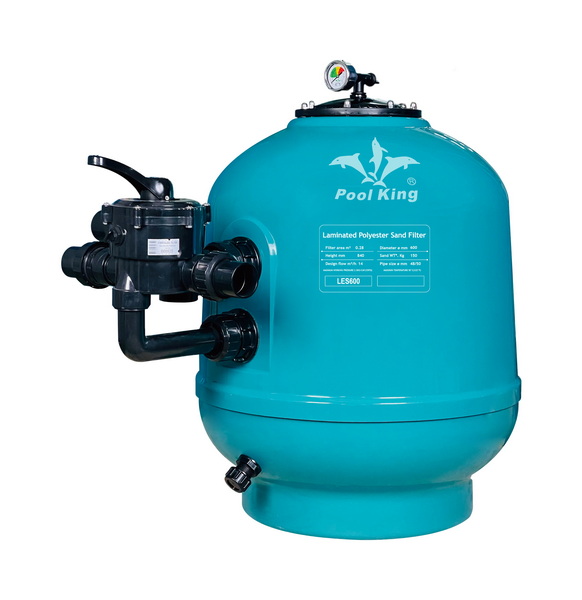
Use this quick guide to systematically check your sand pool filter when you see sand blowing out after backwash. Working through these steps will help you confirm whether the issue is procedural or mechanical.
- Step 1: Observe the amount and pattern of sand in the pool (light dusting vs. piles near certain returns).
- Step 2: Perform a proper backwash and rinse cycle, ensuring the pump is off every time you change the valve position.
- Step 3: If sand keeps appearing, inspect the multiport valve for worn gaskets or leaks between ports.
- Step 4: If you still see sand, plan to open the pool filter tank, remove the media, and inspect the standpipe and laterals for cracks or misalignment.
- Step 5: Refill the pool filter using the correct sand type, level, and manufacturer instructions, then test for leaks again.
If you are servicing a commercial facility or large residential installation, documenting each step, the pool filter model, and the observed problems can be very useful. This record helps when you discuss warranty, OEM support, or future equipment upgrades.
Correct operation is essential to avoid sand being blown into the pool, even when the pool filter hardware is in good condition. Follow this basic sequence unless your equipment manual specifies otherwise.
1. Turn off the pump completely before touching the multiport valve handle.
2. Set the valve to Backwash, then restart the pump and run until the sight glass or discharge water runs clear (typically 1–2 minutes).
3. Turn off the pump again, move the valve to Rinse, then run for about 20–30 seconds to settle the sand bed and clear the lines.
4. Turn off the pump, set the valve back to Filter, restart the pump, and check that the return water is clear and free of sand.
Some technicians recommend briefly using the Waste setting for a few seconds after backwash to flush loose debris before rinsing, which can help reduce sand blow‑back. Always ensure valves on the suction and return lines are set correctly during each step so that the pool filter and pump do not run dry or dead‑head under closed valves.
Even if the pool filter is not mechanically damaged, old or heavily scaled sand can cause poor filtration and frequent backwashing. Over time, sand particles become rounded and coated with oils and calcium, losing their sharp edges that capture debris. When this happens, dirt passes straight through the pool filter, leaving water cloudy and forcing the pump to run longer.
- Many pool professionals recommend replacing sand every 3–5 years in residential pools, and more often in busy commercial pools.
- If you notice frequent pressure spikes, cloudy water, or very short intervals between backwashes, the sand may be worn out or heavily scaled and ready for replacement.
When changing sand, consider inspecting all internal parts, gaskets, and the pool filter tank itself. A full service at the time of sand replacement often prevents further problems and gives the system a fresh start.
Sometimes, sand blowing into the pool is only one symptom of a poorly sized or aging system. An undersized pool filter has to work under high pressure for long hours, increasing mechanical stress and wear. Oversized or mismatched water pumps can also push too much flow through the pool filter, disturbing the sand bed and stressing laterals, standpipes, and valves.
- Make sure the flow rate of the pump matches the design flow range of the pool filter.
- Consider the total volume of the pool and the desired turnover time when selecting a pool filter and pump combination.
Upgrading to a modern, high‑capacity sand pool filter or combining it with a variable‑speed pump can significantly improve performance and reduce operating cost. For some projects, switching to a cartridge or DE filter may be a better choice, especially where fine filtration and minimal backwashing water loss are priorities.
For brand owners, wholesalers, and pool equipment manufacturers, stable pool filter performance is critical to product reputation and end‑user satisfaction. High‑precision sand pool filter tanks, corrosion‑resistant internal components, and quality‑controlled valves significantly reduce the risk of sand blow‑back and premature failures.
- Intelligent molding and machining technology help produce consistent internal tolerances, protecting standpipes and laterals from stress and deformation inside the pool filter.
- Matching energy‑efficient water pumps, LED lighting systems, and compatible accessories with the right pool filter model ensures a balanced circulation system and smoother operation across a full equipment lineup.
OEM and private‑label pool filter solutions allow overseas brands to deliver a complete, high‑quality filtration package with customized logos, colors, and packaging. By working with a specialized factory that focuses on pool filter systems, water pumps, LED lights, and related accessories, it becomes easier to maintain strict testing standards for backwash performance, pressure resistance, and long‑term durability.
Regular maintenance is the best way to avoid sand blowing into the pool again after you solve the current issue. By combining good daily habits with seasonal checks, you keep your pool filter running smoothly and extend the life of every component.
- Check the pressure gauge regularly and backwash only when needed, usually when the pressure rises 8–10 psi above the clean starting level.
- Keep water chemistry balanced to prevent scale and oil buildup that can clog sand and stress the pool filter.
- Inspect around the pool filter and pump area for leaks, unusual noises, or vibration that may indicate internal problems.
- Before each swimming season, check the multiport valve, unions, and connections for wear, and lubricate o‑rings according to manufacturer guidance.
When combined with high‑quality pool filter equipment, these maintenance habits dramatically reduce the chance of seeing sand in your pool after backwash. They also support better water clarity, fewer chemical adjustments, and lower energy costs.
When a pool filter blows out sand after backwash, it is more than a small inconvenience—it is a clear warning that something in the filtration system needs attention. In most cases, the root causes are cracked laterals, a damaged standpipe, a faulty multiport valve, incorrect backwash and rinse habits, or improper sand selection and filling in the pool filter.
By understanding how a sand pool filter works and following a structured troubleshooting process, you can quickly isolate the problem and correct it. Combining the right operation steps with robust, precisely manufactured pool filter equipment helps restore clear water, avoid repeat sand issues, and extend the life of the entire circulation system. For overseas brands, wholesalers, and OEM buyers, working with a professional factory that specializes in sand pool filters, water pumps, LED lights, and accessories ensures stable quality, fewer warranty claims, and a stronger market reputation.
Contact us to get more information!
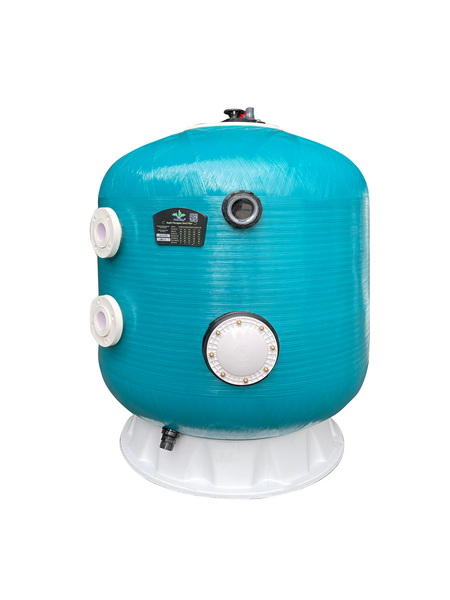
If sand appears immediately after backwash, the rinse step may be too short or skipped, allowing loose sand and debris to flow straight back into the pool. If proper rinsing does not solve it, cracked laterals, a damaged standpipe, or a worn multiport valve inside the sand pool filter are likely causes. Inspecting and repairing these parts usually stops the sand problem.
Common signs include visible piles or streaks of sand on the floor near one or more return jets, especially right after the pump starts. To confirm, you must open the pool filter, remove the sand, and inspect each lateral for cracks, missing pieces, or loose fittings on the hub. Replacing any damaged laterals and refilling the pool filter with the correct sand often restores normal operation.
Most sand pool filters require pool‑grade #20 silica sand or an equivalent filter media with the particle size range specified by the manufacturer. Using play sand, construction sand, or media that is too fine can cause poor filtration, clogging, and sand blow‑back through the pool filter return lines. Always check the label or manual of your pool filter before purchasing filter media.
Under normal residential use, sand in a pool filter is typically replaced every 3–5 years, depending on bather load, water chemistry, and maintenance habits. If you notice frequent pressure spikes, cloudy water, or very short intervals between backwashes, the sand may be worn out, oily, or scaled and ready for replacement. A full inspection during sand replacement is a good time to review all internal pool filter parts.
Yes. By always turning the pump off before changing the multiport valve position and by performing a complete Backwash followed by a proper Rinse cycle, you greatly reduce the chance of sand blow‑back. Regular inspection of the pool filter's internal parts, correct media level, and timely replacement of worn valve gaskets also help prevent sand from leaking into the pool. Good daily maintenance and correct operation are the most reliable ways to keep sand out of your pool.
1. https://www.reddit.com/r/pools/comments/16238ad/i_just_did_my_first_backwash_and_it_looks_like/
2. https://lesliespool.com/blog/how-to-troubleshoot-the-most-common-sand-pool-filter-problems.html
3. https://thursdaypools.com/blog/how-to-backwash-a-sand-filter/
4. https://www.youtube.com/watch?v=NQoG2LT17SE
5. https://www.reddit.com/r/pools/comments/178m3yx/filter_sand_in_the_pool/
6. https://blog.orendatech.com/backwashing-sand-filters
7. https://www.facebook.com/groups/273395260599363/posts/1385664659372412/
8. https://www.reddit.com/r/swimmingpools/comments/143pccz/i_think_my_sand_filter_is_putting_sand_into_my/
9. https://www.facebook.com/groups/637529959937311/posts/2624193564604264/
10. https://poolpartstogo.com/blogs/articles/sand-in-your-pool-here-s-why-and-how-to-fix-it


