
Views: 222 Author: Tina Publish Time: 2025-08-30 Origin: Site


Content Menu
● Why Choosing the Right Sand Matters
● Technical Specifications and Standards
● Types of Sand and Filter Media for Pool Filters
>> Silica Sand (Classic Option)
>> Zeolite Sand (Natural Mineral Alternative)
>> Glass Media/Sand (Modern, Eco-Friendly)
>> Multi-Layered (Multimedia) Filters
● Choosing the Best Sand for YOUR Pool Filter
>> Pro Tips
● Upgrading to Advanced Filter Medias
● How to Change Pool Filter Sand: Step-by-Step Guide
● Advanced Maintenance and Longevity Tips
● Troubleshooting Pool Sand Filter Problems
● Pool Filter Sand: Environmental and Economic Aspects
>> 1. What size sand is optimal for a swimming pool filter?
>> 2. Can I use play sand, beach sand, or masonry sand in my pool filter?
>> 3. How often should I change sand in my pool filter?
>> 4. Is glass media better than silica sand?
>> 5. What are signs my pool filter sand needs to be replaced?
>> 6. Does the sand filter require a special installation technique?
>> 7. Can I layer different types of filter media?
>> 8. Are there environmentally friendly alternatives?
When it comes to maintaining a sparkling, healthy pool, the filter system is the heart of the operation. Among several types of pool filters, the sand filter remains a favorite for both residential and commercial pools worldwide due to its effective, low-maintenance operation and cost efficiency. Yet, not all sands are suitable for pool filtration, and using an inappropriate sand can spell trouble for water quality and equipment lifespan. This article explores everything you need to know about pool filter sand, including types, technical specifications, maintenance tips, and expert advice for optimal results.[3][11][12]
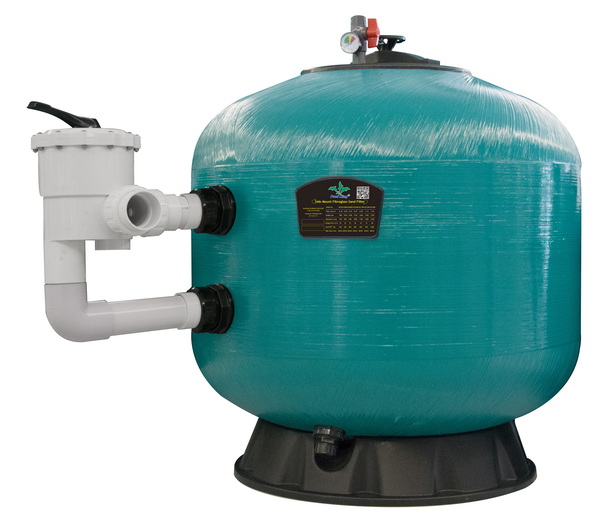
Pool filter sand is a special type of silica sand that is carefully processed to ensure purity, particle size uniformity, and effective filtration performance. Unlike playground or construction sand, pool filter sand is a high-purity material—typically more than 95% silica—and is specifically graded between 0.45 and 0.55 mm for optimal debris capture without impeding water flow.[6][11][3]
- Purity: At least 95% silica content is standard for pool applications.[7]
- Grain Size: Uniformly sized—generally in the 0.45 to 0.55 mm range—for consistent performance.[9][10][3]
- Shape: Angular grains, not rounded, so particles lock together and trap even tiny contaminants.
Selecting the correct sand is not just a formality—it's the difference between sparkling, safe water and recurring maintenance headaches. Using the wrong sand (such as play sand or masonry sand) can lead to clogs, cloudy pool water, ineffective filtration, and irreversible filter damage. Only use sand clearly labeled for pool filtration.[8][11][12][7]
- Proper Filtration: Appropriate sand granules create pathways that effectively screen out dirt, oils, and microscopic debris.
- Equipment Protection: Wrong types of sand (especially those with clay or organic content) introduce contaminants and can cause filter malfunction.
- Water Quality: Pool filter sand that is too coarse lets debris through; too fine, and it will block water flow.
Modern pool filter sand must meet technical criteria outlined by international and regional standards such as BSEN 12904 or equivalent. Typical requirements include:[1][3][9]
| Specification | Requirement |
|---|---|
| Effective Grain Size (mm) | 0.45–0.55 (standard), 0.4–0.8 (some systems)redflint+1 |
| Purity (Silicon Dioxide %) | ≥95% filter |
| Hardness (Mohs scale) | 6.0–8.0 |
| Acid Solubility | <1.0% |
| Support Layer | Multi-grade beds: gravel at base |
| Packaging | 25, 50, 100 kg bags, or bulk |
In multi-grade filters, a support layer (gravel or coarse sand) is added to the tank's bottom to support finer filter sand above. Some commercial systems utilize specialized media layers (anthracite, garnet, or even magnetite) for advanced filtration needs.[1][3]
- Description: Crushed quartz, high-purity silica.
- Standard Mesh: 20-grade (0.45–0.55 mm); sometimes 16/30-grade (0.5–1.0 mm) for larger systems.[10][6]
- Job: Traps debris down to about 20 microns.
- Lifespan: Replace every 3–5 years.
- Best For: Most residential and non-specialized commercial pools.
- Description: Porous volcanic mineral with a honeycomb structure.
- Filtration Fineness: Captures particles down to 5 microns.[11][14]
- Other Benefits: Removes ammonia, improves chlorine efficiency, reduces chloramine/“chlorine smell”.
- Cost/Lifespan: Higher cost, 3–5 years.
- Description: Recycled, finely crushed glass engineered for pool filtration.[14][15]
- Particle Removal: Down to 2 microns.[14]
- Properties: Lightweight, chemical-resistant, non-abrasive to filter parts, reduces water needed for backwashing, lasts 7+ years.
- Best For: Eco-conscious users, public/commercial pools, saltwater pools.
- Description: Blend of polymer beads and fine sand for enhanced debris capture.
- Pros/Cons: Less common, but durable and highly efficient. Used primarily in specialized installations.
Commercial and large-scale pool systems sometimes use multi-layered beds combining different grain sizes and media. Typically, a bed may include:
- Bottom Layer: Gravel (6–10 mm) for support.[1]
- Middle/Upper Layer: Silica sand or glass sand (0.4–1.2 mm).
- Optional: Additional anthracite, garnet, or other media above/below silica.
This approach optimizes both filter efficiency and lifespan by targeting a range of particle sizes.
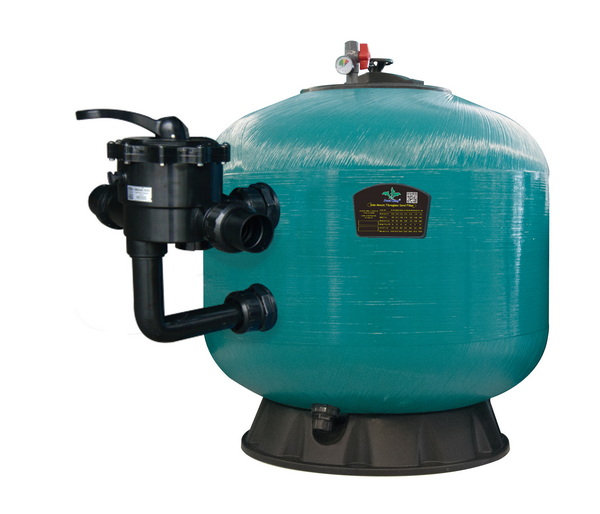
The sand filter's action relies on pressure: pool water is pushed through a bed of sand inside the filter tank, where dirt, debris, and fine particles become trapped between the angular sand grains. Cleaner water exits and returns to the pool. Over time, trapped debris increases resistance and lowers flow—so regular backwashing is needed to flush contaminants out.
- Inlet: Water enters the tank under pressure.
- Sand Bed: Suspended debris, oils, and even some bacteria are trapped by the sand.
- Support System: Gravel or specifically-designed filter internals help support the sand and prevent channeling.
- Outlet: Clean, filtered water is returned to the pool.
- Mesh/Particle Size: Use only the sand grade specified in your filter's manual. 20-grade silica sand (.45–.55 mm) is industry standard, but always confirm for your system.[3][10]
- Purity: Ensure >95% silica. Impurities like clay or organic material will destroy water clarity.[7][9]
- Hardness and Solubility: Harder sand lasts longer. Silica and glass are naturally hard and resistant to dissolution.
- Brand Reputation: Use certified suppliers and brands, especially for large/commercial systems.[6][3]
- Eco-Considerations: Glass media is made from recycled materials and is a greener choice.
- Never use play, beach, or masonry sand. These lack the necessary purity and particle size, risking clogged filters, cloudy water, and even equipment breakdown.[12]
- Overfilling or underfilling the sand tank can reduce efficiency or damage components.
- Failure to replace sand every 3–5 years leads to “channeling” (water bypasses sand) and poor filtration.
- Always add sand slowly to a filter that's already half-filled with water to cushion the laterals and reduce the risk of internal filter damage.
- After adding new sand, always prime and thoroughly backwash your system to remove dust and fines before returning to normal operation.[18]
For users seeking enhanced filtration, switching to zeolite or glass sand can offer several advantages:
- Remove finer particles for clearer water.
- Require less frequent backwashing, saving water and time.
- Trap ammonia and other byproducts more effectively (zeolite).
However, always check your filter warranty and manufacturer's recommendations before switching media.
1. Power Down: Turn off the pool pump and relieve pressure.
2. Open Filter: Remove the multiport valve or filter head.
3. Remove Old Sand: Carefully scoop or vacuum out the old sand. Use a shop vacuum for faster results.
4. Inspect Parts: Check internal laterals/standpipe for cracks or blockages.
5. Add Water: Half-fill the tank with water to cushion new sand.
6. Add New Sand: Pour in the correct grade and quantity of sand, taking care not to damage laterals.
7. Reassemble: Replace filter head, check seals.
8. Backwash: Backwash the new sand to expel dust/fines.
9. Resume Operation: Restore the filter to “filter” mode.
- Track Filter Pressure: Backwash whenever the pressure gauge reads 8–10 psi above clean baseline.
- Schedule Replacements: Regular sand replacement (every 3–5 years for silica, 7+ for glass) ensures optimal results.
- Inspect Media Quality: After heavy storms, chemical imbalances, or unusual filter issues, visually inspect sand/gravel for contamination or compaction.
- Seasonal Care: At season start/end, deep clean the filter and replace sand if over three years old or filter performance drops.
Even with best practices, issues may arise:
- Cloudy Water: May indicate trapped oils, saturated/old sand, channeling, or inadequate backwash cycles.
- Short Filter Cycles: Excessive debris or biofilm buildup on sand; treat with a specialized sand filter cleaner and consider sand replacement.
- Leaking or Weak Flow: Possible broken lateral(s), incorrect sand type/amount, or clogs.
- Sand Returning to Pool: Cracked laterals, standpipe, or excessive/incompatible sand grade.
Regular inspection and prompt maintenance will avoid most issues.
Classic silica sand is inexpensive and widely available. However, glass media—made from recycled bottles—offers a sustainable, longer-lifespan alternative at a higher initial cost. Zeolite and polymer sands, while pricier, enhance filtration, reduce chemical use, and improve water quality for sensitive swimmers and public installations.[3][14]
- Traditional silica: Low cost, proven history, simple maintenance.
- Glass/Zeolite: Higher up-front cost, superior purification, eco benefits.
When comparing costs, consider not just the sand price but also water savings (less frequent backwashing), labor, and the extended life of premium media.
Choosing the right type of sand for your swimming pool filter is foundational to safe, sparkling water and reliable equipment operation. Certified 20-grade silica sand (.45–.55 mm) remains the industry standard for most systems, but innovative alternatives like glass and zeolite media offer enhanced performance and environmental benefits. Always follow your manufacturer's guidance, replace sand routinely, and perform proper maintenance for years of clear, healthy swimming. Upgrade to advanced media if desired, but confirm compatibility to avoid warranty risks. The right decision ensures lower costs, less maintenance, and worry-free pool enjoyment year after year.[15][10][11][6][7][14][3]
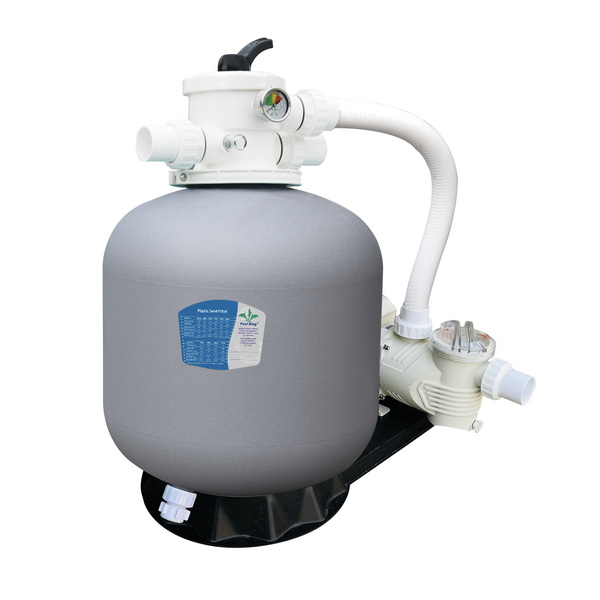
Answer: Standard pool filter sand is 20-grade, with grain size 0.45–0.55 mm. Always check your filter manual as requirements may vary between models.[9][11][3]
Answer: No. Only use sand explicitly labeled as pool filter sand (at least 95% silica, properly graded). Other sands contain impurities that harm water quality and equipment.[12][7]
Answer: Replace standard silica sand every 3–5 years. Glass and zeolite media may last 7+ years depending on conditions.[11][14]
Answer: Glass can filter smaller particles, uses less water for backwashing, and may last longer. However, it costs more. Either option is effective if installed correctly and maintained as recommended.[15][14]
Answer: Cloudy water, increased pressure, short filter cycles, or sand streaming into the pool suggest your sand is worn or contaminated and should be changed.[18][11][12]
Answer: Yes. Half-fill the filter with water before adding new sand to protect internal parts, and always perform a thorough backwash before resuming normal filtration.[18]
Answer: In some commercial and advanced residential systems, multi-layer beds (gravel, silica sand, anthracite, garnet) are used for enhanced filtering. Always follow your filter manufacturer's guidelines.[1][3]
Answer: Yes, glass filter media uses recycled glass and requires fewer backwashes, reducing both waste and water usage.[6][14]
[1](https://www.pwtag.org/swimming-pool-filter-specification-tn50/)
[2](https://www.poolspa.co.th/wp-content/uploads/2023/01/P_S-BROCHURE-Filter-Sand-SANDIA-New2022.pdf)
[3](https://www.redflint.com/pool-sand/)
[4](https://www.eusaswim.eu/wp-content/uploads/2016/02/Paper-on-filtration.pdf)
[5](https://www.tccmaterials.com/wp-content/uploads/2020/07/data_TM-Pool-Filter-Sand-2C-09.12.23.pdf)
[6](https://www.holcim.co.uk/products/aggregates/sands/filtration/swimming-pool-filter)
[7](https://filter.vn/product/filter-sand/)
[8](https://webshop.swimmingpools.be/en/pool-technologies/filter/filter-sand-medium-25-kg)
[9](https://www.quikrete.com/pdfs/data_sheet-sand-poolfilter.pdf)
[10](https://www.ukpoolstore.co.uk/product/swimming-pool-filter-sand/)
[11](https://beatbot.com/blogs/pool-cleaning-kits/different-types-of-sand-for-pool-filters-and-how-to-choose-the-right-one)
[12](https://intheswim.com/blog/pool-filter-sand.html)
[13](https://www.istockphoto.com/photos/pool-filter-sand)
[14](https://flipr.shop/blogs/flipr-blog-pools/types-of-pool-filter-sand-3)
[15](https://www.fluidra.com/commercial-solutions/inspiration/blog/sand-filters-for-swimming-pools/)
[16](https://www.dreamstime.com/photos-images/pool-sand-filter.html)
[17](https://www.gettyimages.in/photos/pool-sand-filter)
[18](https://galaxyhomerecreation.com/article/video-how-to-operate-your-pool-sand-filter/)
[19](https://www.youtube.com/watch?v=55kQWdrWAj4)
[20](https://www.youtube.com/watch?v=js6W2g2nVfI)
[21](https://www.youtube.com/watch?v=IoumNs3gj7E)
[22](https://www.poolking.co/sand-filter-working-principle-and-maintenance.html)


