
Views: 222 Author: Tina Publish Time: 2025-12-23 Origin: Site


Content Menu
● Overview of Pool Filter Types
● How Each Filter Type Performs
● Sand Pool Filters: Pros, Cons, and Best Use
● Cartridge Pool Filters: Pros, Cons, and Best Use
● D.E. Pool Filters: Pros, Cons, and Best Use
● Key Comparison: Sand vs Cartridge vs D.E.
>> Performance and Maintenance Comparison
● How to Choose the Best Filter for Your Pool
>> 1. Which pool filter type gives the clearest water?
>> 2. What is the most low‑maintenance pool filter?
>> 3. Which filter is best for saving water?
>> 4. How often should sand, cartridge, and D.E. media be replaced?
>> 5. How do I size the filter correctly for my pool?
>> 6. Is a bigger pool filter always better?
Choosing the best type of pool filter depends on pool size, water quality expectations, budget, and how much maintenance the owner is willing to do. For most residential pools, a cartridge or high‑quality sand filter offers the best balance of cost, clarity, and ease of use, while D.E. filters deliver the absolute clearest water for demanding applications.[1][2][3][4]
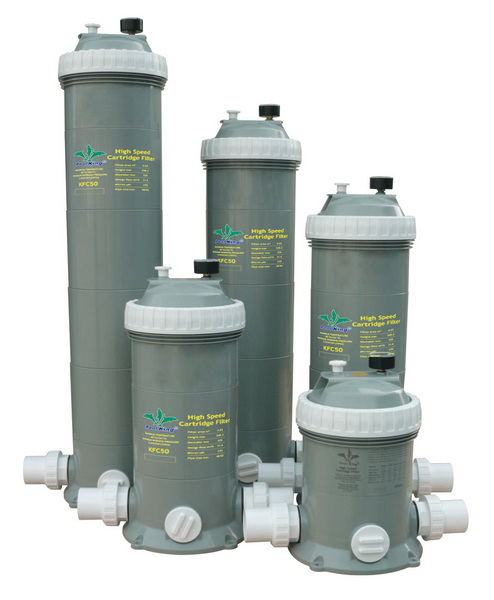
There are three primary pool filter types used worldwide: sand filters, cartridge filters, and diatomaceous earth (D.E.) filters. Each system removes debris and fine particles from the water but uses a different filtration media and has distinct performance, cost, and maintenance characteristics.[2][3][5][6]
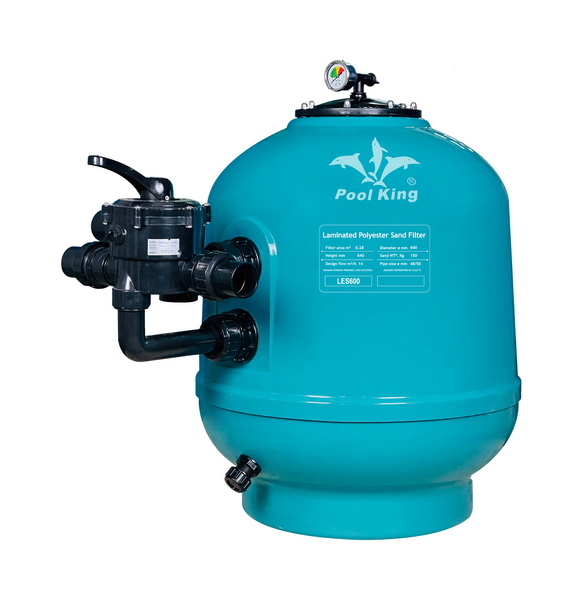
- Sand filters: Large tank filled with special silica sand that traps particles as water flows through.[3][1]
- Cartridge filters: Pleated polyester or fiber cartridges installed in a tank to capture smaller debris without backwashing.[2][3]
- D.E. filters: Internal grids coated with diatomaceous earth powder, giving the finest filtration down to a few microns.[4][1]
Filtration performance is usually described by the minimum particle size (in microns) the filter can remove, along with how quickly it can process pool water. While D.E. leads in absolute clarity, many pool owners find that sand or cartridge filtration is more than sufficient for daily use when correctly sized and maintained.[1][3][4][2]
- Sand filters typically remove particles in the 20–40 micron range, handling most visible debris but not the very finest dust.[3][1]
- Cartridge filters usually capture particles around 10–20 microns, improving water clarity compared with sand systems.[1][2]
- D.E. filters can filter down to about 2–5 microns, providing the clearest water of the three but at higher cost and maintenance.[4][1]
Sand filters remain the most common filter choice because they are simple, robust, and economical, especially for medium to large pools. Inside the tank, sharp‑edged silica sand grains trap debris as water percolates downward, and periodic backwashing restores flow when pressure rises.[7][3][1]
- Advantages:
- Lowest initial cost among the three main filter types.[8][3]
- Straightforward operation and easy backwashing procedure.[9][3]
- Available in sizes suitable for virtually any residential or commercial pool.[7][3]
- Limitations:
- Least fine filtration, so very small particles may remain suspended.[3][1]
- Regular backwashing wastes water and can disturb chemical balance.[2][3]
- Sand typically needs replacement every 5–7 years depending on usage and care.[9][3]
Cartridge filters use large pleated elements that provide a huge surface area in a compact body, giving higher filtration performance without backwashing. Water flows from the outside of the cartridge toward the center, depositing debris in the pleats and returning cleaner water to the pool.[6][1][2][3]
- Advantages:
- Capture smaller particles (around 10–20 microns) than sand filters, improving clarity.[1][3]
- No backwashing required, which saves water and can reduce chemical consumption.[6][3]
- Often more energy‑efficient because they can run at lower pressure differentials.[4][1]
- Limitations:
- Higher initial cost than sand filters and more expensive replacement elements.[6][3]
- Cartridges must be removed and cleaned manually, usually several times per season.[2][3]
- Cartridges typically need replacement every 2–3 years depending on water conditions and cleaning methods.[3][1]
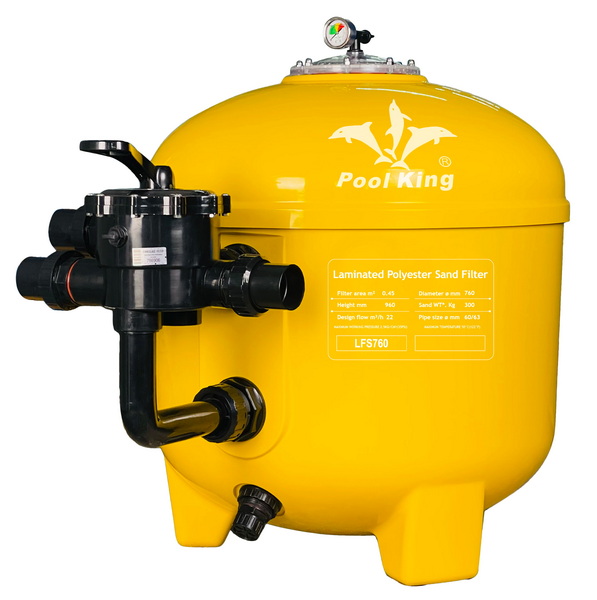
D.E. filters give the highest possible water polish, often used where crystal‑clear appearance is critical, such as luxury residential pools, spas, and some commercial installations. Grids inside the tank are coated with a thin layer of diatomaceous earth powder, which forms a porous yet extremely fine filtration barrier.[4][1][3]
- Advantages:
- Finest filtration, typically in the 1–5 micron range for extremely clear water.[1][4]
- Can process large volumes of water quickly while maintaining high clarity.[8][1]
- Grids can last for years when properly cleaned and maintained.[9][3]
- Limitations:
- Highest equipment and operating cost of the three filter types.[7][3]
- Regular backwashing plus re‑adding D.E. powder after each backwash.[3][1]
- D.E. powder is lung‑irritating if inhaled and may face local disposal restrictions.[4][3]
The “best” filter type is very context‑dependent, so it helps to compare the three options side by side on the most important selection criteria.[2][3]
| Factor | Sand Filter | Cartridge Filter | D.E. Filter |
|---|---|---|---|
| Typical micron rating | About 20–40 micronsintheswim+1 | About 10–20 micronsintheswim+1 | About 1–5 micronsintheswim+1 |
| Water clarity | Good | Very good | Excellent |
| Initial equipment cost | Lowest of the threefreshwatersystems+1 | Mediumfreshwatersystems+1 | Highestfreshwatersystems+1 |
| Routine maintenance | Backwash & rinsefreshwatersystems+1 | Remove & hose‑clean cartridgesfreshwatersystems+1 | Backwash + add D.E. powderfreshwatersystems+1 |
| Water usage | Higher due to backwashingfreshwatersystems+1 | Very low, no backwashfreshwatersystems+1 | Moderate–high water loss from backwashfreshwatersystems+1 |
| Media replacement interval | Sand every 5–7 yearsfreshwatersystems+1 | Cartridge every 2–3 yearsintheswim+1 | D.E. powder frequently; grids last several yearsfreshwatersystems |
| Best application | Large or budget poolsfreshwatersystems+1 | Residential & spas, water‑savinggpspoolstore+1 | High‑end or problem poolsaqualeisurepoolsandspas+1 |
The best filter type is the one that aligns with pool usage, local conditions, and maintenance expectations rather than a single “winner” for everyone. When specifying equipment, consider pool volume, turnover rate, debris load, water restrictions, and owner skill level.[10][11][6][3]
- Pool volume and turnover: Most sizing guidelines target full turnover of pool water in roughly 8–10 hours, so the filter's flow rating must comfortably handle the required gallons per minute.[11][12]
- Pump–filter matching: The filter must be sized to match the pump; too small a filter relative to pump output leads to high pressure and reduced media life.[13][14]
- Debris and environment: Pools under trees or in dusty regions may benefit from finer filtration (larger cartridge systems or D.E.), while simpler environments can work well with sand.[8][2]
- Water and energy costs: Areas with high water prices or strict restrictions often favor cartridge systems that do not require backwashing.[6][3]
- Owner preference: Some owners prefer low‑touch backwashing of sand or D.E., while others are comfortable opening a cartridge tank a few times per season.[9][2]
No single pool filter is universally “best”; instead, each type excels in different situations depending on clarity requirements, budget, and maintenance style. Sand filters are rugged and cost‑effective, cartridge filters balance high clarity with low water use, and D.E. filters provide the ultimate polish for owners who accept higher cost and care. By carefully evaluating pool size, debris load, local regulations, and customer preferences, brands and buyers can select the filter type that delivers reliable, efficient, and long‑lasting performance for their specific projects.[12][11][1][2][3][4]
D.E. filters provide the clearest water, typically removing particles down to about 1–5 microns, which is finer than both sand and cartridge filters. This makes them ideal for customers who want ultra‑polished water or who frequently battle fine dust, pollen, or cosmetic residues.[8][1][3][4]
For many owners, sand filters feel the lowest maintenance because routine cleaning is just a quick backwash and rinse rather than opening the tank. However, large cartridge systems can also be low‑touch, requiring only a few deep cleanings per year without water‑wasting backwash cycles.[9][2][3][6]
Cartridge filters are best for saving water because they do not use backwashing; cleaning is done by removing the cartridge and rinsing with a hose. In regions with water restrictions or high water costs, this reduction in backwash waste can be a major advantage.[11][2][3][6]
Pool filter sand usually needs complete replacement every 5–7 years if the system is properly maintained. Cartridges typically last around 2–3 years, while D.E. powder is replenished after each backwash and grids can last several years when cleaned according to manufacturer guidelines.[1][2][3]
Start by calculating the pool's volume, then choose a filter that can turn over that volume in roughly 8–10 hours at a safe flow rate. Ensure the filter's maximum flow rating exceeds the pump's output and consider oversizing slightly to reduce pressure and extend cleaning intervals.[10][12][13][11]
A larger filter area generally means lower operating pressure, longer intervals between cleanings, and better handling of poor water conditions. However, the filter still needs to be matched to the pump and plumbing, and massively overspecifying equipment can add unnecessary cost for small residential pools.[14][12][13][10]
[1](https://intheswim.com/blog/best-pool-filter-type-de-sand-or-cartridge.html)
[2](https://www.allfilters.com/blog/pool-filter-types-compared-sand-de-cartridge)
[3](https://www.freshwatersystems.com/blogs/blog/what-is-the-best-type-of-pool-filter)
[4](https://www.aqualeisurepoolsandspas.com/best-pool-filtration/)
[5](https://pinnaclepoolservice.com/what-are-the-different-types-of-pool-filters/)
[6](https://www.gpspoolstore.com/different-types-of-pool-filters/)
[7](https://www.summerhillpools.com/pool-equipment/filter-types/)
[8](https://amenitypool.com/blog/what-are-the-benefits-and-drawbacks-of-the-3-major-pool-filter-types/)
[9](https://www.poolsupplies.com/blog/post/demystifying-pool-filters-sand-vs-cartridge-vs-de)
[10](https://blueoceanps.co/how-to-select-the-correct-filter-size-for-your-swimming-pool/)
[11](https://www.funcenterpools.com/en/help/pool-filters/how-can-i-determine-the-best-filter-size-for-my-swimming-pool)
[12](https://lesliespool.com/blog/pool-filter-sizing.html)
[13](https://www.poolspanews.com/how-to/ultimate-tech-manual/filter-sizing-for-swimming-pools_o)
[14](https://www.inyopools.com/HowToPage/how-to-size-a-pool-filter.aspx?CommentPage=2)
[15](https://www.thepoolfactory.com/collections/pool-filter-systems)
[16](https://pinchapenny.com/pool-life/swimming-pool-filter-buyers-guide)
[17](https://intheswim.com/blog/best-pool-filter-type-de-sand-or-cartridge.html?srsltid=AfmBOorwh1z1ryn3SFMTYtvdDEp7eR6XwR11RyNR39-w8Y5lAUHI8Mj5)
[18](https://lesliespool.com/blog/pool-filter-media-types-a-comparison-guide.html)
[19](https://www.reddit.com/r/pools/comments/wymsml/some_advice_for_anyone_debating_between_a_sand/)
[20](https://www.poolsupplies.com/blog/post/comparison-guide-for-swimming-pool-filters)


