


Content Menu
● Understanding Pool Pump Speed and RPM
● Why Speed Matters: Turnover, Clarity, and Cost
● Typical Speed Ranges for Variable Speed Pumps
● Recommended Speeds by Function
● Daily Operation Example Schedules
● How Pool Size and Plumbing Affect Ideal Speed
● Filter Type and Recommended Speed
● Heaters, Salt Systems, and Special Equipment
● Energy Efficiency: Why Lower Speeds Save More
● Signs Your Pump Speed Is Too Low
● Signs Your Pump Speed Is Too High
● How to Find the Best Speed for Your Pool
● OEM Opportunities for Pool Pump and Filter Packages
● FAQs About What Speed to Run a Pool Pump
>> 1. What is a good everyday speed for my pool pump?
>> 2. Do I ever need to run my pump at full speed?
>> 3. What speed should I use for my heater or salt system?
>> 4. How do I know if my speed is too low?
>> 5. Will running the pump at low speed all day damage it?
>> 6. Is there a universal “best” speed for every pool?
>> 7. How can OEM buyers specify pump speed settings in their product lines?
Choosing the right speed for a pool pump is a balance between water clarity, equipment protection, and energy savings. Variable speed technology allows most daily filtration at low to medium RPM, with brief periods at higher speed for tasks like skimming, heating, or vacuuming.[1][2]
As a professional Chinese factory manufacturing premium sand, DE, and cartridge filters, pool pumps, LED lights, and accessories, this guide is designed to help homeowners, brands, wholesalers, and OEM partners understand practical speed settings for modern variable speed pool pumps.[2]
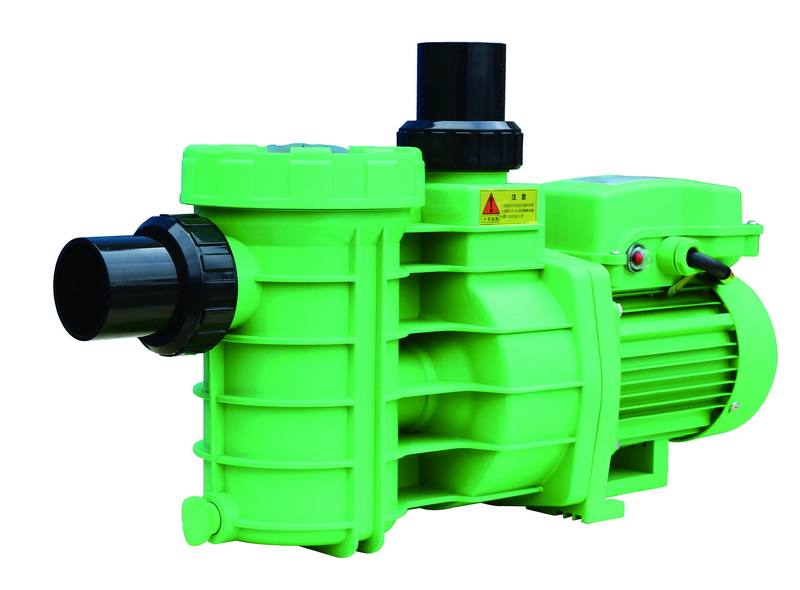
Pool pump “speed” is usually expressed as RPM (revolutions per minute), which directly influences water flow rate through pipes, filters, heaters, and sanitizing systems. Higher RPM moves more water but uses much more electricity, while lower RPM extends runtime but dramatically reduces power consumption.[3][2][4]
For most residential pools, common maximum speeds are around 3,450 RPM on a variable speed pump, with typical daily operating speeds in the 1,500–2,600 RPM range for normal filtration and circulation. Understanding these ranges is essential before programming daily schedules.[2][5]
The main goal of running a pool pump is to achieve at least one full “turnover” per day, meaning the entire pool volume passes through the filter system at least once. Running at very high RPM can reach this turnover quickly but at a high energy cost, while lower RPM can achieve the same turnover over a longer period with far less electricity.[6][7][1][3]
Energy studies and field experience show that reducing pump speed significantly cuts power consumption because pump power draw increases roughly with the cube of water velocity. That is why modern variable speed pumps can run longer hours at low speed yet still cut electricity bills by 50–80% compared with old single‑speed models.[4][8][3]
Independent guides and manufacturers consistently recommend a low to medium RPM range for most daily filtration, usually around 1,500–2,000 RPM for an average residential pool. At these speeds, the pump is quiet, energy efficient, and still provides sufficient flow for filtration and basic circulation.[9][5][1]
Medium speeds in the 2,200–2,800 RPM range are often used for improved skimming, operating suction cleaners, or supporting certain heaters and salt systems, depending on minimum flow requirements. High speeds above 3,000 RPM are typically reserved for intensive tasks such as vacuuming, backwashing sand filters, or running large water features.[10][11][2]
The best speed to run a pool pump depends heavily on what the system is doing at a given time: filtration, skimming, heating, vacuuming, or just gentle circulation. Using separate speed “programs” for each task maximizes both performance and efficiency.[12][2]
Below is a practical reference for typical RPM ranges by function on a variable speed pump.[9][2][10]
| Function | Recommended RPM range | Notes |
|---|---|---|
| Daily filtration | 1500–2000 RPM | Quiet, efficient, ideal for long daily runtime.poolpartstogo+2 |
| Enhanced circulation | 1800–2400 RPM | For slightly higher flow in larger or heavily used pools.poolpartstogo+1 |
| Surface skimming | 2400–3000 RPM | Short bursts to pull in floating debris via skimmers.poolkingfilteryoutube |
| Heaters/salt system | 2600–3100 RPM (as needed) | Must meet minimum flow to activate heaters or salt chlorinators.poolkingfilteryoutube |
| Vacuuming/cleaners | 2200–3200+ RPM | For suction cleaners, manual vacuuming, or pressure features.poolkingfilter+2 |
| Backwashing sand | 2800–3450 RPM | High flow to properly agitate sand bed and flush waste.poolkingfilter+1 |
Many experienced pool technicians suggest running a variable speed pump most of the day at low RPM, with shorter periods at higher RPM to support skimming and cleaning. For example, one common schedule is to run a pump around 1,700–1,800 RPM for 16–20 hours, combined with a few hours at 2,400–2,600 RPM for surface cleaning.[5][1][9]
Other users report success with patterns such as 3,000 RPM for 1–2 hours, then 1,500 RPM for 20–22 hours, ensuring good skimming and long, efficient filtration. The exact schedule depends on pool size, plumbing, climate, and attached equipment, so these examples are best used as starting points rather than rigid rules.[14][10]
Larger pools require greater total daily flow to achieve full turnover, which can be accomplished either by increasing RPM, running the pump longer, or both. A small residential pool may filter adequately at 1,500–1,800 RPM, while a large 60,000‑liter or 15,000‑gallon pool may need slightly higher RPM or longer runtime.[1][2][6]
Plumbing diameter also matters: 1.5‑inch, 2‑inch, and larger pipes have different optimal flow ranges before turbulence and friction losses rise. In practice, this means every pool has a “sweet spot” RPM where the flow is strong enough for good circulation but not so high that energy is wasted pushing water too fast through narrow plumbing.[13][15]
Sand filters, DE filters, and cartridge filters respond differently to flow rate, which directly influences ideal pump speed. Sand filters usually tolerate higher flow and may operate well between about 2,000 and 2,800 RPM for filtration, especially on larger pools.[2]
Cartridge filters are comparatively low‑resistance and often work efficiently at lower speeds in the 1,500–2,600 RPM range, while DE filters tend to perform best at moderate speeds around 2,400–3,000 RPM. Matching pump speed to filter type avoids channeling, excessive backpressure, and premature wear.[2]
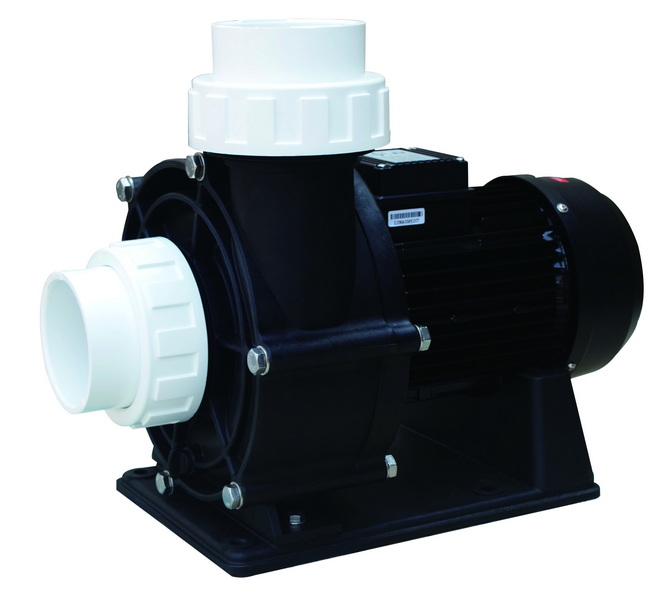
Gas heaters, heat pumps, solar heaters, and salt chlorination systems each require a minimum flow rate to operate correctly, which may translate into higher minimum RPM. If RPM is set too low, flow switches or pressure sensors may not activate, causing the heater or salt cell to shut off even though the pump is running.[13][1][2]
For many pools, running at 2,600–3,100 RPM while the heater is on, and at least around 1,800–2,000 RPM for salt systems, is sufficient to maintain proper operation. Once heating or heavy chlorination periods are over, the pump can be returned to slower speeds to save energy without harming equipment.[1][13][2]
Energy data and technical discussions show that dropping pump speed from high RPM to roughly half speed can reduce power draw to roughly one‑seventh or even one‑eighth, thanks to pump affinity laws. For example, one user reported a variable speed pump drawing about 160 watts at 1,500 RPM compared with around 1,500 watts at 3,000 RPM on the same system.[15][3][4]
This nonlinear relationship explains why variable speed pumps can often run 18–24 hours per day at low RPM without increasing total electricity usage, and in many cases cutting energy costs by up to 80–90% compared with single‑speed pumps. For OEM buyers and pool professionals, specifying energy‑efficient pumps and optimized speeds is now a critical selling point.[7][8][3]
If the selected RPM is too low, the pool may show cloudy water, weak circulation, dead spots, or inadequate skimming, even if the pump runs many hours. In some cases, automatic cleaners may stop moving, heaters and salt systems may not activate, or the pressure gauge may read abnormally low.[11][5][1]
When these symptoms appear, the solution is usually to raise RPM in small steps, lengthen runtime, or both, while ensuring the filter is clean and baskets are free of debris. Monitoring water clarity and chemical balance over several days is essential to confirm that the new speed setting is effective.[5][6][1]
Running at the pump's maximum RPM all day often leads to excessive energy costs, noisy operation, and unnecessary wear on filters, heaters, and valves. High speed can also increase pressure to levels that stress plumbing joints and filter tanks, especially if return lines are restricted or undersized.[3][15][7]
If the filter pressure gauge stays high even after cleaning, or if flow appears excessively strong at the returns, reducing RPM and checking for partially closed valves or obstructions is advisable. Usually, speeds in the mid‑range will still deliver excellent circulation without the downsides of full‑speed operation.[11][5][2]
The best way to tune speed is to start with a conservative low‑RPM setting that is known to work well for filtration—often around 1,600–1,800 RPM—then measure filter pressure, observe skimming, and check water clarity over several days. If the water remains clear and balanced, that speed is likely sufficient for most of the day.[9][5][1]
Next, add a short daily program at higher RPM (for example, 2,400–2,800 RPM) to improve skimming and drive any suction cleaners or vacuum heads. Using a flow meter, where available, helps fine‑tune speeds more accurately by correlating RPM with gallons per minute and desired daily turnover.[10][13][5][11][2]
International brands, wholesalers, and pool equipment manufacturers increasingly prefer complete OEM packages that integrate variable speed pumps with matched sand, DE, or cartridge filters and compatible valves, heaters, and LED lighting. By optimizing pump speed ranges for specific filter tanks and plumbing sizes, these turnkey systems deliver reliable water quality and strong energy savings in different markets.[7]
A Chinese factory equipped with intelligent production lines can customize pump motors, impellers, and control software to local voltage standards, preferred RPM profiles, and regional regulations. This allows foreign partners to launch branded, high‑efficiency filtration sets—sand filters, cartridge filters, DE filters, pumps, and LED lights—under one consistent OEM platform.[7]
The best speed to run a pool pump depends on pool size, plumbing, filter type, and attached equipment, but most residential systems work extremely well when daily filtration is handled at 1,500–2,000 RPM with only short bursts at higher speeds for skimming, heating, or vacuuming. By carefully tuning variable speed programs, owners can maintain clear, safe water while cutting energy consumption by up to 50–80% compared with traditional single‑speed pumps.[7][8][9][3][1][2]
For brands, wholesalers, and pool professionals, specifying modern variable speed pumps paired with properly sized sand, DE, or cartridge filters and clear RPM guidance has become a key differentiator in the global market. With smart programming and high‑quality OEM equipment, it is possible to protect pool infrastructure, reduce operating costs, and offer end users a quieter, more reliable swimming experience.[7][1][2]
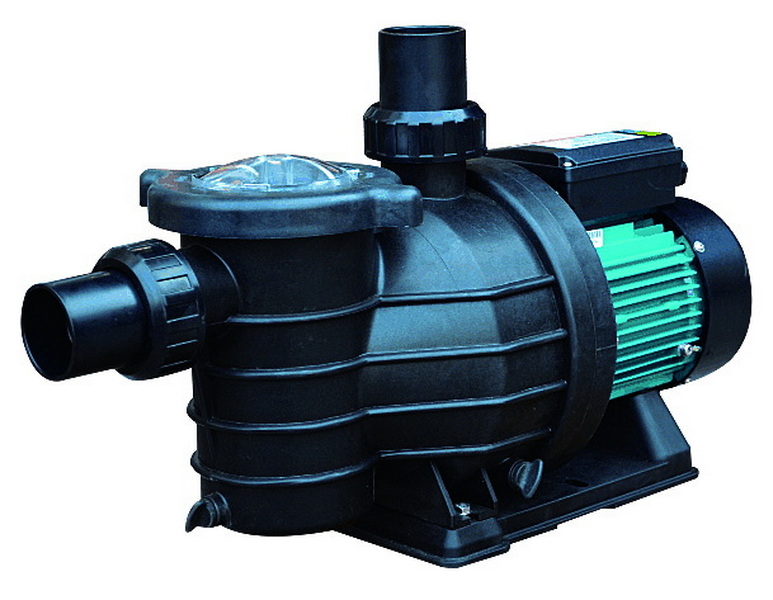
For most residential pools with a variable speed pump, an everyday filtration speed of around 1,500–2,000 RPM provides a good balance of circulation, water clarity, and energy efficiency. Start at roughly 1,600–1,800 RPM, monitor water clarity and chemical levels, and adjust slightly up or down as needed.[9][5][1][2]
Full‑speed operation near 3,450 RPM is usually only needed for specific tasks like backwashing a sand filter, running powerful water features, or handling heavy vacuuming or severe clarity issues. Once these functions are complete, the pump should be returned to lower RPM to minimize energy use and mechanical stress.[7][3][11][2]
Most heaters and salt chlorinators require a minimum flow rate that typically corresponds to medium to high RPM, often in the 2,600–3,100 RPM range depending on system design. Check the equipment manual for required flow or pressure and adjust RPM until the heater or salt cell runs reliably without frequent shut‑offs.[13][1][2]
If the pump speed is too low, you may see cloudy water, poor skimming, slow or stalled suction cleaners, or heaters and salt cells that do not turn on even when scheduled. Increase RPM in small steps and ensure filters and baskets are clean until water clarity and equipment performance stabilize.[5][1][11][2]
Variable speed pool pumps are designed to run for long periods at low RPM, and doing so generally reduces heat, vibration, and mechanical wear compared with constant high‑speed operation. As long as minimum flow requirements are met and filters are maintained, 18–24 hours per day at low speed is common and safe.[3][7][1][5]
There is no single RPM that works for every pool because volume, plumbing size, filter type, and equipment combinations vary widely. The best practice is to test a low starting speed, observe water quality and system behavior, and then customize a schedule that blends low‑speed filtration with short high‑speed intervals tailored to each installation.[15][13][1][5][2]
OEM buyers can work with manufacturers to define default RPM “programs” for typical pool sizes, filter types, and heater or salt cell combinations in target markets. Pre‑programmed modes such as “Eco,” “Skim,” “Heat,” and “Clean” make it easier for end users to achieve optimal performance without manual calculation.[12][1][2]
[1](https://efficiencymb.ca/articles/programming-your-variable-speed-pool-pump/)
[2](https://www.poolkingfilter.com/what-rpm-should-my-pool-pump-run-at.html)
[3](https://www.prioritypools.com/resource-center/benefits-of-variable-speed-pool-pumps)
[4](https://www.reddit.com/r/pools/comments/1leykd8/how_does_a_vs_pump_save_money/)
[5](https://www.youtube.com/watch?v=5SbEB44THW4)
[6](https://www.youtube.com/watch?v=LvN8m1AsrHI)
[7](https://clearcomfort.com/variable-speed-pool-pumps-guide/)
[8](https://www.pentair.com/en-us/pool-spa/education-support/homeowner-support/calculators/pool-pump-savings-calculator.html)
[9](https://poolpartstogo.com/blogs/articles/ideal-schedule-for-your-variable-speed-pool-pump)
[10](https://www.pstpoolsupplies.com/blogs/articles/optimize-your-swimming-pool-with-variable-speed-pool-pump-recommended-settings)
[11](https://www.rrpools.ca/blog/variable-speed-pumps-what-speed-and-when/)
[12](https://poolpartstogo.com/blogs/articles/programming-your-variable-speed-pool-pump-for-optimal-performance)
[13](https://www.youtube.com/watch?v=i44bmptMGgU)
[14](https://www.reddit.com/r/pools/comments/1edftsx/speed_options_for_variable_speed_pump/)
[15](https://www.eevblog.com/forum/renewable-energy/fixed-or-variable-speed-pool-pump/25/)
[16](https://www.reddit.com/r/pools/comments/1cliau9/variable_speed_pump_schedule/)
[17](https://clearcomfort.com/variable-speed-pump-vs-single-speed-a-comparison/)
[18](https://www.facebook.com/groups/1407260559603442/posts/4005498263112979/)
[19](https://www.reddit.com/r/swimmingpools/comments/vzbig7/variable_speed_pump_schedule/)
[20](https://varminpool.com/blogs/news/why-are-variable-speed-pool-pumps-more-efficient)


